Dreadlocks for Men: Choosing the Right Style for Your Face, Life, and Length
Dreadlocks for Men: Why the Right Style Makes All the Difference
Most men choose a loc style because it looked good on someone else. Sometimes that lands perfectly. Sometimes the result is slightly off in a way that is hard to name. The hairstyle is fine, but it is not the most flattering version of itself for that particular face, length and daily life.
This guide takes a different approach. Rather than listing styles as equal options, it connects each one to the circumstances where it performs best. Which styles elongate and which add width. Suit professional settings and which read as expressive. Which work in the early stages of a loc journey and which need the weight that only years of commitment produce. Those distinctions lead to better choices.
Short Starter Locs: The Style That Sets the Entire Journey’s Direction
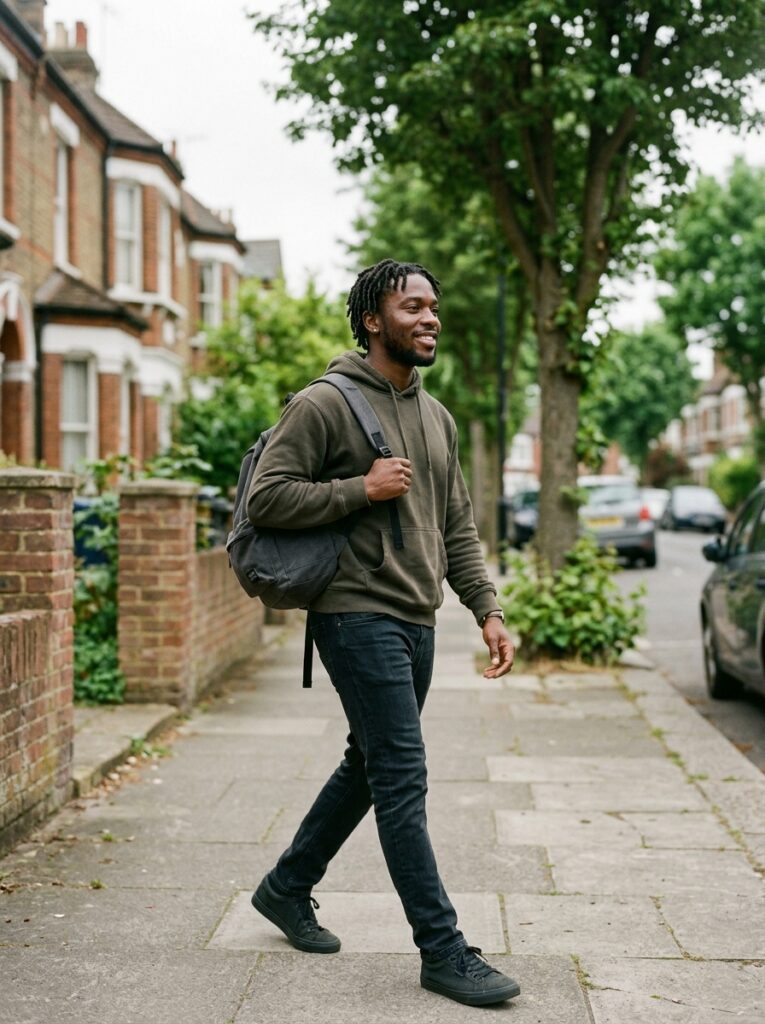
Short starter locs are not just the beginning of something longer. They are a genuine hairstyle in their own right, and the decisions made now shape everything that follows. Section size determines how thick each mature loc becomes. The installation method determines texture and surface quality. Getting both right saves years of regrowing from choices made without understanding their consequences.
They suit men who want a clean, modern look that shows real intention. In professional settings the neat sectioning and careful installation is visible to anyone paying attention. Keeping the hair moisturised and the roots separated during this stage prevents the merging and clumping that is the most common early mistake. On oval and square faces, short starters add a grounded, defined quality that longer styles cannot yet deliver.
Freeform Dreadlocks: The Style for Men Who Want Something Genuinely Their Own
Freeform locs develop without sectioning, retwisting or any installation method. The hair is washed, moisturised and left to do what it does over months and years. What forms is shaped by that person’s texture, growth pattern and the way sections naturally group. No two freeform journeys end up the same.
One misconception causes most of the problems here. Freeform does not mean neglect, and skipping washing to speed up locking mainly produces buildup, odour and an itchy scalp. Dermatologists recommend washing textured hair roughly weekly or fortnightly and conditioning every wash, which the American Academy of Dermatology’s everyday care guidance for Black hair sets out clearly. Clean hair locks perfectly well. The real decisions are about how much you intervene. Separating at the roots every few weeks stops several locs merging into one wide congo; leaving them alone entirely produces those congos, which some men actively want. Expect an awkward six to twelve months where the hair looks unfinished, since that stage passes for everyone. Freeform suits men who value authenticity over precision. Round and oval faces gain from the varied texture and fuller silhouette, and a full beard balances the volume, with the pairings covered in this guide to matching your beard to your hair.
Two-Strand Twist Locs: The Method That Looks Right From Day One
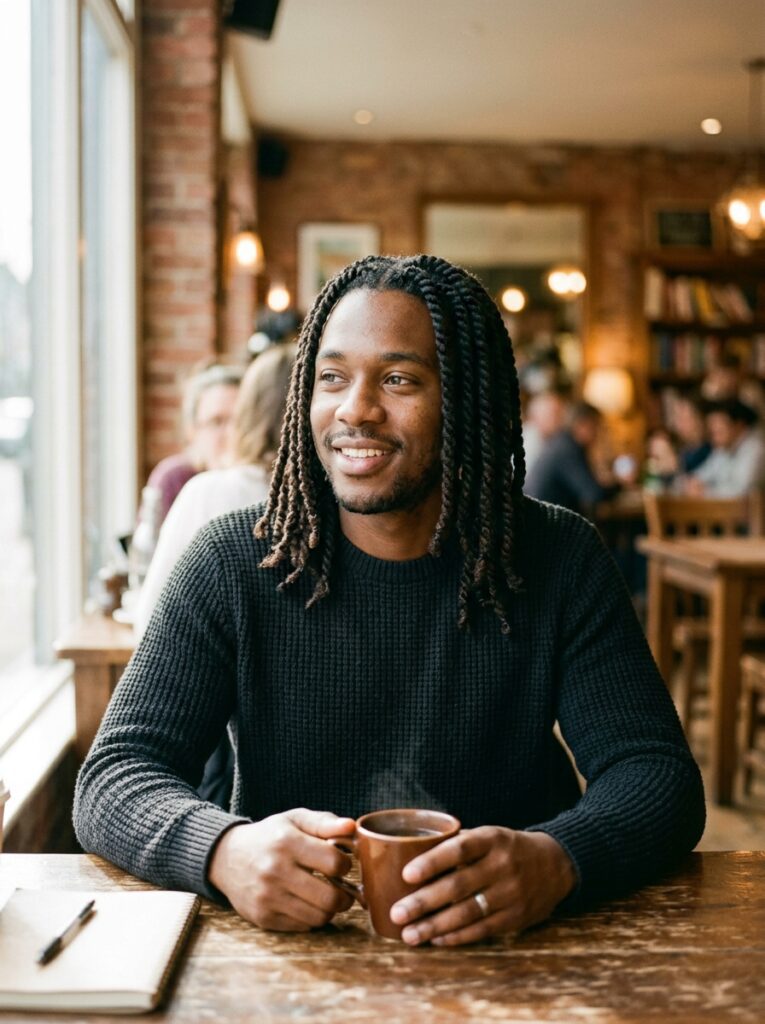
Two-strand twist locs look defined and neat from the earliest stage. The twisted structure gives each loc a clear form long before the natural locking process matures. That is the method’s main practical advantage. The hair looks intentional from the very first appointment rather than after the first year.
As they mature, two-strand twists develop a rope-like surface that differs from palm-rolled or freeform locs. Each one carries a gentle spiral that catches light from different angles, which creates movement through the full length. The structured look holds up in professional settings at every stage, since it reads as groomed from a distance regardless of maturation. Long and rectangular faces benefit most, as the defined vertical line of each loc adds elongating proportion.
High Top Dreadlocks with Fade: Modern Contrast for Men Who Want Both Worlds
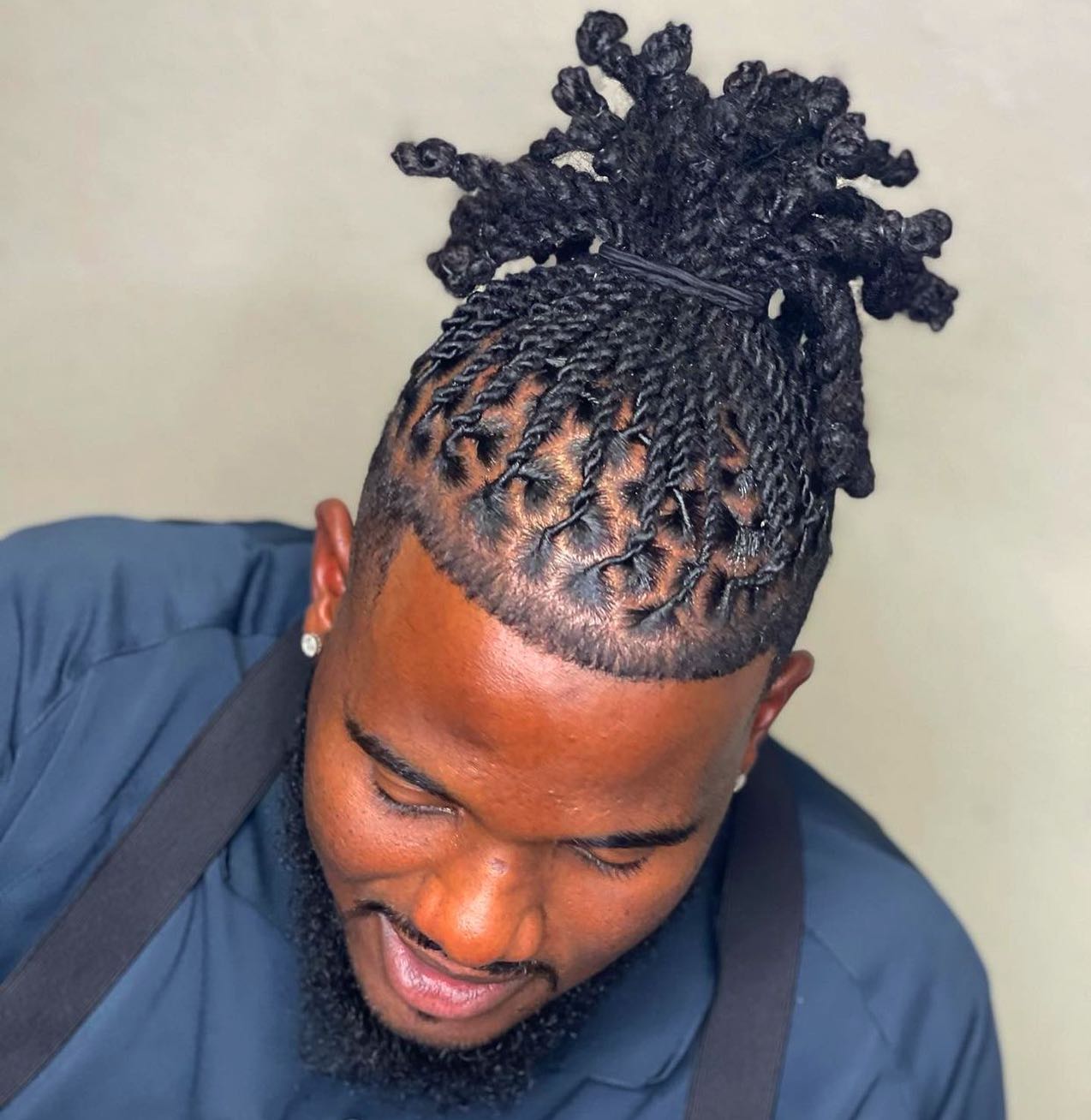
High top locs concentrate the length at the crown while the sides drop to a fade or close cut. The contrast between clean sides and loc volume creates a sharp, current silhouette. It also lets men keep the barbershop finish that workplaces respond well to while still wearing locs.
The practical question is who does the work. Some shops handle both the fade and the loc maintenance; many do not, which means booking a barber and a loctician and sequencing the two. Fade first, retwist after, since clipper work around freshly twisted roots can loosen them. Ask the barber to section and tie the top out of the way before starting, because a guard catching a loc at the perimeter takes years to grow back. Fade height sets the register, and the differences between low, mid and high are laid out in this guide to fade haircuts for men. Upkeep runs every two to three weeks, so factor that in before committing. Round and square faces gain from the crown height, and the combination works from early stages through to long lengths.
Medium-Length Locs: The Stage Where Everything Finally Clicks

Medium length is where the style’s full potential first becomes visible. The locs have passed through the starter and budding stages. They now have real length, settled texture and styling options that shorter locs cannot support. For many men this is the point where the decision to commit is finally rewarded.
At this length the locs can be worn loose for maximum presence, gathered half-up to show the length while keeping the face clear, or pulled into a low ponytail or bun for practical days. The added weight also changes how they move, producing the flowing, weighted swing that is one of the style’s most distinctive qualities. Every face shape works here, because the arrangement can be adjusted day to day for whatever proportions need balancing.
Long Dreadlocks: The Commitment That Becomes Its Own Statement
Long locs are visible evidence of commitment. The length says years of consistent care, patience through the difficult early stages and sustained priority given to a choice most people abandon early. That visible history is part of why long locs impress and why they mean so much to the men wearing them.
Length also brings practical realities worth planning for. Wet locs hold a surprising amount of water, and the weight pulls at the roots, so squeezing water out with a towel before styling reduces the strain considerably. Drying matters even more, since locs that stay damp at the core can develop mildew and a persistent smell; allow several hours, and use a hooded dryer on low if the weather is against you. Sleep on satin or wrap the hair, because cotton pillowcases catch and pull at the roots night after night. Some men also find heavy locs cause tension headaches, which a looser tie and occasional trimming of the ends will ease. In return, the styling range is wide: loose, high bun, low tie-back, braided or wrapped, and further options appear in this guide to long hairstyles for Black men.
Dreadlocks with Fade: The Professional’s Loc Style
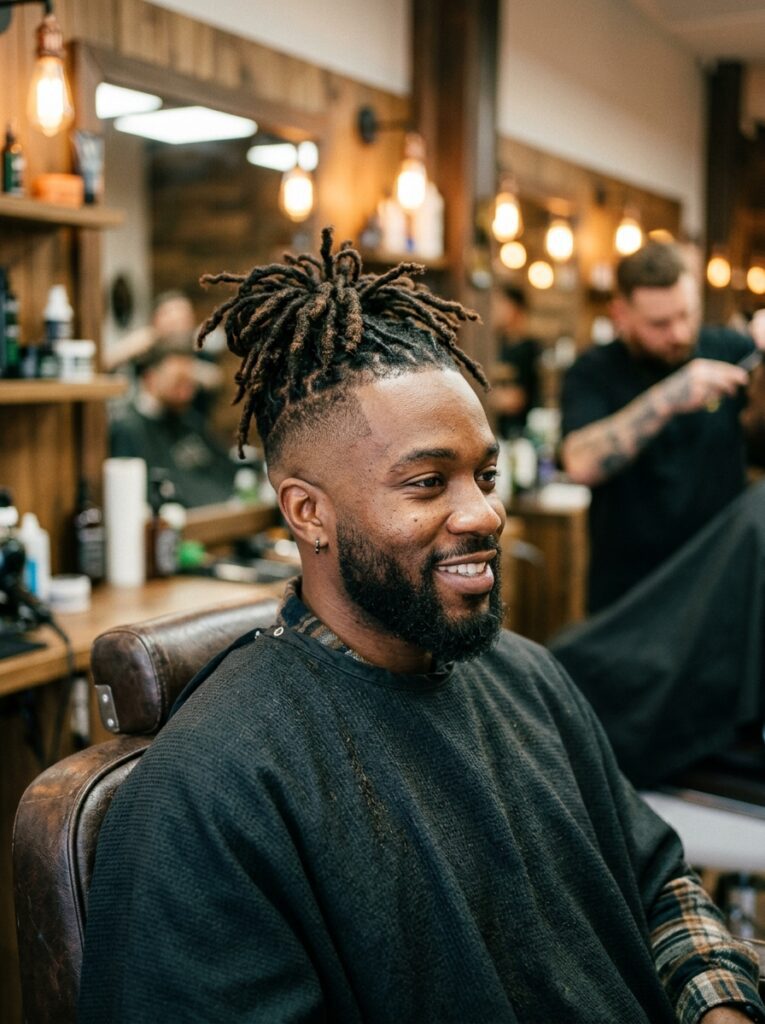
Locs with a fade at the sides is the most widely accepted dreadlock style in professional environments. The fade supplies the barbershop-clean finish that most workplace grooming expectations are built around. The locs on top carry the personal expression and cultural meaning the journey represents.
A low fade suits conservative corporate settings where the presentation needs to stay close to conventional. A mid fade adds visible contrast and suits creative industries and modern offices. A high fade makes the strongest statement and works where confident personal style is valued alongside competence. Fade height is a genuinely useful dial. It shifts the register from refined to bold without changing the combination underneath. Every face shape can be accommodated by calibrating that one variable.
Barrel Roll Locs: The Occasion Style That Commands Genuine Attention
Barrel rolls gather several locs together and roll them into cylindrical formations. The result is sculptural and clearly prepared. It suits weddings, celebrations, formal events and any occasion where the hair is meant to make an impression rather than simply look tidy.
Setting them takes time, usually an hour or more depending on how many rolls and how much length is involved. A few habits make the difference between a set that holds and one that sags by the evening. Roll on dry locs rather than damp ones, since damp hair loosens as it dries and the shape drops. Pin each roll from underneath with two crossed bobby pins rather than one, so the weight is shared. Set them the night before an early event and protect the arrangement with a satin scarf overnight. Keep the tension moderate at the roots, because pulling tight to hold a shape is what causes soreness the next day. Taking them down deserves the same patience, so unpin and unroll gradually rather than combing anything out. Oval and long faces suit the clean, deliberate silhouette particularly well.
Thick Traditional Locs: Volume, Presence, and the Boldest Classic Available
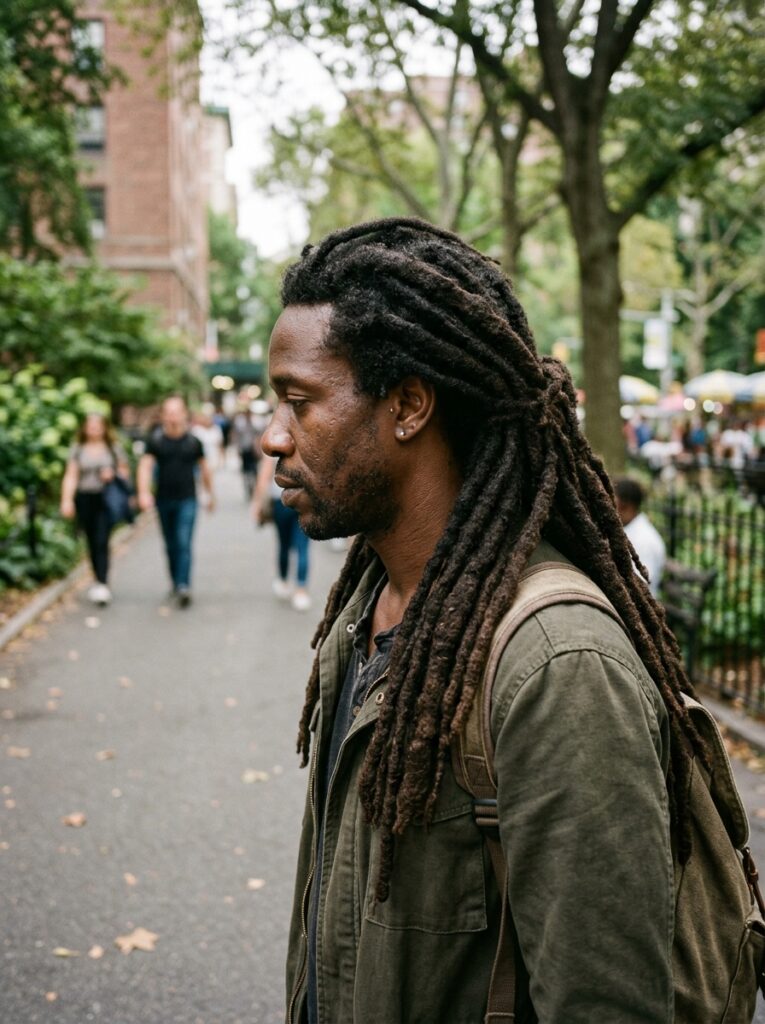
Thick locs start with larger sections, which means fewer individual locs and far more visual weight in each one. The result has a bold presence that thinner locs at the same length cannot reproduce. The difference is built in from installation rather than developed later.
They also demand less maintenance than thinner alternatives. Fewer sections means fewer retwisting appointments, and each one is more forgiving between visits. Thick locs reach their mature rounded form faster too, since the larger section gives the internal locking structure more material to work with. Square and diamond faces suit them particularly well, because the strong weight of each loc complements the structure of those face shapes rather than competing with it.
Thin Dreadlocks: Refined Texture and Maximum Movement
Thin locs use smaller sections, producing many more individual locs, each one slender and light. The texture is finer and more intricate. At long lengths they swing and move with a fluidity heavier locs never achieve, because less weight per loc allows freer movement.
The trade-off is maintenance, and it is significant. More sections means far more retwisting work at every appointment, and appointments that run three or four hours are normal rather than exceptional. Early on, neighbouring locs merge easily, so separating at the roots every couple of weeks is essential. Tension is the risk that deserves the most attention. Thin roots hold less hair, and repeatedly retwisting or interlocking them tightly puts strain on the follicle; dermatologists link persistently tight styling to traction alopecia, which shows up first at the hairline and temples. A loctician who works gently, and a longer gap between retwists, both reduce that risk. For men willing to make the commitment, thin locs at length are among the most distinctive hairstyles available anywhere.
Man Bun Dreadlocks: The Practical Style That Consistently Looks Intentional

The man bun is what most medium and long loc wearers reach for daily. It handles the practical problem of significant length during an active day. It also produces a result that looks considered rather than merely managed, which is why it never reads as a compromise.
Gather the locs at the crown or nape, secure them loosely, and let any shorter locs fall naturally around the face. The same arrangement works for a professional meeting and a casual evening with no adjustment. Oval, round and square faces all benefit, since the gathered shape draws the eye upward and inward and adds height and definition to each. It remains the most versatile single approach for medium to long locs, and the one that delivers reliable results for the least daily effort.
Side-Parted Dreadlocks: When Structure Adds the Final Polished Quality
A side part introduces one visible structural element, and that alone makes a loc style read as more organised and more formal. The line tells the eye that the arrangement was chosen rather than simply the direction the locs happened to fall.
Setting it properly is a job for the retwisting appointment. Ask the loctician to establish the part with a tail comb before twisting, running it from the front hairline back toward the crown, so the roots are twisted in the direction the part requires. A part imposed afterward on already-set roots rarely holds past lunchtime. Between appointments, wrapping the hair in a satin scarf overnight with the part in position keeps the line clean. Shorter and medium locs hold a part best, since long heavy locs pull the sections back together under their own weight. The precision it adds suits offices and formal occasions, and the same principle appears across most professional haircuts for men. Oblong and heart-shaped faces gain most, as the diagonal line shortens the face visually and softens a wider forehead.
Braided Dreadlocks: Protective, Practical, and Visually Compelling
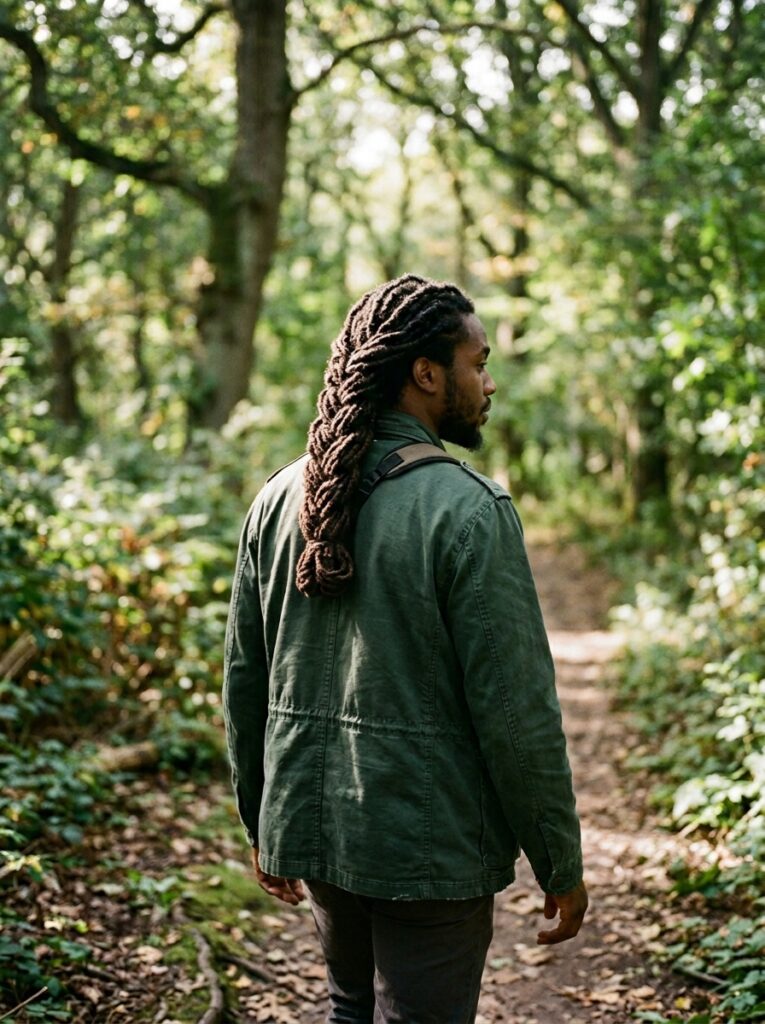
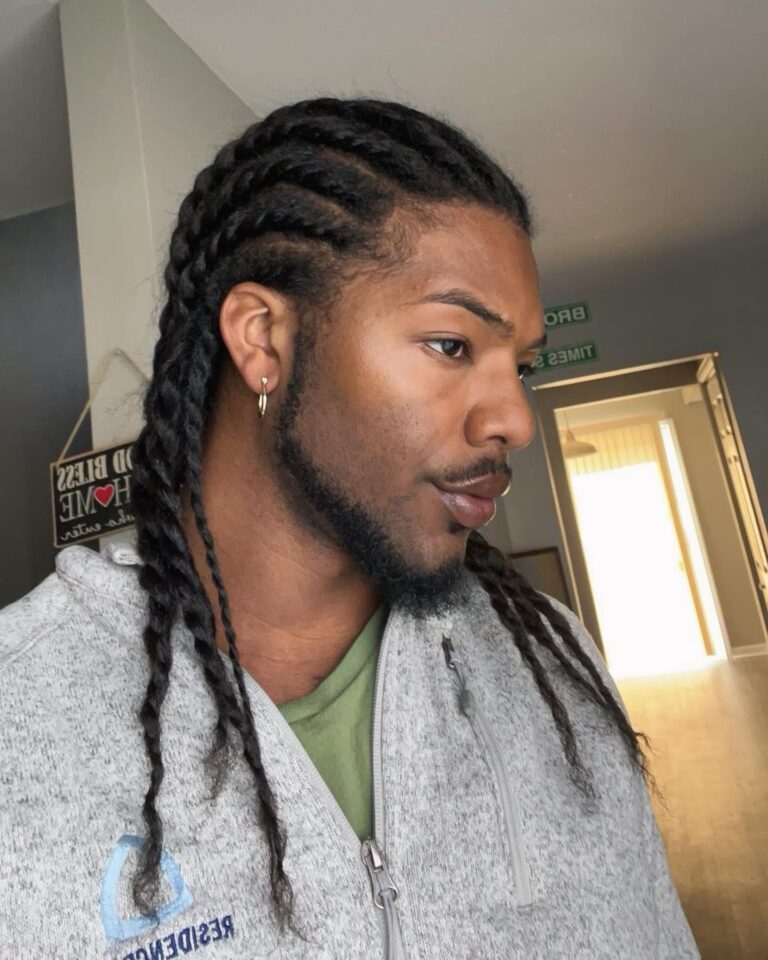
Braiding locs together is one of the most practically valuable options available. It protects the hair from daily handling and weather. It organises the length into something manageable. And it produces a styled result that needs almost no daily attention once installed.
A single large braid down the back is the most streamlined choice for everyday wear. Multiple smaller braids give a more intricate look for occasions that call for extra interest. The protective quality makes braids especially useful for travel, physically active periods and any stretch when regular maintenance will be difficult. Depending on the arrangement and loc type, braids hold for several days to several weeks while keeping the hair looking clean and considered throughout.
Curly Dreadlocks: Softness and Dimension Through the Curl
Curly locs add a softness that straight locs do not carry. Curling the ends changes the character of the whole hairstyle. What was direct and linear becomes rounded and textured, with a bounce at the tips that reads as noticeably less severe.
The method is straightforward but unforgiving about one thing: drying. Work on damp rather than soaking locs, since fully wet locs take far too long to dry inside a rod. Wrap sections around flexi rods or perm rods from the ends upward, then let them dry completely before removing anything. A hooded dryer on low speeds this up; unwrapping while the core is still damp gives a limp curl that drops within hours. Expect the curl to hold for a few days up to a week, longer in dry weather. Avoid curling irons and other direct heat, because locs hold heat in their core and scorch from the inside. Heart and oval faces suit the softer silhouette, and shorter locs gain useful fullness. Anyone applying similar technique to looser textures will find related methods in this guide to curly hairstyles for men.
Low Ponytail Dreadlocks: Understated Confidence in One Practical Style

The low ponytail asks the least and delivers the most consistently appropriate result across the widest range of days. Gather the locs at the nape and secure them cleanly. The style reads as purposeful without any complicated arrangement behind it.
Long and oblong faces suit it especially well, since the gathered shape keeps the profile low and close rather than adding height to an already elongated face. It also works for every professional and formal occasion, because a neatly gathered head of locs communicates the same intent as any other deliberate hairstyle. For medium and long lengths, this remains the most dependable low-effort option whatever the day demands.
Matching Your Loc Style to Your Face Shape: A Quick Reference
Every style here suits some face shapes better than others. Understanding that connection before making styling decisions consistently produces more flattering results.
Round faces benefit from height and reduced width, so a high top with fade, upward-directed arrangements and anything drawing volume up rather than out will serve them. Square faces suit styles that soften the jaw, including two-strand twists, medium loose locs and side parts that add diagonal movement. Oval faces are the most flexible and suit nearly everything on this list without adjustment. Long and oblong faces want width rather than height, which means medium loose locs with natural spread, curly locs that add fullness at the sides, and low ponytails that keep the profile contained.
Knowing your face shape before the appointment is the practical part. Telling the loctician what you are trying to balance, rather than only naming a style, is the single most useful step toward consistently better results.