Best Hairstyles for Asian Men: Textured, Sleek and Genuinely Current
Asian hair types commonly share three qualities that shape which haircuts work. The hair is usually straight. Individual strands are often fine even when overall density is high. And it tends to lie flat rather than hold volume without help from product.
Those qualities are assets in the right cuts and obstacles in the wrong ones. Styles that work with the natural fall of straight hair consistently beat styles that fight it. Knowing which cuts suit these properties, and which product approach delivers reliable daily results, makes every barber appointment more productive and every morning easier.
Two-Block Haircut: The Korean-Influenced Style That Works on Almost Every Face
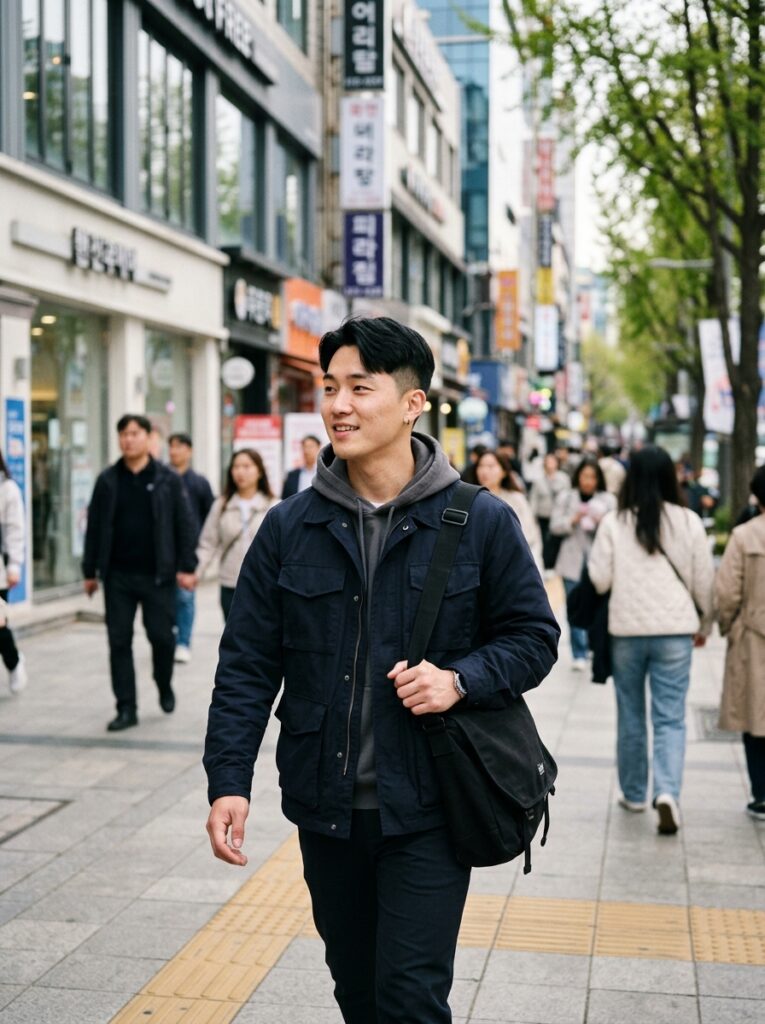
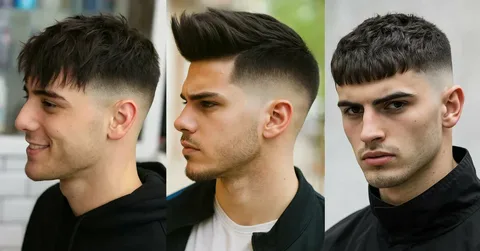
The two-block is the most consistently popular men’s cut across East and Southeast Asia, for a straightforward reason. It uses the hair’s natural straight texture to create a clean, lightly structured shape. Nothing about it is excessive. The sides and back are clipped shorter while the top keeps its length, which forms the two distinct sections behind the name.
That extra length on top gives straight hair enough weight to fall in whichever direction suits the face. This is why the style adapts so well across face shapes and hair densities. Oval and round faces benefit, since the top volume can add height or width as needed. The shorter sides and back also keep the upkeep low between appointments. For anyone who wants a current, polished everyday cut with nothing complicated to manage, the two-block is the sensible place to start.
Comma Hair: The Signature Curved Fringe That Defines Korean Grooming Trends
Comma hair is named after the shape of its fringe. The front section sweeps across the forehead in a gentle arc, curving inward at the tip like a comma. Straight hair has no natural bend, so the curve has to be created with heat and then held.
The tool matters more than the product. A round brush of roughly one and a half to two inches is the usual size, since a smaller barrel produces a tight curl rather than a soft arc. Work on hair that is around eighty percent dry. Roll the front section under with the brush, follow with the dryer on medium heat, then finish with the cool shot before releasing the brush. That cooling step sets the shape, and skipping it is why most comma fringes drop within an hour. Length is the other requirement: the fringe needs to reach past the eyebrows, or the curve has nowhere to travel. Daily heat is worth handling carefully, as dermatologists list high-heat styling among the most common causes of hair damage, so medium heat and a heat protectant are sensible defaults. A light cream before drying and a fine mist of hairspray afterward hold the curve through the day. The style suits oval and heart-shaped faces, and the fringe needs trimming every three to four weeks to keep its line.
Middle Part Curtains: Balanced Symmetry and Natural Face-Framing
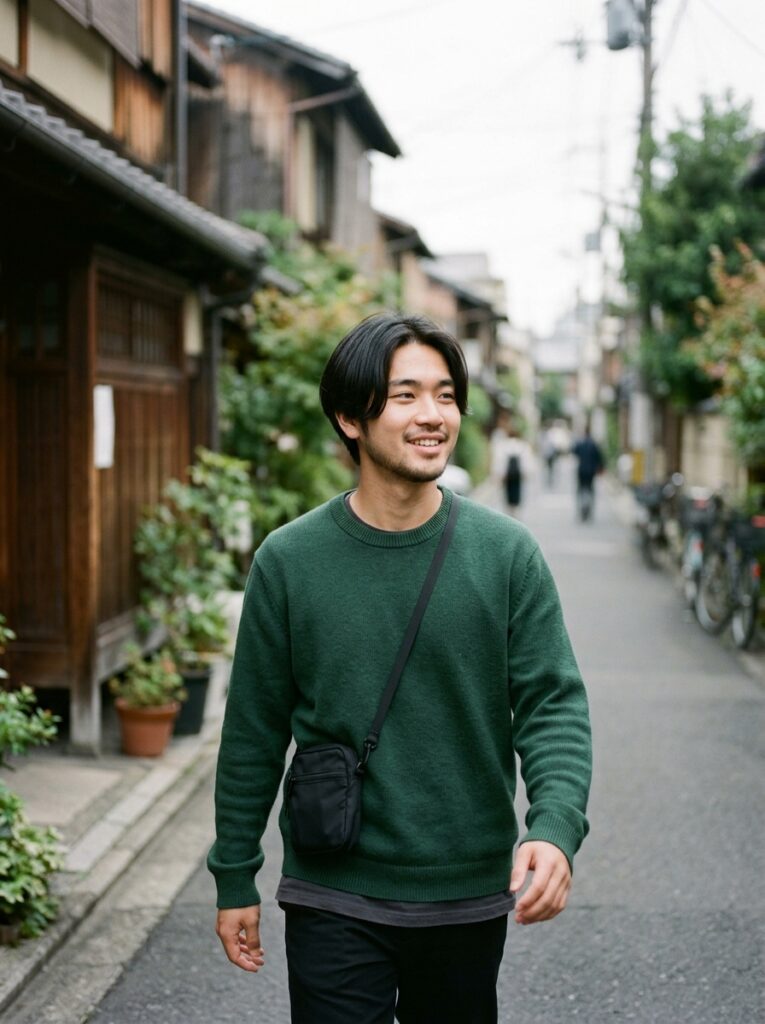
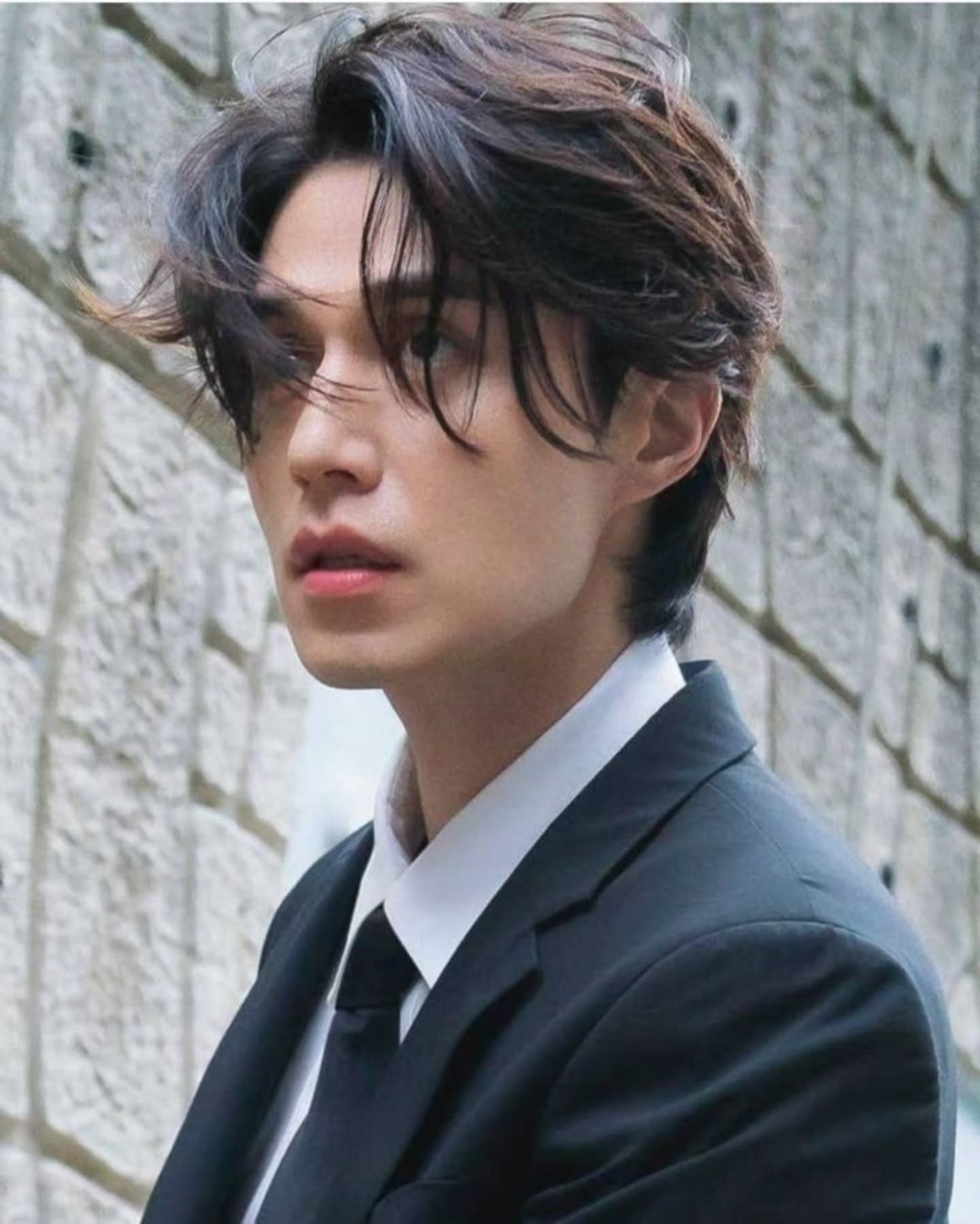
Middle part curtains are among the most universally flattering options here. The centre parting creates bilateral symmetry, which the eye reads as balanced. The hair falling to both sides frames the face rather than exposing it. On straight Asian hair the curtain effect forms cleanly, because straight hair falls in undisturbed lines that wavy textures cannot match at the same length.
Medium length works best, with the hair reaching somewhere between the cheekbones and the chin. Too short and the curtains never frame the face properly. Too long and the weight pulls them into a flat, lifeless fall. A little lightweight styling cream on damp hair, then air drying, produces the natural parting this style depends on. The centre part also reduces visual emphasis on a wide forehead, which suits faces slightly broader at the top than at the jaw.
Soft Perm Hairstyle: Adding Volume and Movement to Fine Straight Hair
A soft perm is the most effective technical answer to flat, fine straight hair. The treatment adds a gentle wave at the structural level of the hair. Once it is done, the wave is present every time the hair dries. No daily technique recreates it.
Restraint is what separates a soft perm from a traditional one. The waves are loose and natural-looking rather than tight or dramatic. They add movement without replacing the hair’s character with a different texture. Practical expectations help before booking. Around three to four inches of length on top gives the rods something to work with, and the appointment usually runs close to two hours. Leave the hair unwashed for about forty-eight hours afterward so the new bonds settle. A retouch every three to four months keeps the pattern consistent as the roots grow straight. The chemistry deserves respect too: dermatologists advise following the timing instructions exactly and rinsing immediately if the solution stings or burns the scalp, as set out in the American Academy of Dermatology’s coloring and perming guidance. Conditioning afterward is not optional, because permed hair holds moisture less well and dry permed hair loses wave definition quickly. Anyone weighing this against a cut-only solution should also read this guide to haircuts that add texture to straight hair.
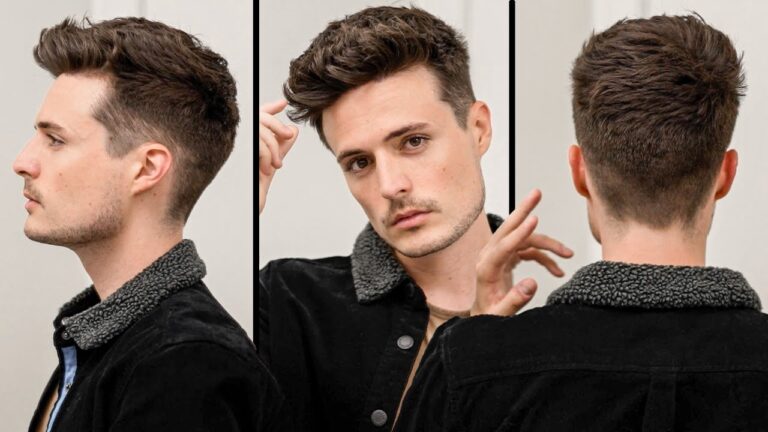
Textured Crop: The Modern Short Hairstyle That Works With Straight Dense Hair
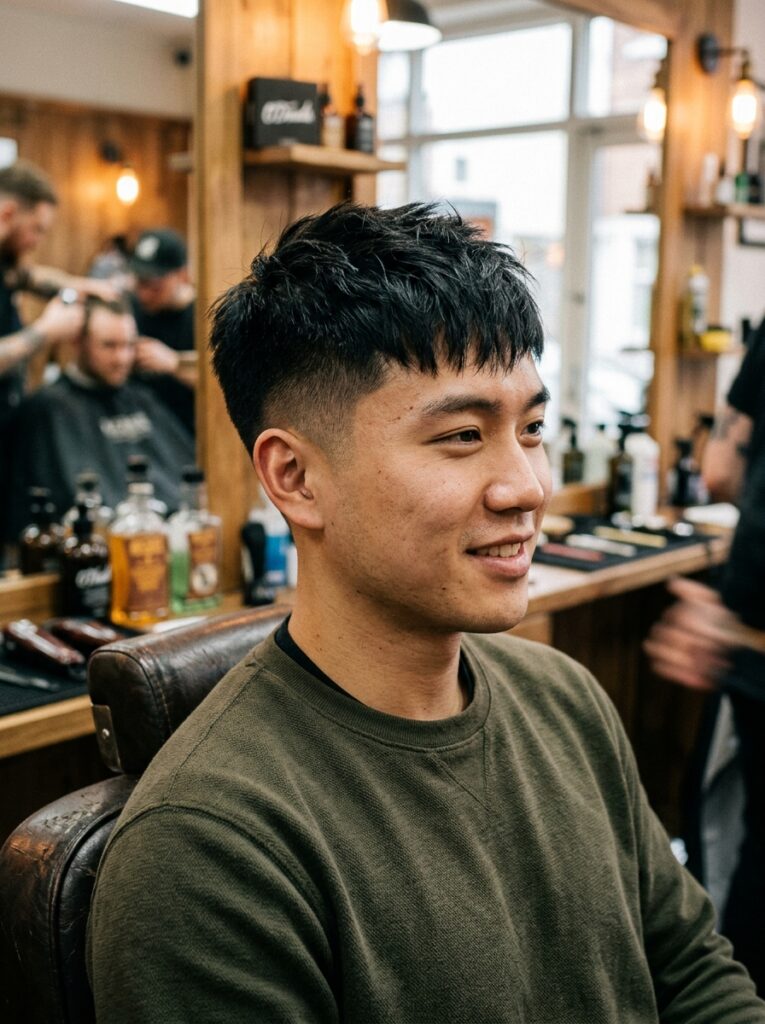
The textured crop is one of the strongest short options for dense straight hair. The choppy layering removes the flatness and heaviness that dense straight hair develops when cut uniformly short. The barber cuts into the top at varied angles and depths, creating sections that sit at different heights instead of pressing flat against the scalp.
The result has visible movement that catches light from several angles. For men whose straight dense hair usually reads as heavy at short lengths, this is often the first short cut that looks genuinely modern. Work a small amount of matte clay through towel-dried hair with the fingers and let it set as the hair dries. Drying completely before applying product removes the natural movement the cut was built to show.
Low Taper Fade: The Clean Perimeter That Elevates Every Style Above It
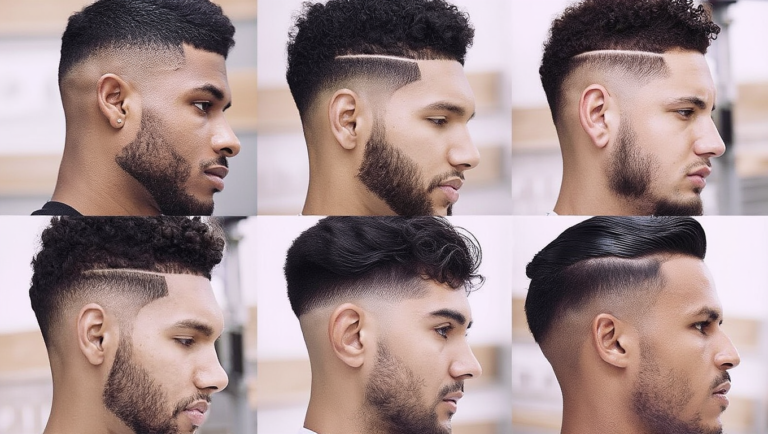
A low taper fade looks exceptionally precise on straight hair. Every strand lies in the same direction, so the graduation from longer to shorter reads as one smooth blend. Wavy and curly textures introduce variation into the same work. That precision suits the neat, controlled aesthetic behind most popular Asian men’s styles.
Asking for it clearly is what gets it. Say low taper, starting just above the natural hairline, with a natural tapered neckline rather than a squared one. Two extra details are worth naming. The sideburn should be tapered rather than blocked off straight, since a hard sideburn line looks severe against fine straight hair. And the taper should stop below the temple, because taking it higher turns it into a mid fade and changes the whole balance. The reward is longevity. A squared neckline grows into a visible edge within two weeks, while a taper simply softens, which stretches the comfortable gap to five or six weeks. The full method is covered in this explainer on how to ask your barber for a low taper fade. It pairs with every longer top on this list, from the two-block to the perm.
Korean Wavy Perm: The Softer, More Natural Version of the Perm Trend
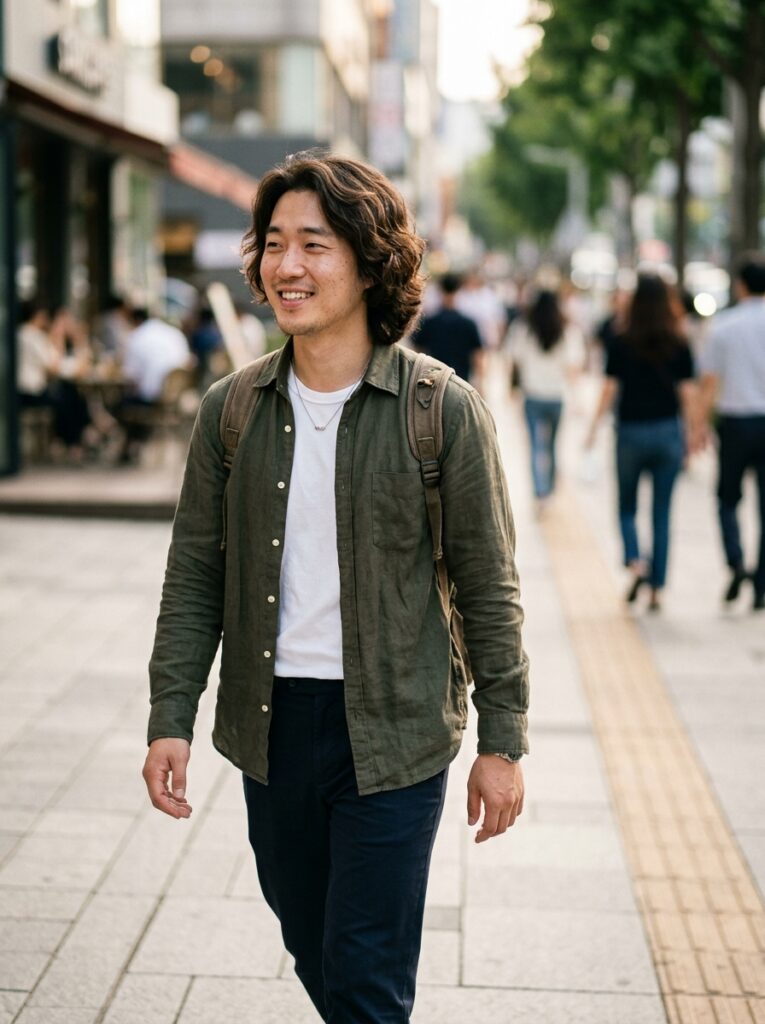
The Korean wavy perm emphasises loose, beach-style waves rather than defined curl. The waves are larger and softer than a traditional perm produces. They sit closer to the natural pattern of lightly textured hair. The effect reads less like a chemical treatment and more like a wave the hair always had.
It has become one of the most searched men’s hairstyle terms globally for a clear reason. Men with straight hair want the movement of textured hair without the strong contrast a full curl perm creates. This sits in the middle ground, which is exactly where many men with fine or medium straight hair are aiming. Sulfate-free shampoo and regular deep conditioning maintain the pattern. Dryness is what kills wave definition over time.
Side Part Undercut: Classic Structure With Maximum Modern Contrast
The side part undercut frames a refined parted top with close-cut or shaved sides. The combination reads as classic and contemporary at once. On straight hair the parted top lies with unusual cleanliness, since the strands follow the comb without drifting or separating through the day.
Finding the natural part is step one. Push damp hair straight back, let it fall, and note where it splits on its own. Combing against that line means resetting the part every few hours. Product choice matters just as much on fine hair. A high-shine pomade flattens fine strands and makes the scalp more visible along the parting, so a matte styling cream or a light clay gives a fuller result. Apply it to damp hair with a fine-tooth comb, then dry along the part to lock the direction. Decide with the barber whether the undercut is disconnected or lightly blended, because a fully disconnected version is bolder and needs a visit every two to three weeks to stay sharp. The parted top keeps the cut acceptable in formal rooms, which is why it appears so often among professional haircuts for men, while the sides carry the modern edge.
Messy Fringe Cut: Relaxed Youth and Effortless Casual Appeal
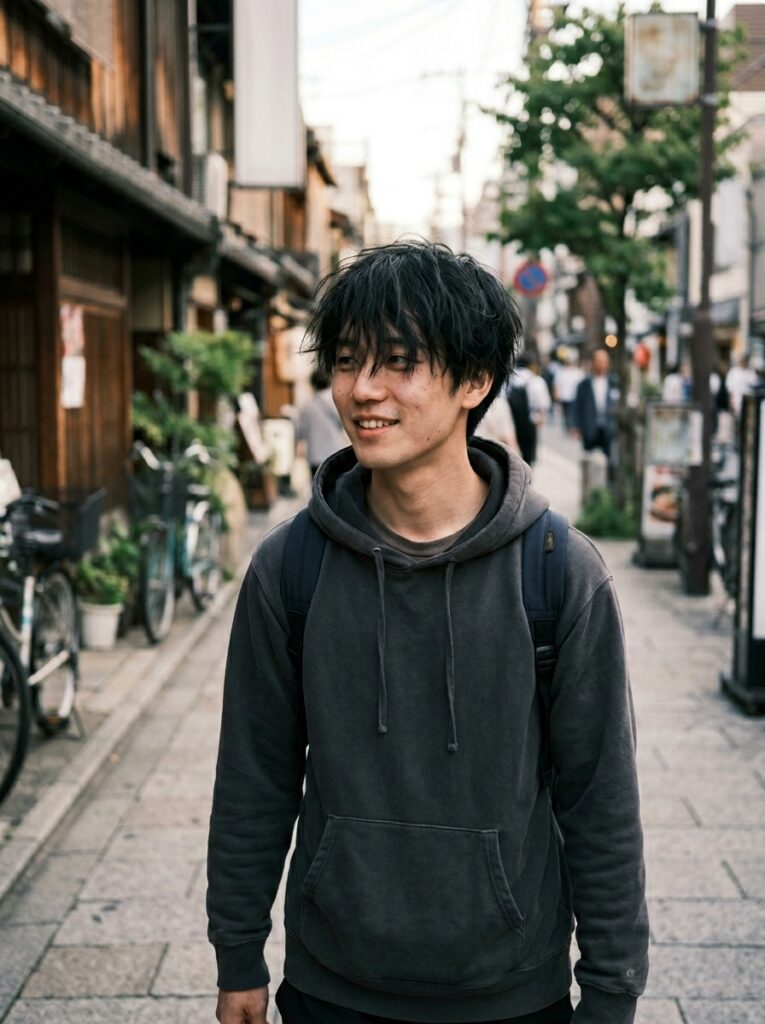
The messy fringe lets straight hair fall in a deliberately loose, varied arrangement. There is no formal structure to maintain. The fringe sits across and around the forehead as though it landed there after the morning wash rather than being placed by product.
Straight hair actually makes this look more convincing than wavy or curly textures do. Straight sections stay where they fall instead of springing back toward their natural direction. A small amount of sea salt spray on damp hair before air drying creates the light separation that reads as deliberate rather than unkempt. The style suits oval and longer faces, since the forward fall shortens the visual length of the face and softens the framing.
Curtain Bangs: The Versatile Fringe That Suits Multiple Face Shapes
Curtain bangs are longer bangs parted at or near the centre. They fall to either side of the forehead instead of cutting straight across it. The effect frames the face gently while leaving part of the forehead visible, which is a middle ground that neither a full fringe nor a swept-back style reaches.
Length decides whether they work at all. The front sections need to reach at least the cheekbones, and the effect is fullest once they pass the jawline. Below that, the hair sits as an ordinary fringe with a gap in it. Training the part takes a few weeks of parting damp hair the same way and letting it dry in position. A cowlick at the front hairline can push the split off centre, and shifting the line a few millimetres toward the stronger growth direction usually solves it. To style, aim the dryer away from the face on each side with the fingers, then let the hair fall back down; that gives the outward bend the shape depends on. On straight hair each half falls in a clean line with no irregularity. Oval, heart and oblong faces suit them best, and a trim every four weeks keeps the two sides even.
Short Pompadour: Volume and Confidence Without Length Demand
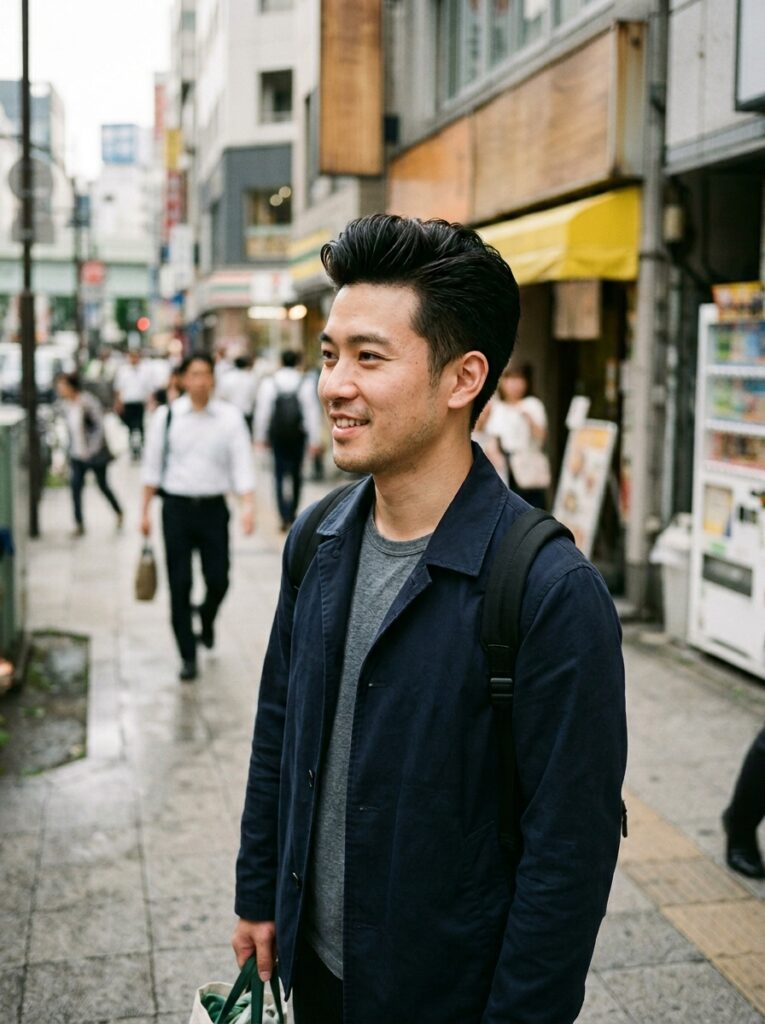
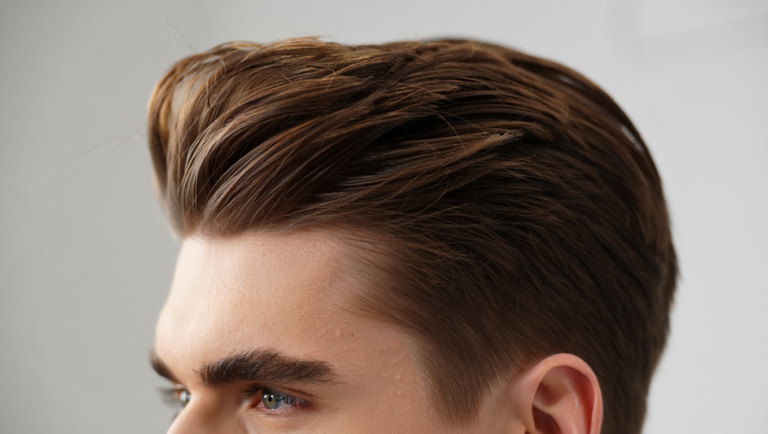
The short pompadour lifts the front upward and sweeps it back to create height at the crown. It does so without the length a traditional pompadour requires. On straight hair the lifted front holds its direction well, because the strands stay wherever they are dried and set.
The challenge is keeping that volume on fine hair, which collapses toward the scalp as the day passes. Volumising mousse at the roots before drying creates the initial lift. A medium-hold pomade applied while the hair is still warm from the dryer locks the direction in. A light hairspray then holds it through the day. The style suits oval and square faces, since the crown height elongates both sets of proportions.
Layered Medium Cut: Movement and Depth at Medium Length
Straight Asian hair at medium length has one predictable problem. It sits as a single dense mass with no movement, and it looks heavy no matter how much of it there is. Layering at different lengths through the top and sides breaks that up. Sections then sit and move independently, which produces a far more dynamic result from the same hair.
How the weight is removed is the part worth specifying. Ask for internal weight removal and point cutting rather than heavy thinning shears through the surface. Over-thinned dense straight hair develops short spiky pieces that stand up through the layers and never lie flat again, and there is no fix except waiting for them to grow. Removing weight from inside each section keeps the outer shape full while letting the layers fall. Expect an awkward stage on the way there, usually around the point where the sides start flicking outward above the ears; a light trim of the sides only carries the cut through it. A leave-in conditioner and a lightweight cream before air drying let each layer fall clearly. Grow-out timings and stages are covered in this guide to medium-length hairstyles for men.
Natural Flow Hairstyle: Letting Straight Hair Do What It Does Best
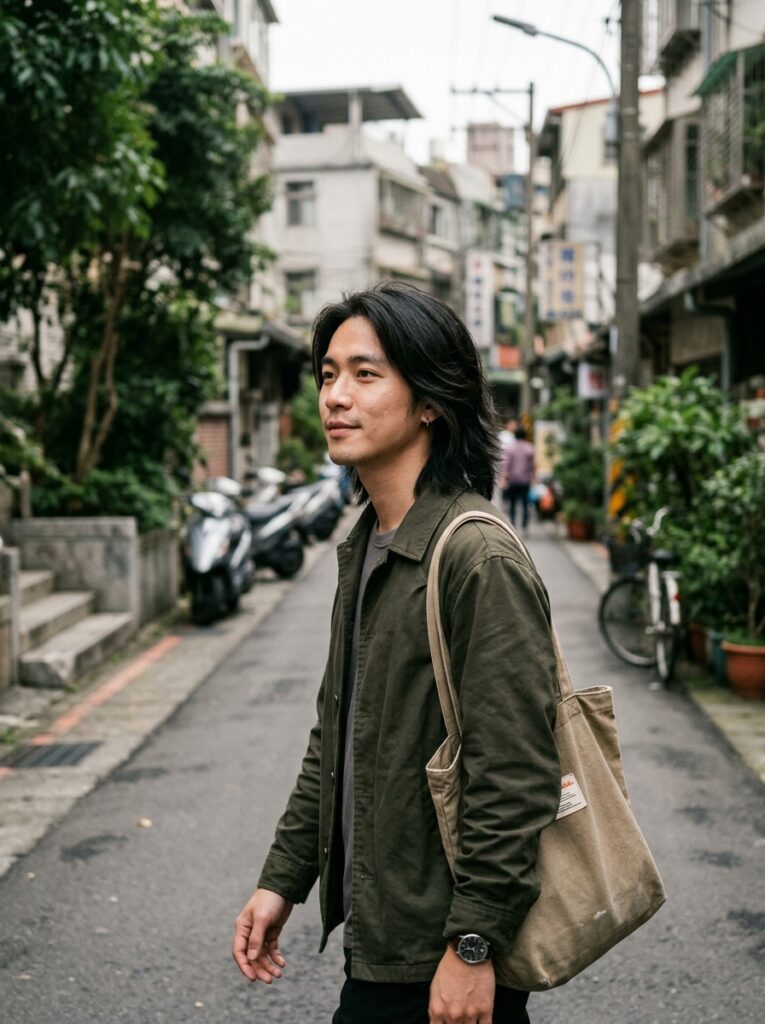
A natural flow style is the most honest approach to straight hair. It works with what the hair already does rather than directing it into a shape that needs maintaining. The hair is kept at a suitable medium length, shaped by the barber around the face and the natural growth direction, then left to fall after washing.
The cut has to be right for this to work. An unshaped medium length that simply grows looks undirected rather than natural. A properly shaped flow has enough internal structure to fall with intention even with no product at all. Regular conditioning supplies the shine and movement that well-kept straight hair has and neglected straight hair lacks. This is the option for men who want minimal daily effort while still looking groomed.
Ivy League Cut: The Classic That Works in Every Context
The Ivy League sits between short and medium. There is enough length on top for daily flexibility and none of the upkeep longer styles demand. On straight hair the top holds whichever direction it is combed into, since the texture does not drift as the day goes on.
Its real value is that one cut produces three finishes. Combed to the side with a little pomade, it reads as formal. Left with a light matte cream and finger-shaped, it reads as contemporary casual. Dried forward with nothing at all, it reads as relaxed. Nothing changes at the barber between those three, only the two minutes at the mirror. Ask for roughly two inches at the front graduating shorter toward the crown, with a taper through the sides. The conservative proportions also mean it grows out evenly, staying presentable for four to six weeks. That balance of range and low upkeep is why it ranks among the most enduring classic men’s haircuts, and why it suits men whose week spans several levels of formality.
Short Caesar Cut: Practical Precision for Men Who Want Nothing to Think About
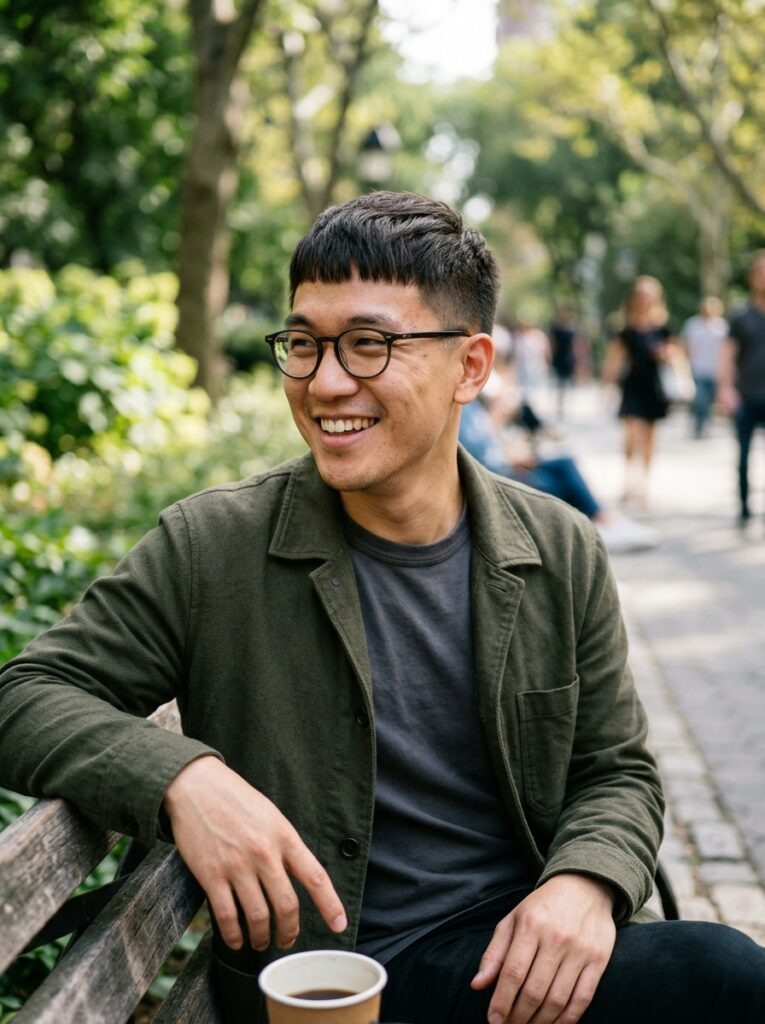
The short Caesar keeps one even length across the top with a clean fringe across the forehead. It is the most practically convenient short option here. No technique, no product and no mirror time are needed to keep it looking intentional. The fringe sits forward naturally on straight hair, and the even length stays neat for weeks after each visit.
Round and wider faces suit it particularly well. The horizontal fringe adds visual width at the forehead, which balances those proportions with no daily adjustment. For anyone who wants a consistently neat, professional look and zero morning commitment, this is the most reliable choice in the category. The only requirement is a trim every three to four weeks to keep the fringe line clean.
Styling Asian Straight Hair: The Product Principles Worth Knowing
Straight hair responds to product differently from wavy or textured hair. Understanding those differences prevents the most common daily mistakes.
Lightweight products beat heavy ones on fine straight hair. Heavy formulas weigh the hair down and remove the movement most styles are aiming for. A small amount of a light-hold product outperforms a large amount of the same thing. Volume is also harder to create and easier to destroy here, so applying product at the roots rather than through the lengths gives far more lift for far less product.
Drying method matters as much as the product itself. Air drying after a styling cream consistently produces more movement than rubbing the hair dry with a towel first. The habit worth building is simple: use less than seems necessary, then add more only if the result genuinely needs it. That single principle improves daily styling more than any specific product choice.