How to Match Your Beard to Your Haircut (Combos That Work)
Hair and Beard Styles for Men: Why They Are One Decision, Not Two
The best hair and beard combinations work as a package. They are not two decisions made on different days. In 2026, grooming means combining the cut and the beard into one deliberate look.
The right pairing sharpens the jawline and lifts the whole impression. Men who understand how the two interact simply look more put together.
One principle governs everything below. If the haircut is bold, keep the beard conservative. If the beard carries the weight, let the hair support it. Twelve combinations follow, plus the face-shape and maintenance rules behind them.
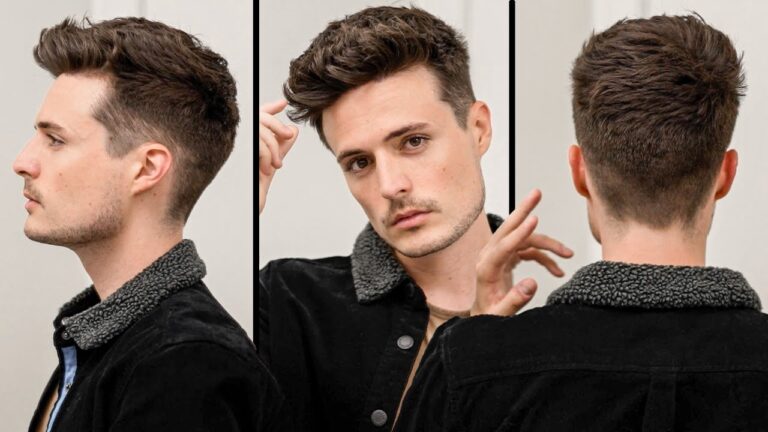
Textured Crop and Short Beard: The Dominant 2026 Combo
This is the most requested pairing at barbershops right now. The choppy crop creates movement on top. The short beard adds jaw definition below.
Neither element overwhelms the face, which is why it works so widely. It also merges two trends into one routine: minimal styling above, precise trimming below.
Rub matte clay through the crop. Run a trimmer over the beard every three to four days. Oval, square and diamond faces get the most reliable result, and the cut itself is covered fully in our guide to the textured crop.
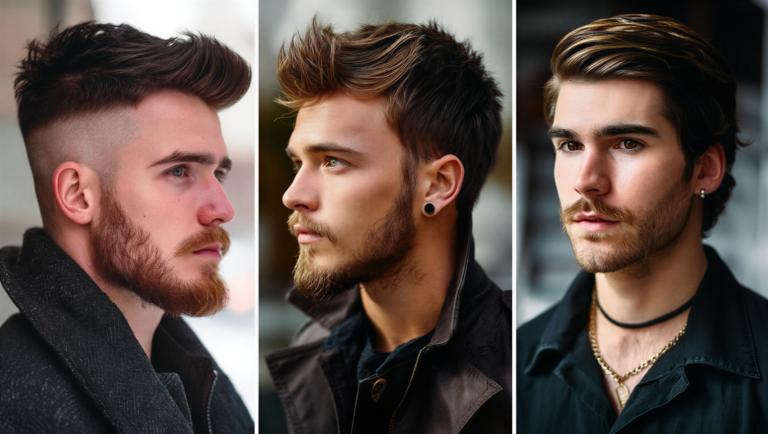
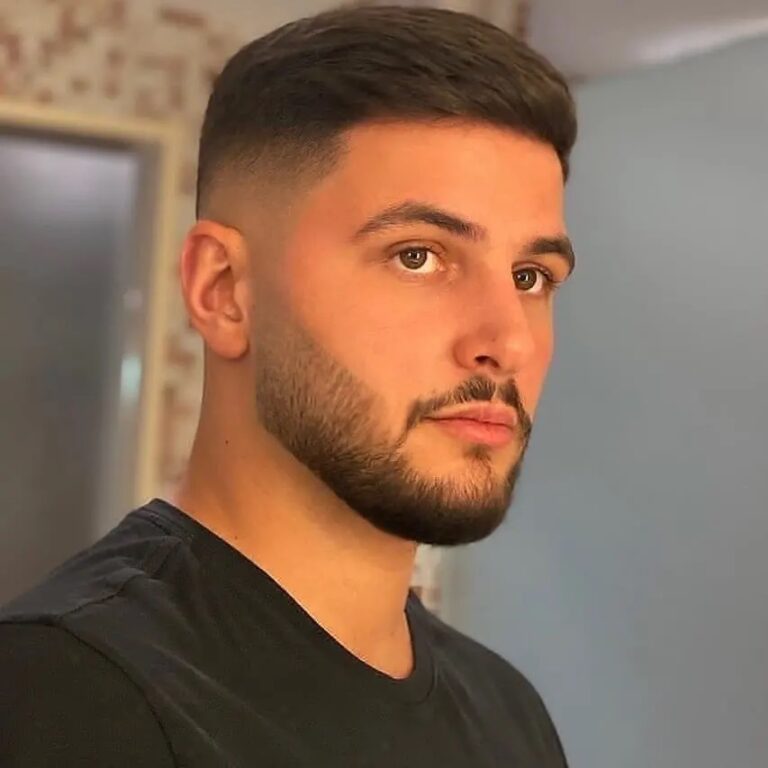
Low Fade and Short Boxed Beard: Clean and Executive-Ready

This is the cleanest professional pairing available. The low fade sharpens the sides. The boxed beard defines the jaw without adding bulk.
The transition is what makes it work. The fade blends into the beard’s neckline, so the two read as one deliberate design rather than a coincidence.
Line up the cheek edges every four to five days. Beard oil daily keeps it soft with a healthy sheen. Angular faces gain the most, and the fade options are compared in our guide to fade haircuts for men.
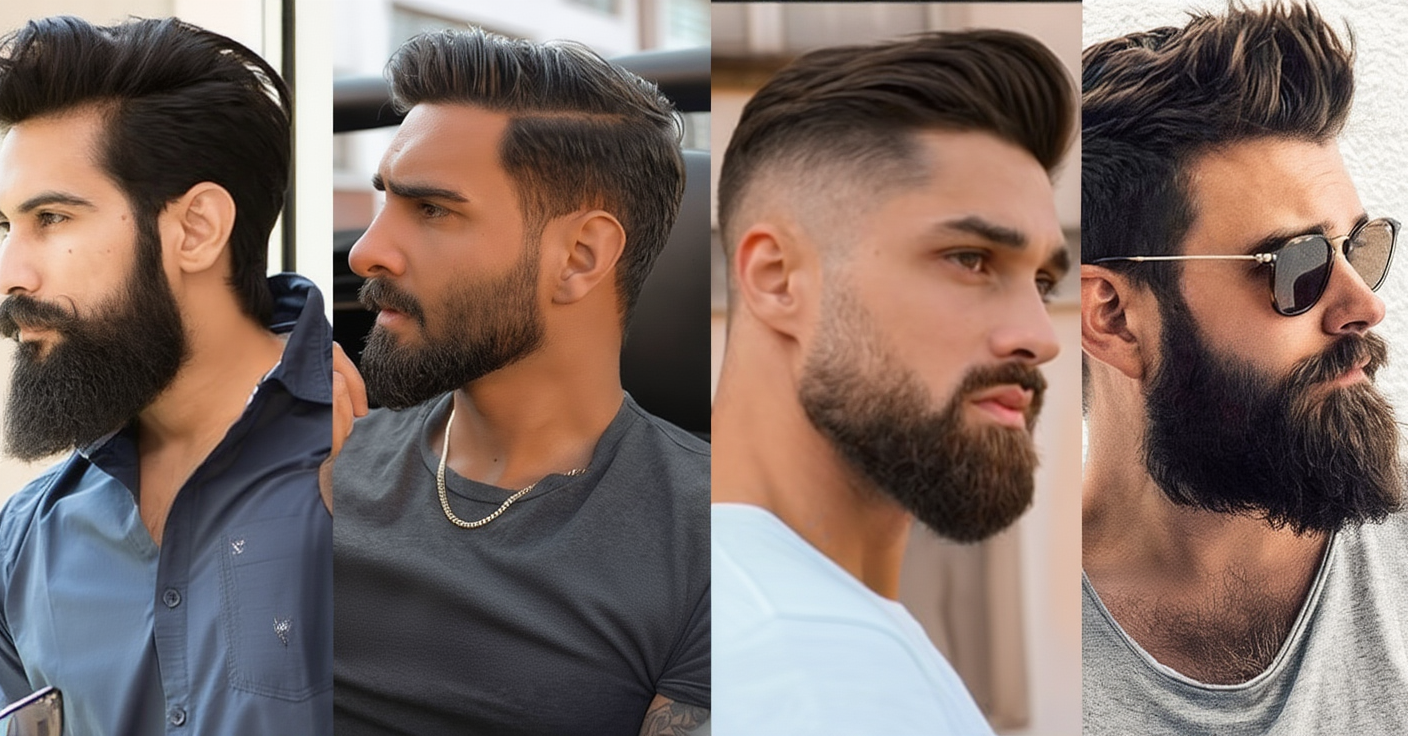
Slicked-Back Hair and Full Beard: Authority and Sophistication
Smooth controlled hair against a dense beard is one of the most commanding looks in grooming. The contrast is the whole point.
Apply oil-based pomade and comb straight back from the forehead. Shape the beard with balm and keep the cheek and necklines clean.
Oval and square faces suit it best. The result reads rugged and refined at once, which is a balance most men spend years chasing. The hair half is covered in our guide to slicked back hairstyles.
Buzz Cut and Heavy Stubble: Maximum Impact, Minimum Effort

This is the highest impact for the least daily effort. A clean buzz keeps the head polished. Five to seven days of stubble adds rugged character below.
Both elements are short and controlled, so the proportions balance themselves. No fine-tuning is required in the mornings.
Modern buzz cuts run slightly longer, around four to six millimetres, for a more textured result. Beard oil keeps the stubble soft and the skin underneath calm. The guard numbers are broken down in our buzz cut guide.
High Fade and Goatee: Sharp Angular Definition
The high fade elongates the face and creates dramatic contrast. The goatee adds a precise chin focal point without bulk around the cheeks.
Rounder or softer face shapes gain the most from this structure. It also suits men with patchy cheek growth who still want a beard style that reads as deliberate.
Keep the goatee lines crisp with a precision trimmer weekly. Beard oil handles softness. Be aware the high fade needs a barber visit every two to three weeks to stay sharp.
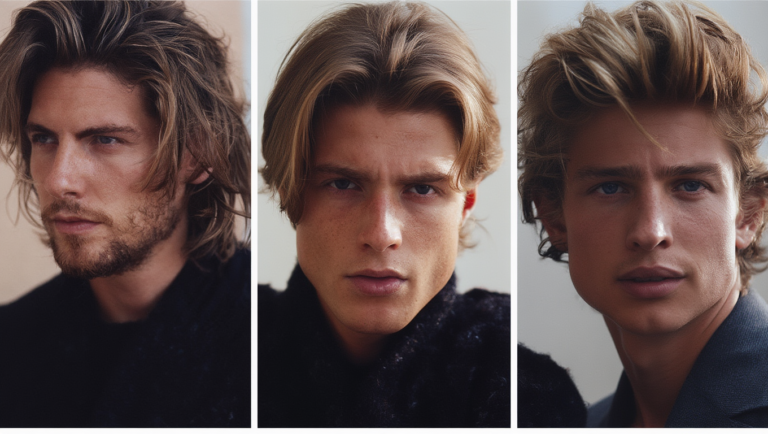
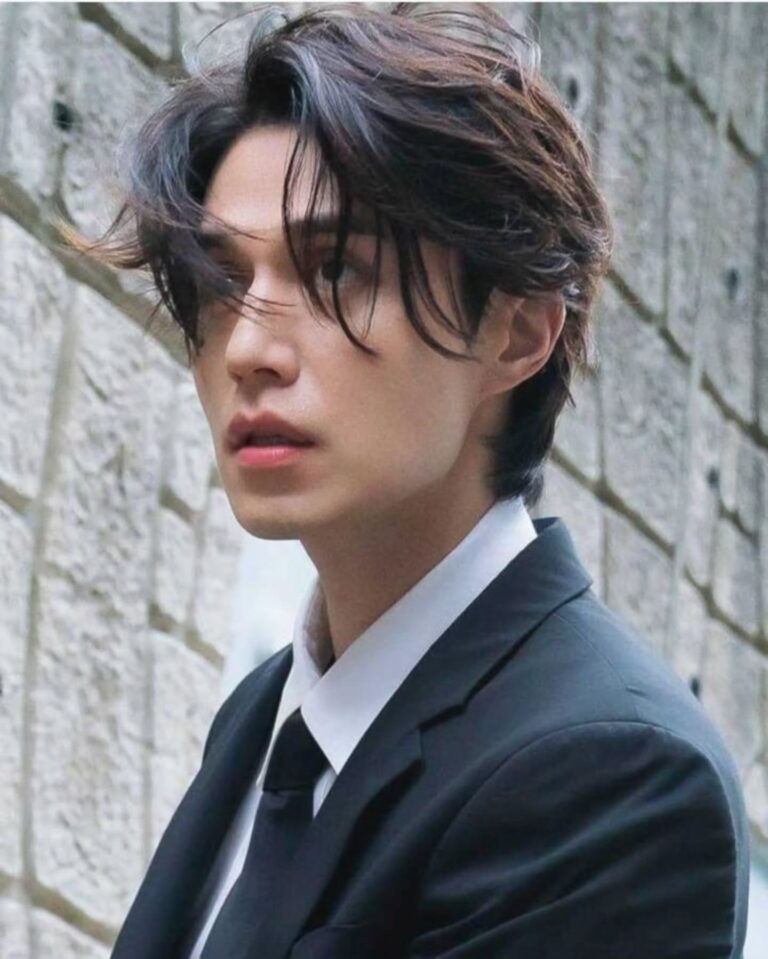
Curtain Fringe and Designer Stubble: Effortless Modern Style

This is one of the lowest-maintenance options here. The centre-parted fringe frames the face with soft symmetry. The stubble stops the look tipping into soft or undecided.
Oval and heart-shaped faces suit it particularly well, since both elements create natural balance.
Apply a light styling cream to damp hair and blow-dry the fringe into a rounded finish. Keep the stubble at two to three millimetres, which is the most flattering length for most men.
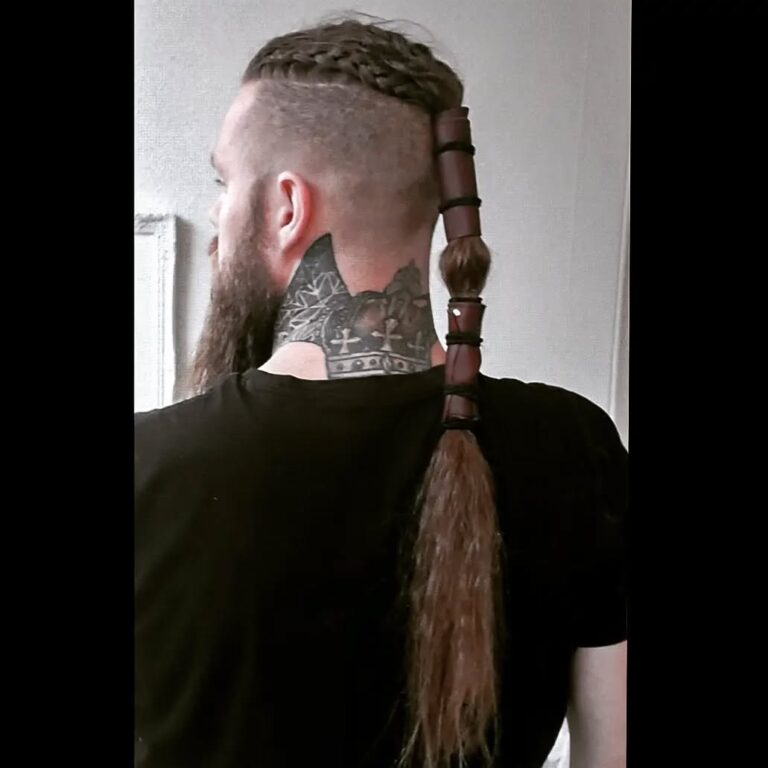
Long Hair and Full Viking Beard: Bold and Expressive
This pairing is having a genuine revival as men lean into more expressive grooming. Flowing layers with a full shaped beard radiate strength and individuality.
Contrast is what keeps it from failing. The hair needs defined shaping and the beard needs clean lines. Without both, the face disappears under texture from every angle.
Use beard balm for control and sea salt spray for movement in the hair. Trim both every six to eight weeks. Overgrown reads as neglected rather than bold.
Man Bun and Boxed Beard: Polished Structure with Masculine Edge

A tidy bun pulls hair off the face and pushes attention to the features. The boxed beard then delivers crisp edges and a squared jawline underneath.
It is polished enough for professional settings and still carries a strong masculine edge socially. Straight and wavy hair with moderate volume suits it best.
Use leave-in conditioner to keep the top smooth and beard oil for the beard. Vary where you tie the bun day to day, since fixing it in one spot pulls on the same follicles repeatedly.
Taper Fade and Corporate Beard: Professional Power Pairing
This is the most universally safe combination for formal environments. The taper fade blends into virtually any beard without awkward transitions at the sides.
A corporate beard means short, well-trimmed and clean-lined. It complements the taper’s precision with quiet authority.
Trim the beard weekly and refresh the taper every two to three weeks. Use a styling cream for a controlled natural finish. The technique is explained in our low taper fade guide.
Side Part and Stubble: Classic Elegance with Modern Edge

A clean side part signals structure. Three to five days of stubble adds just enough edge to stop it feeling rigid or overly formal.
Apply a light pomade or styling cream and use a fine comb for the parting. Keep the stubble at a consistent length rather than letting it drift.
Oval, square and oblong faces all suit it. Experienced dressers keep returning to this one because it never looks wrong anywhere.
Quiff and Medium Beard: Volume Above, Structure Below
The quiff adds height and upward energy. The medium beard adds weight below. The face sits framed between two strong elements.
Blow-dry upward for maximum lift and use a medium-hold pomade for all-day structure. Shape the beard with balm and keep the cheek and necklines crisp.
Oval, rectangle and longer faces suit it best, since the beard’s width balances the quiff’s height. Round faces should go lighter on the beard.
Textured Crop and Beard Fade: Seamless and Cohesive
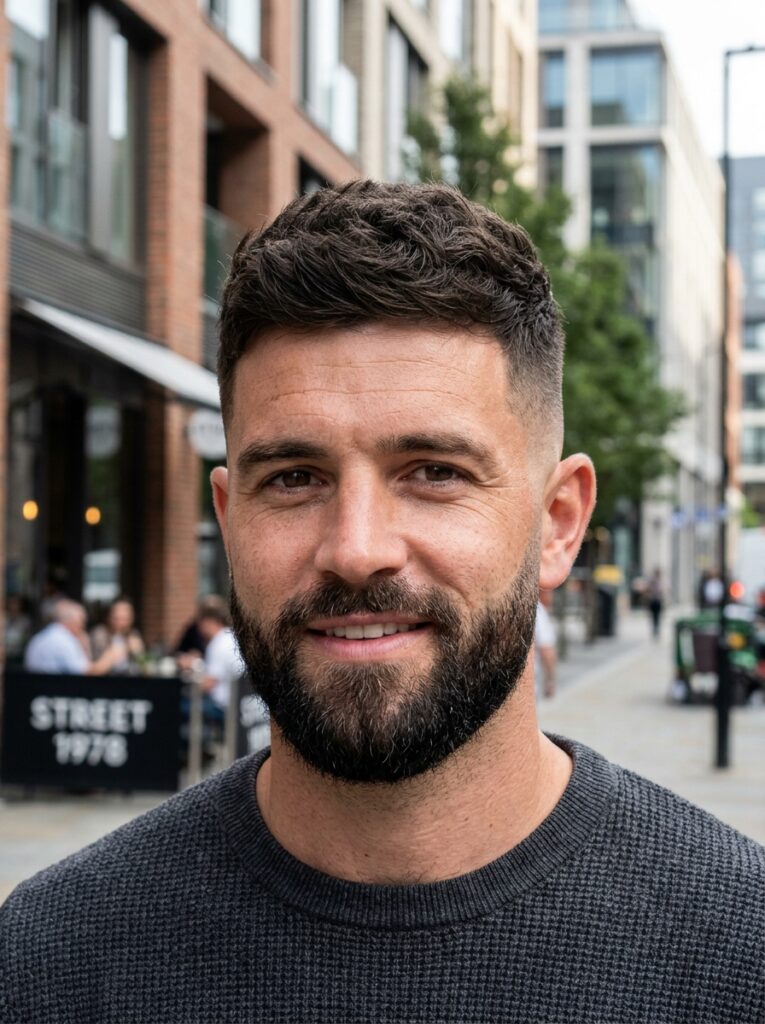
This is the most technically impressive pairing here. The beard fade creates a gradual transition from the haircut’s faded sides straight into the beard’s density.
The result reads as one unified design rather than two separate elements. That connection is what separates a beard fade from a standard boxed beard.
Maintain the transition with a precision trimmer and use beard oil for hydration. It suits most face shapes, but it does require a barber who is genuinely good at both hair and beard work.
How Face Shape Should Guide Your Hair and Beard Choice
Face shape is the single biggest factor in choosing a pairing. Four rules cover almost everyone.
Round faces need vertical height. High fades, quiffs and angular beard shapes all elongate. Square faces need softening, so textured crops, rounded beards and low tapers work better.
Oval faces suit almost everything without modification. Long or rectangular faces need width instead of height, which means shorter wider beard shapes and medium-length hair.
How to Maintain Hair and Beard Together Between Appointments
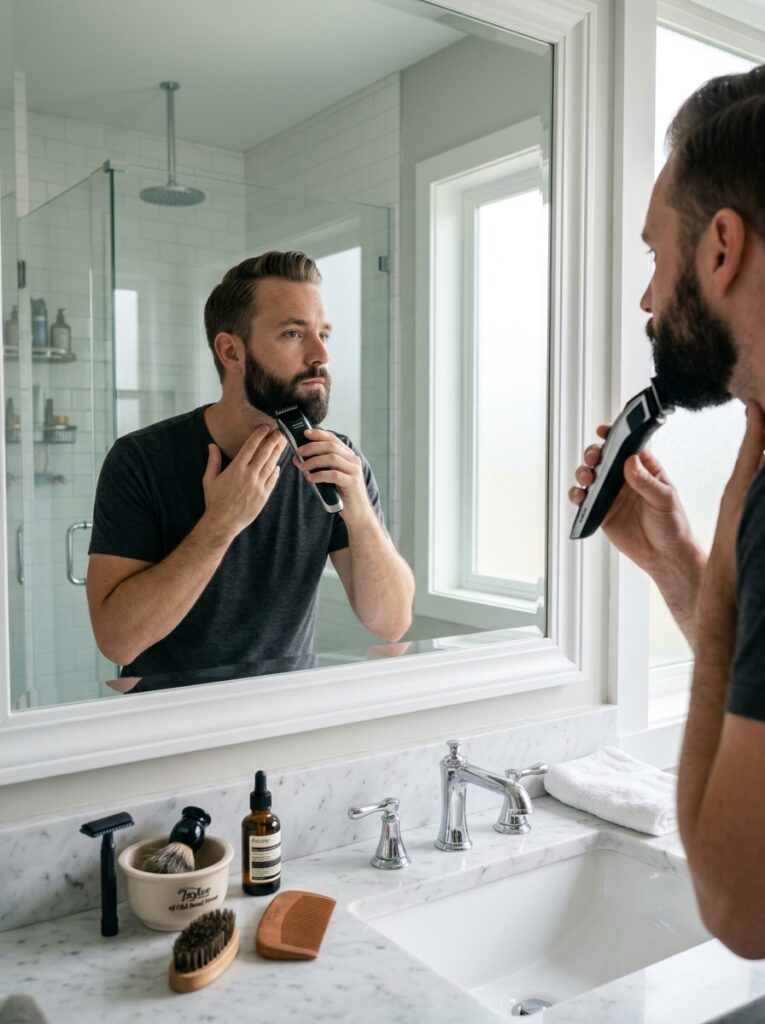
The beard needs more frequent attention than the hair, because it grows visibly faster. Stubble needs trimming several times a week. Short beards need line work every one to two weeks.
Technique matters more than most men realise, particularly during the stubble phase. Guidance from the American Academy of Dermatology on common beard problems is specific here. Trim or shave at the end of a shower, when the hairs are soft and less likely to curl back into the skin. Work in the direction the hair grows. Do not pull the skin taut or press down.
Rinse with lukewarm water afterwards, since leftover cream irritates skin. Pat dry and leave the skin slightly damp, then moisturise. That sequence is what prevents the ingrown hairs and razor bumps that make the stubble phase miserable.
Beyond that, apply beard oil daily and wash with a dedicated beard shampoo rather than hair shampoo. A quality precision trimmer is the one tool worth spending real money on.
The Right Products for Hair and Beard Together
Matching product to style makes a visible difference by the afternoon. Two choices cover the hair side.
Matte clay suits textured crops and casual styles where a natural finish is the goal. Pomade suits side parts, slick backs and quiffs that need structured hold. Apply either to damp hair for even distribution.
On the beard side, oil is the essential daily product at any length. Balm adds shaping control for medium and longer beards. Beard shampoo every two or three washes keeps it clean without stripping the natural oils.
Why Treating Hair and Beard as One Decision Changes Everything
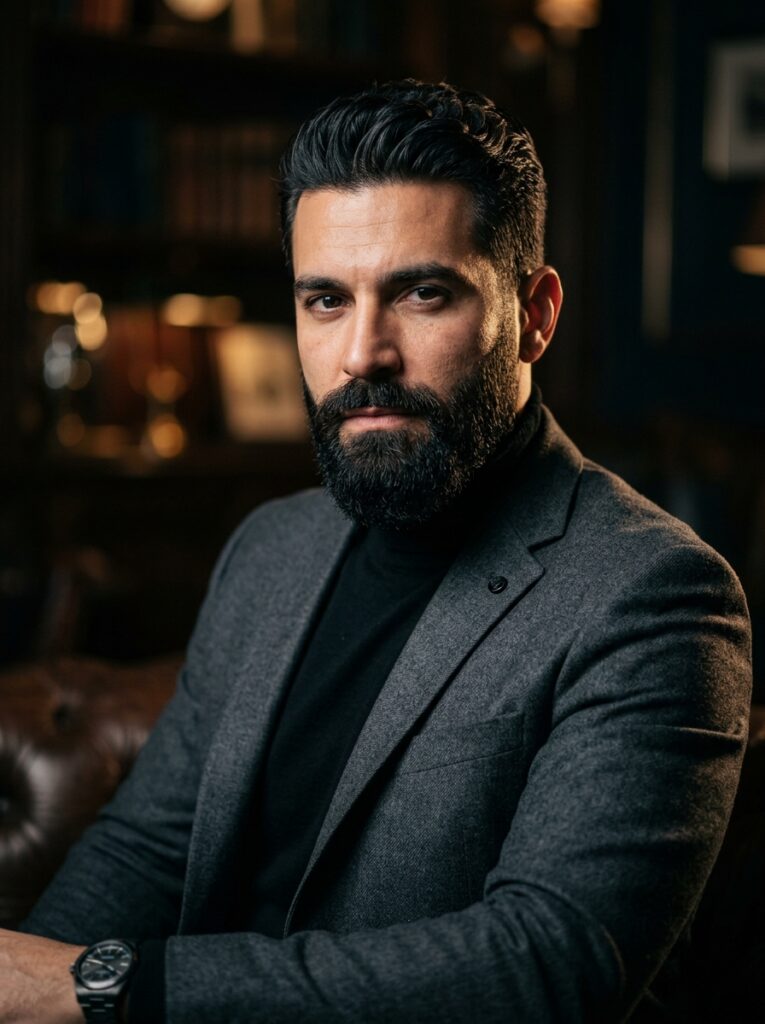
A good haircut alone is strong. A good beard alone gets noticed. Together they create something neither manages on its own.
The best-groomed men treat it as one visual system. Everything from the hairline to the neckline works as a single design.
The right combination can visually reshape the face and add real confidence. Treating the two as one decision is the highest-return grooming change most men can make.
Hair and Beard Combinations: Common Questions
How long should I grow a beard before shaping it?
Give it four to six weeks before the first proper shape-up. Trimming too early removes length you will want for the final outline. Patchy areas often fill in during weeks three and four.
Where should the beard neckline sit?
Roughly two fingers above the Adam’s apple, curving up toward the ears. Higher than that shortens the face. Lower than that reads as unkempt rather than full.
Can a patchy beard still work with these combinations?
Yes, with the right choice. Goatees and stubble suit limited cheek growth well. Full beards and Viking styles need density and will look uneven without it.
Should the beard be the same length as the hair?
No. Contrast is what makes these pairings work. Matching lengths flattens the whole look. Let one element carry the weight and keep the other supporting it.