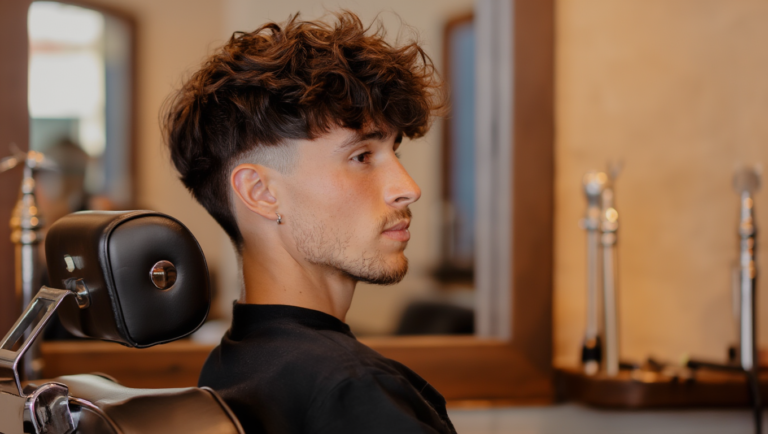

The Textured Crop: Why Barbers Recommend It for Almost Everyone
What Is a Textured Crop Haircut and Why Men Love It
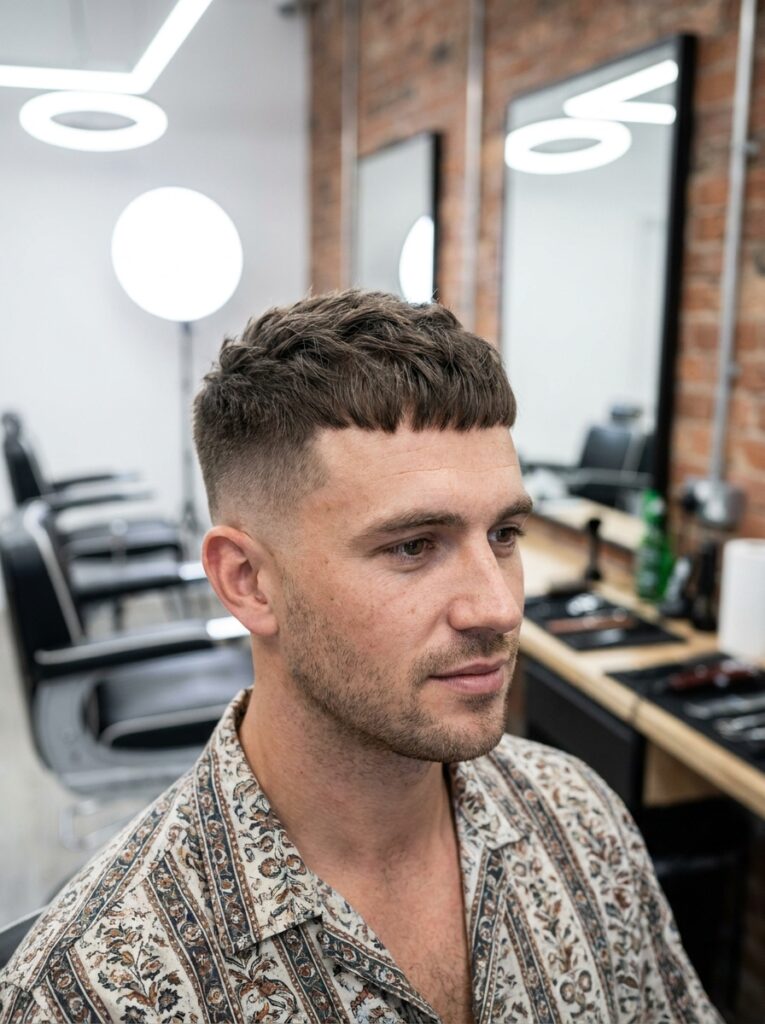
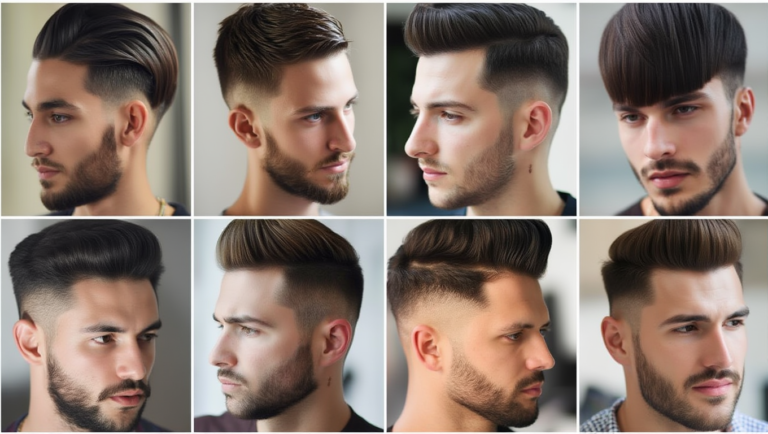
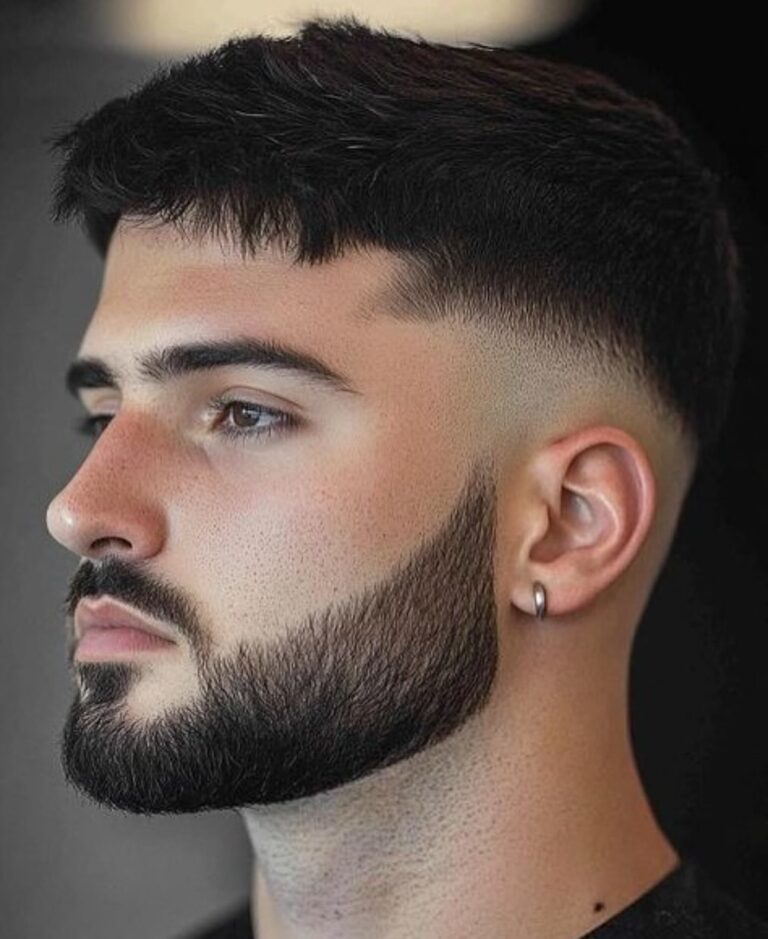
The textured crop is a short, forward-directed cut built on choppy layers. A natural fringe sits across the front without needing daily work. The sides stay short through a taper or fade.
Movement is what separates it from other short cuts. The 2026 version leans on matte finishes and natural flow. Stiff, product-heavy styling has gone, and it looked forced even when it was popular.
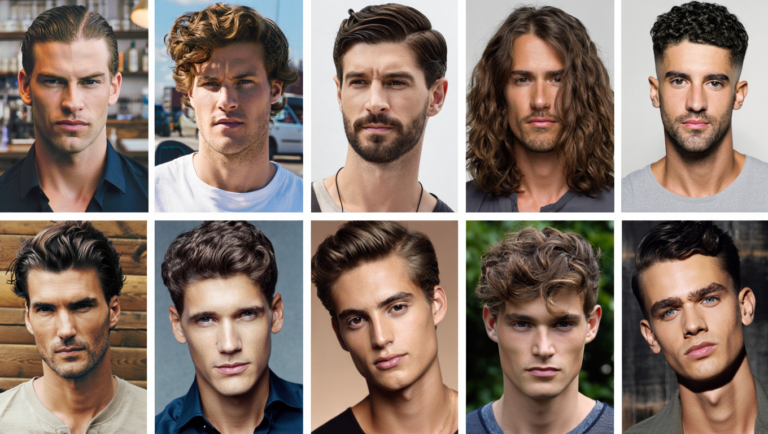
Straight and wavy hair suit it best, though curly types work with the right technique. Oval, round and square faces all get reliable results. That range is why barbershops take requests for it every single day.
Textured Crop with Low Taper Fade – Clean and Versatile
This is the most requested variation of the lot. The fade starts just above the ear and blends upward gradually. The sides stay clean without the harsh contrast that reads as aggressive in an office.
The top carries choppy, piece-y layers that move naturally. A small amount of matte clay worked into dry hair gives separation and lift. No visible residue is left behind.
It reads well at work, looks sharp at the weekend, and needs no restyling once set. The technique behind it is explained fully in our guide to the low taper fade.
Textured Crop with Skin Fade – High Contrast Modern Look
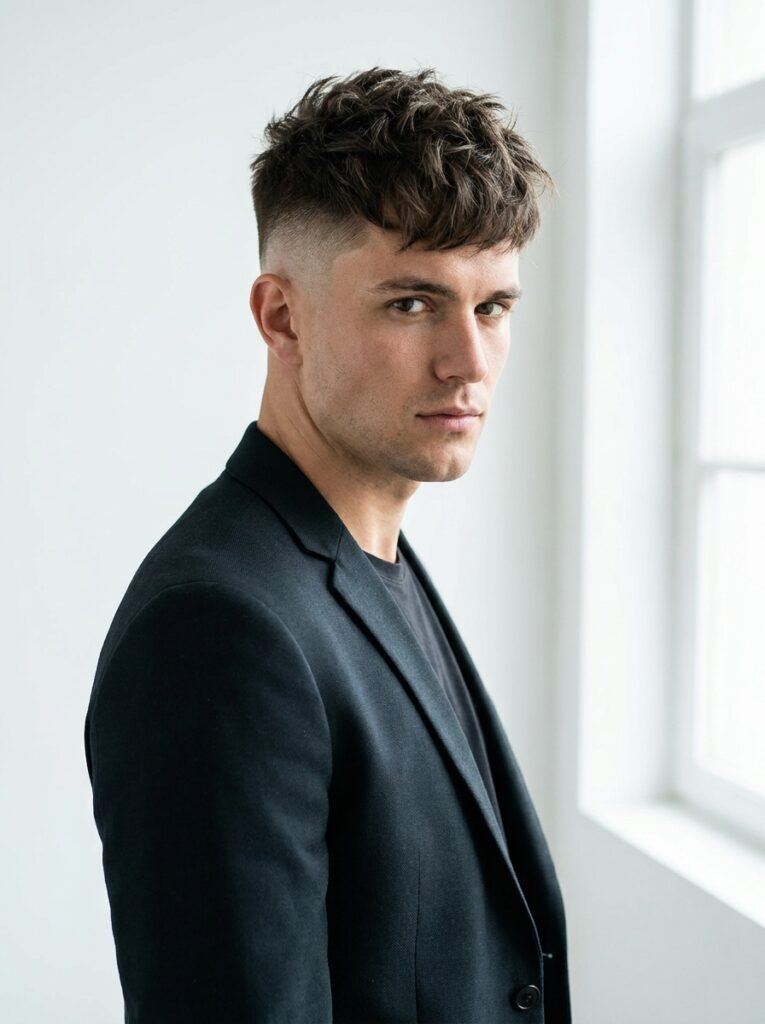
The skin fade pushes the contrast to its sharpest point. The fade drops all the way to the scalp. The textured layers on top then appear far more prominent against it.
Barbers now cut more natural movement into the top rather than leaving it blunt. The result looks intentional even with minimal product.
Thick hair benefits most here. The natural weight on top holds the choppy texture through a full active day. Fine hair can look sparse against sides cut this short.
French Crop vs Textured Crop – Understanding the Difference
These two are close relatives and the names get swapped constantly. They are genuinely different, and the difference is worth knowing before you sit in the chair.
The French crop has a short horizontal fringe sitting forward across the forehead. That fringe is the whole point of the cut. It reads sharper and more structured.
The textured crop is more flexible. The fringe can go forward, sweep to the side, or lift slightly depending on the day. If you want one answer, the textured crop gives you more daily options.
Textured Crop for Thick Hair – Taming Volume with Style
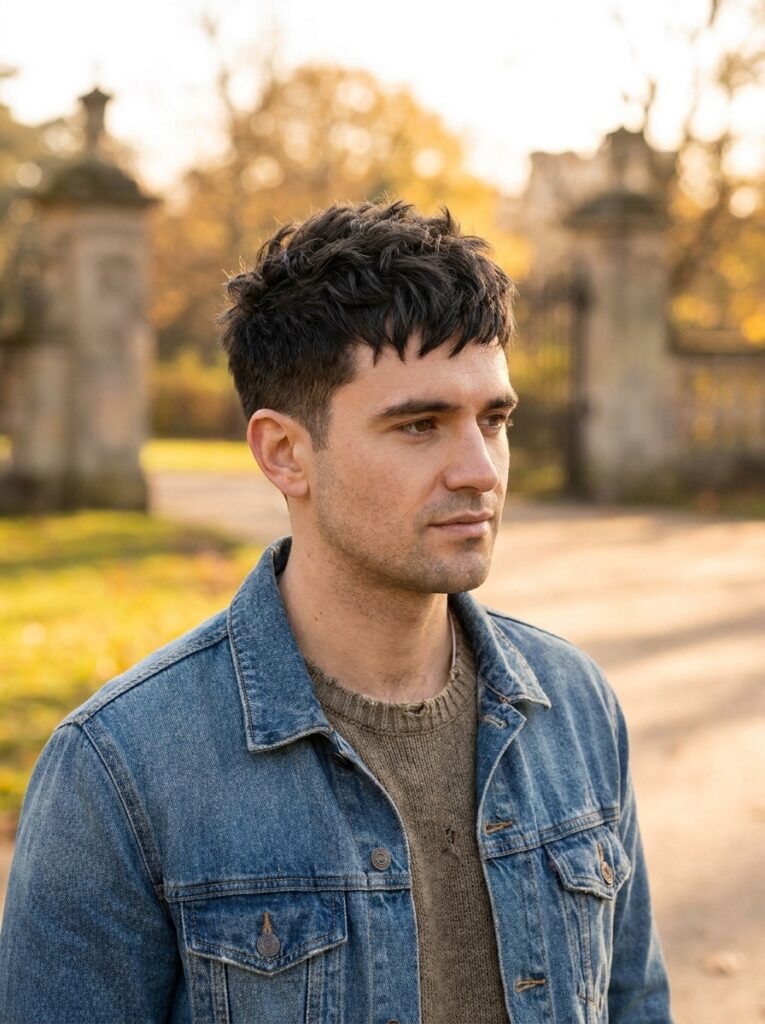
Thick hair rarely sits well in a short cut. It either puffs outward or lies dense and flat. The textured crop solves that directly.
The barber removes weight deliberately across the top. Choppy layers let thick hair settle instead of fighting its own bulk. The finish is controlled and piece-y rather than heavy.
Texture powder at the roots gives instant lift with no weight. Skip pomades and heavy waxes, which drag thick hair down. More options are covered in our guide to hairstyles for men with thick hair.
Textured Crop for Fine Hair – Adding Body and Dimension
Fine hair and the textured crop are a strong pairing. The choppy layering adds body that fine hair rarely gets from other short styles.
The barber removes weight strategically across the top. That creates the appearance of density, so the hair looks fuller than it is.
Use a volumising mousse or light texture spray on damp hair before blow-drying. It lifts the roots and builds a base the choppy finish can hold onto. Avoid anything with shine, since gloss makes thin areas more visible. Our guide to haircuts for thin hair goes deeper on this.
Best Products for Styling a Textured Crop Haircut Daily
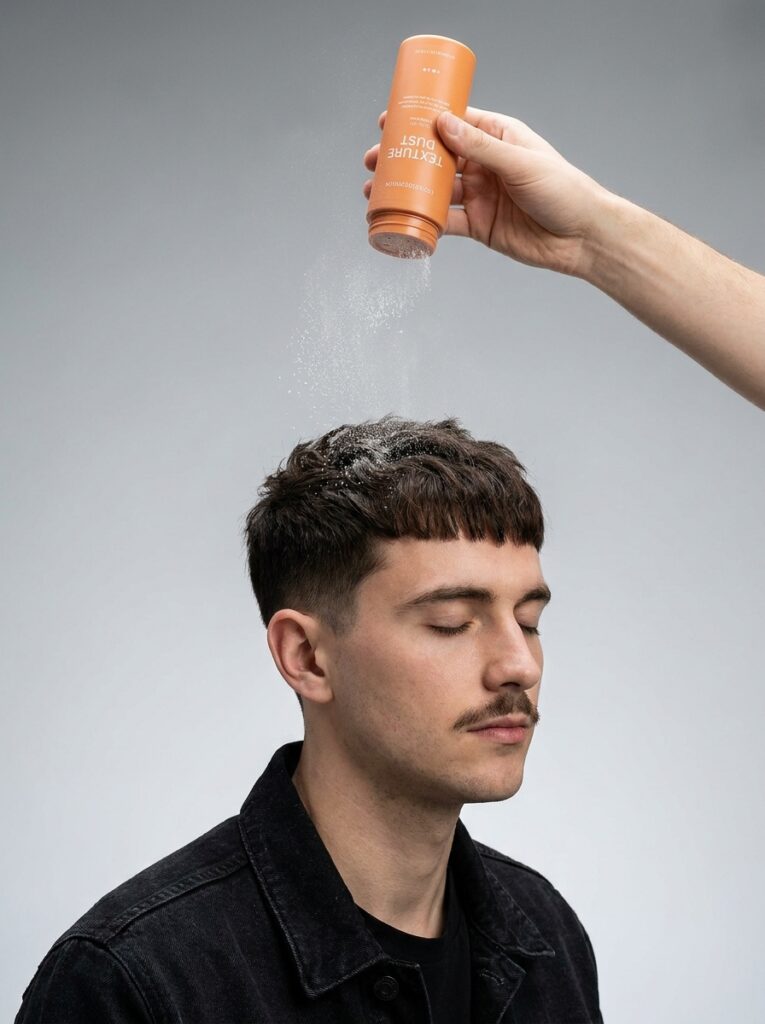
Product choice decides whether the style holds all day or collapses by lunch. Three options cover almost every version of this cut.
Matte clay is the barber default. It holds strongly and never reads as greasy. Texture powder dusted into dry roots builds lift and gritty separation with no visible residue. Sea salt spray on damp hair brings out natural wave in the fringe.
Use one product, not three layered together. The result is cleaner and easier to manage every morning.
Washing frequency matters as much as product. The American Academy of Dermatology advises washing based on how quickly your scalp gets oily rather than on a fixed schedule. Straight hair with an oily scalp may need daily washing. Coarse or curly hair usually needs far less.
Textured Crop for Wavy Hair – Natural Movement at Its Best
Wavy hair and this cut work together unusually well. The wave pattern enhances the choppy layers instead of fighting them.
The result is a lived-in quality that straight hair can only fake with product. Scrunch a sea salt spray or curl cream into damp hair and let it air-dry.
Ask for slightly more length on top than a straight-haired client would take. The wave needs room to move through the layers. This version also grows out well, since the wave stays flattering as the cut softens.
Textured Crop for Curly Hair – Defined Coils with Clean Sides
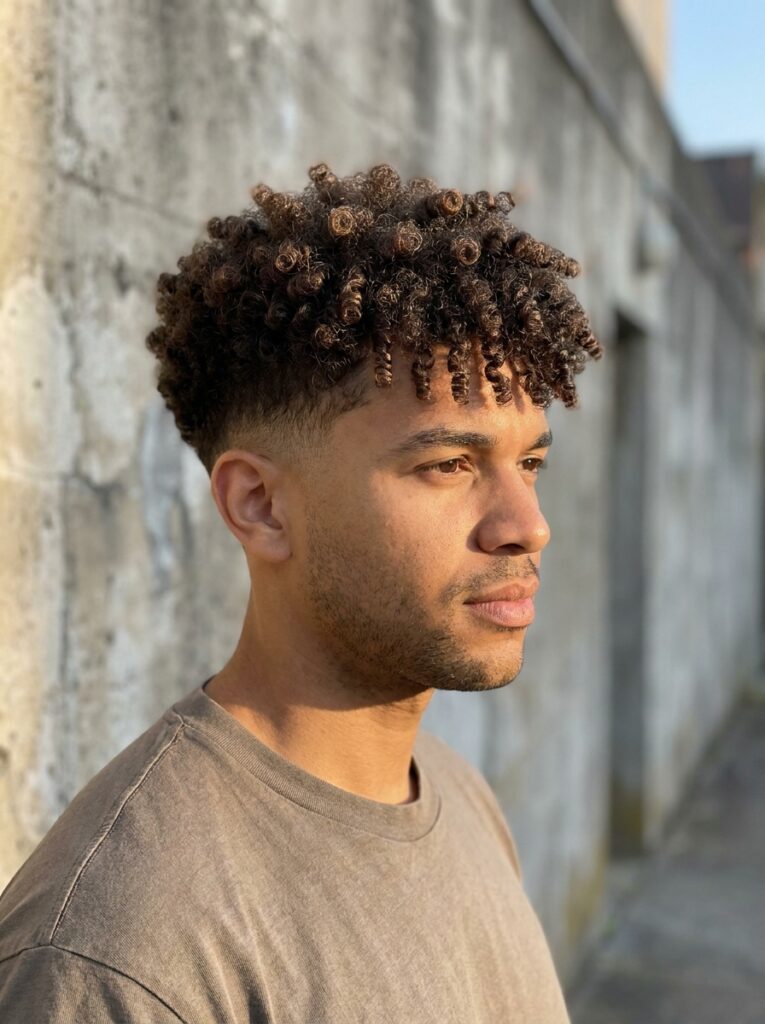
Curly hair in a textured crop is one of the most striking short styles available. The curls interact with the choppy layering to create real depth.
The barber shapes the top into a rounded silhouette. Faded or tapered sides then give the contrast that makes the curls read clearly.
Curl cream or a moisturising paste defines each coil and controls frizz. Ask for a dry cut so the barber can see where the curls actually sit. Full options by curl pattern are in our guide to curly hairstyles for men.
How to Ask Your Barber for a Textured Crop Haircut
Knowing what to say before you sit down improves the result considerably. Four details cover it.
Ask for a textured crop with choppy layers on top and a forward fringe. Name the fade you want: low, mid or skin. Say you want natural separation rather than a blunt finish, so the barber knows you are after movement.
Bring two or three reference photos. They remove any remaining ambiguity faster than words do. Also say how long you actually spend styling in the morning, so the cut matches your real routine rather than an imagined one.
Textured Crop with Hard Part – Sharp Definition Added
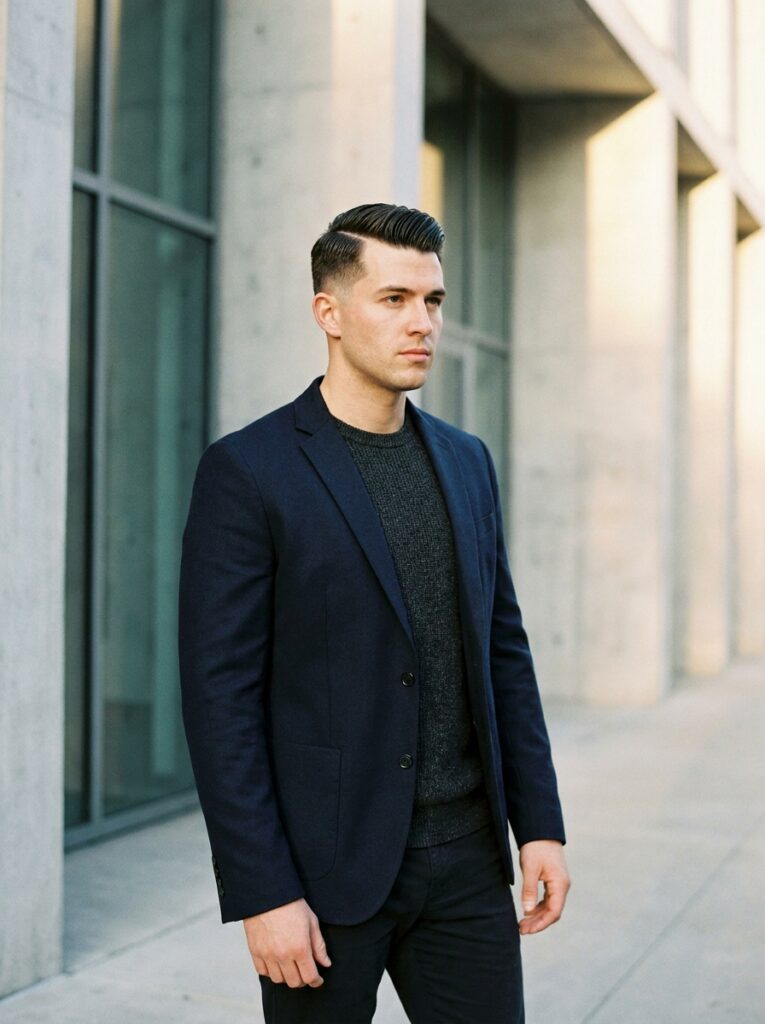
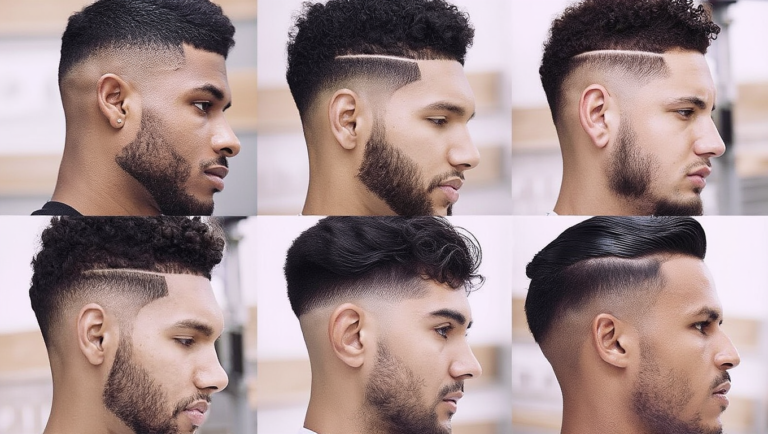
A razor-cut hard part adds deliberate structure to an already clean cut. It is a shaved line running from the front hairline toward the crown.
The line divides the top from the faded side and introduces a strong geometric detail. It signals careful grooming without making the style feel formal.
A little pomade swept across from the part adds subtle shine for professional settings. Be aware it needs upkeep, since a hard part blurs within about two weeks.
Textured Crop with Line-Up – Crisp Edges and Clean Finish
A line-up turns a standard crop into something noticeably more refined. The barber defines the hairline across the forehead and temples into a precise border.
The contrast is the appeal: soft movement above, sharp precision at the edges. Rounder faces gain the most, since the straight horizontal edge introduces structure.
One caution worth knowing. Repeated aggressive line-ups over years can push the hairline back visually. Ask your barber to follow your natural line rather than raising it.
Textured Crop for Receding Hairline – Style Without Compromise
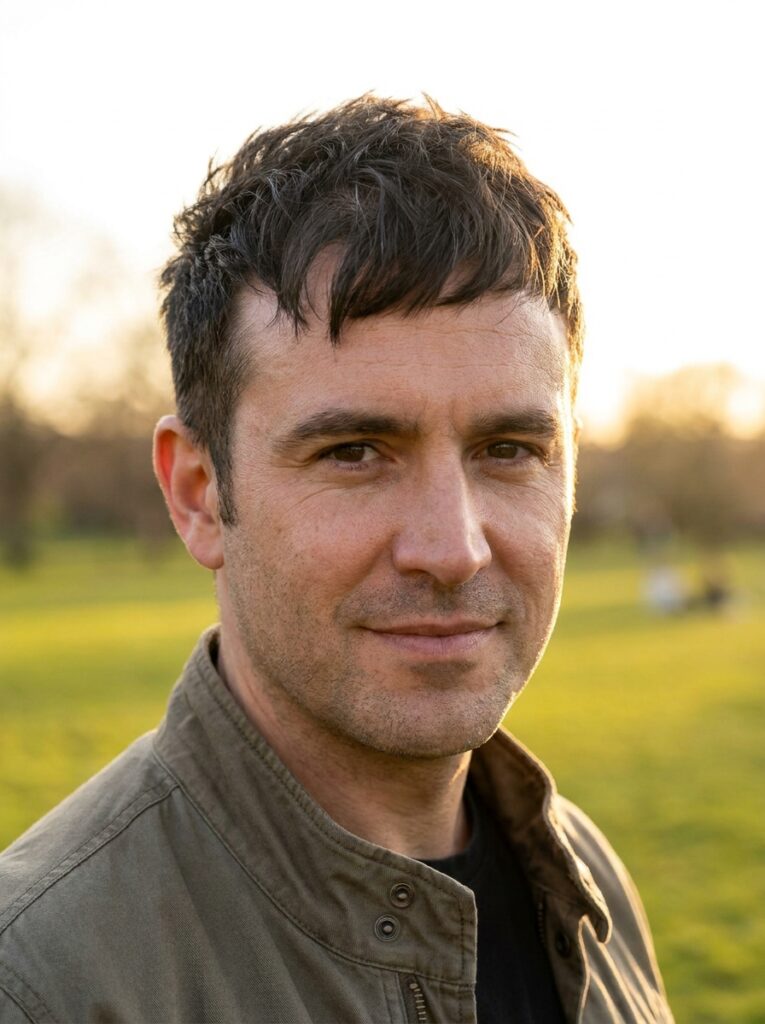
Men with a receding hairline often avoid short cuts entirely. The textured crop is one of the genuinely better answers rather than a polite suggestion.
The forward fringe covers the front hairline naturally. It does not look like an attempt to hide anything, which is the failure mode of most cover-up cuts.
Choppy layers add visual density across the top. Short sides remove the unflattering comparison between thinner and thicker areas. Barbers routinely recommend the French crop fringe variation for early recession.
Textured Crop Maintenance Schedule to Stay Sharp Year-Round
How often you go back depends on the fade height and the length on top. Hair grows roughly half an inch a month, which is what sets these intervals.
Skin and mid fades need a fresh visit every two to three weeks. Low taper versions stretch comfortably to three or four. Longer crops with more top length can reach five or six weeks.
Between visits, wash with a lightweight shampoo and use a small amount of product. That keeps the texture visible as the cut softens.
Textured Crop vs Crew Cut – Which Style Is Right for You
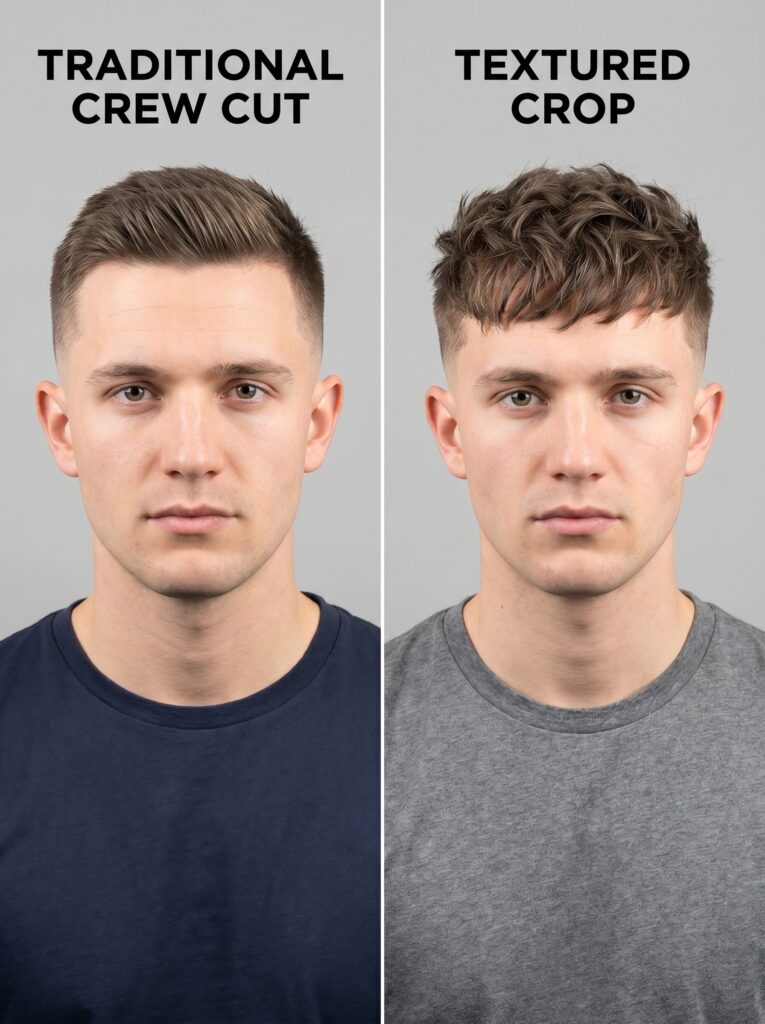
These are the two most popular short cuts of 2026 and they come up in the same conversation constantly. The difference is simple.
The crew cut keeps the top fairly even and styles upward or back. It reads traditional and conservative. The textured crop uses choppy layering and a forward fringe for visible movement.
Strictly formal workplaces suit the crew cut. Anyone wanting daily versatility leans toward the crop. Both are good cuts, and the choice depends on your environment. Our guide to classic men’s haircuts covers the crew cut in detail.
How the Textured Crop Haircut Suits Every Face Shape
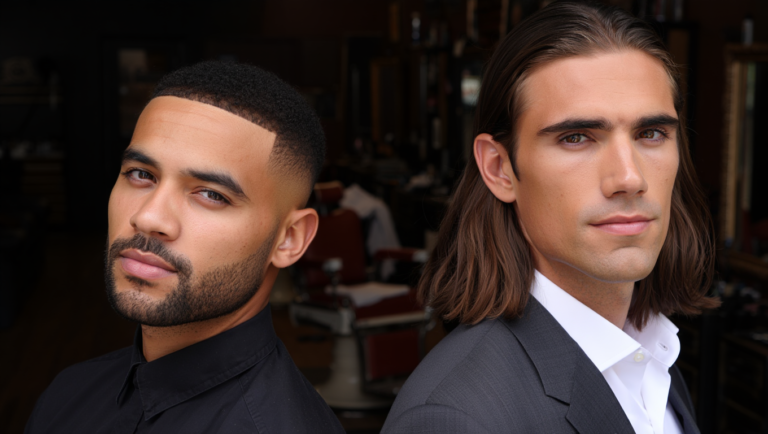
The strongest practical argument for this cut is its range. It flatters most face shapes without changing its basic structure.
Oval faces suit almost every variation, especially with more volume at the crown. Square faces are balanced by the softer forward fringe, which eases the emphasis on an angular jaw.
Round faces gain definition from a slightly lifted version that adds height. Heart-shaped and oblong faces do better with a shorter fringe, which reduces vertical length. That coverage is why barbers suggest it to almost every undecided client.
Textured Crop Haircut: Common Questions
How long does hair need to be for a textured crop?
Around three to five centimetres on top is enough. Shorter than that and there is no length for the layering to work with. The fringe needs to reach the forehead to sit forward properly.
Can I style a textured crop with no product at all?
Yes, and that is the point of the cut. The texture lives in the layering, not the product. Product sharpens the definition on days when you want it.
Does a textured crop work for older men?
It works well, particularly with a low fade rather than a skin fade. Keep the fringe softer and shorter. High contrast can read as trying too hard past a certain age.
Why does my crop go flat by the afternoon?
Usually too much product, or the wrong kind. Heavy wax and pomade weigh the layers down. Switch to matte clay or texture powder and use half what you currently do.