Small Bedroom Decor Ideas That Look Expensive In 2026
A small bedroom is not a design handicap. The bedrooms that read as genuinely expensive are rarely the biggest ones in the house — they are the most deliberate ones. Restraint, proportion, and a handful of well-chosen materials do more work than square footage ever will.
This guide walks through the moves that consistently make a small bedroom look considered rather than crowded, from lighting and color down to the small hardware swaps most people skip entirely. Many of the same ideas show up in minimalist home decor more broadly — less clutter, more intention — but a bedroom has its own quirks, since it is the one room built almost entirely around a single oversized piece of furniture.
Choose a Neutral Palette That Still Feels Layered
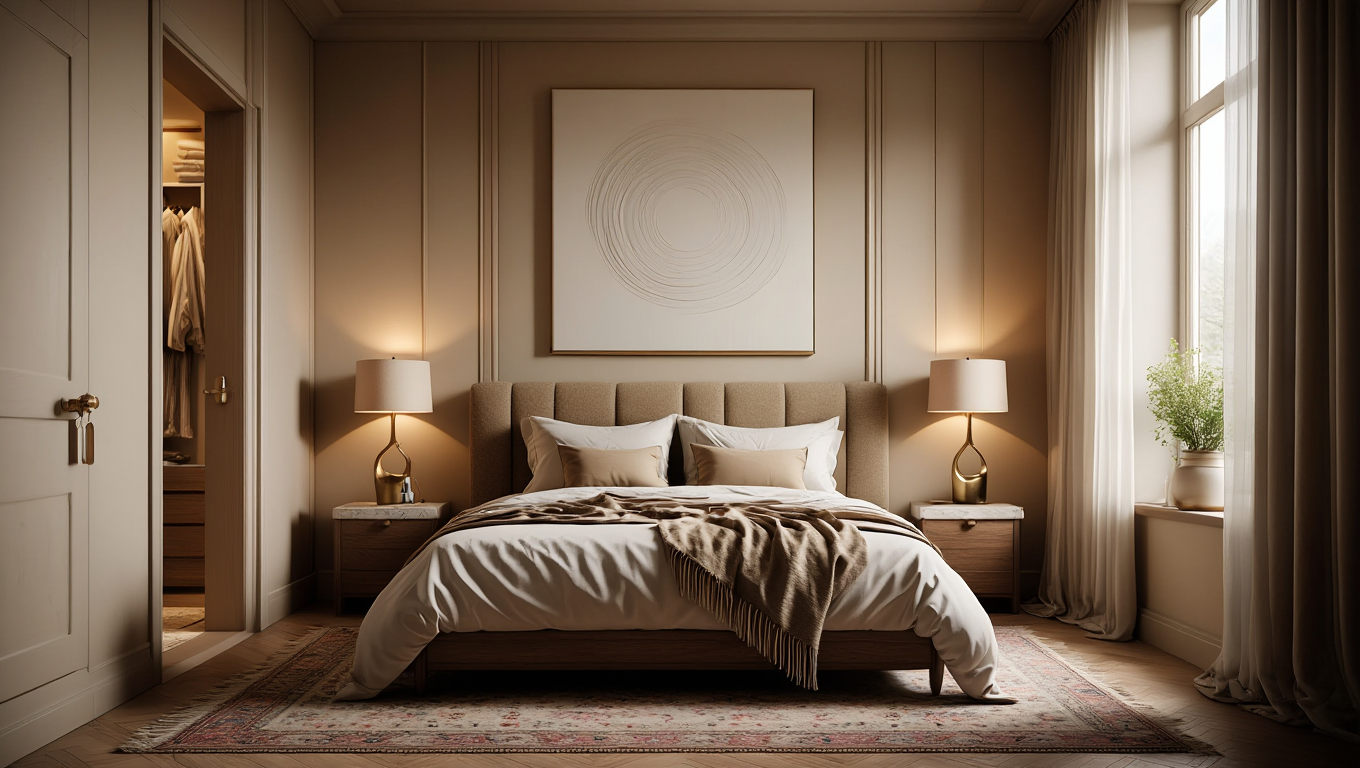
Color decides whether a small bedroom feels calm or chaotic before anything else gets styled. Warm neutrals — soft taupe, mocha, sandy beige, warm grey — read as considerably more expensive in 2026 than stark cool white, which tends to feel clinical once a room gets small.
The trick is restraint. Pick three tones at most and let texture carry the rest of the variation. A palette built on fabric, wood grain, and finish rather than competing colors will almost always read as intentional, while a room with four or five unrelated shades tends to read as unfinished no matter how nice each individual piece is on its own.
Layer Your Lighting Instead of Relying on One Overhead Bulb
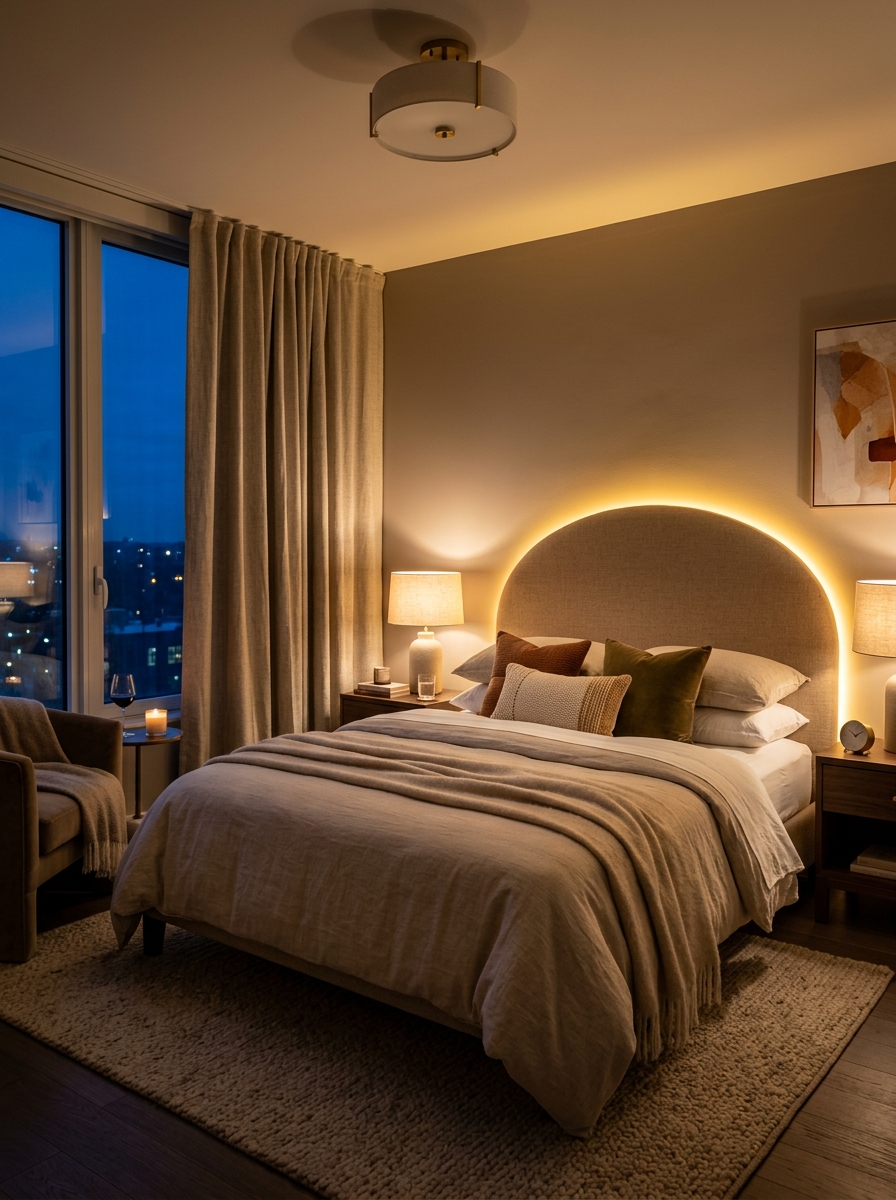
A single ceiling fixture is the fastest way to flatten a bedroom, however good the rest of the styling is. Overhead light throws hard shadows and reads as purely functional, which works against nearly every other decision made in the room.
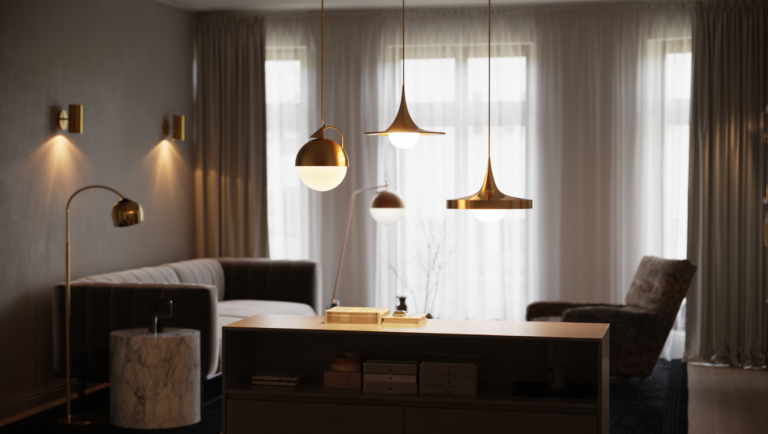
Aim for three light sources instead: a bedside lamp, a wall sconce or reading light, and one ambient source such as an LED strip behind the headboard or under a floating shelf. Warm-toned bulbs, ideally on a dimmer, let the room shift from a bright working space in the morning to something closer to a boutique hotel room once the sun goes down.
The timing of that shift matters more than most people realize. Sleep Foundation’s research on light and sleep notes that warmer tones such as amber and soft yellow support the body’s natural wind-down before bed far better than cool or blue-toned light, which is one more reason evening lighting in a bedroom is worth getting right, not just pretty.
Hang Curtains Close to the Ceiling, Not Just Above the Window
Most curtain rods sit directly above the window frame, which is exactly what makes a small room look smaller. Moving the rod up toward the ceiling, and extending it 30 to 40 centimetres past the frame on each side, tricks the eye into reading the whole wall as taller and the window as considerably wider than it actually is.
Floor-length curtains in a heavier fabric — linen or a soft velvet — finish the effect. Stacked fully off the glass when open, they let in maximum daylight, and once evening comes they frame the window like a piece of architecture rather than an afterthought. A slim black or brushed-brass track reads more intentional than the plain white hardware most windows come with by default.
Let Mirrors Do Double Duty
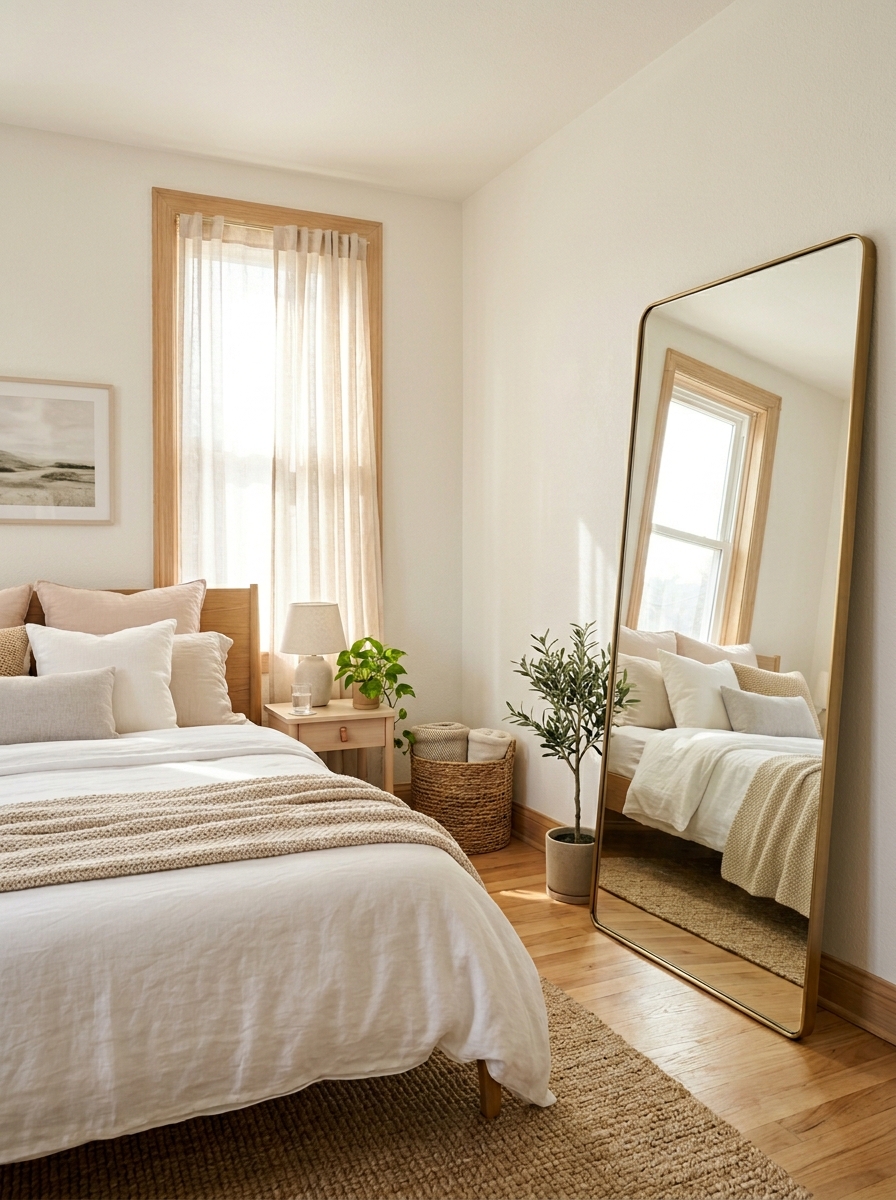
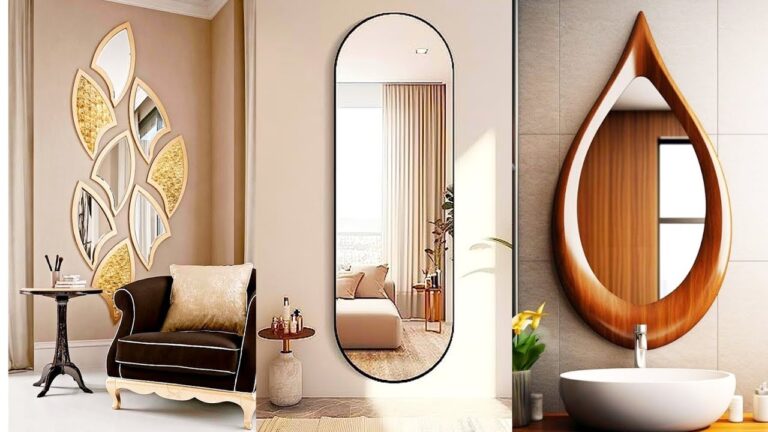
A mirror in a small bedroom is doing two jobs at once — bouncing light around the room and tricking the eye into reading more square footage than actually exists. Neither job needs a renovation budget.
A full-length mirror leant casually against a wall is the easiest version, and it photographs well precisely because it looks unstudied. A large circular mirror hung above the bed works as a focal point on its own, and if the wardrobe already has mirrored doors, that is effectively a second window’s worth of reflected light for free.
Secondhand shops are a reliable source for oversized frames at a fraction of retail price. Size matters more than finish here — a bigger, plainer mirror will usually outperform a smaller ornate one.
Treat Bedding as the Room’s Biggest Style Investment
The bed occupies more visual real estate than any other object in a small bedroom, which means it earns the highest return on styling effort of anything in the room.
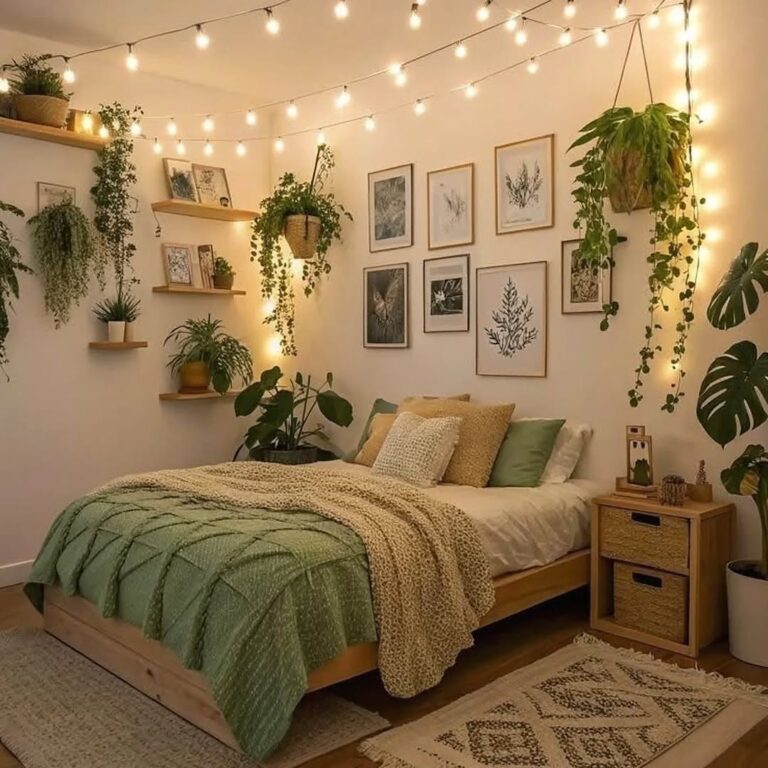
Layering matters more than any single item. Euro pillows behind the standard ones create the raised, hotel-style look driving most 2026 bedroom styling, and a textured throw across the foot of the bed adds shape without adding clutter.
Fabric choice does more heavy lifting than most people expect. Linen and a good cotton sateen hold their shape and feel noticeably better against skin than a synthetic blend, and both catch light with more depth once photographed or seen at night under warm lamps.
Add Panelling or Moulding for Instant Architecture
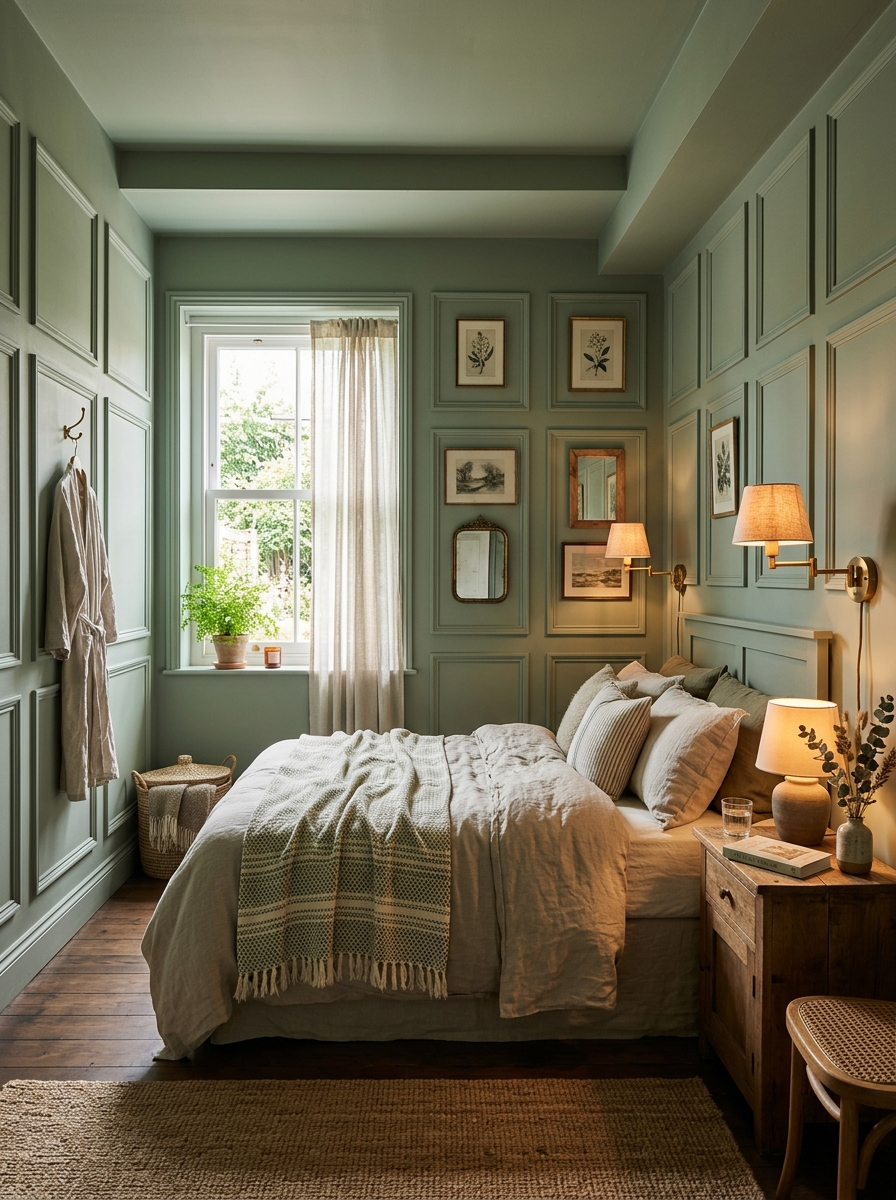
Flat painted walls are the default in most rented and starter bedrooms, and they are also one of the cheapest things to change. Picture-frame moulding or vertical wood panelling adds a sense of architecture that paint alone cannot fake.
Sage green, warm white, and dusty pink are the shades doing the most work in 2026 panelling projects, especially paired with matching soft furnishings. Vertical lines pull the eye upward and read as height; horizontal panelling does the opposite, widening a narrow wall instead. The same logic drives a lot of the accent wall ideas we’ve covered elsewhere on the site — one deliberate surface can carry an entire room.
Color-drenching — running the panel color all the way to the ceiling instead of stopping at a chair rail — gives the most immersive version of this effect, and it is a favorite among the designers pushing this trend hardest this year.
Edit Furniture Down to What Actually Earns Its Place
In a small room, fewer pieces almost always photograph better and live better than a full matching set. The bed, two nightstands, and one storage piece cover the essentials; anything beyond that should have to justify itself.
Furniture with exposed, slim legs lets the eye travel underneath it, which reads as more floor space even when the actual square footage has not changed. A storage ottoman, a bed with built-in drawers, or a floating nightstand shelf all add function without adding visual weight — which is really the goal here, not owning less for its own sake.
Bring In Natural, Textured Materials
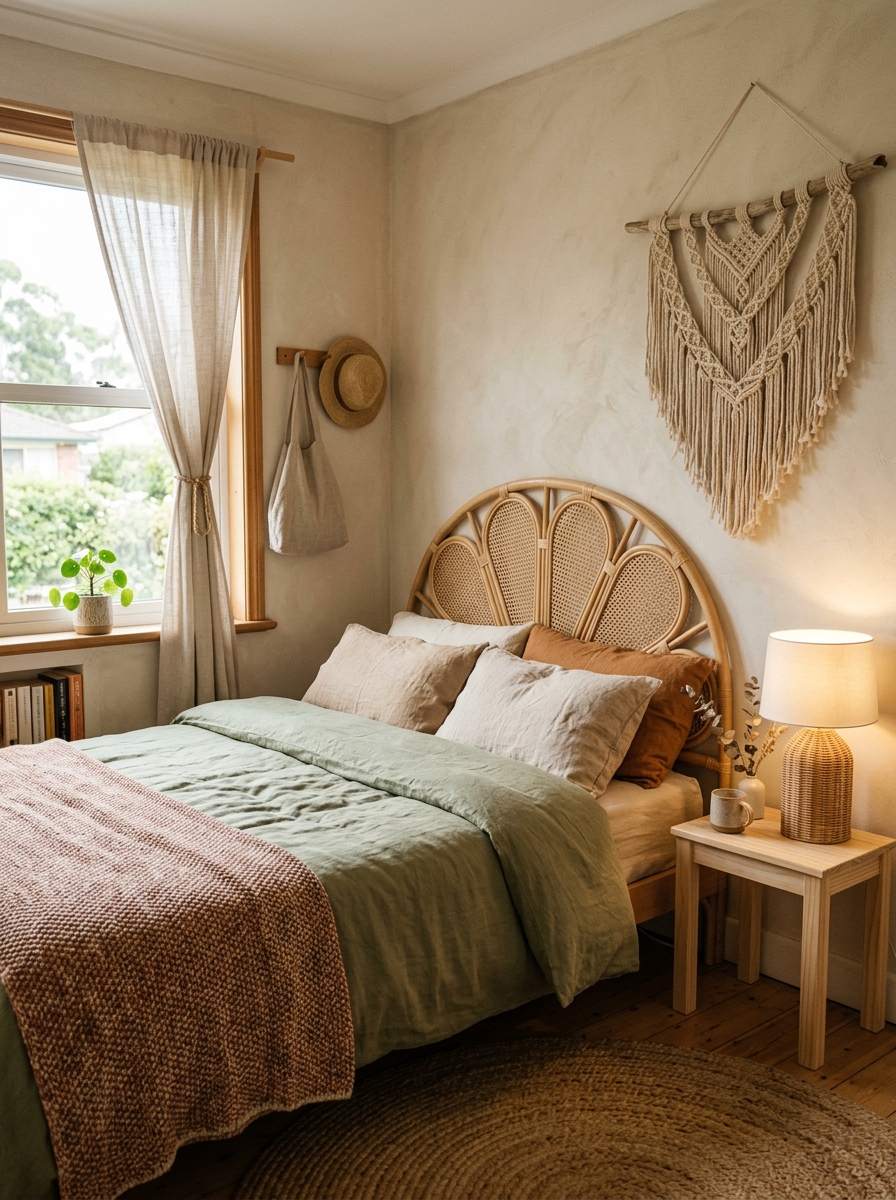
Rattan, jute, pine, and linen are carrying a lot of 2026 bedroom design, and it is not just an aesthetic trend — these materials add warmth without adding color complexity, which matters in a room already working with a tight palette.
A rattan headboard or a woven bedside lamp brings texture that a painted wall cannot. Pine furniture in particular is having a real comeback, prized for its pale grain and for being a more sustainable choice than a lot of manufactured alternatives.
This connects to what designers call biophilic design — bringing natural materials and living elements into interior spaces — and it is one of the more consistent threads running through this year’s bedroom trends, small or large.
Commit to One Statement Piece of Art Over a Wall of Small Frames
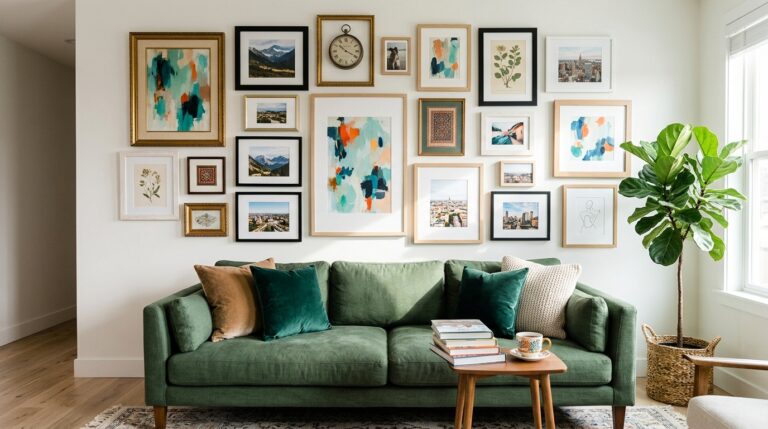
A cluster of small frames can work in a large room, but in a small bedroom it usually adds visual noise instead of personality. One oversized piece above the bed does more for the room’s sense of calm.
Abstract work in warm, muted tones fits most of this year’s neutral palettes without a fight. If a gallery wall is more your style, our guide to gallery wall layouts covers how to make a cluster of smaller pieces read as intentional rather than accidental — it just takes more planning than a single statement piece does.
Soften the Room With Curved Shapes
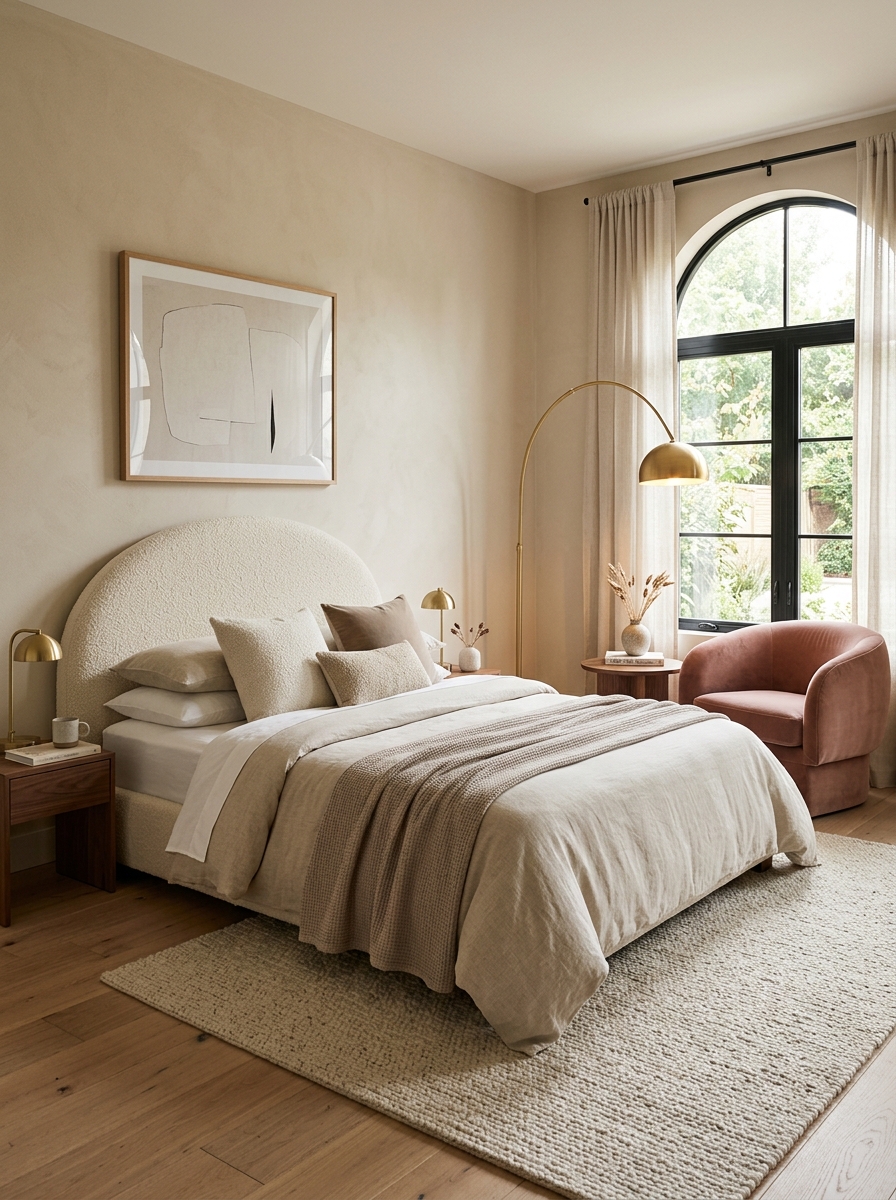
Curves are one of the clearest through-lines in 2026 bedroom furniture — rounded headboards, arched lamps, and low curved nightstands are turning up everywhere, and they work especially well at a small scale.
A boucle or velvet curved headboard softens the hard lines of the walls around it, and it is usually the single highest-impact furniture swap available in a small room. Pair it with a rounded armchair and a slim floor lamp near the window for an instant reading corner that does not eat much floor space.
If a full furniture piece is not in the budget, a curved mirror or an arched lamp introduces the same softness at a fraction of the cost.
Swap the Hardware Before You Buy Anything New
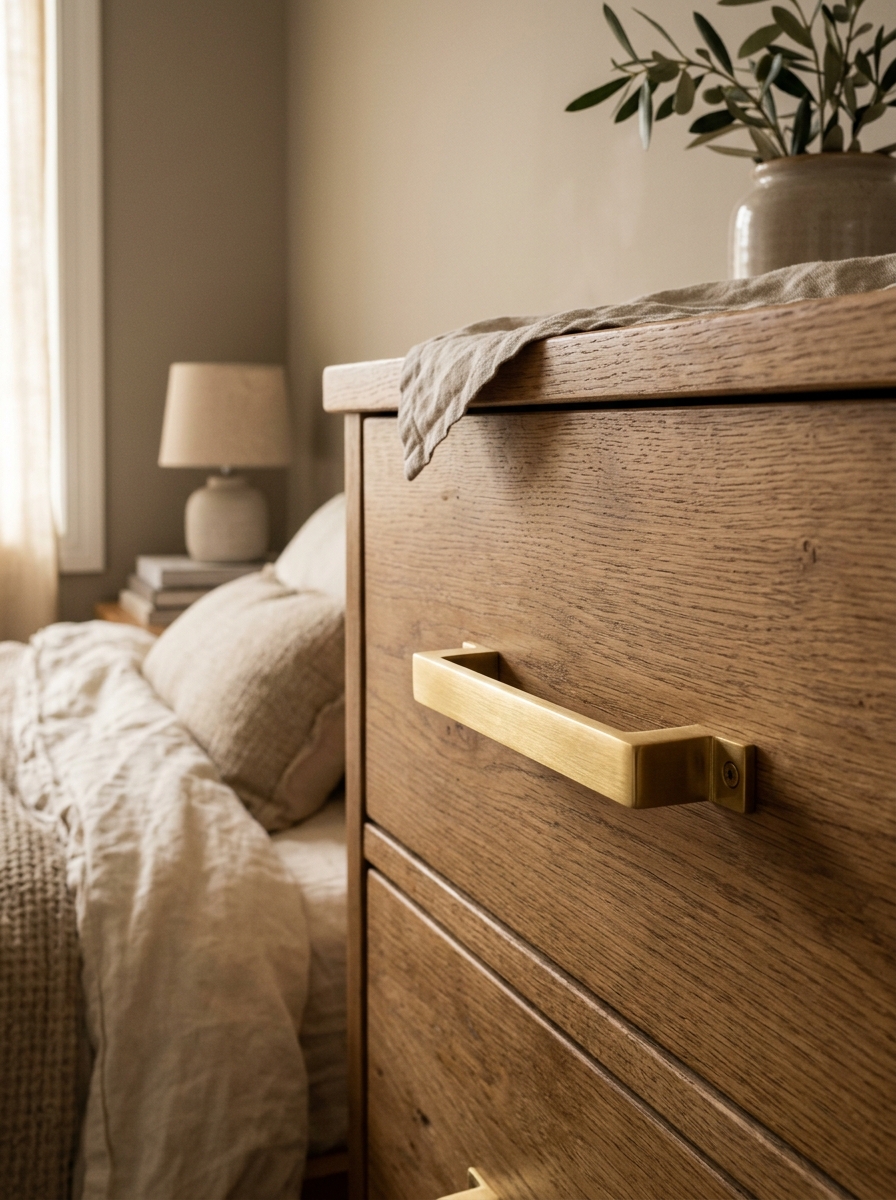
This is the most overlooked upgrade on this list, and also the cheapest relative to its impact. Standard drawer knobs swapped for brushed brass, matte black, or antique gold can make an existing dresser look like a considered choice rather than a builder-grade default.
Most people notice something has changed without being able to say what. It is an afternoon’s work with a screwdriver, and it is worth doing before spending money on furniture that might not need replacing at all.
Keep Surfaces Almost Empty
Clear surfaces are the most reliable signal of an expensive-looking bedroom, and there is no styling trick that compensates for a cluttered one. A nightstand holding just a lamp and one object will always read calmer than one crowded with chargers, tissues, and half-read books.
A decorative tray helps corral the things that do need to stay out — the same restraint that works on a coffee table applies just as well to a nightstand. A five-minute reset before bed each night keeps surfaces from slowly filling back up over the following weeks.
Layer Scent and Texture Last
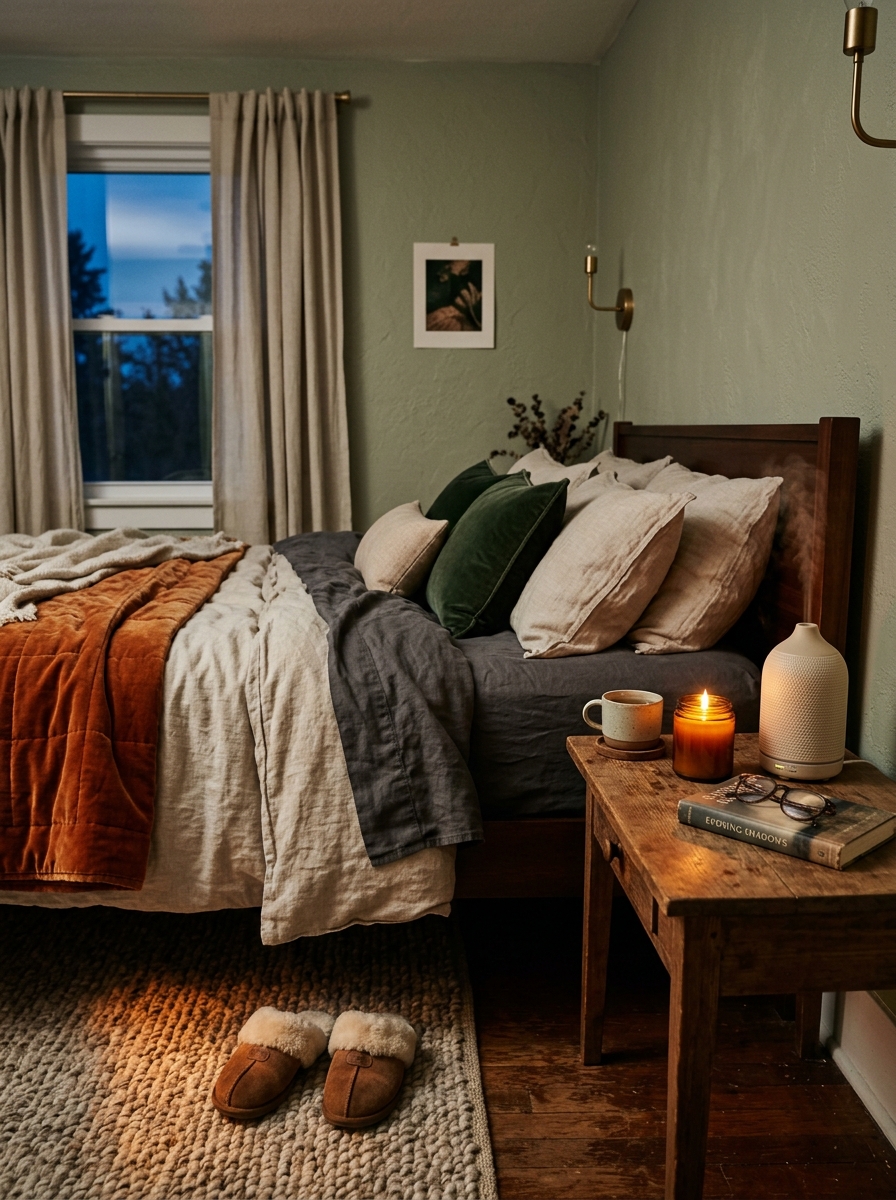
A genuinely expensive-feeling bedroom does not just look good in photos — it feels good to be in, which is a different thing entirely.
A quality diffuser or a well-chosen candle adds a sense of care that visual styling alone cannot replicate, and layering texture across the bedding, rug, and cushions gives the room tactile depth a photograph can never fully capture. A textured rug beside the bed, specifically, does more for the room’s warmth than most people expect from one object.
None of this needs to be expensive. A candle and a rug are both modest purchases; it is the layering, not the price tag, that ends up reading as considered.
Start Every Refresh With a Proper Declutter
Before buying anything new, clear the room and take stock of what is actually in it. A well-organized bedroom reads as more premium than a cluttered one, no matter what the individual pieces cost.
This includes hidden storage, not just visible surfaces — folded drawers and an organized wardrobe contribute to the same sense of calm, even though nobody sees them directly. It costs nothing, and it is consistently the highest-return move on this entire list.
Where Small Bedrooms Usually Go Wrong
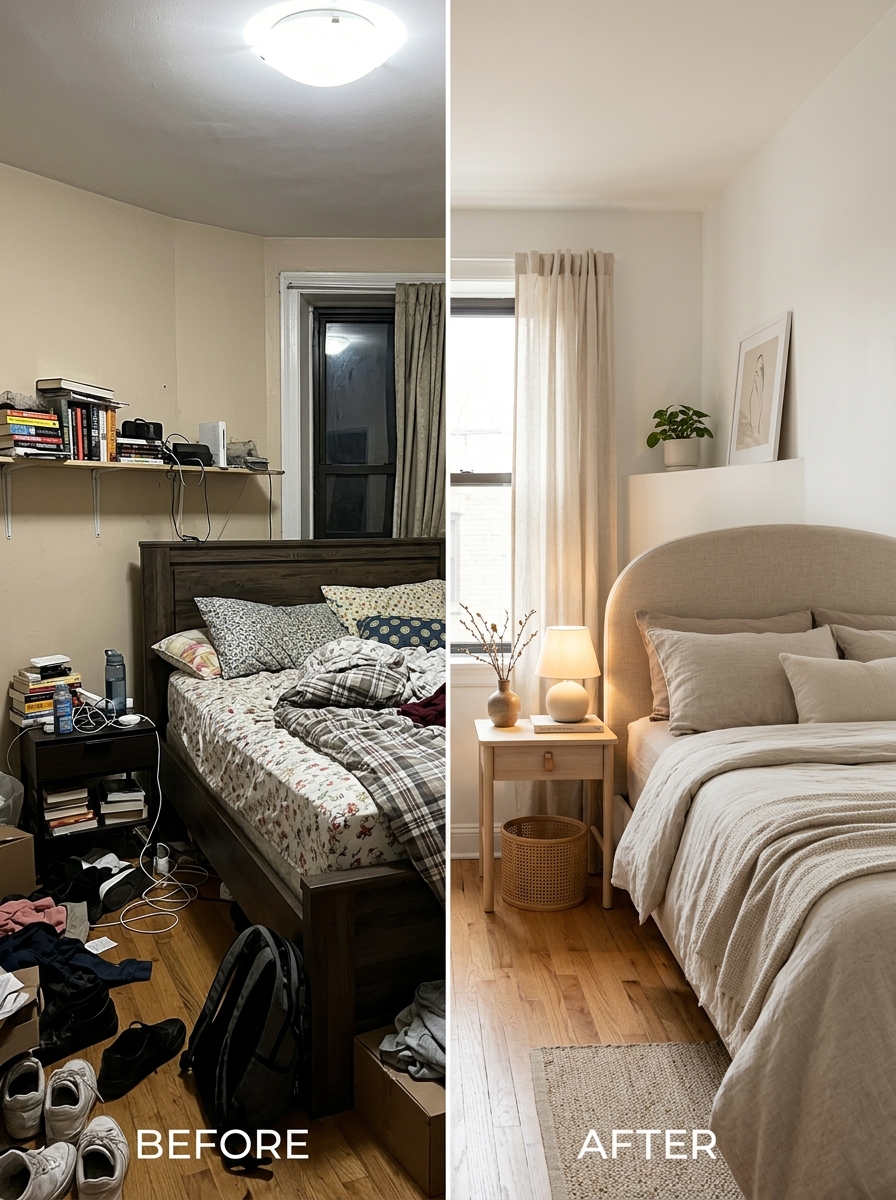
Knowing what to avoid matters as much as knowing what to add. Over-decorating is the most common mistake — filling every surface and wall at once creates visual noise that reads as cheap rather than curated, however nice the individual objects are.
Harsh, cool overhead lighting undoes a lot of the warmth built up elsewhere in the room, and furniture sized for a bigger space will always make a small one feel cramped rather than cozy. A bedroom that feels cold often comes down to exactly this kind of mismatch between furniture and room — we have gone deeper on the temperature side of that problem in why bedrooms feel cold, which covers a few culprits that have nothing to do with the thermostat.
Getting the additions right is only half the job. Avoiding these habits is what actually lets the rest of the styling hold up over time, instead of quietly eroding it one poor decision at a time.