Classic Men’s Haircuts That Never Go Out of Style
Trends in men’s hair move quickly. A style that dominates barbershops for two years can look dated before the third. Classic cuts have a different relationship with time.
The crew cut, the side part, the taper, the pompadour. These have been requested across every decade of modern grooming because each solves a real problem rather than simply looking interesting for a season. Fifteen of them follow, along with a way to pick between them.
Crew Cut

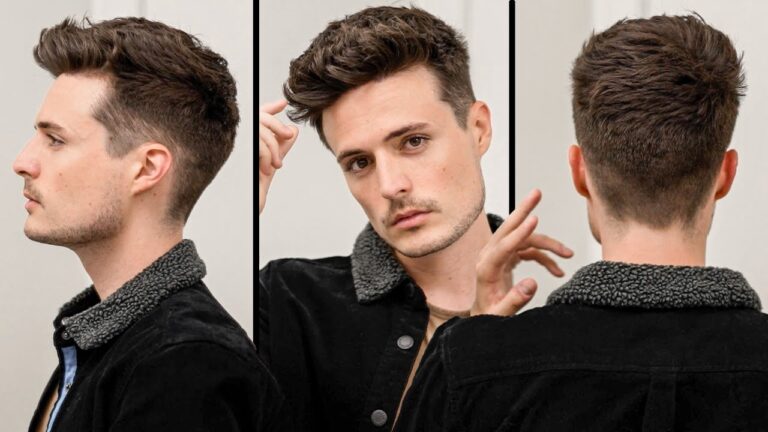
Short on the sides and back, slightly longer on top, finished naturally. It suits every face shape, every hair type and every lifestyle, which is more than most cuts can claim.
It grows out cleanly and stays presentable for weeks. The simpler you keep it, the better it looks.
Ivy League
The crew cut’s more polished relative. The top stays long enough to part and comb to one side, which adds a refinement the crew cut does not quite reach.
A small amount of cream in the morning is all it needs. It reads correctly in a boardroom and at a Saturday lunch, and the gap between visits is longer than most short styles allow.
Slick Back

Everything goes back. Nothing falls forward. The undercut version with very short sides reads current; the gradual taper version reads formal.
Medium-hold pomade with slight shine is the product that does it justice. The full range is in our guide to slicked back hairstyles.
Side Part
A defined line divides the hair into two sections that fall differently, creating structure the eye finds naturally pleasing. It has outlasted every trend that tried to replace it.
Shorter sides, longer top, combed cleanly with a visible part. It works with a suit and with jeans. Cut it along your natural part rather than against it, or you will fight the same cowlick every morning.
Classic Taper

The foundation most of this list is built on. Hair shortens gradually from the top down to the neck and sideburns, giving a clean perimeter without a hard edge.
It works on thick, thin, straight and wavy hair in a way more specific cuts do not. If you are ever unsure what to ask a new barber for, this is the answer that rarely disappoints.
Pompadour
Volume swept up and back from the forehead, creating height that draws the eye upward and lengthens the face.
The modern version is softer than its 1950s ancestors, which makes it far more wearable day to day. Thicker hair suits it, since the volume needs something to work with.
Buzz Cut

The most honest cut available. Nowhere to hide, nothing to adjust on a bad morning.
A taper on the sides and a slightly longer guard on top gives enough variation to read as intentional rather than purely functional. Guard numbers are broken down in our buzz cut guide.
Classic Quiff
It sits between the pompadour and the textured crop. Volume at the front, lifted and pushed slightly back, with sides short enough to make the top the focal point.
Matte clay works better here than shiny pomade, because the volume should read as natural rather than wet.
French Crop
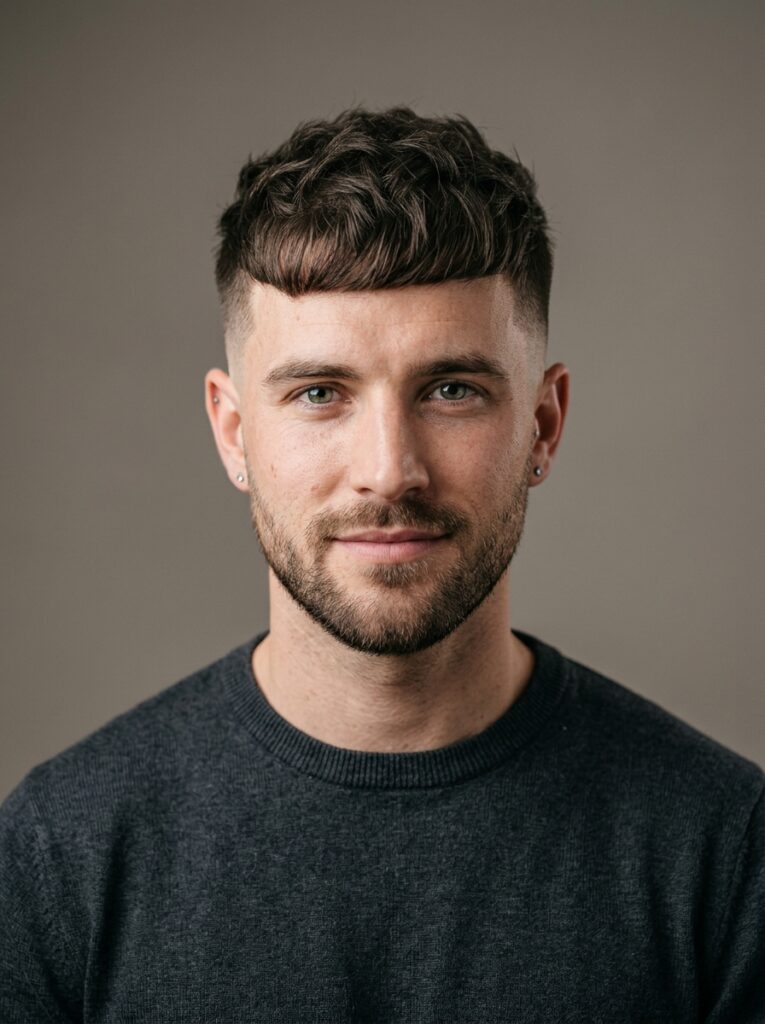
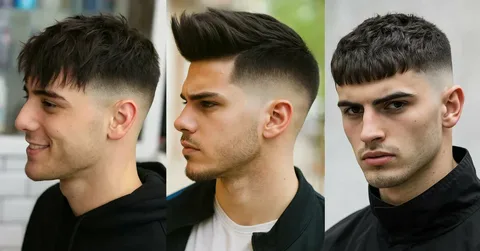
A short fringe pushed forward, short sides, a clean transition. Its simplicity is the strength.
There is no bad-hair-day version, because there is not enough length for anything to go wrong. Men with high or receding front hairlines benefit most, since the fringe covers the brow line without looking like it is trying to.
Caesar Cut
Uniformly short with a straight horizontal fringe across the forehead. Round and oval faces suit it, because the horizontal line adds visual width.
The barber does the work upfront and the cut then maintains itself. That self-maintaining quality is underappreciated.
Regulation Cut
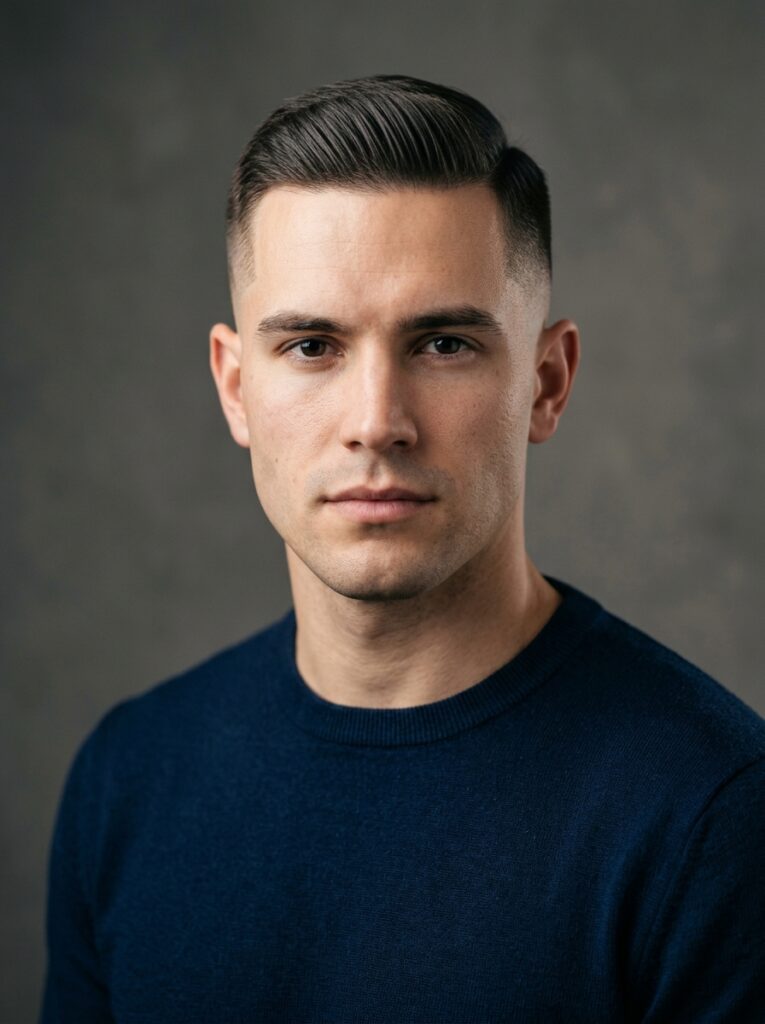
Military in origin and precise in execution. Very short structured sides, a neat top with a part or a natural brushed finish, clean lines throughout.
The underlying structure is sound enough that it holds its shape for weeks as it grows. It reads as disciplined without demanding much in return.
Disconnected Undercut
The gradual transition is removed entirely. The sides drop sharply to a very short length, so the top reads as more voluminous by contrast.
It carries real visual weight, which means it suits men comfortable being noticed. It also blurs fastest of anything here, so expect a visit every two to three weeks.
Textured Crop

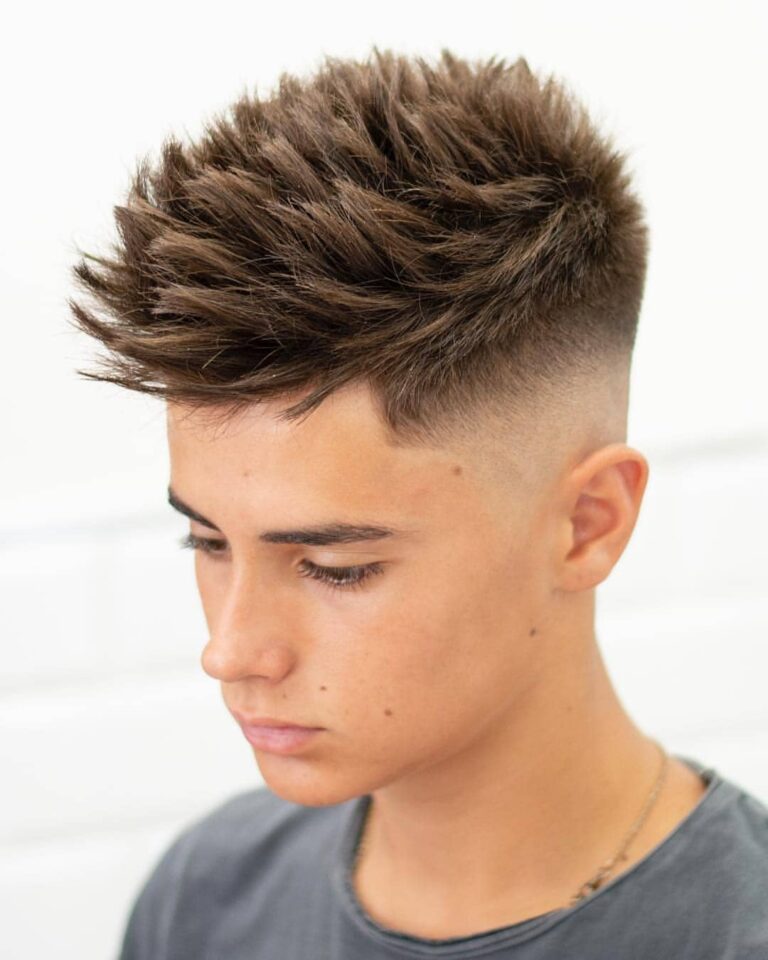
Short sides, a small fringe, and a top cut with deliberate texture so it moves rather than sitting flat.
The texture lives in the cut, not in the product, which is why it holds up on mornings when nothing gets done to it. Men who have spent years fighting flat hair often find this is the first cut that works with it. The detail is in our guide to the textured crop.
High Fade
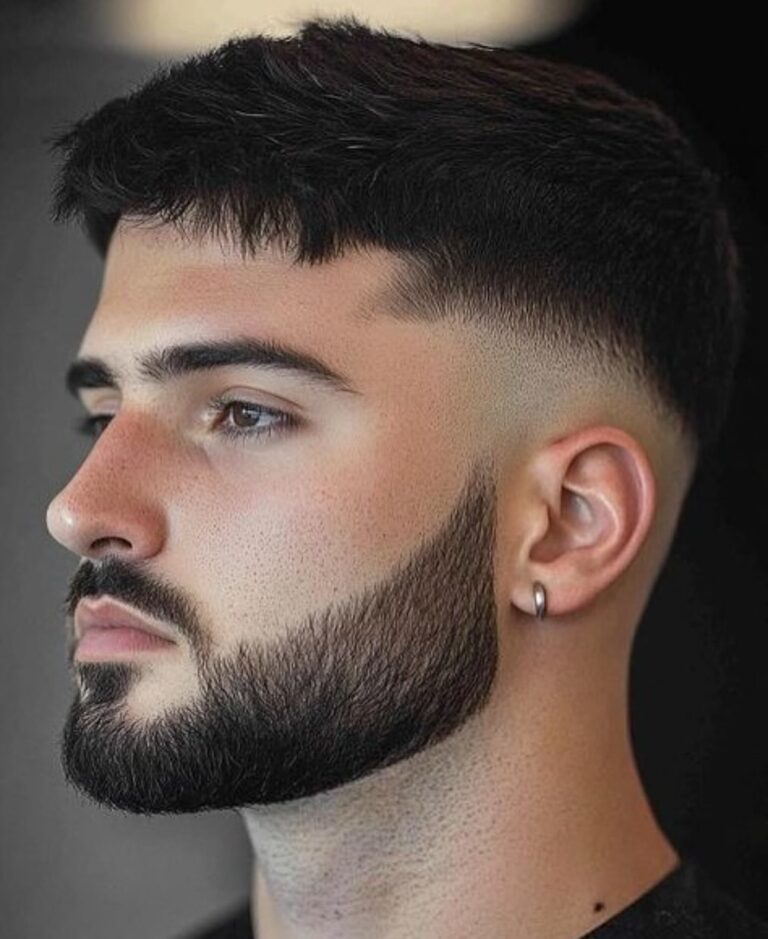
Less a haircut than a finishing technique. The fade starts near the temples and drops quickly to skin, sharpening whatever sits on top.
It pairs with the crop, the side part, the quiff or a natural finish. The only real limitation is frequency: the contrast that makes it work softens visibly within two to three weeks. Heights are compared in our fade haircuts guide.
The Classic Barbershop Cut

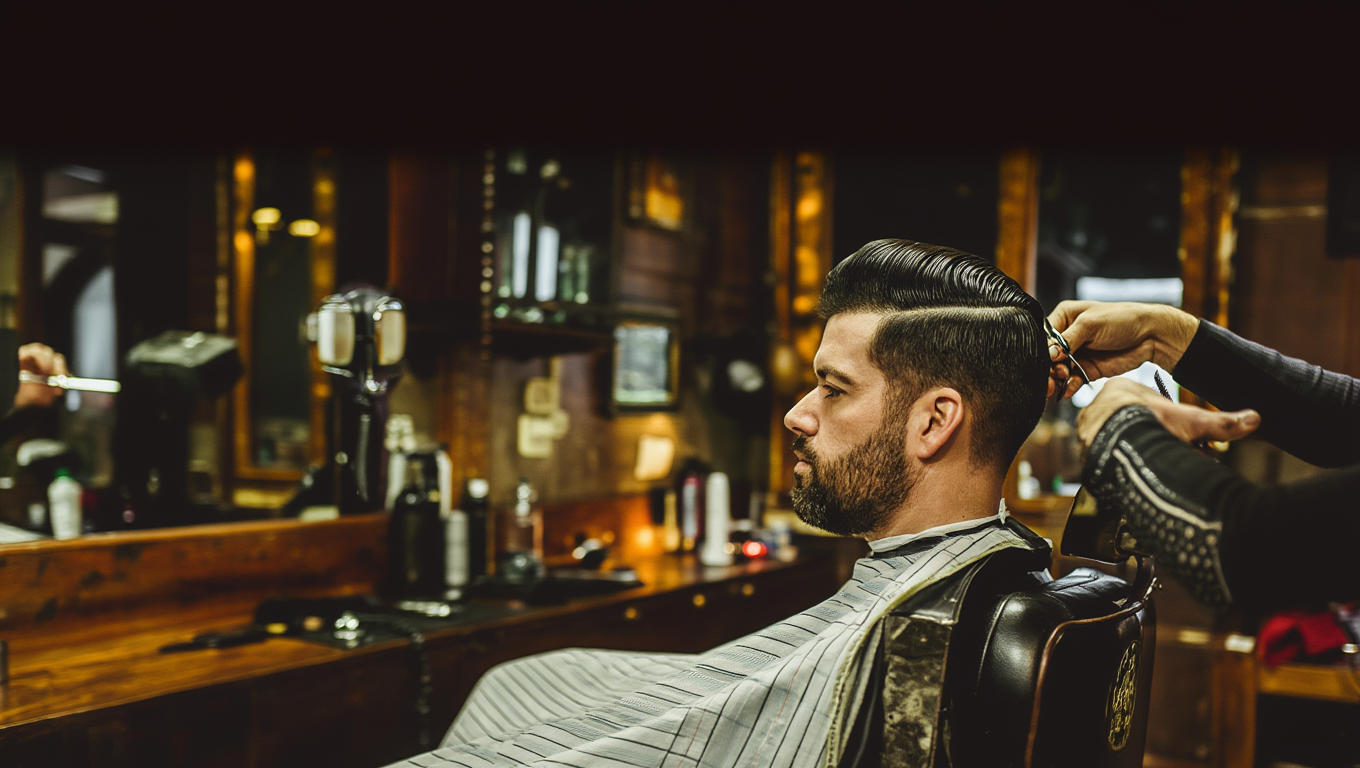
Less a specific style than an approach. Side part or natural finish on top, short back and sides with a proper taper, clean neckline, a finish that holds through the day.
It has a formal name and a long documented history. Barbering references call it the regular haircut, and it also travels under taper cut, side-part, short back and sides, businessman cut and professional cut, with the exact taper varying by country and region.
That is worth knowing at a new barbershop. If “just make me look good” produces something you did not want, asking for a regular haircut with a natural neckline is the phrase that lands almost anywhere in the world.
Choosing Between Them
Fifteen options is not a decision, it is a list. Three questions turn it into one.
How often can you realistically get to a barber? Every two to three weeks opens up the high fade and the disconnected undercut. Every five or six weeks rules both out and points to the taper, the crew cut, the Ivy League or the regulation cut.
How long do you want to spend in the morning? Under a minute means the buzz cut, the Caesar or the French crop. Two to five minutes opens up the crop, the quiff, the side part and the slick back. The pompadour needs a blow-dryer and genuine intent.
What does your hair actually do? Fine hair wants the textured crop or the Ivy League. Thick hair suits the pompadour, the quiff and the slick back. Wavy hair does best with the crop or a longer taper.
Answer those three and the list usually collapses to two or three real candidates.
Why the Classics Keep Winning
Every cut here has survived for the same reason: each solves a specific problem. The crew cut solves maintenance. The side part solves structure. The taper solves face shape. The pompadour solves presence. The textured crop solves flat, uncooperative hair.
Trends get attention because they are new. Classics keep their relevance because they are right.
A man who knows which of these genuinely suits his face, his hair and his week has settled the question for years rather than revisiting it every season. That is the actual value in understanding the classics.