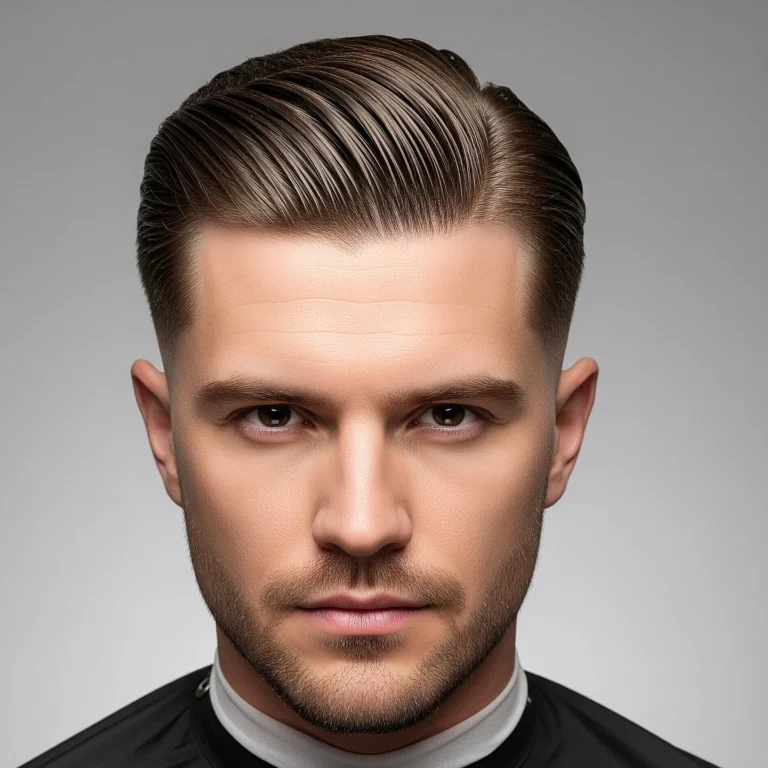

Short vs Long Haircuts for Men: Which One Suits You

Most articles on this question end without answering it. Both lengths have advantages, they say, so choose what suits you. That is true and completely useless if you are standing outside a barbershop trying to decide.
So this one starts with the decision rather than ending on it. Four questions settle it for almost everyone, and the rest of the guide explains what each answer actually commits you to.
Answer These Four Questions First
What does your hair texture do? This one can overrule preference entirely. Fine hair at length goes limp and shows scalp, and no product fixes that reliably. Thick and curly hair usually gets better with length rather than worse.
How much time do you want to spend? Short is two minutes and a barber visit every three to five weeks. Long is a daily routine plus washing, conditioning and detangling. Answer honestly rather than aspirationally.
Will you get through months three to five? Growing hair out has an awkward stage that most men quit during. If you are not prepared for it, short is the right answer by default.
What does your face shape need? Strong angular features are flattered by exposure, which is what short does. Softer features usually gain from the framing that length provides.
Three answers pointing one way is a clear decision. A genuine split usually means medium length, which the modern mullet section below covers.
The Case for Short
Short haircuts stay popular for straightforward reasons. They are clean, sharp and easy to manage. They suit almost every face shape and hair type without demanding product knowledge.
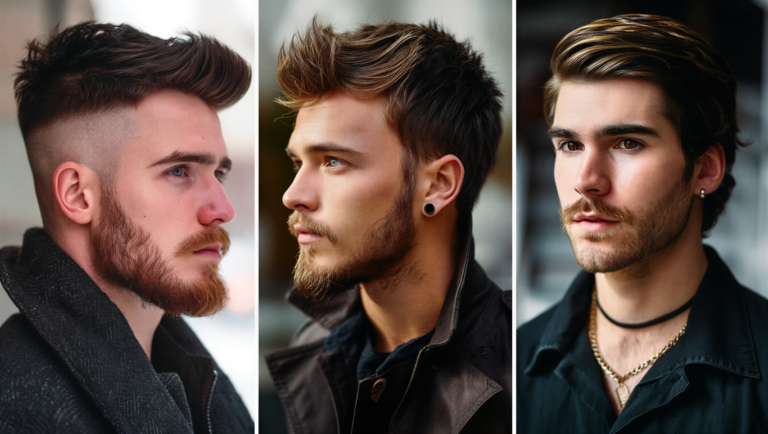
A well-executed short cut makes a man look put together immediately, with nothing to go wrong during the day. From the crew cut to the textured crop, the range is wide enough that “short” is not one look.
One correction worth making, because it appears everywhere. Short hair does not prevent dandruff. Flaking comes from the scalp rather than the hair on it, so length changes how visible it is, not whether it happens. Short hair is simply easier to wash thoroughly and dries faster, which helps with product build-up.
Short Cuts by Face Shape

Round faces want height at the crown. A high fade with a textured top or a faux hawk lengthens the face and narrows the sides.
Square faces suit crew cuts and side parts, which soften a strong jaw without losing structure. Oval faces take almost anything, with the textured crop and short quiff both working well.
Oblong and rectangular faces need balance rather than height, so the classic crew cut is the safer choice. Diamond faces suit side parts and pompadours, which add width where the face narrows.
The Short Cuts Worth Knowing by Name
Naming the cut at the barbershop produces a better result than describing a length.
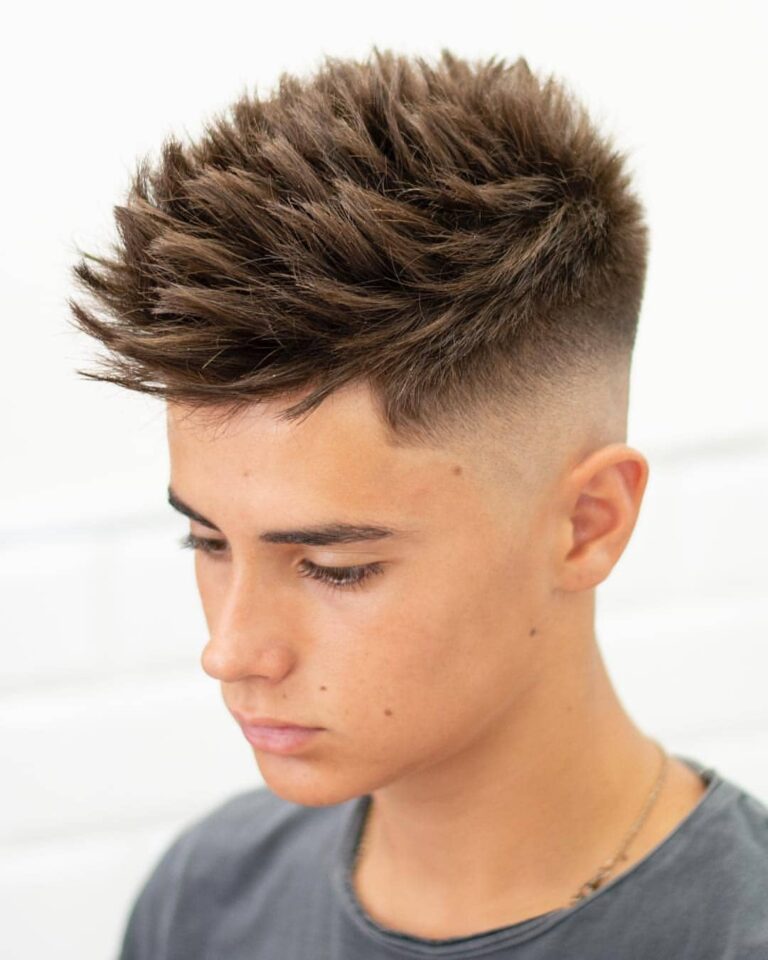
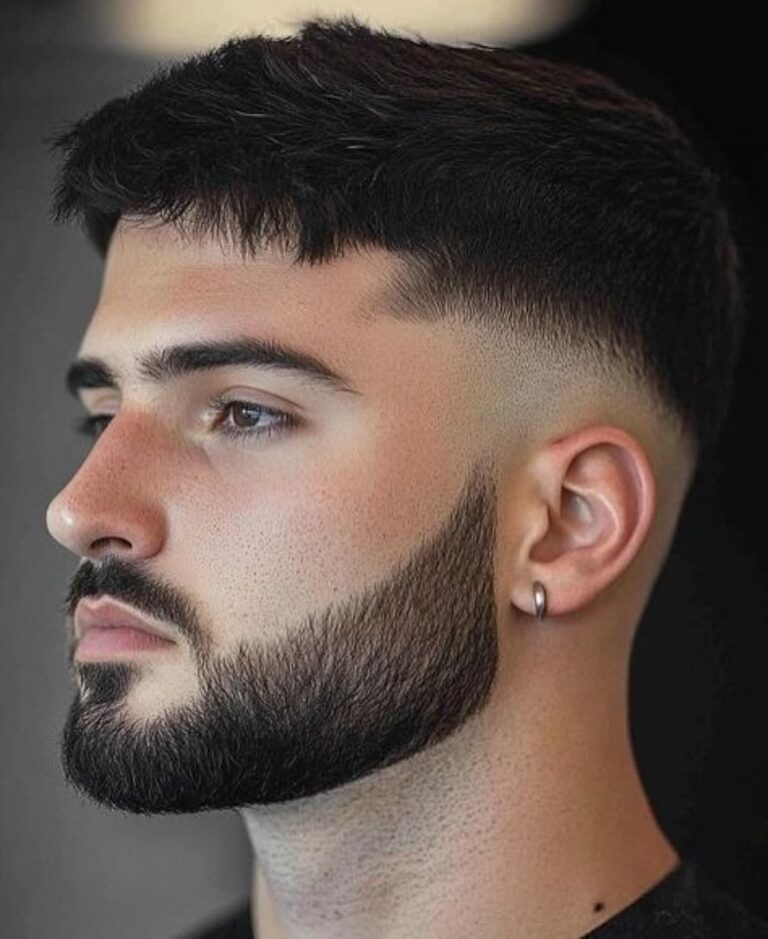
The textured crop is the most requested short cut globally, suiting most face shapes and working on straight, wavy and fine hair. The crew cut is the timeless option and pairs well with a mid or low fade. The French crop suits oval and angular faces. The burst fade curves around the ear rather than running straight up, which reads as more artistic. The Caesar cut suits fine hair and an early receding hairline.
Each is covered in more depth in our guide to short haircuts for men.
The Case for Long

Long hair for men is in a genuine revival, and the difference from previous waves is intention. More men are growing it out and shaping it deliberately rather than simply not cutting it.
The practical advantage is range. One length gives you loose, tied back, half up, or braided, depending on the day. No short cut offers that.
The man bun, curtain fringe and curly flow are the most requested. Layered long hair suits men who want movement without a heavy shapeless result. Shoulder length swept back with a slight wave reads as refined rather than casual. The full range is in our guide to long hair for men.
What Going Long Actually Costs You
This is the part the comparison usually skips, and it is the part that decides the outcome.
Hair grows around half an inch a month, and that rate is fairly consistent between people. Nothing you buy changes it meaningfully. Shoulder length from a short cut is therefore a project measured in years, not months.
Months three to five are where most attempts end. The top is long enough to fall in the wrong direction and too short to be styled anywhere on purpose. Product does not help, because there is nothing yet for it to hold.
The instruction that gets you through is to tell the barber to shape it rather than shorten it. Barbers default to removing length when a cut looks unstructured, and that resets two months of progress. Our guide to medium-length hairstyles covers the stage in detail.
Maintenance, Compared Honestly

Short cuts need a quick application of matte clay or paste and a trim every three to five weeks. That is the whole commitment.
Long hair needs consistent care. Moisturising products, proper brushing and regular conditioning stop being optional. Trims every six to eight weeks prevent the split ends that dull movement.
The trade is real in both directions. Short costs you barbershop frequency. Long costs you daily minutes. Men who enjoy grooming find long rewarding; men who do not find it a chore within a month.
Texture: The Factor That Can Overrule Preference
Hair texture is the most overlooked part of this decision, and it is the one that can make a preference unworkable.
Thick hair benefits from short styles that remove bulk, though it also carries length well once layered. Fine hair performs better short, because at length it goes limp and shows scalp without constant product. That is a structural limit rather than a styling failure.
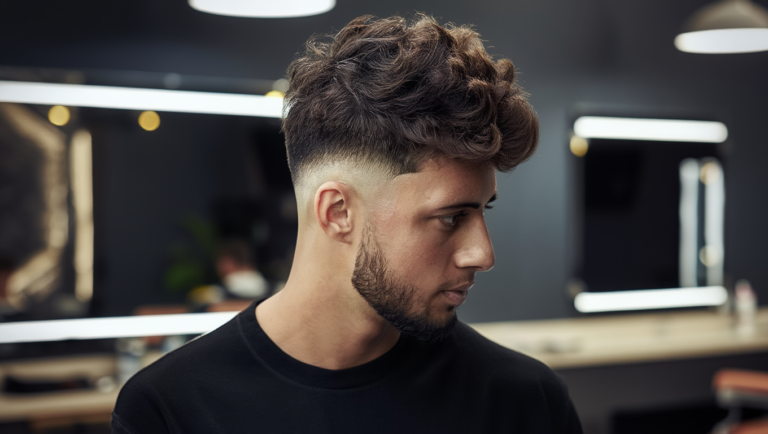
Curly hair works at both lengths. Short curly with a fade reads bold; long curly shaped as a flow cut reads expressive. Wavy hair does best at medium to long, where the wave becomes the defining quality.
Short and Long in Professional Settings

Short cuts pass everywhere without comment. The Ivy League, crew cut, side part and short slick back all read as appropriate in any office.
Long hair is far more accepted than it was, particularly in creative and technical workplaces. But it requires deliberate styling to read as intentional rather than neglected, and a tied bun or well-kept shoulder length is doing work that short hair does automatically.
The variable is neatness, not length. A well-groomed beard lifts either option considerably.
How Each Length Frames the Face
Short styles expose the face, highlighting jawline, cheekbones and eye structure. That suits strong angular features, and fades draw attention upward, adding height.
Long hair frames from the sides instead, softening the outline. The curtain fringe is built for this specifically, which makes it flattering on oval, heart and longer faces.
Consider facial hair at the same time. A beard changes face framing as much as anything happening on top.
Thinning Hair: Where Short Genuinely Wins

This is the one part of the comparison that is not close. Short wins, and growing length to compensate almost always makes the problem more visible.
The Caesar cut’s forward fringe builds density at the front hairline. A crew cut with a mid fade adds structure and draws the eye away from sparse areas. The textured crop uses choppy layers to create volume that the hair itself does not have.
A buzz cut or skin fade turns the situation into a deliberate choice rather than something being managed around, which usually reads better than any coverage strategy. Our guide to haircuts for thin hair separates fine hair from thinning hair, because the right advice differs.
Keeping Long Hair Looking Deliberate
Growing it is one problem. Keeping it looking intentional is a separate one.
Use a moisturising shampoo and conditioner, and a leave-in conditioner or light oil between washes. Brush gently and daily to prevent tangling. Book a shape-up every six to eight weeks that maintains the style without taking length.
Two habits matter more than any product. Skip hot water, which strips natural oils. And use a microfiber towel or a cotton t-shirt rather than rubbing with a rough towel, which is where most frizz starts.
The Modern Mullet: The Honest Middle Ground

If the four questions came out genuinely split, this is the answer. Shorter sides, longer at the back, combining both in one cut.
The current version looks nothing like its 1980s reputation. Clean, textured and considerably more wearable. It pairs with fades, curtain fringes and textured tops, and suits oval and diamond faces particularly.
It also works as a staging post. Committing to it means you can grow the back out gradually and decide on full length later, without going through the worst of the awkward stage.
Matching Product to Length
The two lengths need genuinely different products, and using the wrong one is a common reason a good cut underperforms.
Short hair wants matte clay or paste for natural hold without the wet look gel produces. For short styles with volume, a lightweight pomade or grooming cream adds structure without shine.
Long hair wants a moisturising leave-in conditioner as the base, sea salt spray for texture and movement, curl cream for curly lengths, and a light wax to keep the nape neat on a mullet or bun.
One Last Thing Worth Knowing

The decision is not permanent in one direction. Going short takes twenty minutes and can be done tomorrow. Going long takes a year or more and can be abandoned at any point.
That asymmetry is worth factoring in. If you are genuinely undecided, growing it out costs you nothing but patience, and cutting it off remains available the whole way through.
What does change with age is what suits you, and that is worth revisiting rather than assuming. Our guide to haircuts for men over 40 covers the point at which a lot of men find their long-standing answer has stopped working.