Slicked Back Hairstyles for Men: Sharp, Confident, and Always Relevant
Slicked Back Hairstyles for Men: Why This Style Never Goes Away
The slicked back has survived every decade of modern barbering. It signals confidence and a deliberate choice about appearance. Few other styles communicate that as consistently.
Done well, it looks intentional. Done badly, it looks like a costume. The gap between those two outcomes is smaller than most men expect, and it comes down to three things: length, product and finish.
The fifteen versions below run from high-shine formal to relaxed and textured. Each section names the hair type it suits, the face shape it flatters, and the product that actually holds it.
Classic Slick Back: The Version That Earned This Style Its Reputation
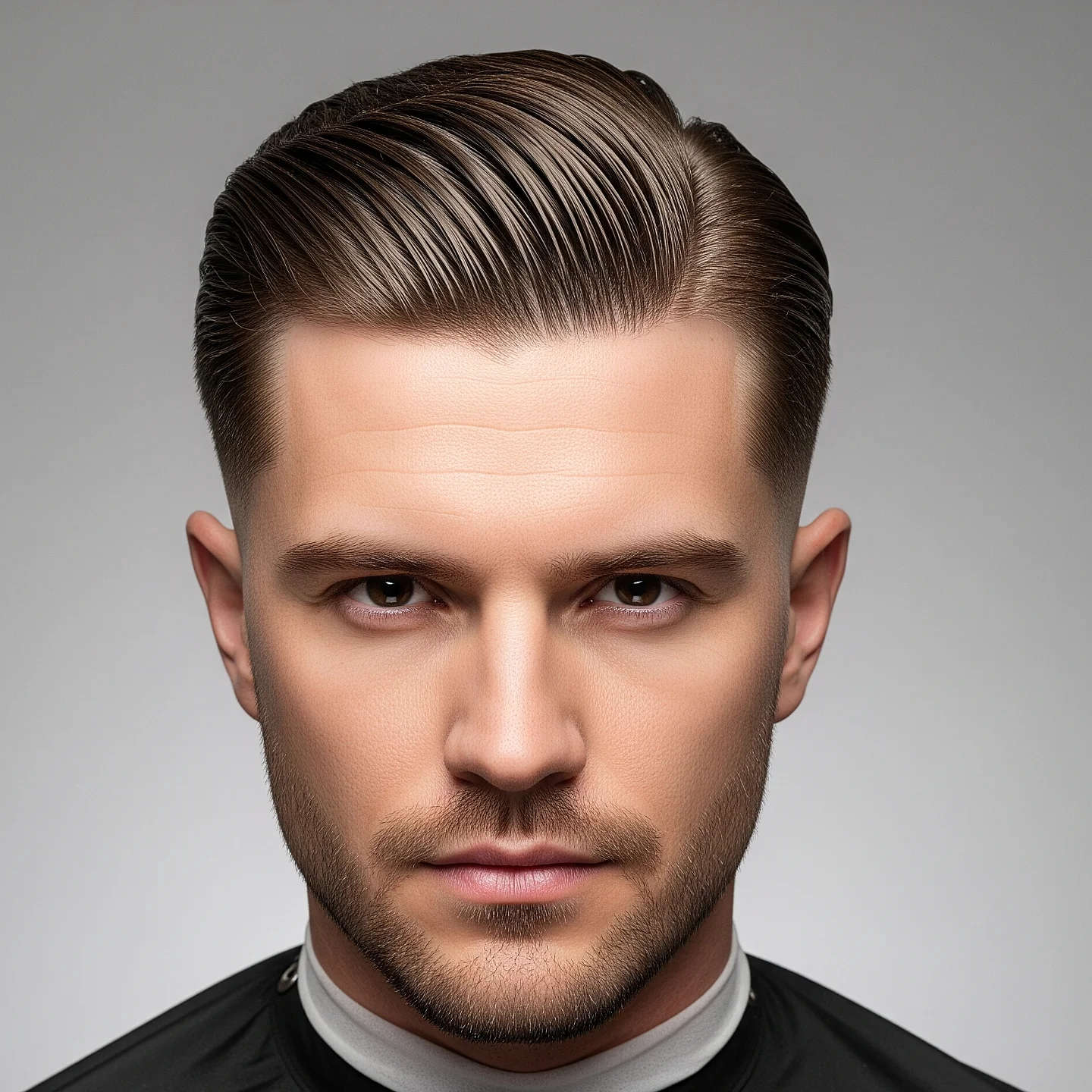
The classic slick back is the foundation every other version builds on. Hair is combed straight back from the forehead and held flat from front to crown. The face is fully exposed, which is the whole point.
Medium to long straight or slightly wavy hair suits it best. The length lets the backward direction form properly. The weight of the hair then helps hold it without heavy product.
Apply a medium-hold pomade to damp hair, comb it through, then blow-dry. The drying step matters more than most men realise. Heat sets the direction into the hair itself, which lasts far longer than relying on product hold alone. It is one of the most durable of the classic men’s haircuts for exactly that reason.
Slick Back Undercut: Modern Contrast With Maximum Impact
The slick back undercut delivers the strongest visual impact in this family. The sides drop away to almost nothing. The top carries everything, and the contrast reads clearly from any angle.
Product choice sets the register. A high-shine pomade pushes it formal. A matte clay keeps it contemporary and relaxed, which suits creative workplaces better.
Length on top is the technical requirement people miss. You need at least three to four centimetres above the undercut line. Below that the hair will not hold the backward direction through a full day.
Low Fade Slick Back: Professional Without Anything Too Aggressive

This is the most office-appropriate version available. The fade begins close to the natural hairline and rises gently. The silhouette stays conservative enough for formal environments.
Law, finance and corporate settings all take it without comment. The top reads as groomed and considered rather than bold. Nothing about it draws attention for the wrong reasons.
It also grows out more gracefully than higher fades. That stretches the comfortable gap between barber visits by a week or two. If your week is mostly formal, this is covered further among these professional haircuts for men.
High Fade Slick Back: The Bold Statement for Confident Men
The high fade takes the contrast to its limit. The fade starts near the temples. The top then sits as a clearly defined volume above a very clean perimeter.
This suits men who are comfortable being noticed. Thick hair performs best, since density is what fills the top section convincingly. Fine hair can look sparse against such short sides.
Be realistic about upkeep. The sharpness fades visibly within ten days. Two to three weeks is the honest interval, and the full range of heights is compared in this guide to fade haircuts for men.
Slick Back Taper: Natural and Universally Flattering

The taper is the most flattering version across face shapes and ages. The hair shortens gradually from the crown down. There is no hard line where short meets long.
That makes it the sensible entry point for anyone new to the style. The proportions stay conservative, so it works in any setting without feeling like a statement.
It also grows out more evenly than any fade. Five to six weeks between visits is realistic. A light-hold product combed through gives the classic finish, and using less gives a barely-there version of the same cut. The technique is the same one behind the low taper fade.
Textured Slick Back: Modern Movement Instead of Flat Smoothness
The textured version keeps the backward direction but drops the flat surface. The hair moves back from the forehead while keeping visible movement through the length. It reads far more modern than the traditional finish.
Matte clay is the correct product. It holds without shine and lets the natural surface variation stay visible. Gel would erase exactly what this version depends on.
Work it through damp hair with your fingers rather than a comb. A comb flattens the texture you are trying to keep. Wavy and thick hair types suit this best, since they supply movement the style can use.
Modern Slick Back: The 2026 Interpretation

The modern version strips out what dated the classic: heavy shine, rigid hold and a perfectly uniform surface. The backward direction stays. Everything else softens.
Minimal product is the defining feature. Use just enough to keep the direction consistent. Any more and the hair starts to look finished rather than styled.
This covers the widest range of casual and smart casual settings. It reads as stylish rather than formally groomed. For most men in 2026, this is the version worth aiming for first.
Short Slicked Back Hair: Maximum Ease, Minimum Effort
At shorter lengths the whole style takes under thirty seconds. The hair does not need to sweep dramatically. A small amount of lightweight product and one hand movement is enough.
This suits men who want the confident impression without changing their morning at all. It also suits anyone who finds longer versions too bold for their usual environments.
The energy is different too. Short reads as casually sharp. Long reads as deliberately styled. Neither is better, but they say different things.
Long Slick Back Hairstyle: Presence and Confidence at Full Length
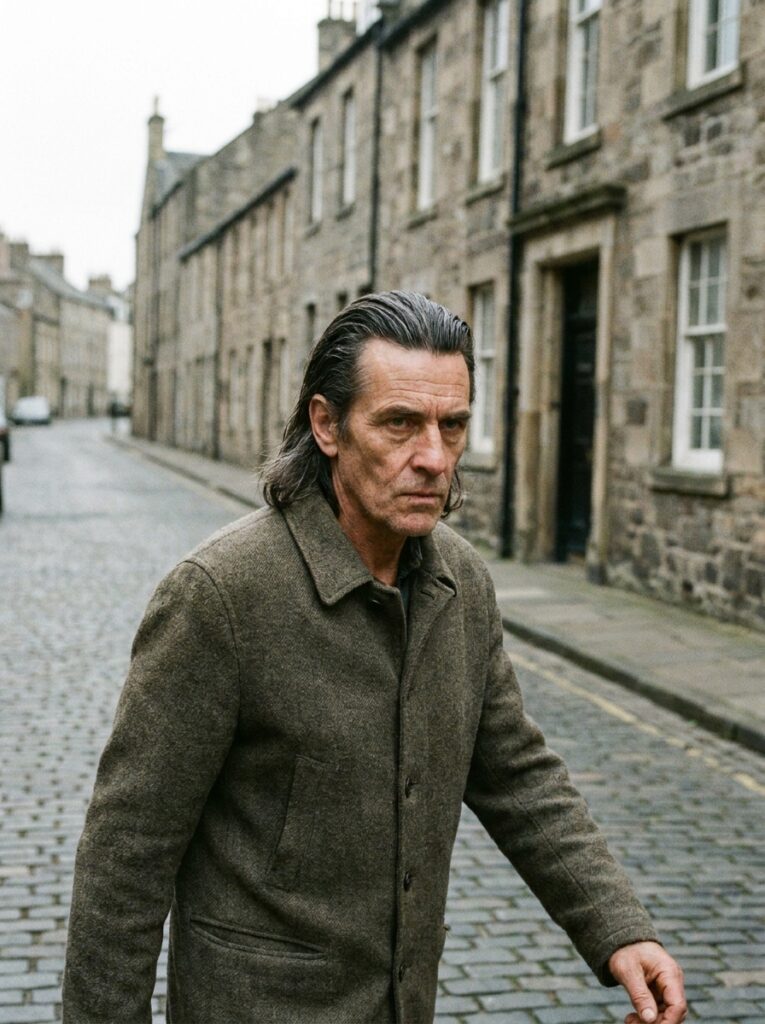
Real length on top gives the most commanding version of the style. The weight and volume create a presence shorter cuts cannot match. It also reads as a sustained choice rather than a quick decision.
Straight and slightly wavy hair lie flat backward most naturally. Curly and coily textures need considerably more product and may not hold direction all day. Be honest about which you have before committing to the length.
Conditioning is not optional at this length. Long strands have been growing for years and are more prone to dryness and splitting. Damaged ends undermine the smooth surface the whole style relies on.
Disconnected Slick Back: The Sharpest Division Available
A disconnected slick back leaves a hard visible line between the long top and short sides. No fade or taper joins them. That abrupt break is the design, not a finishing detail.
Keeping the line sharp needs regular barber visits. As the sides grow, the separation softens and the whole idea disappears. Two to three weeks is the working interval.
Use a strong-hold product on the top. It stops loose strands falling into the disconnected section, which is what makes the line look accidental rather than deliberate.
Slick Back Pompadour: Height and Volume Combined
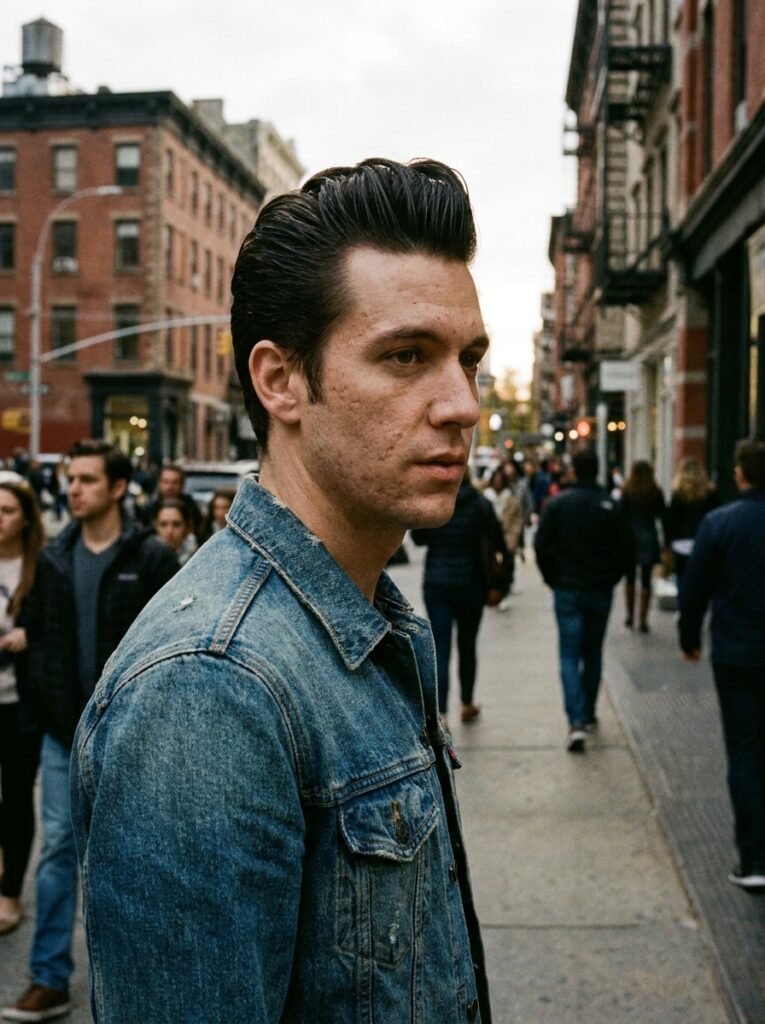
This version builds the front upward as well as backward. The result has height at the crown and a genuinely architectural quality. A flat slick back cannot produce the same proportion.
Blow-drying is essential rather than optional. The lift depends on heat setting the volume while you style. A round brush builds height and direction at the same time.
Apply medium-hold pomade while the hair is still warm from the dryer. That locks the volume for the day. Oval and round faces gain most, since the added height lengthens the overall proportion.
Wet Look Slick Back: The High-Shine Formal Interpretation
The wet look holds the glossy finish of freshly washed hair through the whole day. It is the most formal and most occasion-specific version here. It reads as preparation for something rather than an everyday choice.
Strong-hold gel with a high-shine finish produces it most convincingly. Apply generously to damp hair and comb through fully before directing it back. The gel sets as the hair dries and fixes both direction and surface.
Save it for formal events and portrait photography. Worn daily it reads as dressed up rather than well groomed. Wash it out properly too, since heavy gel left on the scalp overnight encourages flaking.
Slick Back With Beard: The Full Grooming Statement
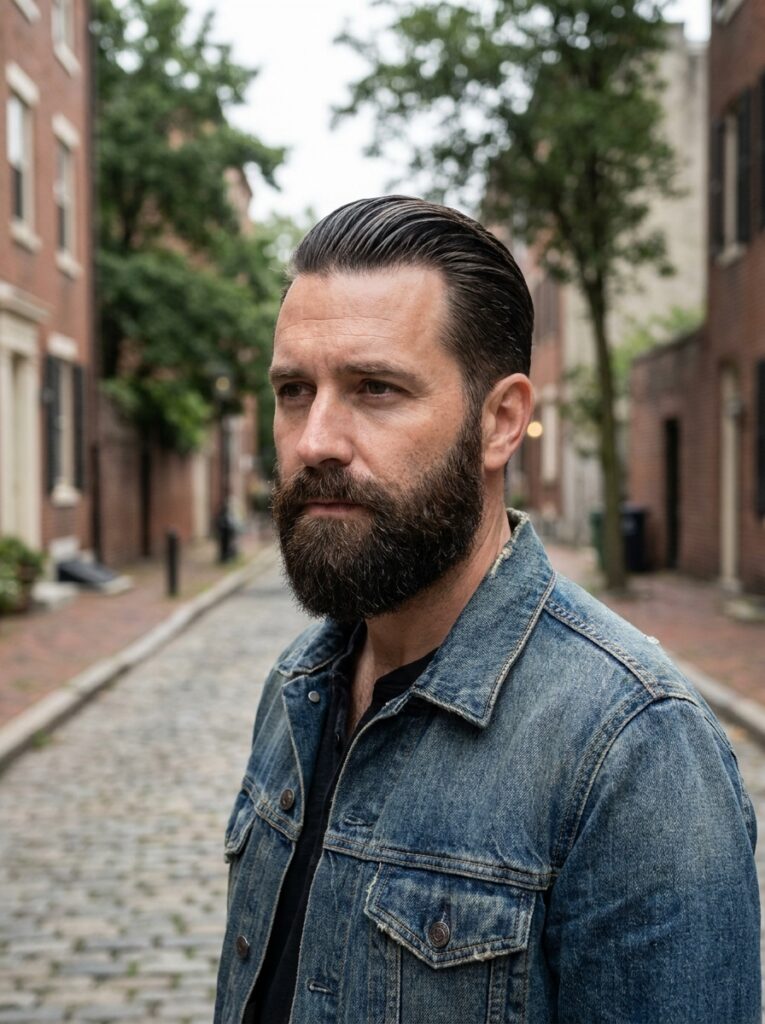
A slick back beside a well-kept beard makes both elements stronger. The clean backward direction pulls attention to the face. The beard then frames what the hair exposed.
Beard length matters less than most people assume. Close stubble works as well as a full beard. What both provide is textural contrast against the smooth hair above.
What does not work is an unkempt beard under a polished top. The inconsistency reads immediately. Pairing options are covered in more detail in this guide to matching your beard to your haircut.
Side-Part Slick Back: Structure and Refinement in One Detail
This version adds a defined parting to the backward sweep. The part runs from above the temple toward the crown. It splits the top into a narrow leading edge and a broader main body.
The parting acts as a visual anchor. The backward direction then looks even more deliberate, because it begins from a clear line rather than a general push.
Use a medium-hold product with slight shine. It defines the part while keeping the swept sections smooth. Find your natural part first by pushing damp hair back and letting it fall.
Brushed Back Hairstyle: The Relaxed Version That Asks Least of You

The brushed back is the most casual member of this family. Hair goes back with a light product and no rigidity at all. Stray strands are accepted rather than corrected.
The impression is effortless grooming rather than deliberate styling. That suits relaxed environments where a formal finish would look out of place.
A light styling cream or a little wax worked through with fingers does it in under a minute. Because the product load is low, it adapts to most hair types instead of fighting them.
Choosing the Right Product for Your Hair Type
Product choice makes or breaks every version here. The wrong one gives too much stiffness, too little hold, or the wrong finish for the setting.
High-shine gel and pomade belong to formal occasions and the wet look. They are wrong for daily office wear, where the shine reads as over-prepared. Medium-hold pomade suits the classic and side-part versions for professional weekdays.
Matte clay is right for the textured and modern versions, where movement and a non-shiny finish are the goal. Light cream or wax suits the brushed back and short versions.
One habit improves results across all of them. Apply to damp hair rather than dry hair. Product spreads evenly through damp strands and grips unevenly on dry ones.
Wearing a Slick Back Without Damaging Your Hair
This style pulls hair backward every day, often with heat and heavy product. Over years that combination has a cost worth understanding.
Constant tension on the follicle can cause traction alopecia, a form of hair loss from repeated pulling. The American Academy of Dermatology’s guidance on hairstyles that pull gives a simple test: if the style feels painful, it is too tight. Watch for broken hairs along the hairline, a receding front line, or tenderness and bumps on the scalp.
Heat is the second factor. Daily blow-drying at high temperature weakens the shaft over time, and dermatologists list aggressive styling among the common habits that damage hair. Use medium heat and finish with the cool shot instead.
Three habits cover most of the risk. Comb back gently rather than dragging against tension. Wash product out properly rather than layering it day after day. And give the hair an occasional day worn loose.
Slicked Back Hairstyles: Common Questions
How long does hair need to be for a slick back?
Around five centimetres on top is the practical minimum. Shorter than that and the hair will not hold a backward direction. For the classic and long versions, aim for eight centimetres or more.
Does a slick back suit a receding hairline?
It exposes the hairline completely, so it highlights any recession rather than hiding it. Many men wear it confidently anyway. If you would rather not draw attention there, a forward-directed crop is the better answer.
Can curly hair be slicked back?
Yes, but it takes more product and more patience. Apply to soaking wet hair and comb through in sections. Expect the curl to reassert itself as the hair dries, especially in humidity.
Why does my slick back fall apart by lunchtime?
Almost always because the product went on dry hair with no heat. Apply to damp hair, blow-dry the direction in, then let it cool before you leave. That single change fixes most of it.