Long Hair for Men: Rebel, Romantic and Refined Styles
Long hair on men has shed most of the stigma it carried a decade ago. It’s no longer read as unkempt or countercultural by default — it’s just another legitimate length, provided it’s grown and maintained with some intention behind it. The men who pull it off convincingly are rarely just “not cutting their hair.” They’re working with a specific style, a specific texture, and a plan for the awkward growing-out stretch in between.
This guide runs through the strongest long hairstyles for men in 2026, from low-effort everyday options to styles that need real daily upkeep, along with the maintenance habits that keep long hair looking deliberate rather than simply overdue for a cut.
Man Bun: Practical, Versatile, and Still Going Strong
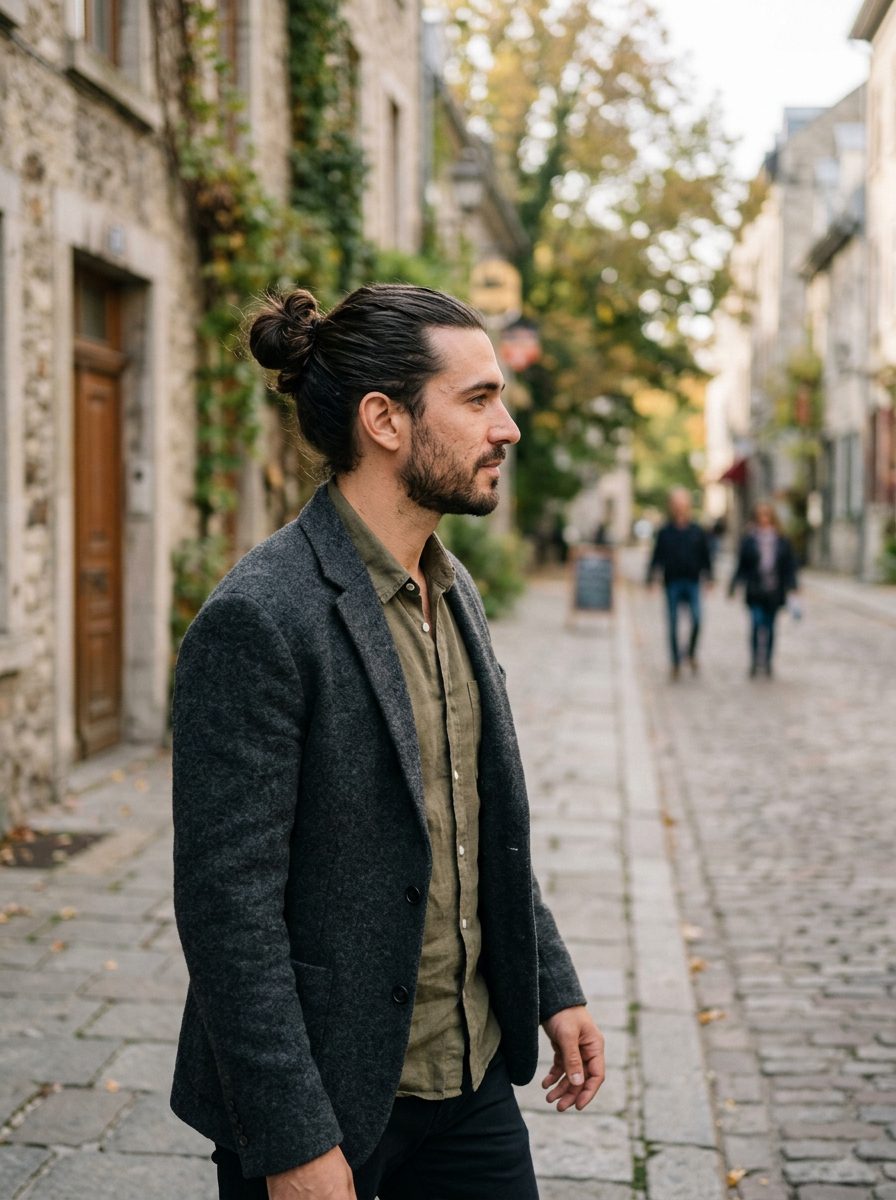
The man bun remains the most practical way to wear genuinely long hair day to day. Gathering the hair up and tying it off keeps it out of the face during work, exercise, or just a windy commute, without requiring the hair to be cut short again.
A high bun reads more polished and works well in smart casual settings, while a low bun feels more relaxed for weekends. Straight and wavy hair hold a bun most cleanly, and a texturising product worked through beforehand stops flyaways from escaping through the day. It’s also one of the fastest styles to execute — under a minute once the hair is long enough to tie.
Undercut with Long Top: Sharp Contrast, Genuine Versatility
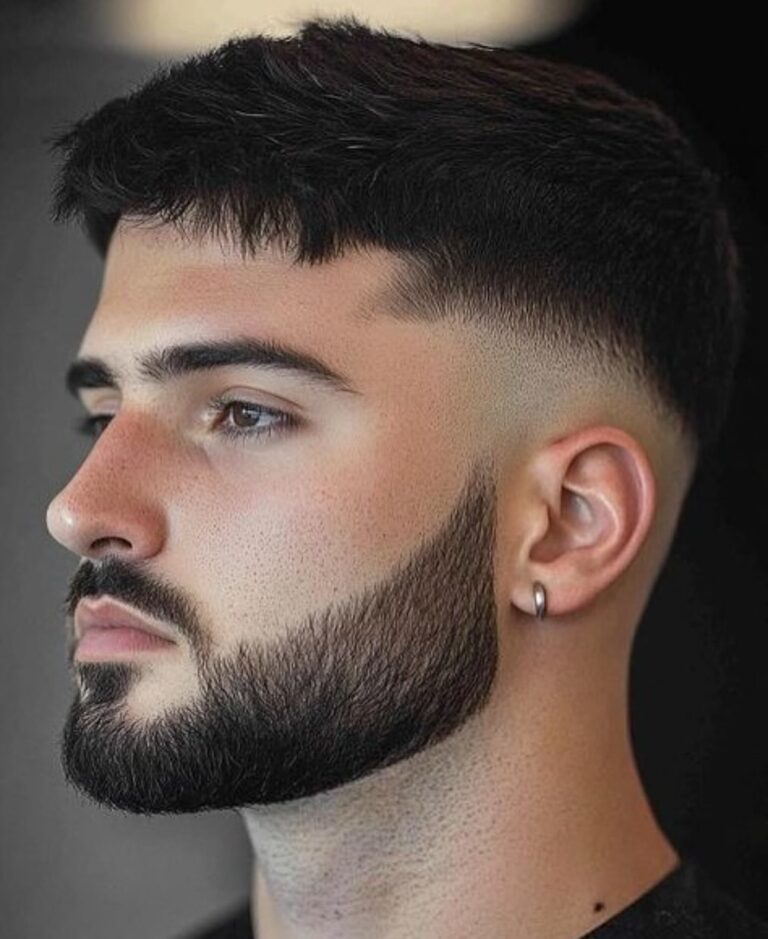
Pairing closely shaved or faded sides with a long, full top gives long hair a structured frame it doesn’t have on its own. The contrast does a lot of the visual work, which means the top can be worn slicked back, loose, or tied up depending on the day without the overall look ever reading as messy.
It suits thick and medium-density hair particularly well, since there’s enough volume on top to hold its own against the bare sides. Regular barber visits — every three to four weeks — keep the undercut portion sharp even as the top continues growing out, which is part of why this combination stays popular through the entire growing-out period rather than only once the hair is fully long.
Curtain Fringe, Long Version: Soft Framing for Longer Hair
The curtain fringe scales up naturally as hair grows past the classic medium length. A centre or slightly off-centre part lets longer layers fall on either side of the face, softening the forehead and framing the features without any heavy styling effort.
It works especially well on straight to wavy hair, since the natural fall does most of the shaping. A lightweight texturising spray on damp hair keeps the part clean without weighing the length down, and it’s one of the easier long styles to wear straight to a formal setting, since it needs almost no product to look considered.
Shoulder-Length Shag: Relaxed Layers with Real Movement
The shag brings genuine movement to long hair through heavy layering rather than length alone. Choppy, textured layers cut through the length reduce bulk and let the ends move independently, which is what gives the style its lived-in, unstyled-on-purpose character.
Wavy and naturally textured hair gets the most out of this cut, since the layers interact with the existing texture instead of fighting it. Sea salt spray on damp hair, left to air-dry, gives the most authentic result, and it’s one of the more forgiving long styles to grow into, since the layered structure looks intentional at almost every stage of growth.
Half-Up, Half-Down: The Middle Ground for Longer Hair

Tying back just the top section while leaving the rest down solves the most common complaint about long hair — it keeps hair out of the eyes without committing to a full ponytail or bun. It’s a practical, quick style that still shows off length rather than hiding it.
It works on any hair type, though thicker hair holds the small top section more securely through the day. A small clear or matte hair tie keeps it low-key, and it’s genuinely one of the fastest ways to look considered rather than like the hair simply hasn’t been dealt with yet.
Viking and Warrior Braids: Bold Structure for Committed Growth
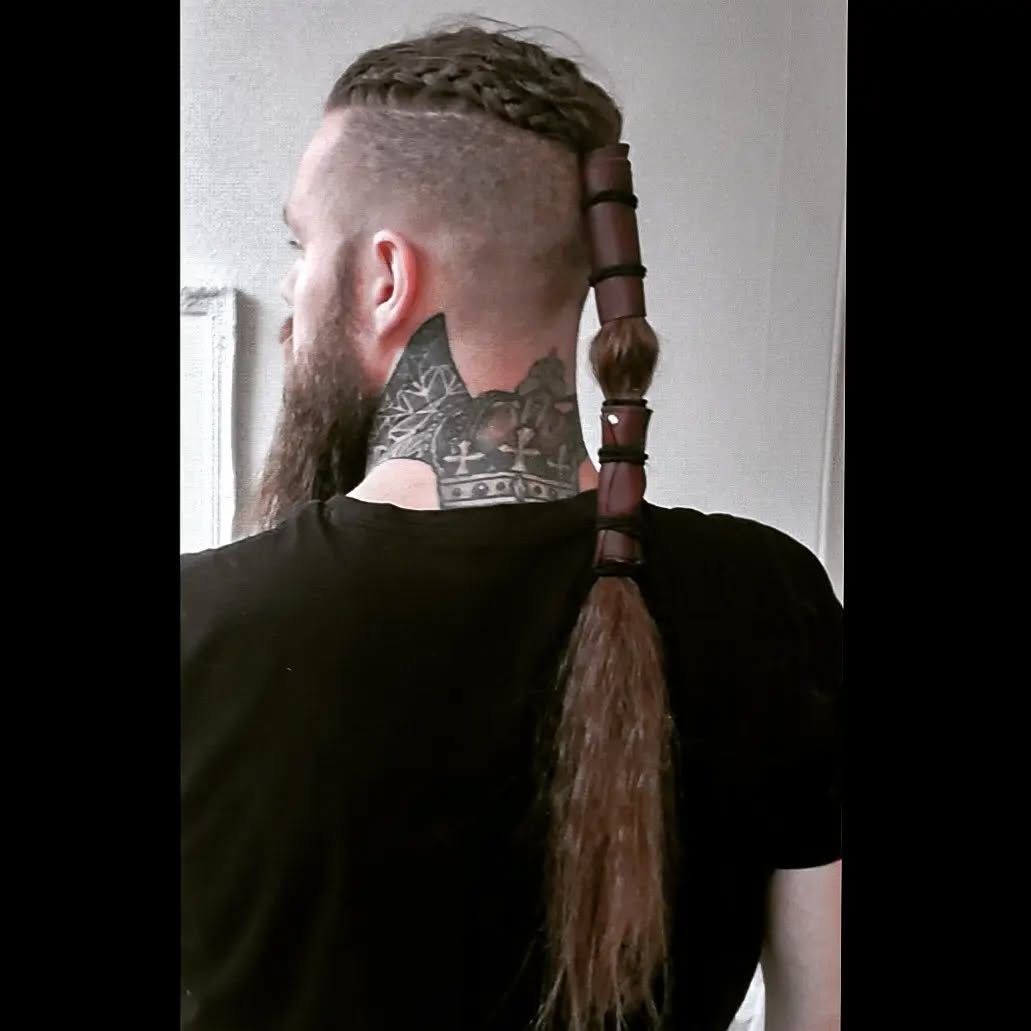
Braided sections woven into otherwise loose long hair give a distinctive, structured look that’s grown well beyond its historical-drama origins into genuine everyday styling. One or two thin braids at the temples, left to blend into the rest of the hair, is the most wearable version for daily life.
It needs hair long enough to braid securely — generally past the chin — and works on straight, wavy, and curly textures alike. For men considering an even bigger commitment to length and texture, our dreadlocks styles guide covers a related but distinct route to wearing hair this long.
Long Wavy Layers: Effortless Texture Without a Complicated Routine
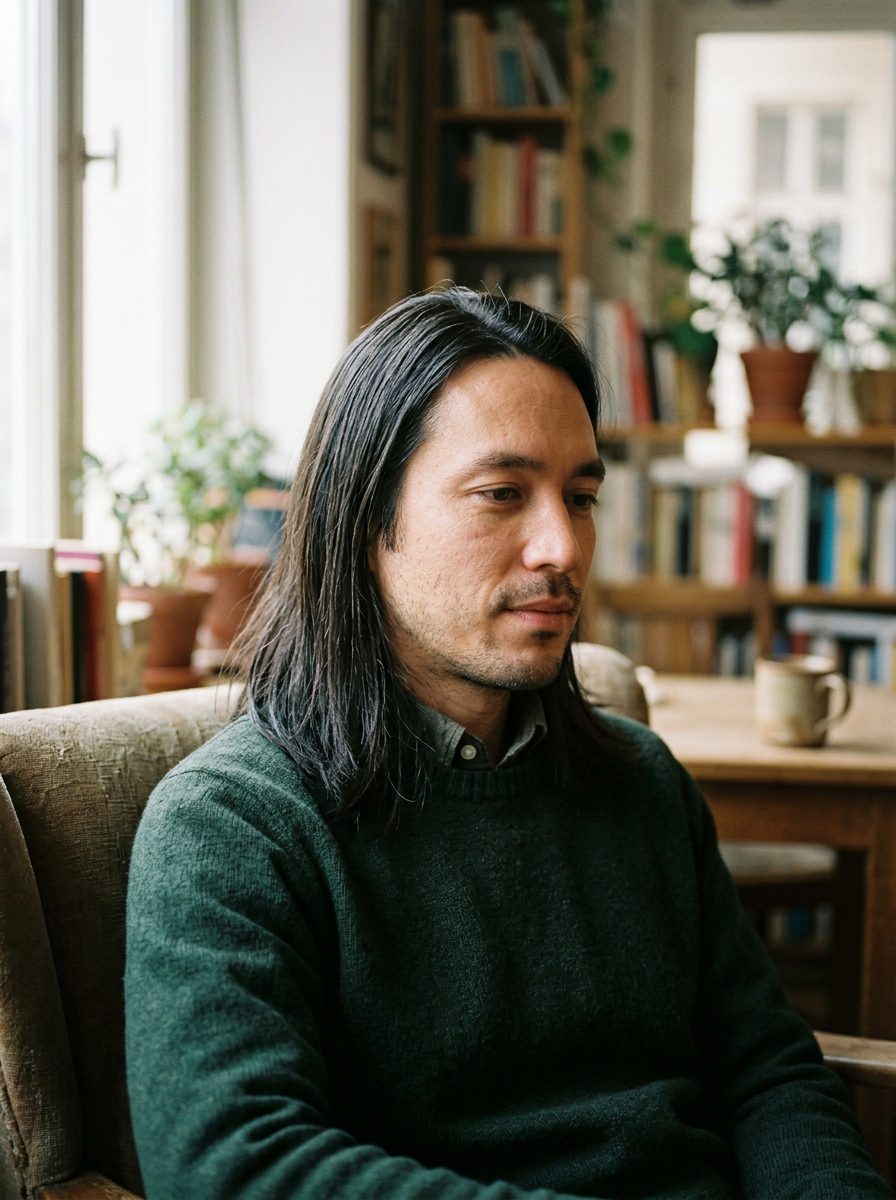
Long layers cut to work with natural wave rather than against it produce one of the more effortless-looking long hairstyles available. The layering removes enough weight that the wave can move freely instead of being pulled flat by the hair’s own length.
This one genuinely does need naturally wavy or curly hair to work — straight hair cut the same way tends to look flat rather than textured. A light sea salt or texturising spray on damp hair enhances what’s already there rather than trying to manufacture texture from nothing, which keeps the daily routine short.
Low Ponytail: Clean, Professional, and Genuinely Versatile

A neat, low ponytail is the most consistently professional way to wear fully long hair. It keeps hair contained and out of the way while still reading as deliberate rather than simply tied back out of necessity, which makes it one of the more office-appropriate long hairstyles on this list.
Smoothing the top with a comb before tying it off, or using a small amount of pomade to control flyaways, gives it a cleaner finish. It suits every hair type, though very fine hair may need a texturising spray first to give the tie something to grip.
Slicked-Back Long Hair: Polished and Genuinely Sharp
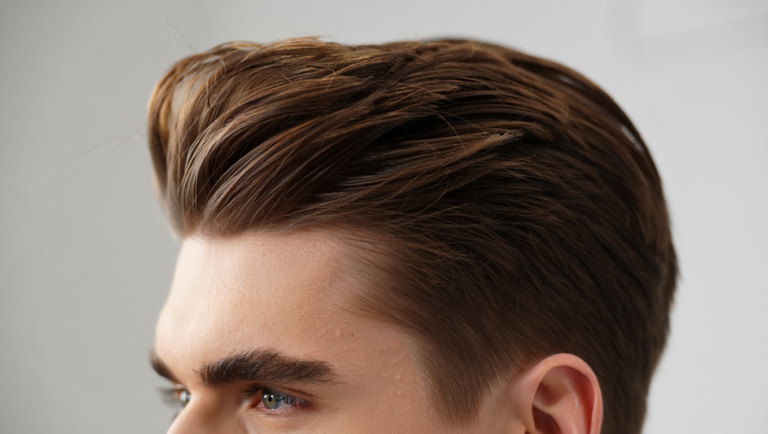
Slicking long hair straight back with a strong-hold pomade or gel produces one of the sharpest, most formal looks available at this length. All the hair moves in one direction with no fringe or loose sections breaking up the line, which reads as considerably more polished than the same length worn loose.
Straight and lightly wavy hair holds the backward sweep most cleanly. For the shorter version of this same idea, our slicked-back hairstyles guide covers how the look scales down for men who aren’t growing their hair out this far, along with the product technique either length depends on.
Curly Long Hair: Working With the Curl, Not Against It
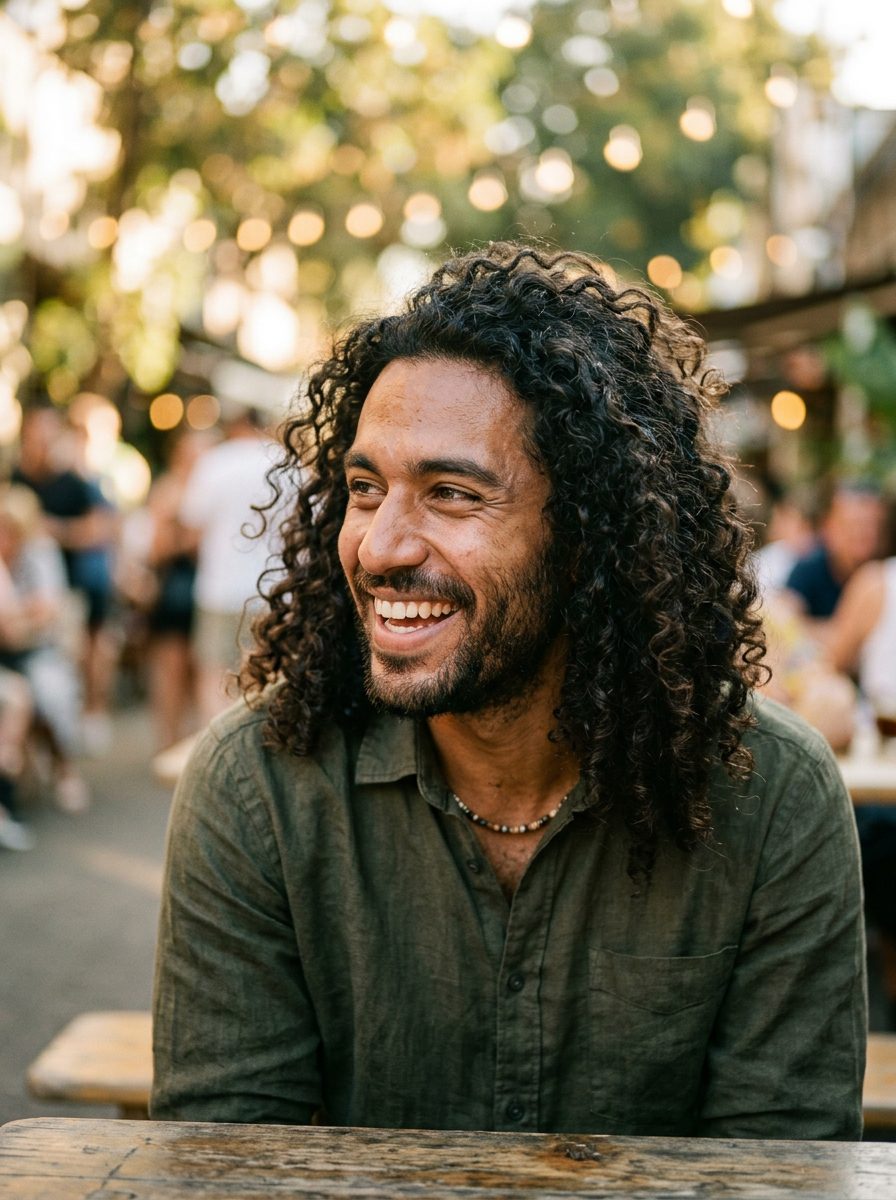
Natural curls grown out long produce genuine volume and shape that short curly cuts simply can’t show off. The main job at this length is keeping curls defined and moisturised rather than fighting the texture into something it isn’t.
A curl-defining cream or gel applied to soaking wet hair, scrunched rather than combed through, gives the most natural definition. For the full range of shorter curly options this grows out from, our curly hairstyles guide covers the earlier stages of the same hair type in more depth.
Locs and Twists, Grown Out: A Distinct Long-Hair Path
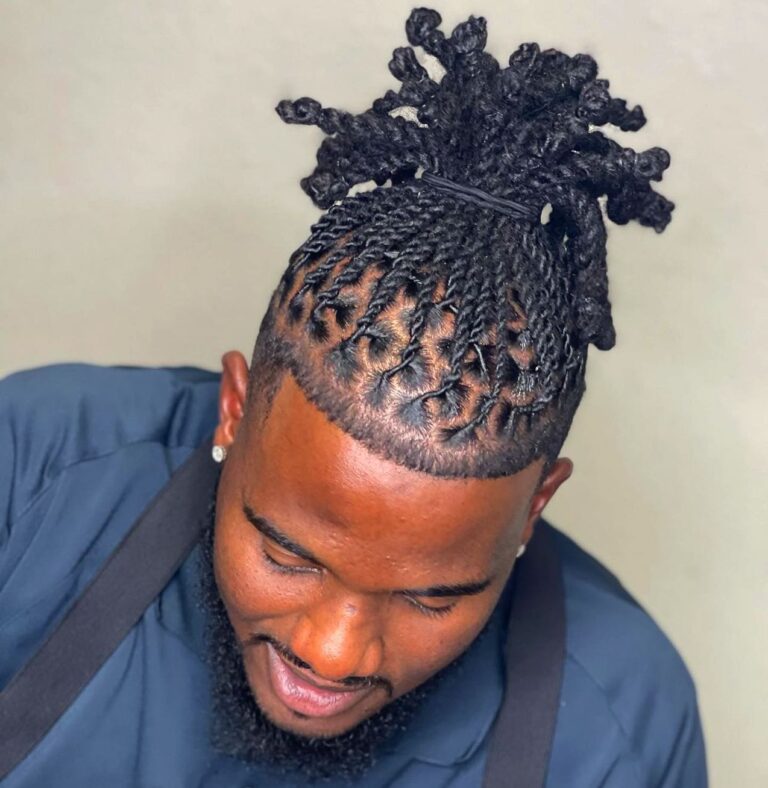
For men with coily or very tightly curled hair, locs and twists grown out over months or years offer one of the most established and lowest-daily-maintenance routes to real length. Once locs are mature, the daily routine is minimal — the ongoing care happens at retwist appointments rather than every morning.
Our long hairstyles for Black men guide goes further into locs, twists, and the other long styles that work specifically with coily hair, since the growing-out process and product needs differ meaningfully from straight or wavy long hair.
Pairing Long Hair with the Right Beard
Long hair and facial hair read as one combined decision rather than two separate ones, since an unbalanced pairing throws off the whole face. A fuller beard generally needs a looser, less severely styled top to avoid the look becoming too heavy overall, while a cleaner-shaven or lightly stubbled face pairs well with almost any long style, slicked or loose.
Our hair and beard pairing guide covers specific combinations in more depth, but the short version holds up on its own: match the density of the beard to the density of the hair, and let one of the two — not both — be the more textured, higher-effort element.
How to Grow Out Long Hair Without the Awkward Stretch
The stretch between “short” and “genuinely long enough to style” is where most attempts at growing out hair stall. A few habits make that stretch far more manageable.
Trimming every eight to ten weeks sounds counterintuitive when the goal is length, but it removes split ends before they travel up the shaft and force a bigger cut later — growing hair out is a patience game, not a no-scissors game. A lightweight leave-in conditioner keeps mid-length hair from getting frizzy and unmanageable during the transition, and a low, loose half-up style is usually the most presentable option once hair is too long to leave fully down but not yet long enough to tie back neatly.
Once hair is long enough to tie back regularly, it’s worth keeping buns and ponytails on the looser side. Dermatologist guidance from the American Academy of Dermatology notes that tightly pulled buns, ponytails, and braids can lead to traction alopecia — gradual hair loss from repeated tension at the hairline — and that the condition is preventable simply by keeping tied-back styles loose and varying where the tie sits day to day, rather than pulling from the exact same spot every time.
Choosing the Right Long Style for Your Face and Hair Type
Face shape and hair texture together narrow down which long style is actually going to work, rather than just which one looks good on someone else.
Round faces generally suit styles with more height or a defined side part, since either adds length to balance the width — a bun sitting higher on the crown or a deep side part both help here. Square and angular faces suit almost any long style well, since strong bone structure carries volume easily, while longer or narrower faces benefit more from width at the sides — loose waves or a fuller half-up style — than from anything that adds more vertical length.
Texture matters just as much as shape. Straight hair suits sleek, controlled long styles best, wavy hair has the most flexibility across this entire list, and curly or coily hair looks strongest when the cut and products work with the natural pattern rather than against it. Whichever direction it goes, the growing-out period is temporary — the payoff is a length of hair that actually suits the person wearing it, not just hair that happened to get long.