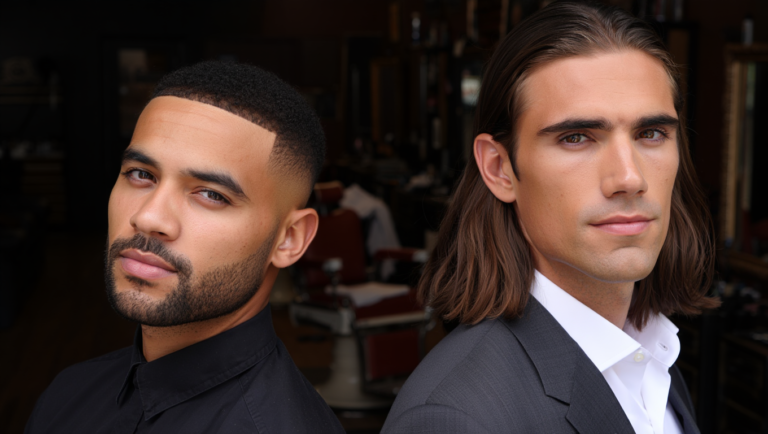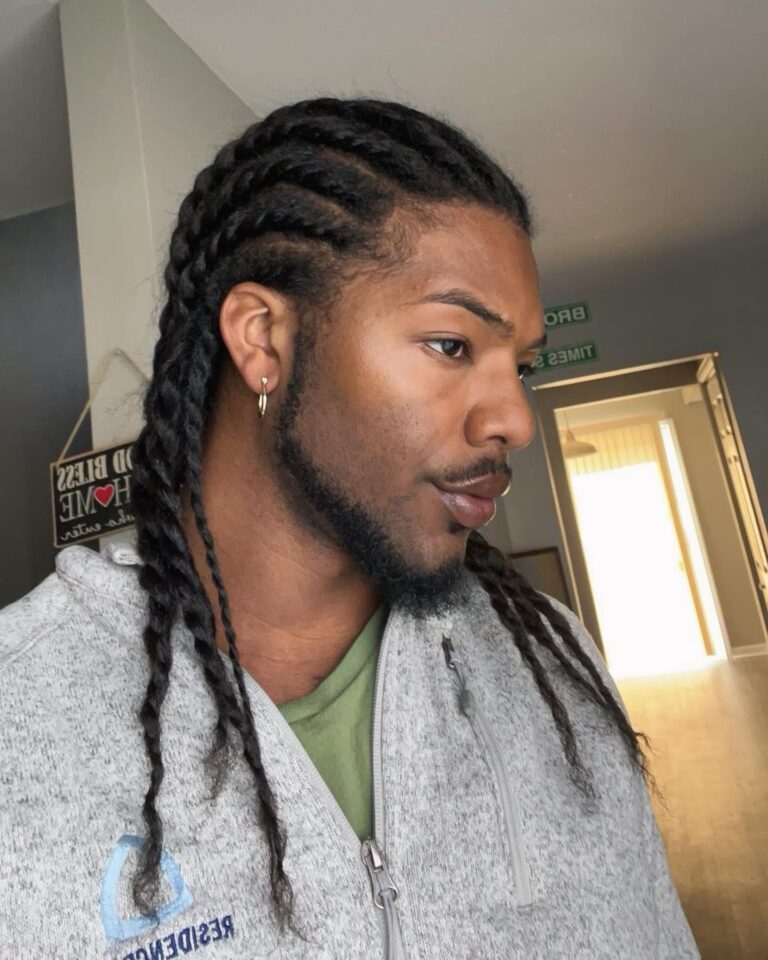
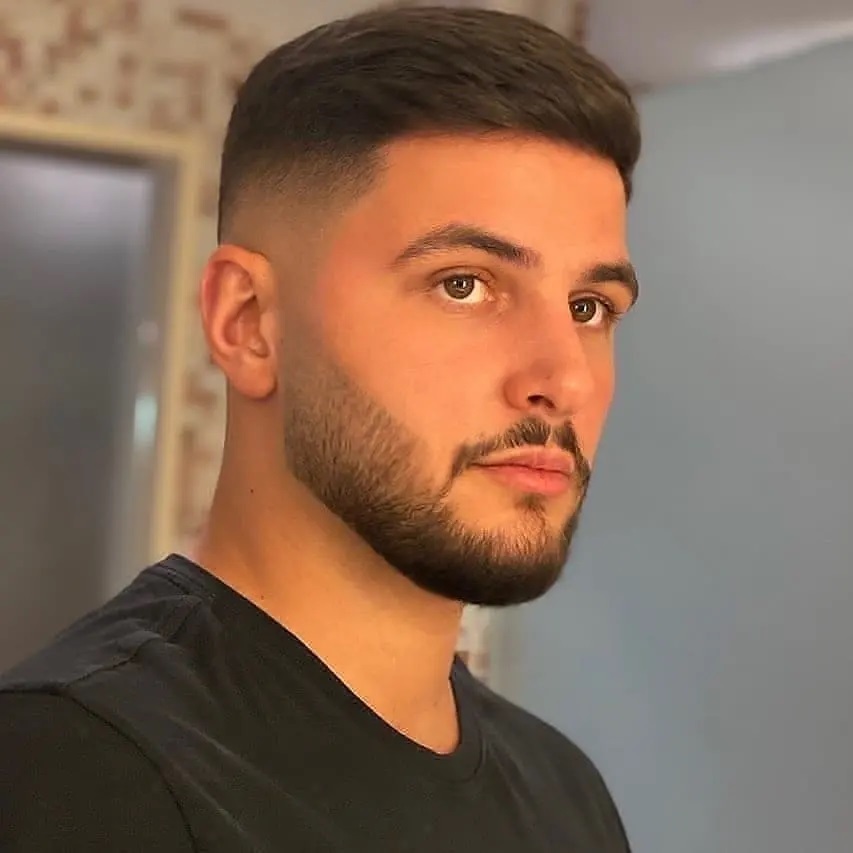
Short Haircuts for Men: Fresh Cuts and Styling Ideas That Actually Work
Short Haircuts for Men: Why Short Hair Rewards the Right Choice
Short haircuts are not interchangeable, though most men treat them that way when they ask for “something short” at the barbershop. A crew cut, a textured crop, a French crop and a taper differ by more than appearance. Each has properties that suit particular face shapes, hair types and daily routines better than the others. Knowing which properties matter for your situation is what separates a great short cut from a generic one.
This guide covers fifteen options with specific guidance on who each suits, what each needs and how each behaves in daily wear. By the end, you should be able to name the two or three that genuinely fit rather than choosing the first one that looked good on someone else.
Buzz Cut: The Most Honest Short Haircut Available
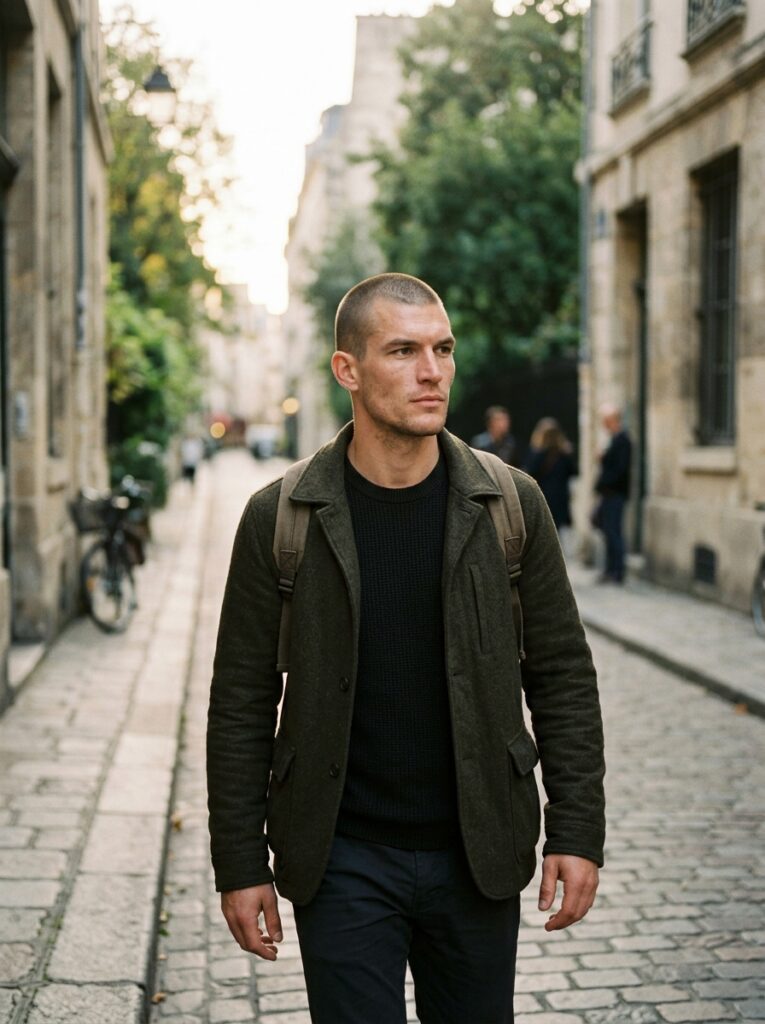
The buzz cut makes no compromises. Every feature is fully visible and every contour of the head is exposed. The haircut does nothing to compensate for either. That directness is exactly the appeal for the right man. For someone whose features benefit from framing, it is a more demanding choice than it first appears.
Oval and square faces suit it best, since those proportions look defined without any framing. Strong features, a clear jaw and good bone structure all read more powerfully unsoftened by surrounding hair. Maintenance is zero and the growth is even, so the cut stays looking intentional between visits rather than sliding toward untidy. For men with active lifestyles who want hair to be irrelevant to their morning, nothing else comes close.
Crew Cut: The Most Universally Flattering Short Haircut
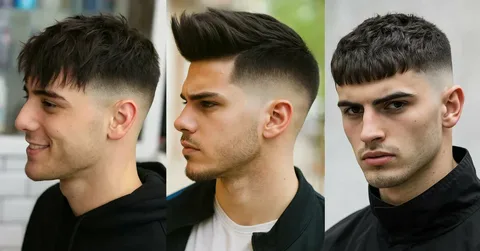
The crew cut has stayed in demand for one reason. It suits almost every face shape, hair type and lifestyle without needing modification. Short clean sides, a slightly longer top that shows natural texture, and a taper at the neckline and sideburns. Nothing about it is extreme or dependent on fashion.
Asking for it accurately is what separates a good crew cut from a generic short back and sides. The defining feature is the graduation across the top, which runs longer at the front and shorter toward the crown, and it is the detail most men forget to mention. A useful request names three things: roughly an inch at the front, scissor work rather than clippers on top, and a taper at the neckline. The modern version also keeps enough length to show texture instead of cutting everything to one uniform level. That small allowance is what gives it a liveable, contemporary feel rather than a purely military one. Styling takes under a minute with a fingertip of matte clay. It also pairs cleanly with facial hair, since the short sides give a beard a defined starting point, and the pairings that work are covered in this guide to matching your beard to your haircut. For anyone who wants a short cut that never needs thinking about, this is the most dependable place to begin.
Short Textured Crop: Modern Style That Works With the Hair’s Natural Character
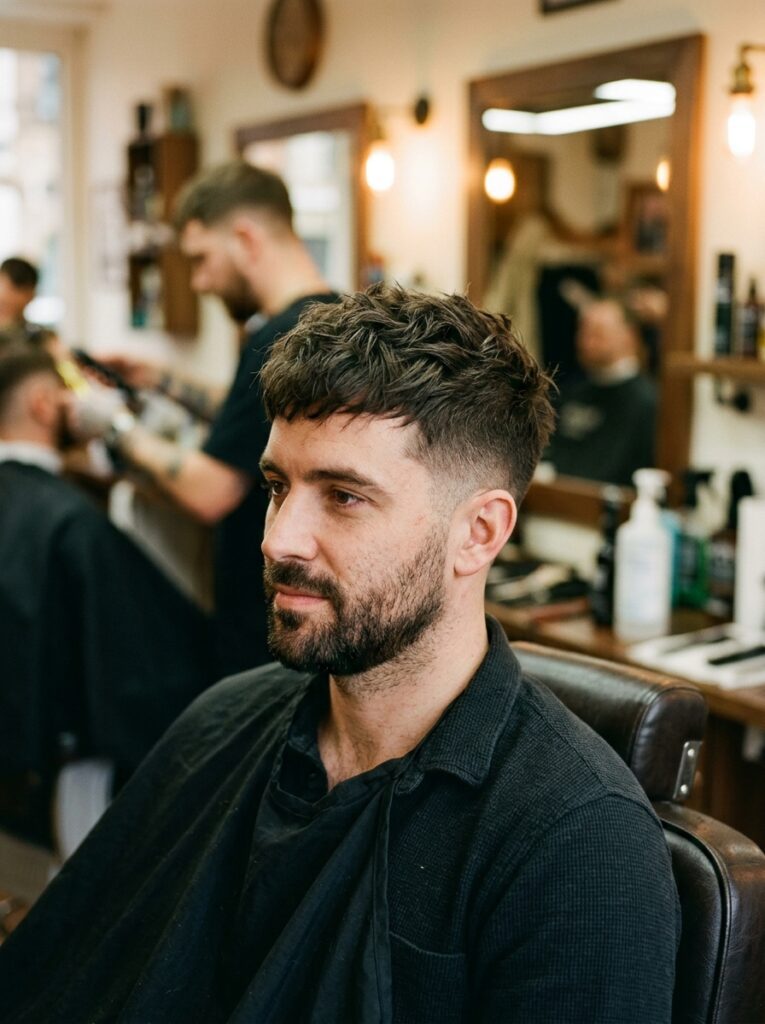
The short textured crop builds on the crew cut foundation by adding deliberate choppy layering on top. That layering creates visible dimension and movement with no extra product or effort. The texture is cut into the hair rather than styled in each morning, which is what makes this the low-maintenance modern cut that many other styles claim to be.
It suits straight, wavy and thick hair equally, since the layering works with whatever surface variation the hair already has. Fine hair gains the impression of thickness that uniform length cannot create. Thick hair loses the bulk that makes uniform short cuts look dense rather than sharp. A little matte clay sharpens the definition when a more polished result is wanted, and nothing is needed when the natural finish is enough. It is currently the most requested men’s haircut globally, and it earned that honestly.
French Crop: The Structured Short Haircut That Maintains Itself
The French crop separates itself from the textured crop through one feature. The fringe is cut blunt and sits at a defined horizontal line across the forehead. That gives the front of the haircut a deliberately structured quality that the crop’s softer forward fall does not have.
The fringe holds its position through its own weight rather than product, which makes this one of the genuinely self-maintaining short cuts. Where it sits is worth deciding carefully with the barber, since the line usually works best just above the eyebrows; higher and it looks severe, lower and it interferes with vision. Two things affect whether it lies flat. A cowlick at the front hairline pushes the fringe up, and point cutting into the underside breaks that weight so it settles. Very curly hair also lifts rather than falls, so the fringe needs cutting shorter and more textured. There is a practical benefit worth naming: the forward fringe covers a receding front hairline more effectively than almost any other short cut. Square faces gain from the horizontal line, which counterbalances the jaw’s angles, and wide foreheads look narrower with a lower visual reference point. Anyone who prefers a softer, less blunt front should compare it with the textured fringe haircut.
Caesar Cut: The Short Haircut That Handles Hairline Concerns Quietly

The Caesar combs the fringe forward across the forehead at a uniform short length throughout. The fringe is less deliberately blunt than the French crop’s. It falls more naturally with a softer edge. The even length across the whole cut creates the balanced, uncomplicated look that has kept the Caesar in circulation for decades.
It works particularly well for men with a gradually receding hairline, since the forward direction pulls attention toward the lower forehead rather than the hairline itself. Round faces also benefit, because the horizontal fringe adds width at the top of the face without drawing attention to itself. Minimal product is needed. The short even length and forward direction both sit in place naturally through the day.
Ivy League Cut: The Short Haircut for Men Who Need One Style for Everything
The Ivy League covers the widest range of occasions from a single appointment. It runs slightly longer on top than a crew cut, which gives enough length to brush neatly to one side for formal settings or to leave textured for casual wear. One haircut produces several appropriate presentations across a working week.
What makes that range possible is the length graduation. Around two inches at the front tapering shorter toward the crown gives the hair enough to comb without becoming a mass that needs controlling. The three finishes take almost no extra time. Comb it damp with a light cream for a professional day. Finger-shape it with matte clay for something contemporary. Leave it entirely for a casual one. Nothing changes at the barber between them. The cut suits oval and oblong faces particularly well, since its balanced proportions complement natural symmetry. It also flatters men who wear glasses, because the clean sides keep the temple arms visible rather than buried in hair. Growth is kind too, holding its shape for four to six weeks, which is part of why it appears so consistently among professional haircuts for men.
Low Fade Haircut: The Clean Perimeter That Improves Every Other Short Cut
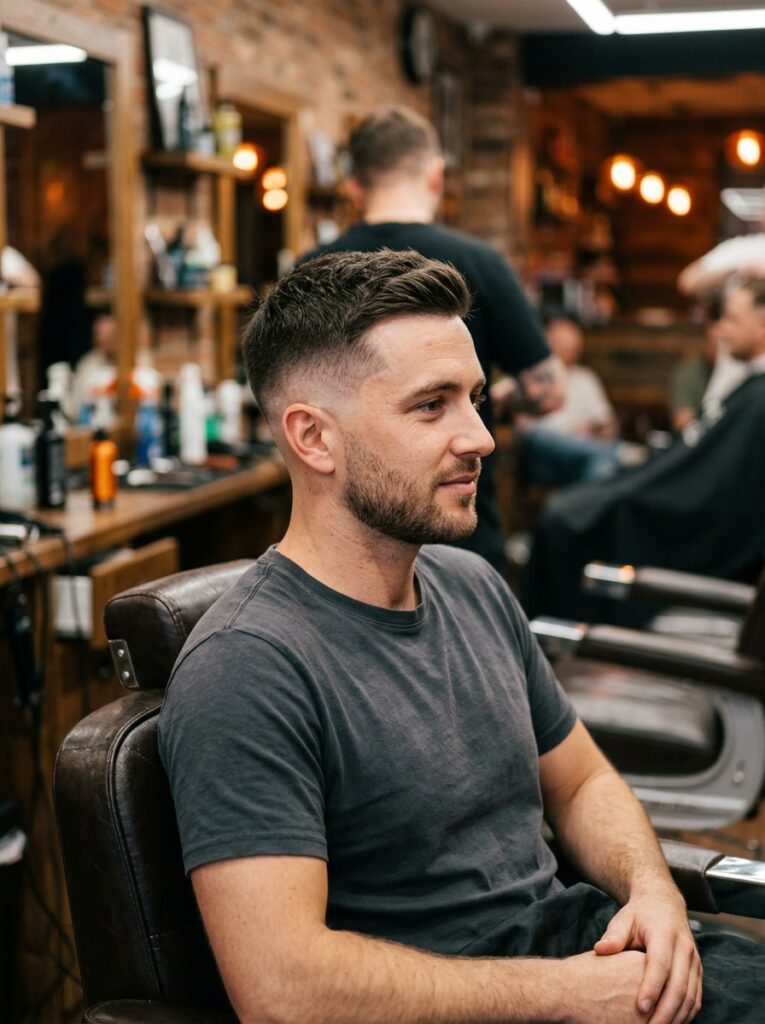
A low fade is less a standalone haircut than a technical approach that improves nearly every short style it is added to. The hair graduates shorter from the natural hairline upward at the sides. That smooth transition makes the whole cut look properly barbered from every angle instead of simply cut short.
Because it starts close to the hairline and rises only modestly, the look stays conservative enough for any professional environment. It still adds the maintained, contemporary quality that distinguishes a deliberate haircut from a basic trim. Pairs naturally with crew cuts, textured crops, French crops and side parts. It also grows out more gracefully than higher versions, since gentle graduation takes longer to show regrowth than a high or skin fade. This is the first upgrade worth asking for regardless of what sits on top.
High and Tight: The Boldest Conservative Short Haircut Available
The high and tight takes the sides very short, beginning high toward the temples, while the top stays as a compact section clearly defined above them. The contrast between the two is immediate and strong. That contrast is what makes the cut feel bold despite the short length throughout.
One thing deserves honest consideration before booking it. This cut exposes the crown and the back of the skull completely, so an uneven head shape, a prominent occipital bone or a thinning crown all become visible. Anyone unsure can test the water with a slightly longer version first. In clipper terms, a common combination is a zero or one on the sides against a two or three on top, and naming numbers avoids ambiguity at the chair. Upkeep runs to every two or three weeks, since the sharp contrast is the entire point and blurs quickly. Square and oval faces suit it, as the definition at the sides frames their proportions clearly. It is also unusually practical in hot climates and physically demanding work, because the minimal length removes any heat or sweat concern. Anyone drawn to it should compare it with the buzz cut, which shares the same practicality with less contrast.
Short Quiff: Volume and Character Without Any Demanding Daily Routine

The short quiff lifts the front section to create the visual character that plain short cuts cannot supply. The hair rises upward and pushes slightly back from the forehead. That height at the crown draws the eye upward and adds a confident, considered quality.
Round faces gain the most, since the lift elongates the proportions and creates the vertical length these faces benefit from. Medium and thick hair holds the direction naturally. Fine hair usually needs a volumising product to keep the lift through the day. A medium-hold clay or paste applied to damp hair, then blow-dried upward with a brush, is the technique that produces the most reliable result across every hair type.
Classic Taper Cut: The Foundation That Every Short Haircut Is Built From
The classic taper is the technical principle behind most well-executed short cuts. The hair shortens gradually from the crown down toward the neckline and sideburns. That smooth transition reads as carefully maintained without anything extreme or fashion-led in the result.
The neckline is where the taper earns its reputation, and it is worth knowing the three options. A blocked neckline is cut straight across, which looks sharp for about ten days and then grows into a visible ledge. A rounded one softens the corners but still leaves an edge. A tapered neckline fades into the skin and simply gets softer as it grows, which is why it stays presentable for weeks longer. Ask for the tapered version by name at every appointment. The same logic applies at the sideburns, where a hard line dates a cut quickly. A taper alone with a natural finish on top suits every face shape, since its proportions are inherently balanced, and every hair type, since it works with the natural growth direction. Anyone wanting a slightly sharper modern reading of the same idea should look at the low taper fade, which applies the principle with a shorter finish.
Short Side Part: Structure and Sophistication in One Clean Line

A short side part adds one clearly defined structural element to a short cut. That single line immediately raises its formality and its impression of care. The part runs from above the temple back toward the crown, dividing the top into two sections that fall differently and creating a symmetry that unstyled short cuts never carry.
Oblong and square faces suit it particularly well. The diagonal line introduces a horizontal element across the upper face, which shortens the perceived length of an oblong face and softens the strong horizontal of a square jaw. A light-hold product with a fine-tooth comb gives the defined version for formal days. Less product and a finger-combed direction produces a relaxed contemporary reading of the same structure for creative settings and weekends.
Short Pompadour: Modern Volume With a Heritage Character
The short pompadour keeps the front longer than the rest of the top and sweeps it upward and back. That creates a defined volume at the front of the cut. The modern version is softer and less lacquered than the heavily gelled original, which makes it far more wearable day to day.
The routine takes about ninety seconds once the order is right. Mousse into damp roots first, then dry the front upward and back with the fingers or a brush, then set the shape with a medium-hold matte pomade only once the hair has cooled. Applying product before drying is the most common error, because it weighs the roots down and the height disappears within the hour. Thick hair holds the swept direction with almost no help. Fine hair needs the mousse and a little more attention through the day. Heat is the variable to manage, since daily high-temperature drying dries the hair out, and dermatologists list it among the habits that damage hair most; a medium setting and a heat protectant handle that. Oval and round faces gain the most from the crown height.
Regulation Cut: The Professional Short Haircut That Never Gets Anything Wrong

The regulation cut communicates disciplined grooming more directly than any other short style. Short sides, a slightly longer top, a clean taper at the neckline and a natural finish that needs no product. It came out of military grooming standards and still carries that association with precision and reliability.
It performs especially well in professional environments where presentation is expected to signal competence and attention to detail. The cut also grows out evenly and keeps looking intentional for several weeks, because its conservative proportions mean growth barely changes the overall shape until it has progressed a long way. For men who want a haircut that says nothing except that they look after themselves, this is the most direct route.
Spiky Crop: Energy and Personality in a Short Package
The spiky crop uses upward direction in individual sections to add a youthful, energetic quality that flat-lying cuts cannot reach. These are not the rigid gelled spikes of earlier decades. The modern version is softer and more organic, built with matte products that allow movement inside the overall upward direction.
Application technique decides whether it looks current or dated. Warm a small amount of matte wax or clay fully between the palms, then work it through completely dry hair rather than damp, because damp application spreads the product too evenly and flattens the definition. Pinch sections between the thumb and forefinger to shape the tips instead of raking with the whole hand. Avoid anything with shine, since a reflective surface separates the sections and makes the scalp more visible underneath. Product does build up on the scalp over weeks, so a clarifying wash on a sensible schedule keeps things comfortable, and the American Academy of Dermatology’s hair care guidance is a reasonable reference for frequency. Oval and square faces suit the style, and straight to moderately thick hair holds the direction with the least effort.
Short Messy Crop: The Haircut That Gets Better as the Day Progresses

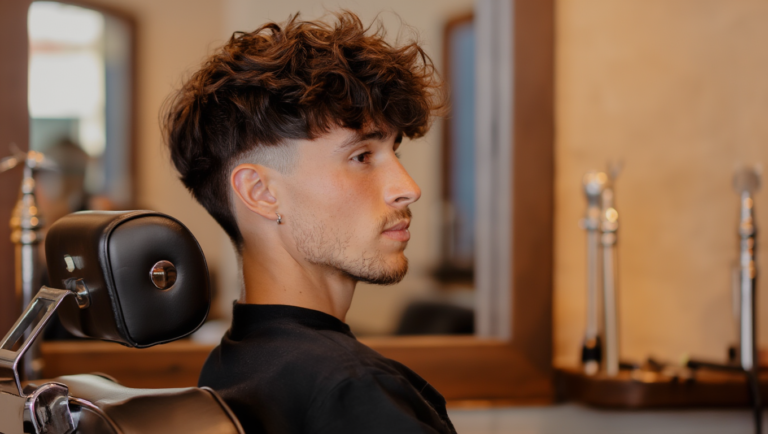
The short messy crop is for men who want something that reads as casual and relaxed rather than deliberately arranged. The slight disorder in the surface texture suggests ease and confidence. More structured cuts communicate the same thing through order instead of informality.
The difference between intentionally relaxed and simply unstyled sits entirely in the cut underneath. A well-cut messy crop has deliberate texture and weight distribution built in by the barber, which creates the right kind of disorder rather than a random one. A haircut that is merely growing out looks exactly like that. A small amount of matte clay or sea salt spray on slightly damp hair, worked through with the fingers, is all it takes to look like the easiest haircut in the room.
Finding the Right Short Haircut for Your Specific Situation
Every cut on this list works better in some circumstances than others. Understanding which variables matter most avoids the most common barbershop mistake, which is choosing a style on appearance alone.
Face shape determines which cuts flatter your proportions and which fight them. Hair type determines which styles hold naturally and which need daily product to survive. Lifestyle and available morning time set the realistic maintenance ceiling. Your working environment decides what level of formality the cut has to reach on the days it matters.
Getting clear on all four before the appointment produces a better outcome than any single step. Bring a reference photo as well, ideally showing the style on a similar face shape and hair type. That one image remains the most useful thing anyone can take into a conversation about a new haircut.