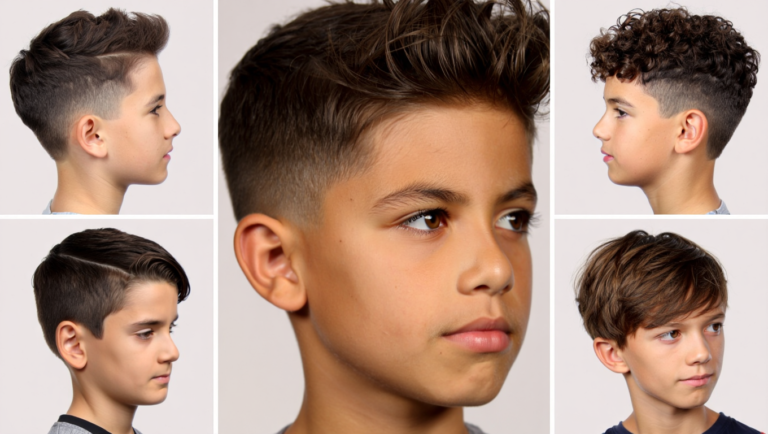

Modern Undercut Hairstyles for Boys: Trendy Looks to Try

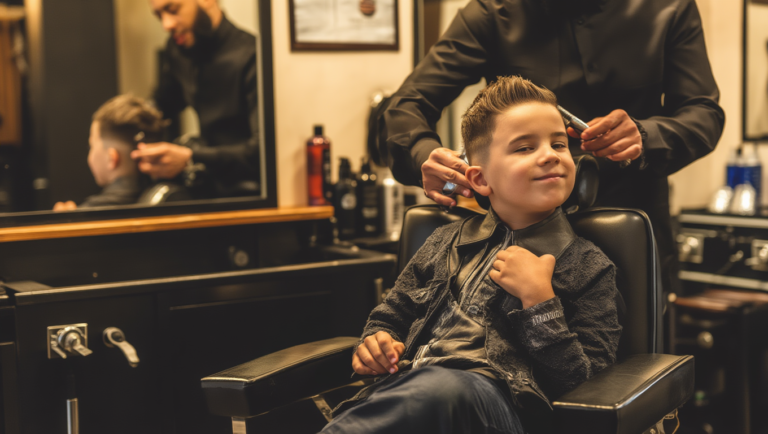
The undercut is one of the most requested boys’ haircuts in barbershops anywhere. The appeal is easy to see: closely clipped sides against longer hair on top produce a contrast that looks sharp from every angle.
What most guides skip is that “undercut” is not one haircut. It is a family of at least a dozen, and they differ enormously in how often you will be back in the barber’s chair. This guide covers the variations and, just as importantly, what each one actually asks of you.
Decide This First: Disconnected or Blended
Before choosing any specific style, settle one question. Do you want a visible line between the top and the sides, or a smooth gradient?
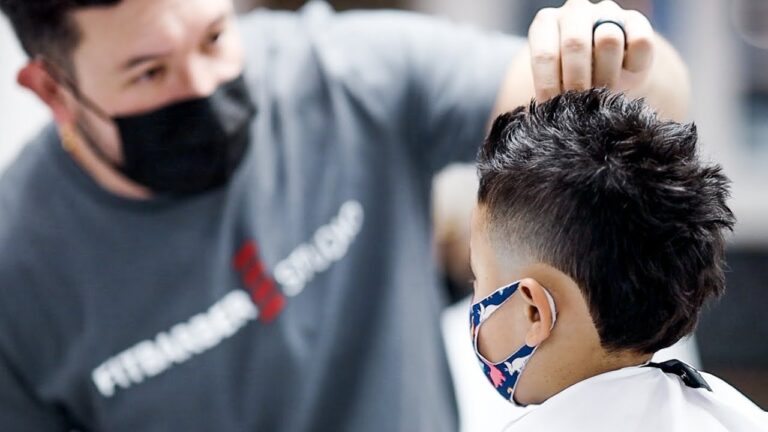
A disconnected undercut leaves a hard edge where the long top meets the short sides. It is the bolder, more graphic version. It is also the one that looks wrong fastest, because regrowth blurs that edge within about two weeks.
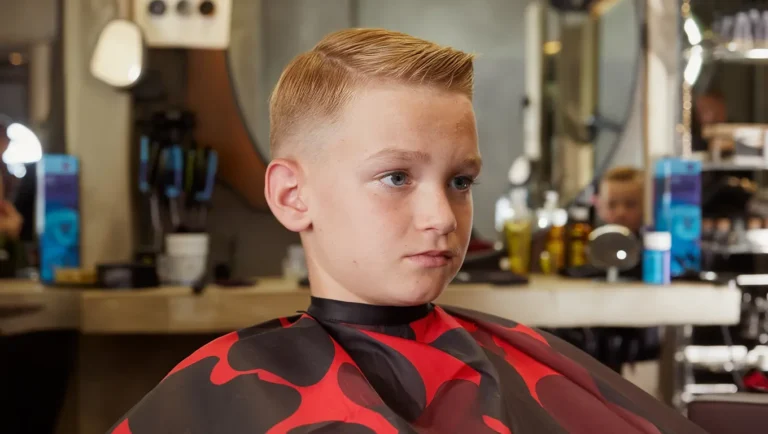
A blended undercut fades the two together. It reads softer, suits conservative school settings better, and holds its shape for three to four weeks instead of two.
Almost every style below comes in both forms. Answering this question first means you are choosing between two versions of a cut rather than fifteen unrelated ones.
Classic Undercut
Closely clipped sides, noticeably longer hair on top, no fade in between. It is the original and it still works.
Straight, wavy and thick hair all carry it well. The top can be slicked back for an occasion or tousled for a Saturday, which is most of why it has lasted. Pomade gives the sleek finish, matte clay the natural one.
Disconnected Undercut

The sharpest version available. A clearly visible separation line divides the long top from the shaved sides, with no blending to soften it.
Thick or straight hair holds that separation most cleanly through an active day. Fine hair tends to fall into the gap and blur the effect the cut depends on.
Go in with open eyes about the schedule. Two weeks is realistic before the line softens. If that is not workable, take the blended version instead of being disappointed.
Undercut Fade
The undercut structure with a graduated fade replacing the hard line. It is the most universally flattering option here and the one most barbers will suggest if asked.
The fade can start high, mid or low. High gives drama, low gives restraint and stretches further between visits. Every hair type takes it. The fade heights are compared properly in our taper fade guide for boys.
Curly Undercut

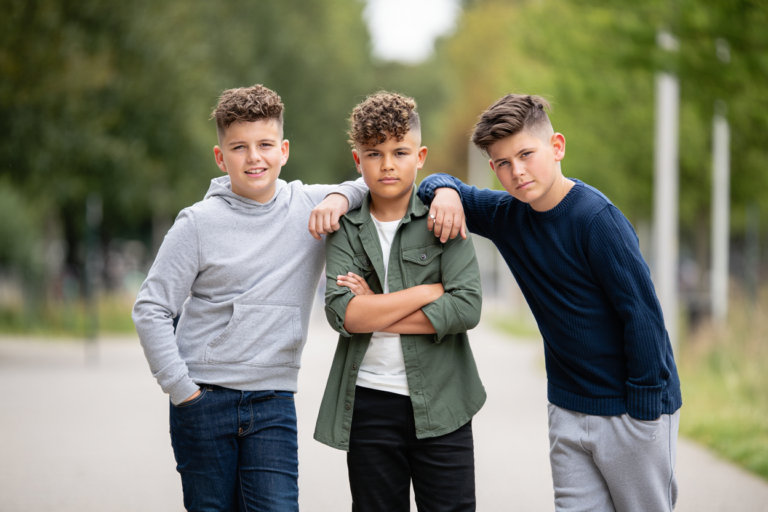
Tight faded sides beneath defined curls. The contrast between precise clipper work and organic texture is what makes this one of the best-looking options for curly-haired boys.
Ask for the top to be cut dry so the barber can see where each curl actually sits. Curl cream on damp hair and finger-shaping is the whole routine. Skip thinning shears through the curls, which cause frizz rather than removing bulk.
Round and oval faces suit it especially, and the options by curl type are covered in our guide to boys’ haircuts for curly hair.
Undercut with Fringe
A longer top falling forward into a defined fringe above clipped sides. The fringe frames the forehead, which suits boys with wider foreheads particularly well.
It can sit straight across for a sharp finish or sweep to one side for something softer. Straight and wavy hair handle it best. Light wax or salt spray holds it without stiffness.
Slicked-Back Undercut

The most formal option in the list. The top is combed straight back, the sides stay short, and the result reads noticeably more grown-up than the alternatives.
It suits oval, square and oblong faces, since sweeping the hair back draws attention upward. Apply product to damp hair, comb back, and blow-dry while combing to set the direction.
One practical caution for younger boys. This is the style that most needs redoing if he runs around at break time, so it works better for events than for ordinary school days.
Textured Undercut
Cropped sides with a choppy, deliberately uneven top. The texture is cut into the hair rather than created with product, which is why it holds up on mornings when nothing gets done to it.
It suits straight, wavy and fine hair equally, and it genuinely helps thick hair by removing bulk instead of suppressing it. Texturising spray and a little clay is all it needs.
Of everything here, this is the lowest-effort option that still looks like a deliberate haircut.
Undercut with Curtain Fringe

A centre or slightly off-centre part sweeping gently to both sides above clipped sides. It is currently the most requested version among older boys and teenagers.
Oval, heart and longer faces suit it best, because the outward sweep balances a wider forehead. Straight and wavy hair need no modification. Worn loose it reads casual; a little cream makes it look considered.
Undercut with Shaved Designs
Lines, geometric patterns or custom shapes cut into the shaved sides. This is where a haircut becomes genuinely personal, and most boys who want one have a specific idea already.
Thick, straight or wavy hair holds the lines most cleanly. High skin fades and drop fades make the best canvas.
Treat it as a short-term choice rather than a standing style. Patterns blur after two to three weeks, and the cost of keeping them sharp adds up faster than parents expect.
Undercut Crew Cut

A short textured top over high-contrast sides. It needs almost nothing in the morning, which is most of its appeal to parents.
Texture powder adds lift without weight. Thick and straight hair suit it best. It moves between school, sport and family occasions without ever looking out of place in any of them.
Undercut Man Bun
Tight sides with enough length on top to gather and tie. It is the natural choice for a boy growing his hair out who still wants structure at the sides during the process.
Blow-dry the top upward for volume, then shape with fingers. Texture clay gives control and a leave-in conditioner keeps it smooth.
There is one thing worth knowing before this becomes a daily habit. Hair tied back tightly and repeatedly pulls on the follicle, which can cause traction alopecia. Guidance from the American Academy of Dermatology on hairstyles that pull gives a simple test: if it hurts, it is too tight. Tie it loosely, vary where the bun sits, and leave it down on some days.
Matching the Undercut to His Face Shape
Face shape narrows the list quickly once you know what each one needs.
Round faces want height, so textured tops, quiffs and slicked-back versions with a higher fade work best. Square faces suit the classic undercut and the crew cut, which soften a strong jaw while keeping the cut sharp. Oval faces take any version without modification.
Longer or rectangular faces need width rather than height, which means side-swept or textured tops over a classic undercut instead of a tall style. Diamond faces do best with a side-swept fringe, which softens prominent cheekbones. The full breakdown sits in our guide to boys’ haircuts by face shape.
Which Product for Which Version
Matching product to style makes a visible difference, and most households only need two of these rather than all five.
Pomade suits slicked-back and polished tops. Matte clay suits textured and casual ones. Texturising spray adds movement with very little weight. Curl cream defines and controls frizz on curly tops. Salt spray gives light hold and movement to wavy hair.
Use a fraction of what an adult would. Most boys need roughly a pea-sized amount, and too much is the single most common reason a good cut looks greasy by lunchtime.
The Honest Upkeep Question

Undercuts demand more barbershop time than almost any other boys’ haircut category, and that is the part worth thinking through before the first appointment rather than after the third.
The reason is structural. The sides are the shortest hair on the head, so every millimetre of growth shows against the long top. The top can grow for two months unnoticed. The sides cannot.
Realistically: disconnected undercuts and skin fades need two to three weeks. Blended fades stretch to three or four. Shaved designs need two, sometimes less.
If a monthly appointment is the most your schedule allows, choose a low blended fade with a textured top and skip the disconnected versions entirely. It will look intentional at week four in a way the sharper cuts simply will not. For styles built around exactly that constraint, see our guide to low-maintenance boys’ haircuts.
Between visits, wash two to three times a week and apply product to damp hair rather than dry. That is the entire maintenance routine for every version above.