Layering Outfits for Men: Stylish Looks for Every Season
Layering Outfits for Men: The Ultimate Style Strategy
Layering is one of the most powerful styling skills any man can develop. It adds depth, texture, and visual interest to even the simplest wardrobe pieces. Because it also helps you adapt to changing temperatures throughout the day, you can move from a cool morning to a warm afternoon without changing your entire outfit.
Layering also maximizes the wardrobe you already own. The same shirt, jacket, or sweater combines with different pieces in multiple ways, which gives you far more variety without spending more money. Whether the goal is casual, smart casual, or formal, this guide covers every layering approach worth knowing for every season.
The 3 Core Layers Every Man Needs to Understand
View this post on Instagram
Before building any layered outfit, understanding the three core layers makes everything else easier.
The base layer sits closest to your body. It should always be the thinnest, lightest piece in the combination. A fitted t-shirt, henley, or performance tee works well here because these pieces stay close to the skin without adding bulk.
The mid layer is your insulating piece. Sweaters, hoodies, cardigans, and shirt jackets all belong in this position. The mid layer adds visual interest and warmth between the base and outer pieces.
The outer layer is the jacket, blazer, coat, or overshirt that ties everything together. Each layer must fit well on its own before you combine them. When every piece looks presentable independently, the combined result looks intentional and polished rather than thrown together.
Winter Layering: Rich, Textured, and Built for Cold Days
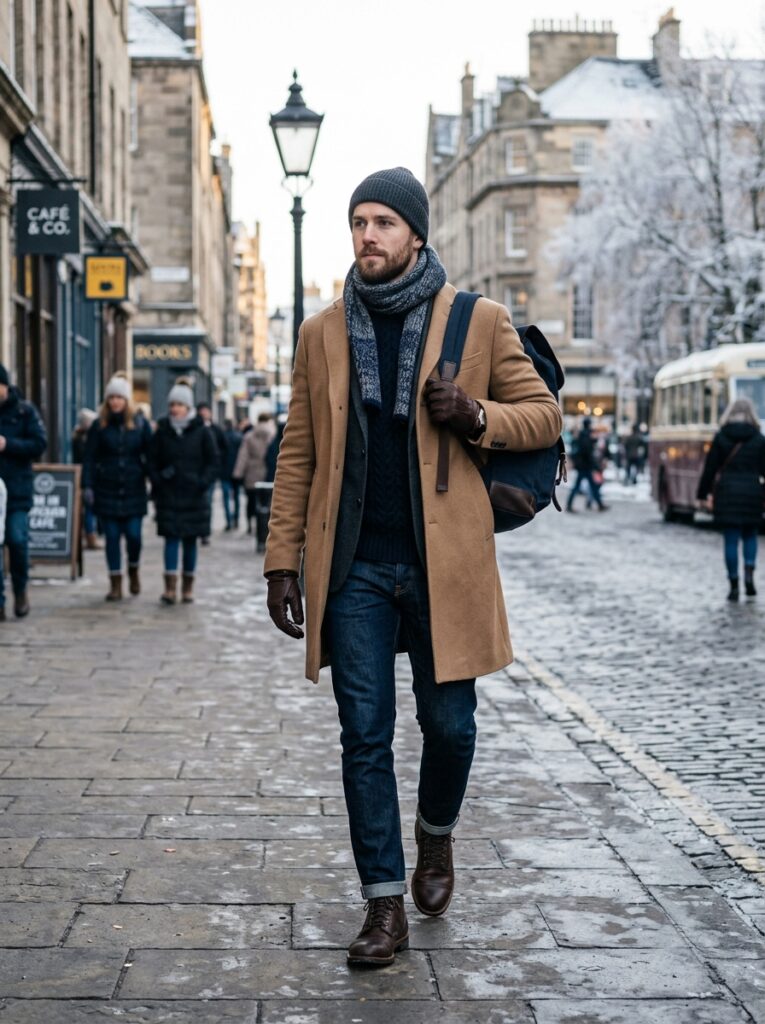
Winter is where layering truly delivers its strongest results. Cold temperatures create the perfect opportunity to build rich, visually deep combinations that would not work in any other season.
Start with a thin performance base layer that wicks moisture away from the skin. Add a chunky knit sweater, crew neck, or wool cardigan as the mid layer for warmth and genuine visual character. Layer a structured outer piece such as a blazer, overshirt, or light jacket over the mid layer for shape and definition. Finish with a wool overcoat, down jacket, or parka as the outermost piece.
Accessories complete a winter layered look in a way that clothing alone cannot. A stylish beanie, a light scarf, and fitted gloves add both warmth and personality to the overall combination. Stick to a cohesive neutral palette throughout. Navy, grey, olive, and camel work together naturally across every winter combination. Always check that you can remove one layer without destroying the overall silhouette underneath.
Spring Layering: Light, Breathable, and Effortlessly Sharp
View this post on Instagram
Spring weather is unpredictable, which makes lightweight and packable layers the most practical choice throughout this season. Mornings are cool while afternoons warm up quickly, so flexibility matters more than warmth.
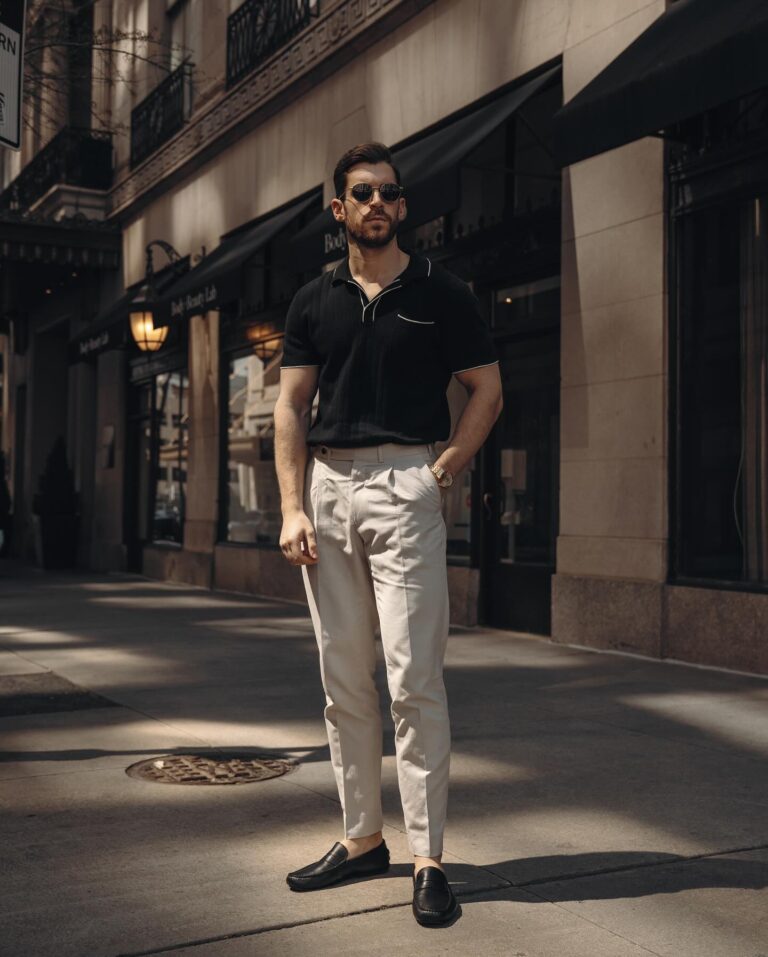
A fitted tee as the base layer pairs naturally with an Oxford shirt worn open over the top. An unstructured blazer in canvas, suede, or linen adds a polished seasonal touch without feeling heavy. Finish with chinos and clean white sneakers or loafers for a complete and well-balanced spring combination.
Spring is also an ideal season for texture play. Crochet tops, mesh overlays, and satin-accented shirts add tactile interest without extra weight. Cropped jackets in canvas or nylon layer well over tees or lightweight knits. Spring layering should feel effortless, breathable, and genuinely considered at the same time.
Summer Layering: Stylish Without the Heat
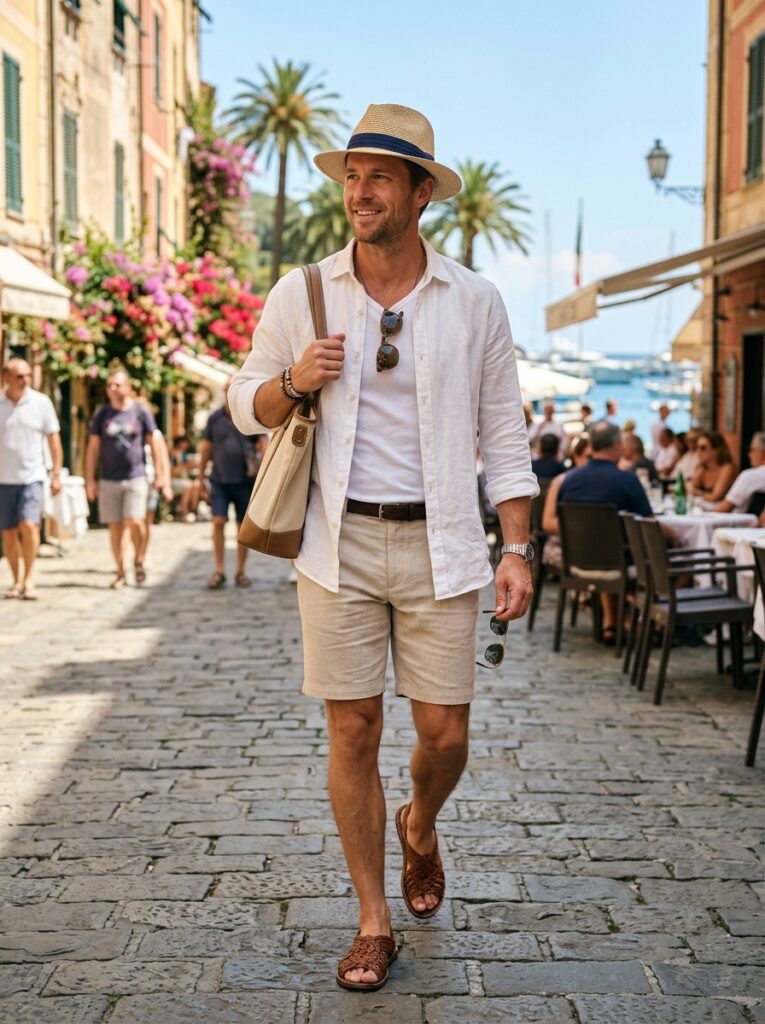
Many men assume layering is impossible during summer. With the right fabric choices, however, smart summer layering is absolutely achievable and genuinely worthwhile.
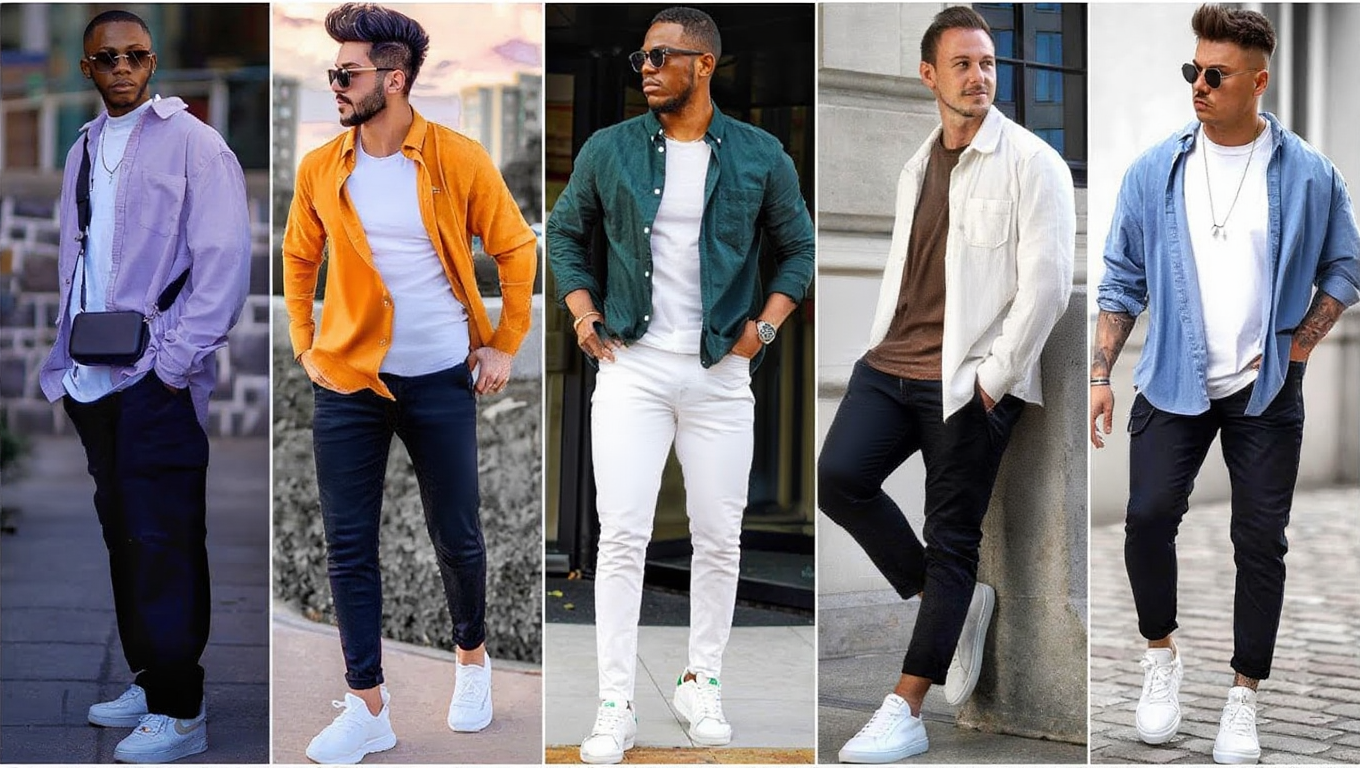
The key is selecting breathable, lightweight materials like linen, cotton, and seersucker. These fabrics allow air circulation while still creating visual depth. A white linen shirt worn open over a fitted tee, for example, creates an effortless summer layered look that works across multiple casual settings.
A pastel short-sleeve button-up left open over a plain tee adds personality without extra warmth. A classic white tank tucked into tailored shorts, topped with an open overshirt, delivers a polished yet practical summer outfit. Accessories enhance summer layering as well. A straw fedora, silk scarf, or Panama hat adds sun protection while completing the aesthetic. Summer layering works beautifully as long as fabric breathability remains the top priority throughout every combination.
Fall Layering: Earthy Tones and Rewarding Texture
View this post on Instagram
Fall is arguably the best season for layering. Cooler temperatures, earthy color palettes, and rugged fabrics come together naturally to create combinations that feel richly textured and genuinely masculine.
Start with a fitted henley as the base layer. Add a plaid flannel shirt worn open over it for a relaxed, casual quality. A suede jacket or field jacket over both pieces creates a look that works well for casual dates, evening hangouts, and weekend outings. Pair with raw denim and clean boots to complete the outfit.
Cardigans work exceptionally well in fall layering. A blue microcheck shirt under a dark green wool cardigan, topped with a tan field jacket, is a timeless and visually satisfying combination that requires minimal styling thought. Leather jackets layered over denim shirts and cotton pullovers add a bold, confident edge. Fall consistently rewards men who embrace texture, depth, and earthy color palettes fully.
Casual Layering: Relaxed Style That Still Looks Intentional
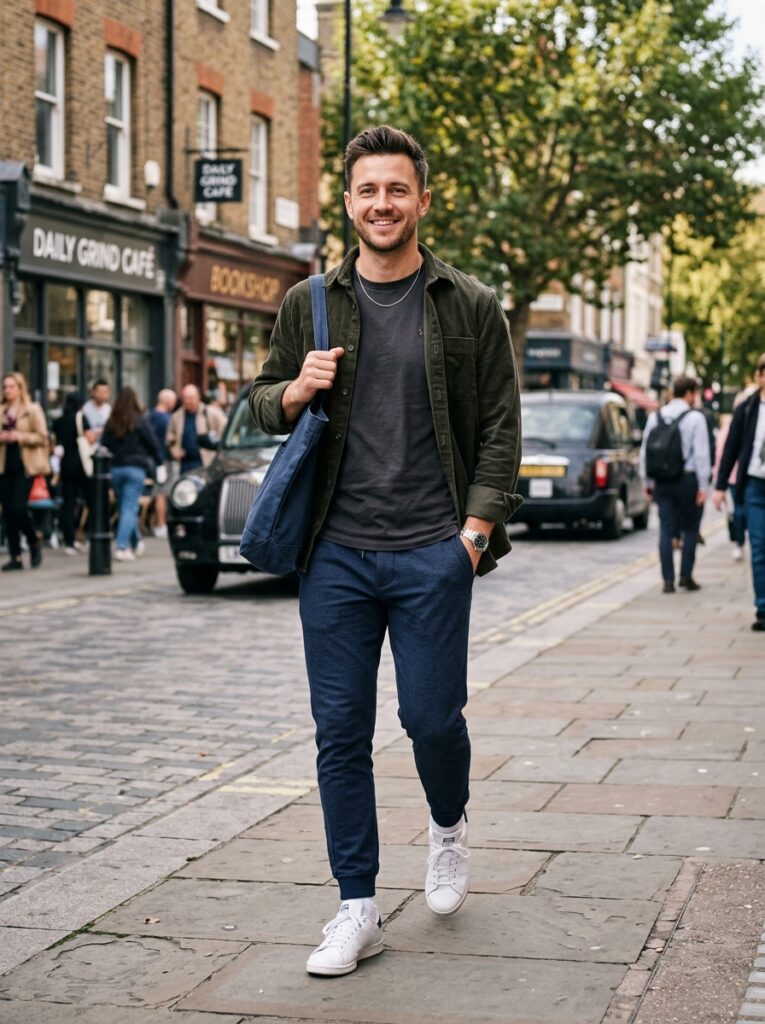
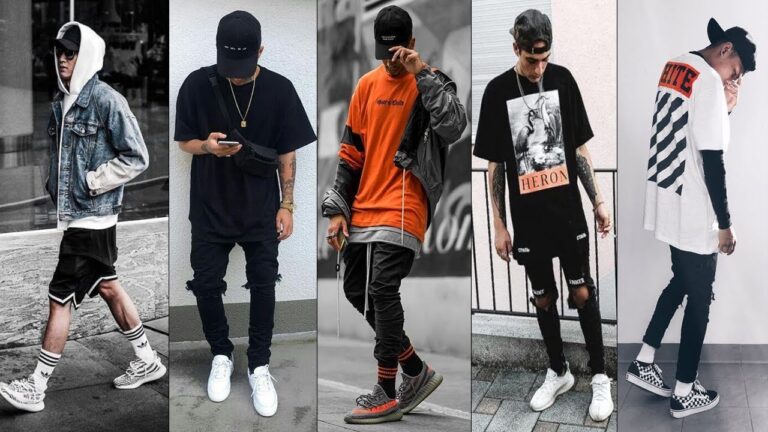
The best casual layered looks are built from simple, reliable pieces rather than complex or unusual combinations. A t-shirt combined with an overshirt and joggers creates an effortlessly street-ready outfit. A henley paired with a flannel shirt and slim jeans suits weekend errands and casual hangouts equally well.
A light vest worn over a crew neck sweater and a white button-down shirt adds a smart-casual edge without formal effort. Pair with dark wash jeans and clean sneakers for a complete casual layered combination. A cardigan layered over a plain tee works for relaxed evenings out or low-key social settings.
Proportions are the most important consideration in casual layering. Avoid stacking too many long layers together because it creates a shapeless, visually heavy silhouette. Keep the overall outline clean and balanced. Remove any outer layer and check that the layers underneath still function as a complete, presentable outfit on their own.
Smart Casual Layering: From Office to Evening
View this post on Instagram
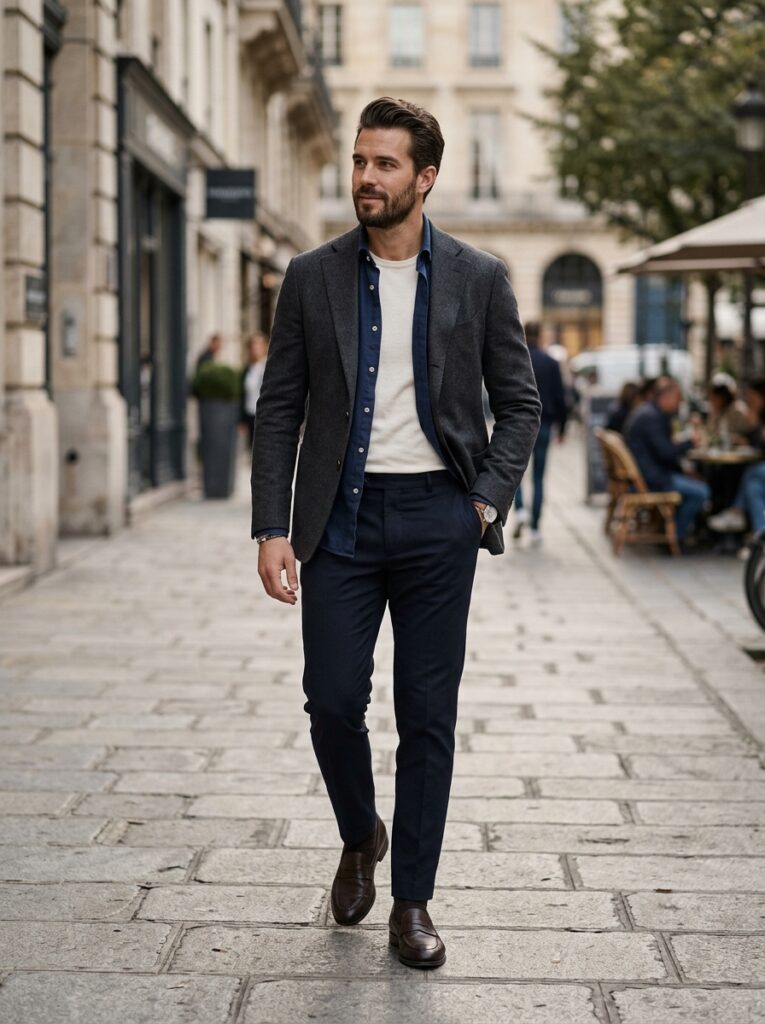
Smart casual layering is one of the most practically useful categories for modern men who move between different settings throughout the day. A white t-shirt under a light grey Oxford shirt, topped with a navy unstructured blazer, creates a versatile combination that transitions easily from a casual lunch to a client meeting without any outfit change.
A turtleneck paired with a blazer and tailored trousers delivers a sleek, polished appearance without needing a tie. An Oxford shirt with a crew neck sweater and dark chinos suits creative offices and smart casual evenings with equal ease. The shacket, which is a shirt-weight jacket, is another excellent smart casual layering piece. It is thick enough to function as an outer layer while looking intentional rather than purely practical. Smart casual layering consistently delivers maximum outfit impact with minimum daily effort.
Formal Layering: Polished, Structured, and Powerful
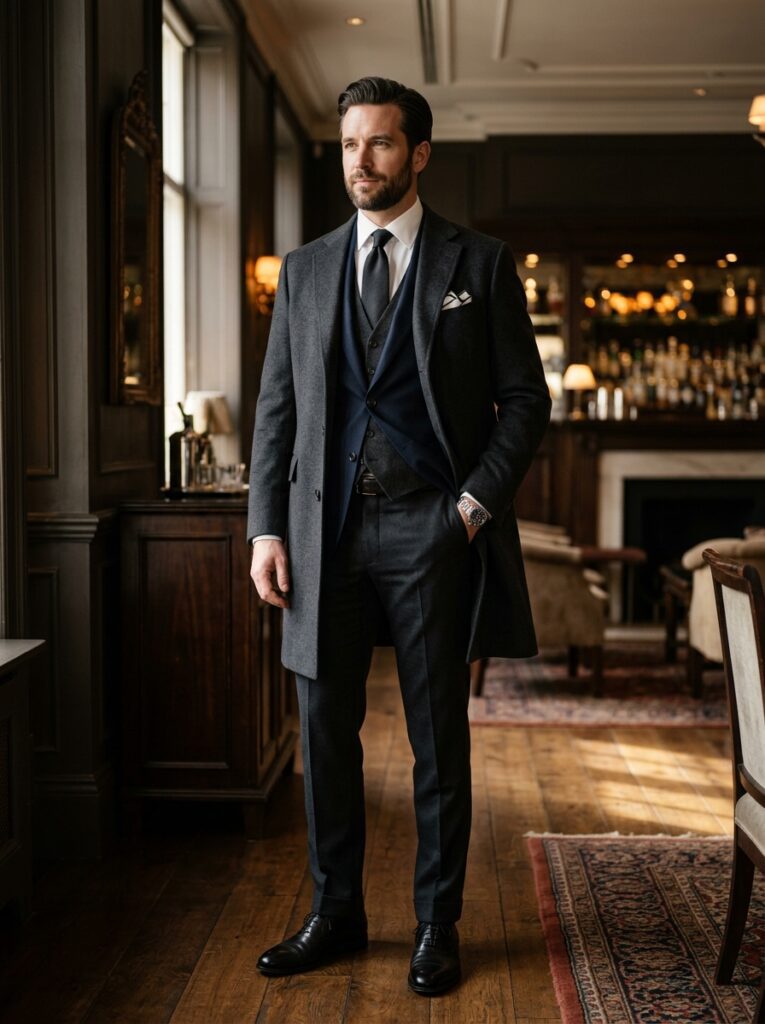
Formal layering requires a more deliberate approach to fabric, fit, and color than any other category. When executed correctly, however, the results are genuinely impressive.
A dress shirt layered under a vest, topped with a tailored suit jacket and finished with a wool overcoat, creates a richly layered formal look with real visual depth. A turtleneck under a blazer with tailored trousers offers a modern, tie-free alternative for formal occasions that lean slightly more creative. Pocket squares, tie bars, and scarves serve as essential layering accessories in formal contexts because they add color, pattern, and personality to an otherwise structured combination.
Stick to dressier materials like wool, cashmere, and tweed for formal outfits. Dark, neutral color palettes work best in professional settings. Formal layering is about intentional structure, quality fabrics, and accessories that refine the overall polished appearance rather than decorating it.
Color Strategy: How to Make Layered Outfits Look Intentional
View this post on Instagram
Color choices can make or break any layered outfit. The most reliable approach is neutral bases with one accent color. Neutrals like navy, grey, olive, beige, and camel work together harmoniously across all seasons and all layering categories.
Wearing lighter colors in the base layer and progressively darker shades in outer layers creates a visually sophisticated result. A light blue shirt under a dark navy sweater under a charcoal coat, for example, reads as refined and deliberate. Monochromatic layering, which means building an outfit in different shades of the same color, looks especially elegant in formal and smart casual settings.
When mixing patterns, always vary the scale. Pair a small check shirt with a larger stripe and a solid outer layer so the patterns coexist without competing. A thoughtful color and pattern strategy consistently transforms a layered outfit from average to genuinely sharp.
Fabric Rules That Every Man Should Know
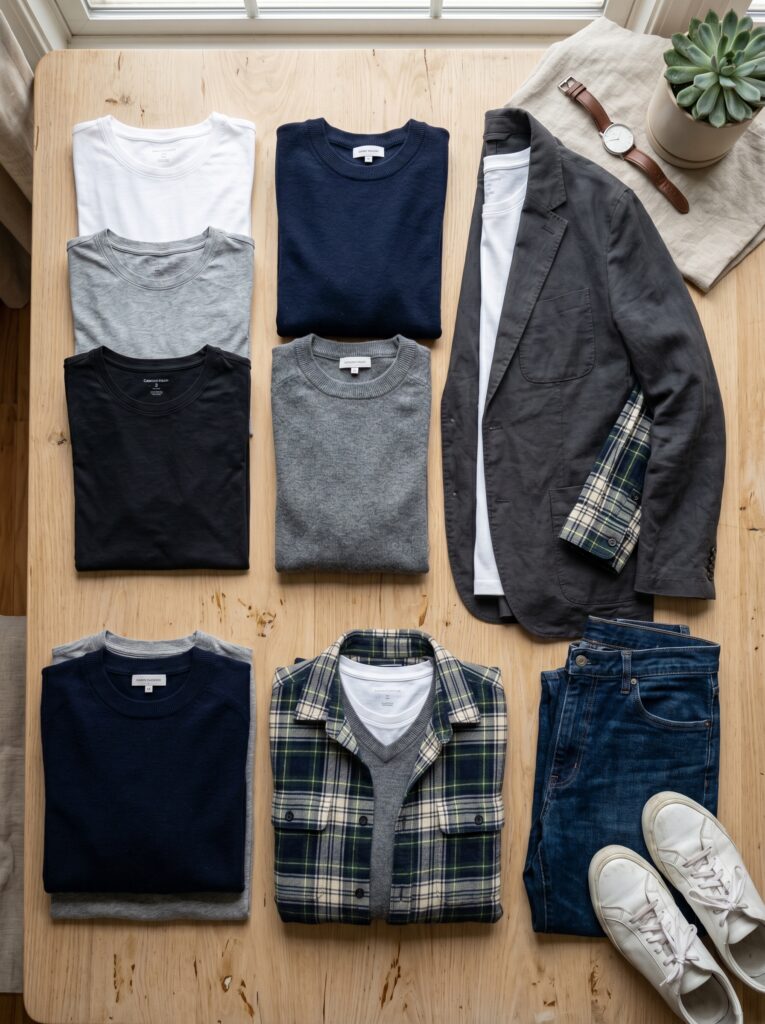
Understanding fabric is essential when building any layered outfit. The most important rule is to wear the thinnest, lightest fabrics closest to your body and progressively add heavier, thicker materials as you layer outward. This keeps the silhouette natural and clean rather than bulky.
Avoid wearing a thick layer under a thin one because this creates visible bulk that disrupts the proportions of the entire outfit. Stick to a harmonious mix of no more than three fabric types per outfit. Combining too many competing textures makes the look feel chaotic rather than considered.
Linen and cotton work best in spring and summer combinations. Wool, flannel, denim, and suede belong in fall and winter layering. Performance fabrics like moisture-wicking blends make excellent base layers year-round because they stay light, breathable, and genuinely comfortable throughout the day. Fabric awareness is the silent foundation of every great layered outfit.
Key Layering Pieces Every Man Should Own
View this post on Instagram
Certain wardrobe staples make layering significantly easier and more versatile. Investing in them pays off across every season.
A well-fitted crew neck sweater in grey or navy is one of the most hardworking layering pieces available. It pairs naturally with shirts below and jackets above. A quality overshirt or shacket in neutral flannel or canvas works as both a mid layer and an outer layer depending on the temperature. A tailored unstructured blazer in navy or olive bridges casual and smart casual layering immediately.
A lightweight technical jacket is essential for transitional weather. A simple white tee and a fitted henley are non-negotiable base layer staples because they pair with virtually everything. A wool overcoat finishes winter layered looks with elegance and warmth. Building your wardrobe around these core pieces gives you maximum outfit combinations with minimum long-term investment.
Common Layering Mistakes and How to Fix Them
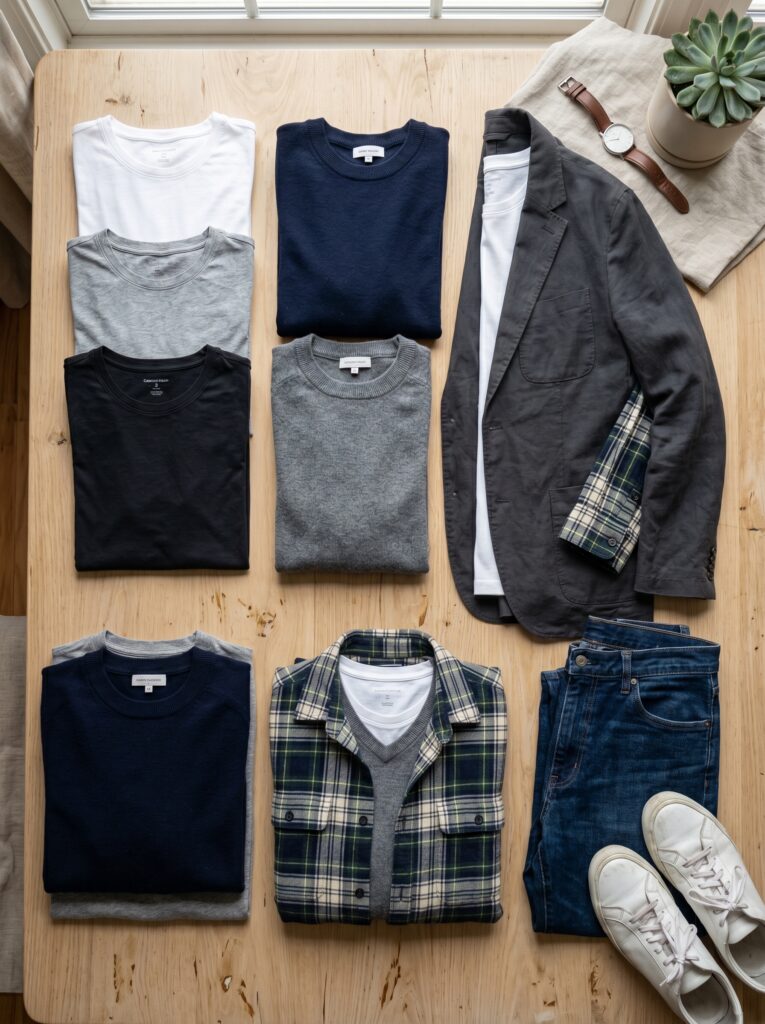
Even experienced dressers make layering mistakes that undermine the entire outfit.
Ignoring proportions is the most common error. Too many long layers stacked together create a shapeless, bulky silhouette. Vary the lengths so each layer sits slightly shorter than the one beneath it. Clashing fabrics create visual noise, so stick to a harmonious combination rather than mixing three or more competing textures in one outfit.
Many men wear graphic or worn-out tees as base layers under outfits where they may need to remove the outer layer. Always ensure every layer works as a standalone piece. Neglecting footwear is another frequent oversight because shoes are part of the layered combination and must suit the overall tone. Competing patterns without scale variation create a chaotic result rather than a considered one. Fixing these simple mistakes instantly elevates the quality and intention of every layered outfit.
Accessories That Complete Every Layered Look
View this post on Instagram
Accessories transform layering outfits from functional to genuinely polished. Never overlook them when building a layered combination.
Scarves are the most versatile layering accessory across all seasons. A wool scarf adds warmth and texture in winter. A lightweight silk or fine cotton scarf introduces color in summer without extra heat. Hats serve both functional and aesthetic purposes. A beanie suits casual winter layering while a Panama hat or straw fedora elevates spring and summer combinations. Watches and minimal jewelry add subtle personality without competing with the clothing itself.
For formal layering, pocket squares and tie bars refine the look significantly. Bags also function as layering accessories. A clean leather backpack or structured tote completes the layered aesthetic with genuine practical purpose. Thoughtfully chosen accessories are always the final step that makes any layered outfit feel complete and truly considered.
Building a Layering Wardrobe on a Budget
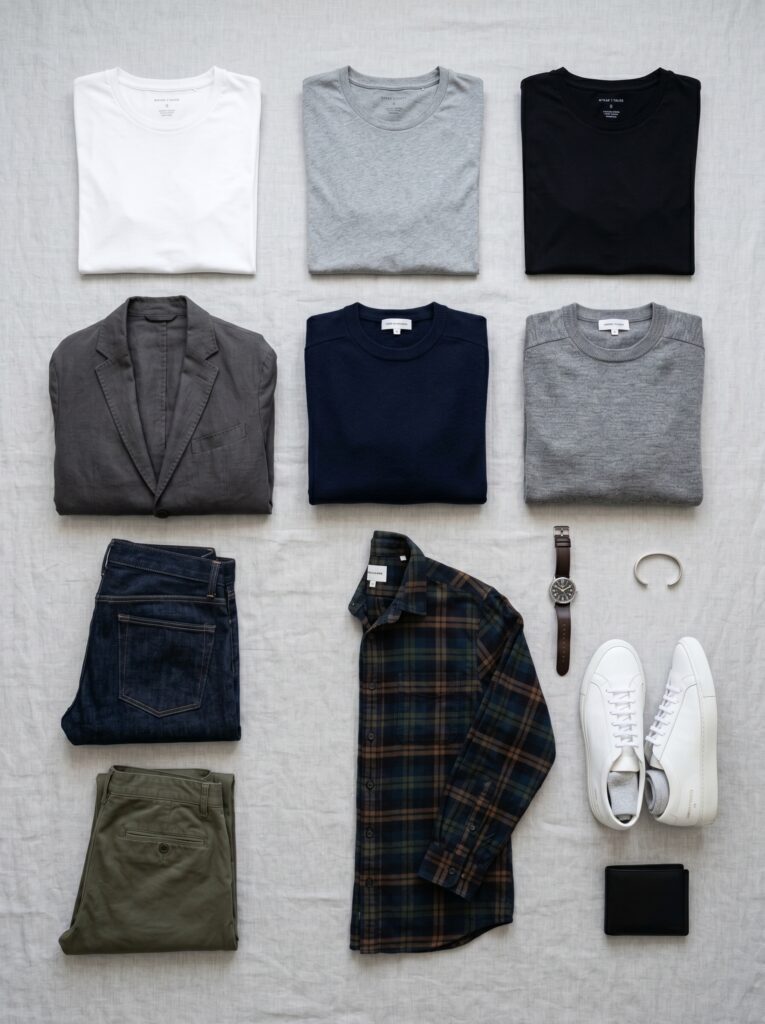
Stylish layering does not require a large wardrobe budget. Layering is actually one of the most budget-friendly styling strategies available because it multiplies the value of every piece you already own.
Start with a few quality fitted t-shirts in white, grey, and black. These serve as reliable base layers for virtually any combination. One or two quality sweaters in navy and grey cover the mid layer position across both casual and smart casual combinations. A single unstructured blazer instantly elevates casual pieces into smart casual territory without needing a full suit. A flannel overshirt doubles as both a casual mid layer and a standalone top, which means it earns its place in the wardrobe multiple times over.
By focusing on quality neutrals and versatile silhouettes rather than seasonal trend pieces, any man can build a genuinely stylish layering wardrobe without overspending or overcomplicating the process.