
Capsule Wardrobe for Men: 15 Essential Clothing Pieces Every Man Needs
Most men own wardrobes full of clothes they rarely wear. Impulse buys, trend pieces, and things that looked right on a model but never worked in real life. The closet fills up while the number of outfits stays roughly the same.
A capsule wardrobe fixes that at the foundation. It is a small, deliberate set of pieces that work as a system, where every item combines with at least five others. Nothing sits unused. Nothing needs a special outfit built around it.
The idea is older than the current wave of interest suggests. According to the documented history of the term, capsule wardrobes appeared in American publications as early as the 1940s. Susie Faux, who owned a London boutique called Wardrobe, revived the phrase in the 1970s, and Donna Karan took it mainstream in 1985 with a collection of seven interchangeable pieces. The principle has outlasted five decades of trends because it is structural rather than stylistic.
Buy Them in This Order
Fifteen pieces bought at once is a large outlay, and most men do not need to. Bought in the right order, the wardrobe becomes useful long before it is finished.
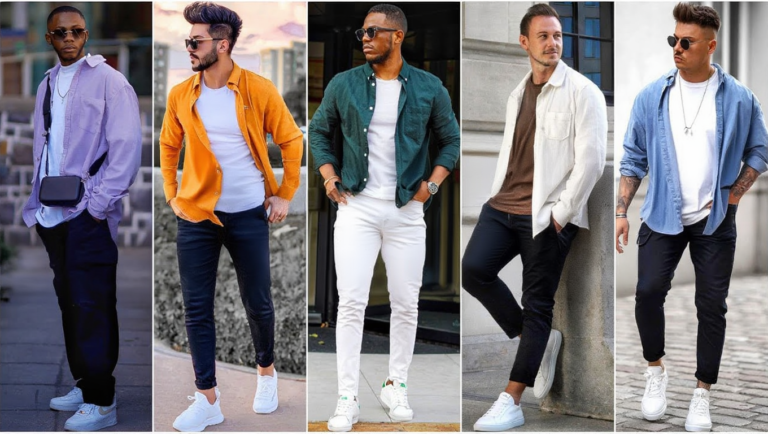
First five. White Oxford shirt, navy chinos, dark wash jeans, white t-shirt, white leather sneakers. Those alone produce a week of outfits that work.
Next five. Navy blazer, grey crewneck sweatshirt, Chelsea boots, leather belt, merino sweater. This is the tier that adds range, taking the same base from a weekend to a dinner or an office.
Last five. Trench coat, wool coat, polo, dark chinos, loafers. Outerwear and refinements. Expensive, and genuinely worth waiting for rather than buying cheap versions early.
One practical note on the two coats. A trench and a wool coat cover different weather, not different looks. If you live somewhere mild, buy the trench and skip the wool entirely.
White Oxford Shirt

No single garment does more work. Tucked with trousers for a meeting. Half-tucked with dark jeans for dinner. Open over a white tee at the weekend.
Oxford cloth has enough texture to avoid looking strictly formal and enough structure to avoid looking casual. Buy for the shoulders. A tailor can fix the body and the sleeves, but a shoulder seam landing in the wrong place cannot be corrected.
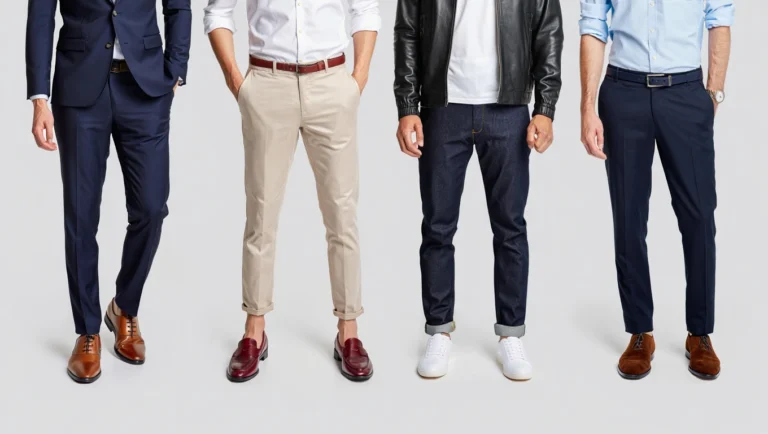
Navy Chinos
The trouser equivalent of the white shirt. Lighter than black, darker than grey, navy pairs with every neutral you own and most colours outside that range.
Slim fit reads as current, but only if slim is honest. If it pulls across the thigh, size up and have the leg tapered. A well-fitted navy chino with clean shoes and a simple shirt is already a complete outfit.
Dark Wash Jeans

A clean dark rinse with no distressing spans the widest range of occasions of any denim. Smart enough for a casual office, comfortable enough for a full Saturday.
Cut matters more than brand. Straight or slim straight in dark indigo, fitting through the seat and thigh without pulling. Keep one pair reserved for occasions where they need to look sharp, and they will stay sharp far longer.
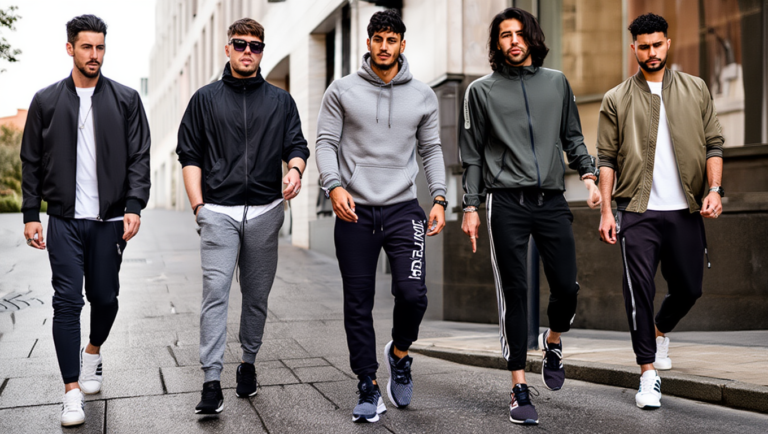
Grey Crewneck Sweatshirt
It sounds too ordinary to think about, then becomes the thing you reach for constantly. Heather grey has a neutrality that works against almost any other colour.
The crewneck sits better under outerwear than a hoodie, which adds bulk at the neck. Medium weight, relaxed but not boxy. It is what makes a low-effort day still look considered.
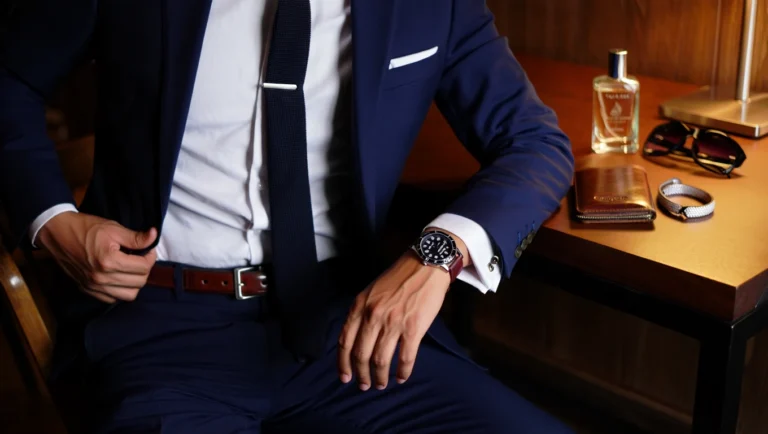
Navy Blazer

This is the piece that turns a collection of clothes into a wardrobe. It takes a plain tee and jeans from casual to intentional, and chinos and a shirt from nice to sharp.
Navy does this better than any other colour because it is serious enough for structured settings and relaxed enough to work without matching trousers. Single-breasted, two-button, sitting cleanly on the shoulders without bunching at the back. One good one beats ten average ones, and the difference is visible across a room.
Plain White T-Shirt
The foundation everything else rests on. Under a blazer, under an open shirt, under a crewneck, or alone in summer.
Crew neck, medium weight, with a body long enough to stay tucked. Buy two or three, because white shows wear quickly. Replace them the moment they go grey rather than keeping tired ones in rotation.
Camel Trench Coat

One of the few outerwear pieces that genuinely works most of the year. Light enough for autumn and spring, layerable in winter, and sharp enough to lift whatever is underneath.
The double-breasted version earns its reputation because the belt defines the waist, which reads as deliberate from any distance. It works over a suit, over jeans, and over a hoodie.
Black Chelsea Boots
Elastic side panels mean no laces. The sleek profile works dressed up and dressed down. The ankle height shows a good trouser break instead of swallowing it.
Black is the most versatile colour here, working with navy, grey, camel, white and dark denim at once. This is one of the places where paying more upfront is genuinely worth it, and the difference between a cheap pair and a good pair is obvious to anyone who looks at shoes. Where each style fits is covered in our men’s footwear guide.
White Leather Sneakers

They sit exactly where casual and put-together meet. Low profile, simple silhouette, no visible branding. Cleaner is better.
Leather is worth the extra cost over canvas because it wipes clean, resists scuffing and holds its shape. Keep them clean, though. A battered white sneaker looks worse than any other battered shoe, because the contrast with dirt is unforgiving.
Grey Wool Coat
Winter outerwear done properly. Medium grey hits the same versatility notes as the grey crewneck and does not compete with anything underneath.
Wool has weight and structure that synthetics do not, and it improves as it settles rather than pilling. Long enough to cover a suit jacket, fitted enough through the body that it does not go shapeless.
A Good Leather Belt
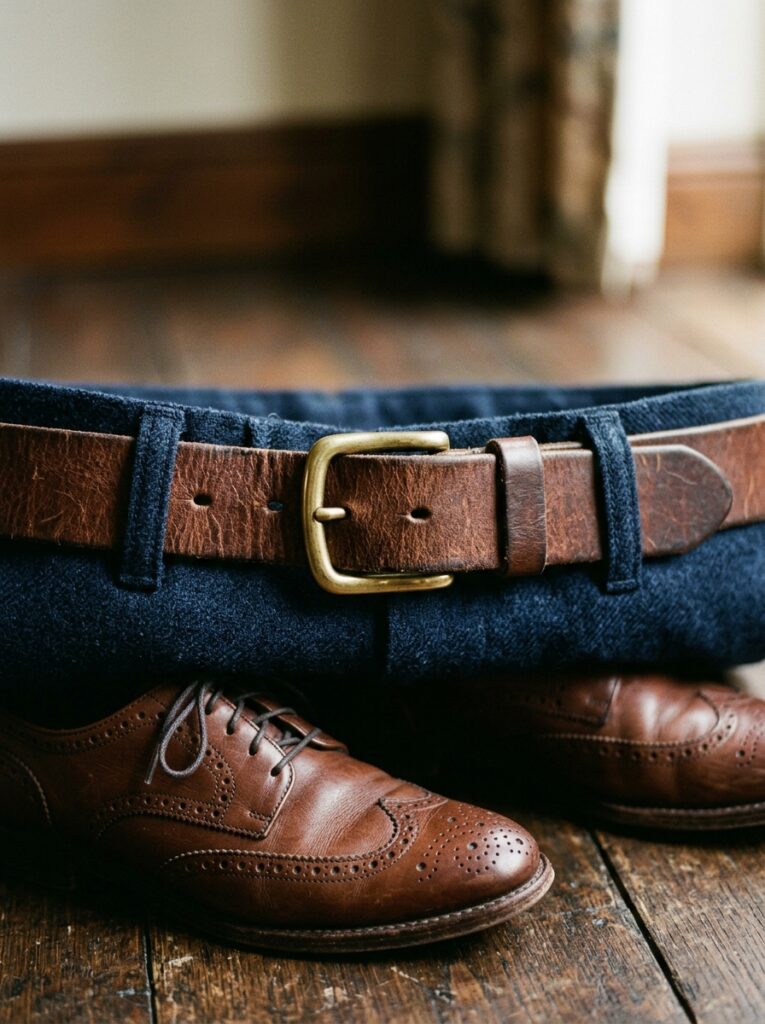
A minor detail until you notice how often a cheap belt undermines an otherwise good outfit. The rule is simple: belt colour matches shoe colour. One black and one brown covers everything.
Width matters too. Wider suits casual trousers, slimmer suits dress trousers and chinos. Keep the buckle understated, because an ornate one pulls attention to the waist in a way that rarely helps.
Neutral Polo Shirt
The piece that fills the gap between a t-shirt and a button-down. Casual Fridays, weekend dinners, summer events where a tee is too little and a shirt is too much.
Piqué cotton in navy, white or grey. Slim enough to look neat without pulling across the chest. Avoid large logos, because a heavily branded polo becomes about the logo rather than the outfit.
Dark Chinos and Loafers

Two pieces that belong together. Charcoal, deep olive or black chinos read closer to dress trousers while keeping chino comfort. Loafers bring a sharpness that lace-ups cannot manage in an informal setting.
This is the combination for the occasion that is not formal enough for a suit but where turning up in jeans would be a mistake. Every wardrobe needs one answer to that situation, and this is the most reliable one. It overlaps closely with the territory in our guide to smart casual outfits.
Merino Wool Crewneck Sweater
Merino solves the sweater problem. Warm enough to be useful, light enough to layer under a coat without bulk, soft enough to wear against skin.
It also regulates temperature well when you move between indoors and out, and resists odour better than most fabrics, so it needs washing less often. Oatmeal, navy or charcoal in a crewneck is the most versatile version, working under a blazer, over a shirt collar, or alone.
How to Judge Fit in Thirty Seconds
Fit decides whether any of this works. Four checks cover almost everything, and all of them take seconds in a fitting room.
Shoulders. On shirts, blazers and coats, the seam should sit at the edge of your shoulder bone. Too far out and the garment hangs. Too far in and it pulls. This is the one measurement a tailor cannot fix cheaply.
Sleeve length. A shirt cuff should reach the base of your thumb. A blazer sleeve should show about a centimetre of that cuff.
Trouser break. The hem should touch the top of the shoe with a slight fold, or sit just above it. Fabric pooling over the shoe is the most common fit error in menswear.
The sit test. Sit down in the trousers before buying. Anything that pulls hard across the thigh when seated will be uncomfortable within an hour, whatever the label says.
Why the System Works
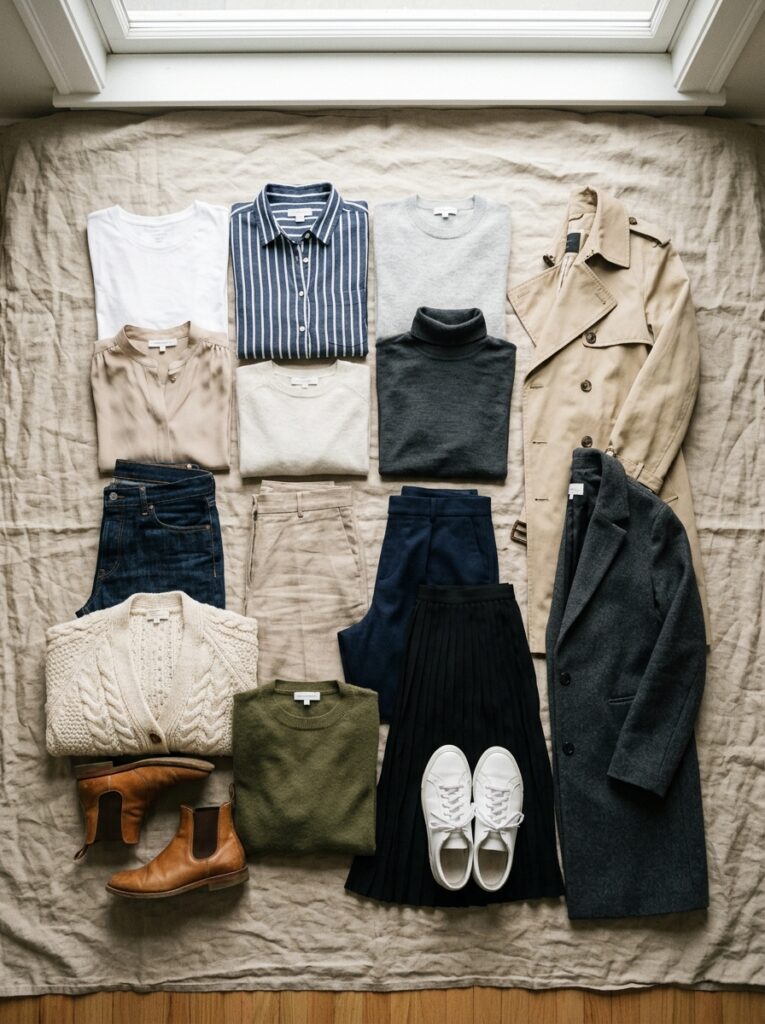
Seen together, the logic becomes obvious. White Oxford, white tee, grey crewneck, navy blazer, dark jeans, navy chinos, dark chinos, trench, wool coat, Chelsea boots, white sneakers, belt, polo, merino sweater, loafers.
Every item works with at least five others. Nothing is single-occasion. Nothing needs an outfit constructed around it.
That is the actual point, and it is not about owning fewer clothes. It is about owning clothes that combine, so getting dressed becomes a short decision rather than a daily negotiation with a full closet.
Start with the first five. Add only what earns a place in the system. That discipline matters more than any individual item on the list, and it is what the idea has been built on since the 1940s. For putting the pieces together day to day, our guide to simple everyday outfits takes it from here.