Modern Entrance Design Ideas for a Stylish Home Exterior
Modern Home Entrance Design: Why the First Impression Matters More Than You Think
The entrance to a home sets every expectation a visitor brings with them before they step inside. It communicates the owner’s taste, the home’s character, and the care that goes into the property in a single visual moment. A poorly considered entrance undermines the quality of everything beyond it. A well-designed one elevates the entire home.
The good news is that a genuinely impressive entrance does not require expensive renovation work across the entire facade. Strategic upgrades to the door, lighting, pathway, gate, and surrounding planting consistently produce results that look more intentional and more expensive than the sum of their individual costs. This guide covers every modern entrance design approach worth knowing, from the most impactful single changes to the smaller details that complete the overall picture.
Double Door with Black Steel and Glass: A Bold First Impression
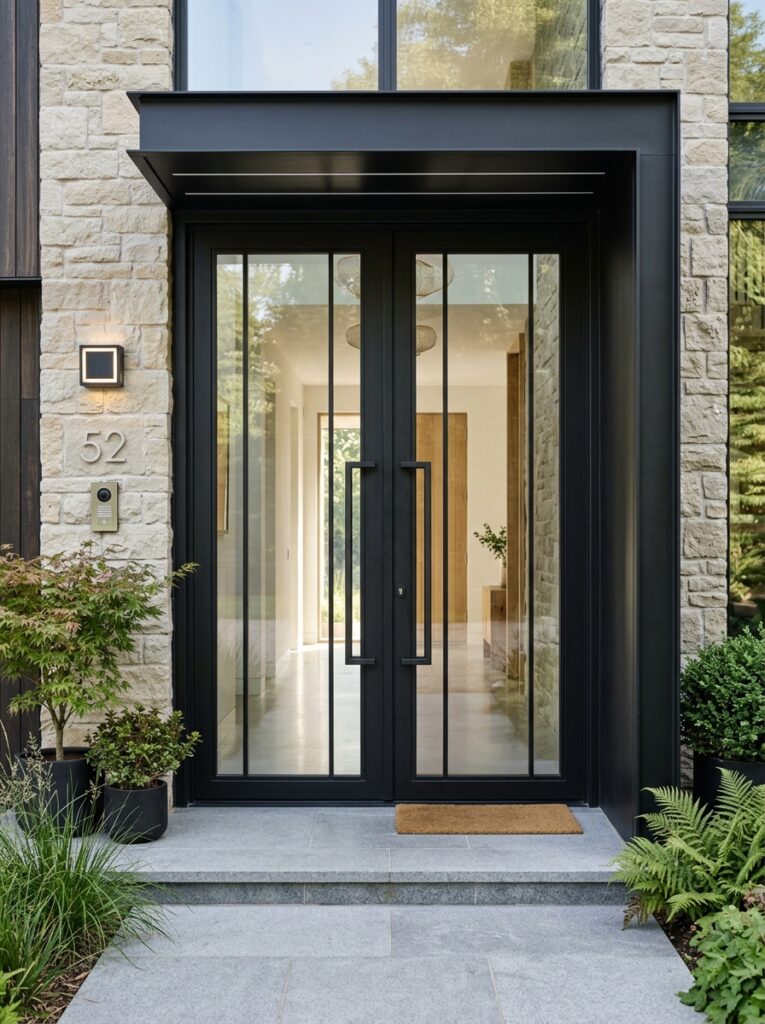
The entrance door is the focal point of any home’s exterior, and a double door made from black steel with glass panels creates an immediate modern statement. The strong steel frame adds durability and genuine architectural presence. The glass panels allow natural light into the entryway without compromising the overall design or the security of the entrance.
Large glass panels create a dramatic and luxurious appearance from the street. Smaller inserts provide additional privacy while maintaining the same elegant quality. The combination of a clean stone threshold and subtle exterior lighting alongside this door type makes the entire entrance feel refined and memorable from the moment anyone approaches. It is one of the highest-impact single changes available for a home’s exterior.
Pathway Lighting That Guides and Impresses
View this post on Instagram
Pathway lighting improves both safety and aesthetics simultaneously. It illuminates the route to the front door while highlighting the entrance area in the evening hours when curb appeal matters most. Low-level lights placed along both sides of the walkway create a visual path that naturally draws attention toward the entrance.
Warm white lighting is the strongest choice for home exteriors because it creates a comfortable and welcoming atmosphere. Cool white lights can feel too clinical and harsh against natural stone and plant materials. Proper spacing between fixtures ensures a balanced and elegant appearance rather than irregular pools of light. Well-planned pathway lighting also significantly extends the daily period during which the entrance looks its best, from dusk through the entire evening.
Stone Cladding on the Entrance Wall: Texture and Permanence

Stone cladding on the entrance wall introduces texture, character, and a sense of craftsmanship that painted render cannot achieve regardless of its quality. Natural or engineered stone creates a sense of permanence that reads as genuinely considered architectural design rather than surface treatment.
Dark stones like slate or charcoal limestone give the entrance a bold and contemporary look. Lighter stones such as sandstone or cream limestone create a warmer and more traditional feel. The textured surface adds visual depth to the facade and makes the entrance stand out as a deliberately designed feature. Stone cladding also ages beautifully, which means the quality of the entrance improves over time rather than requiring ongoing maintenance to stay looking fresh.
Wooden Pivot Door: A Statement Entrance That Demands Attention
View this post on Instagram
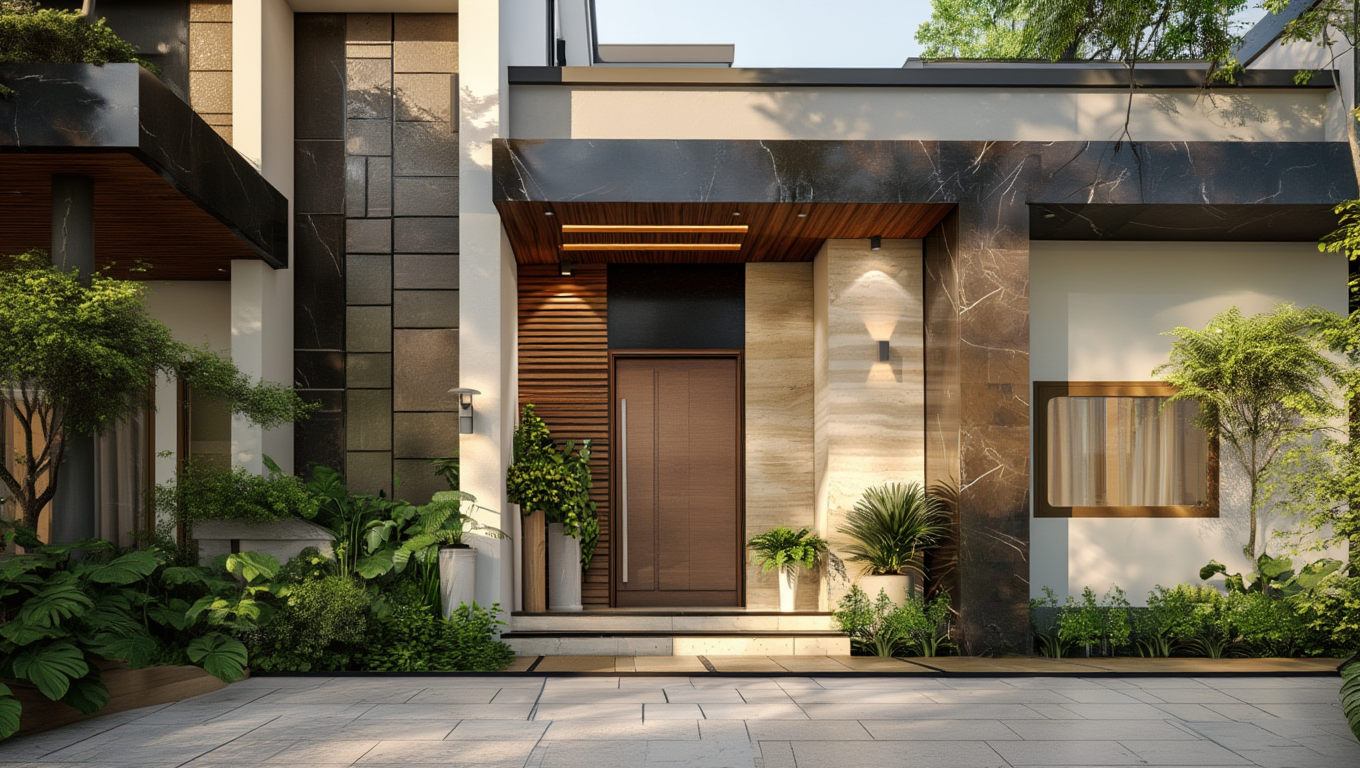
A wooden pivot door is one of the most architecturally dramatic entrance choices available. Unlike traditional hinged doors, it rotates on a central axis, which allows for a significantly larger and heavier door that creates an impressive grand entrance rather than a standard opening.
Materials like teak, oak, or walnut bring natural warmth and beauty to homes that otherwise feature concrete, steel, and glass throughout their exterior palette. This material combination is precisely what makes a wooden pivot door so effective for contemporary architecture: the organic warmth of the timber provides a strong and meaningful contrast against the harder surrounding materials. The smooth pivot movement itself also creates a tactile and visual quality that conventional doors cannot replicate.
Covered Porch with Columns: Shelter and Architectural Elegance
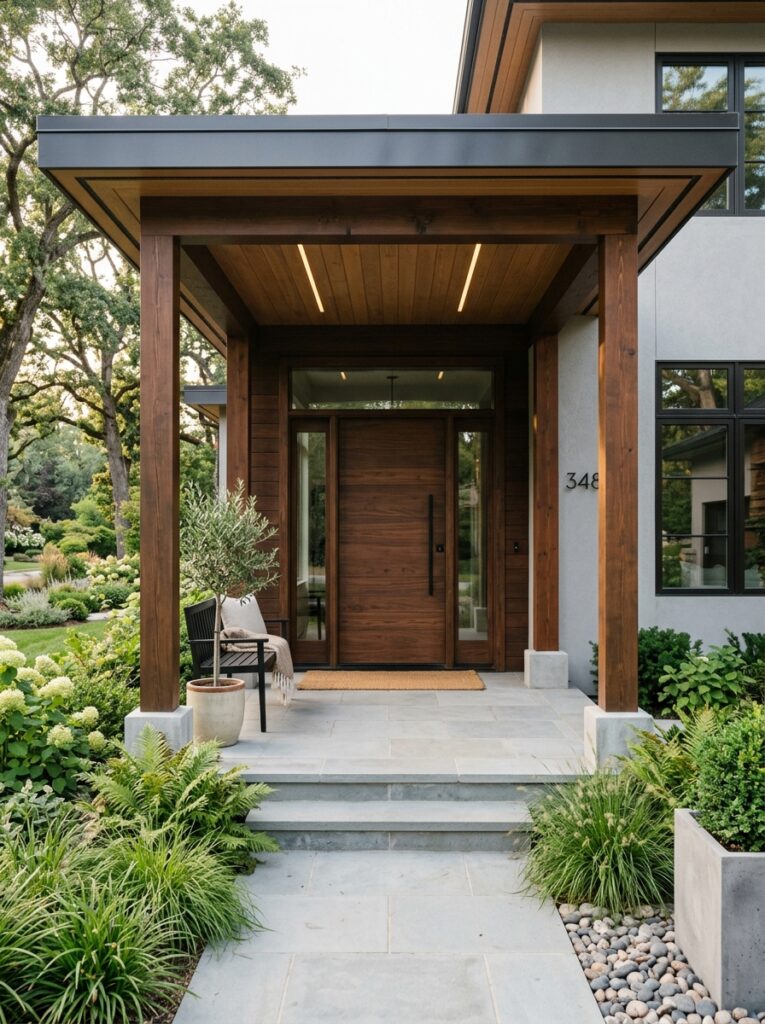
A covered porch at the entrance adds comfort, practical shelter, and genuine architectural elegance in one structural addition. It provides a sheltered space that protects the doorway and visitors from weather while also giving the facade more depth and visual structure than a flush front elevation can achieve.
Square columns suit modern homes with clean lines most naturally. Rounded columns create a more traditional and classical appearance. Either approach frames the entrance in a way that makes the facade feel composed and considered rather than flat and undifferentiated. The covered porch also creates a meaningful transition zone between the outdoors and the interior, which improves the psychological experience of arriving at and entering the home.
Modern Metal Gate: Setting the Design Tone at the Property Boundary
View this post on Instagram
The entrance experience begins at the gate, and the right gate sets the design tone for the entire property from the moment anyone approaches it. Metal gates in powder-coated steel or aluminum in black or dark grey are popular for contemporary homes because they offer long-term durability while maintaining a clean and minimal visual presence.
Vertical bar designs create a sleek and modern character. Solid panel gates provide additional privacy and a more architectural quality. Matching the gate hardware with other exterior elements such as the door handle and lighting fixtures maintains a consistent and deliberate design language throughout the approach. The gate is the first piece of the entrance experience and it deserves proportionate design attention.
Entrance Landscaping: Softening Hard Surfaces with Natural Beauty
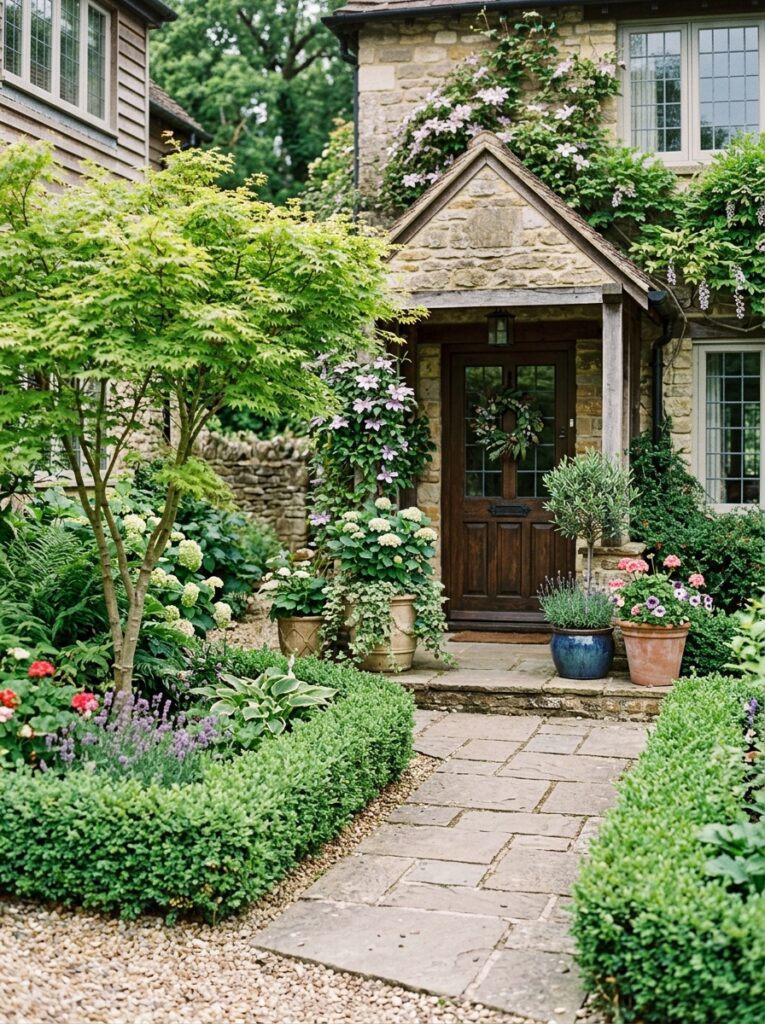
Landscaping plays a significant role in softening the hard architectural surfaces around a home entrance and adding genuine natural beauty to the overall exterior impression. Even simple planting arrangements make a meaningful visual difference. Low hedges along the pathway, decorative potted plants near the door, and a small ornamental tree each contribute natural scale and organic texture that manufactured materials cannot replicate.
Evergreen plants are the most practical choice for entrance landscaping because they remain attractive throughout every season and require less seasonal maintenance than flowering alternatives. When thoughtfully planned and regularly maintained, entrance landscaping frames the pathway and transforms the approach from a purely functional route into a genuinely welcoming experience that reflects care for the property.
Exterior Wall Sconces: Decorative Lighting with Practical Symmetry
View this post on Instagram
Wall-mounted sconce lights on either side of the front door provide practical illumination while also serving as deliberate decorative elements that enhance the entrance composition. Their symmetrical placement creates visual balance around the doorway and makes the entrance feel planned and architecturally resolved.
Minimal cylindrical or rectangular sconces suit modern homes most naturally. Lantern-style fixtures suit more traditional architecture. Warm-toned bulbs create a comfortable and inviting atmosphere while highlighting the textures and material qualities of the exterior wall. The fixture choice should coordinate with other metallic hardware across the entrance, including the door handle and gate fittings, for the most cohesive and considered overall result.
Water Feature: Luxury, Movement, and Sensory Experience
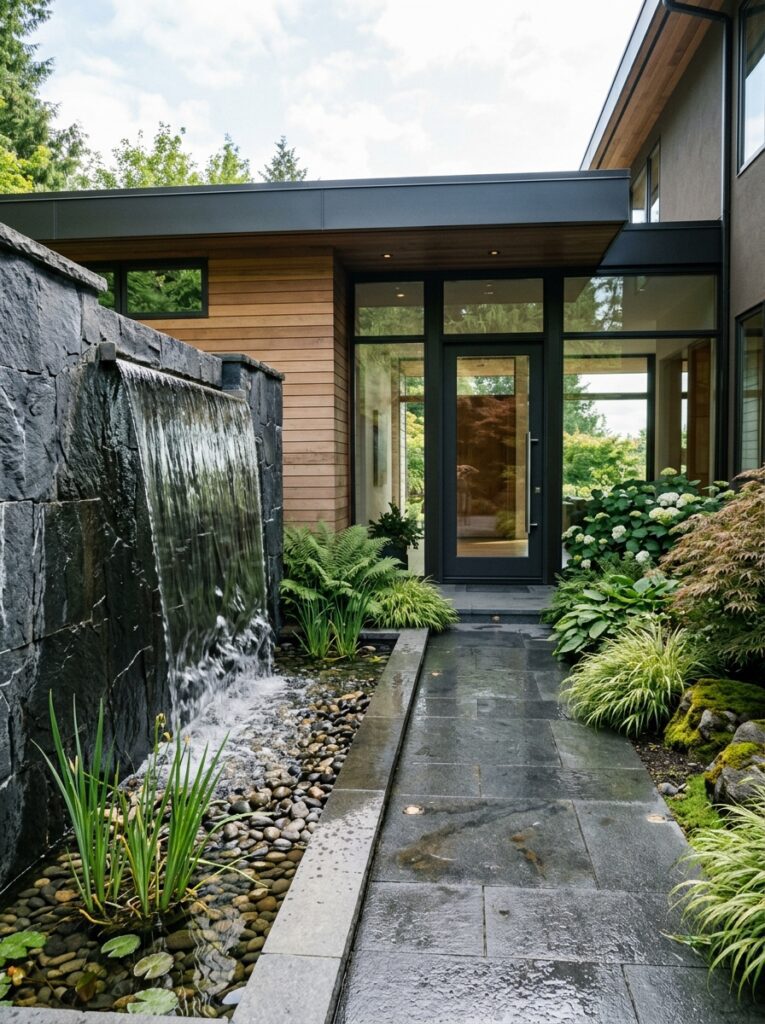
A water feature placed near the entrance elevates the atmosphere instantly and creates a genuine sense of luxury that no static material can replicate. The gentle sound of flowing water adds a calming quality to the approach and makes the experience of arriving at the home noticeably more pleasant. That sensory dimension is unique to water features among all entrance design elements.
Options include small wall-mounted fountains, reflecting pools positioned beside the pathway, or recessed water channels running parallel to the approach. Even a modest feature introduces movement, light reflection, and visual interest that significantly enriches the entrance area. For homes where a genuine luxury impression is the goal, a water feature is one of the most direct and distinctive routes to achieving it.
Driveway Tile and Paving Pattern: The Largest Surface That Most People Overlook
View this post on Instagram
The driveway and pathway together form one of the largest visible surfaces of a home’s exterior. The materials and patterns used across that surface have a significant influence on the overall visual quality of the entrance. This is a decision that most homeowners make quickly without fully considering the visual impact.
Large-format tiles, natural stone slabs, and classic brick patterns like herringbone all create a stylish and considered appearance compared to plain poured concrete. Neutral colors in grey, beige, and sandstone complement most exterior design palettes without competing with the architectural elements around them. Proper cleaning and maintenance of the paving ensures that the entrance continues to look polished and intentional across every season and every year.
Modern Nameplate and Mailbox: Small Details That Communicate Quality
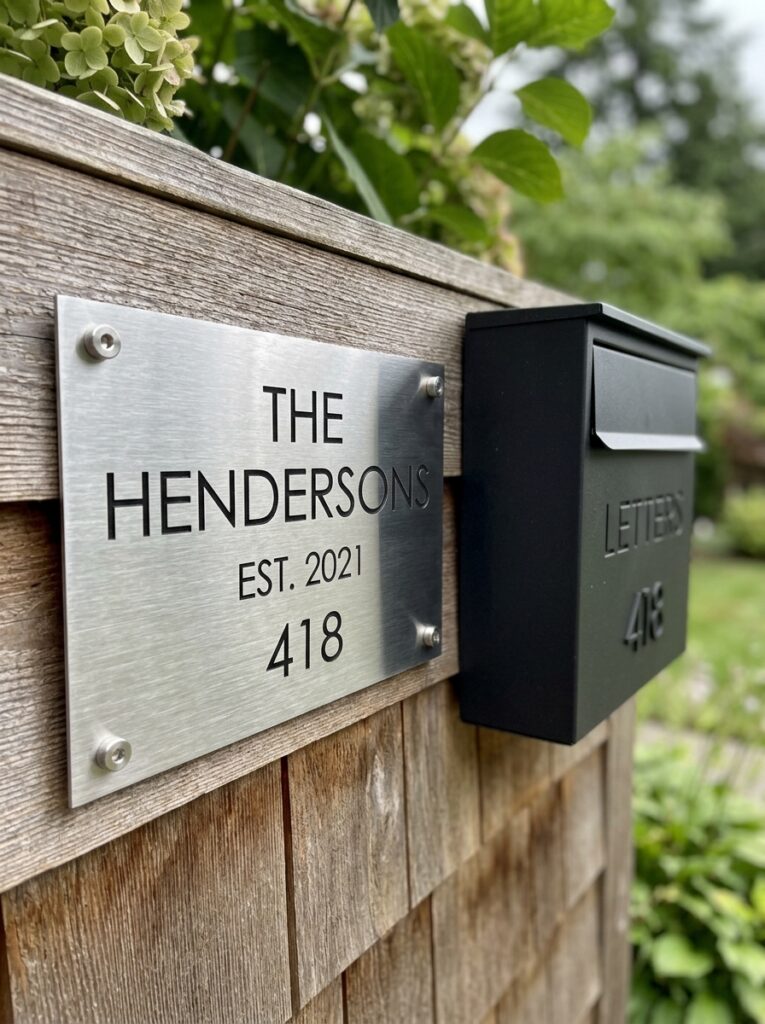
Small elements like the nameplate and mailbox appear minor but contribute meaningfully to the overall design consistency of a home entrance. They are the details that visitors see from close range during the moment of arrival, and their quality registers clearly at that proximity even when it is not consciously noticed.
A modern nameplate in brushed stainless steel or matte black metal with clean engraved lettering gives the property a refined and deliberate appearance. Pairing it with a mailbox in a coordinating finish maintains a coherent design theme across the smaller elements. Upgrading both pieces is one of the most affordable entrance improvements available because it requires no structural work and delivers an immediate improvement in the perceived care and quality of the entrance.
Entrance Steps and Stairs: Architecture That Shapes How People Arrive
View this post on Instagram
Entrance steps are significant architectural elements that shape how people physically approach and experience the front door. Wide steps made from stone, large concrete slabs, or natural stone tiles create a welcoming and spacious quality that narrow or shallow stairs cannot achieve.
Minimal floating steps add a contemporary modern character. Traditional stair designs provide a classic and structurally reassuring quality that suits heritage-influenced exteriors. The material choice, edge profile, and handrail design all contribute to the overall impression. When steps are generous in width and consistent in material with the surrounding paving, the entire entrance reads as a unified and deliberately designed composition rather than a collection of separate elements.
Sidelight Windows Around the Door: Light, Width, and Elegance
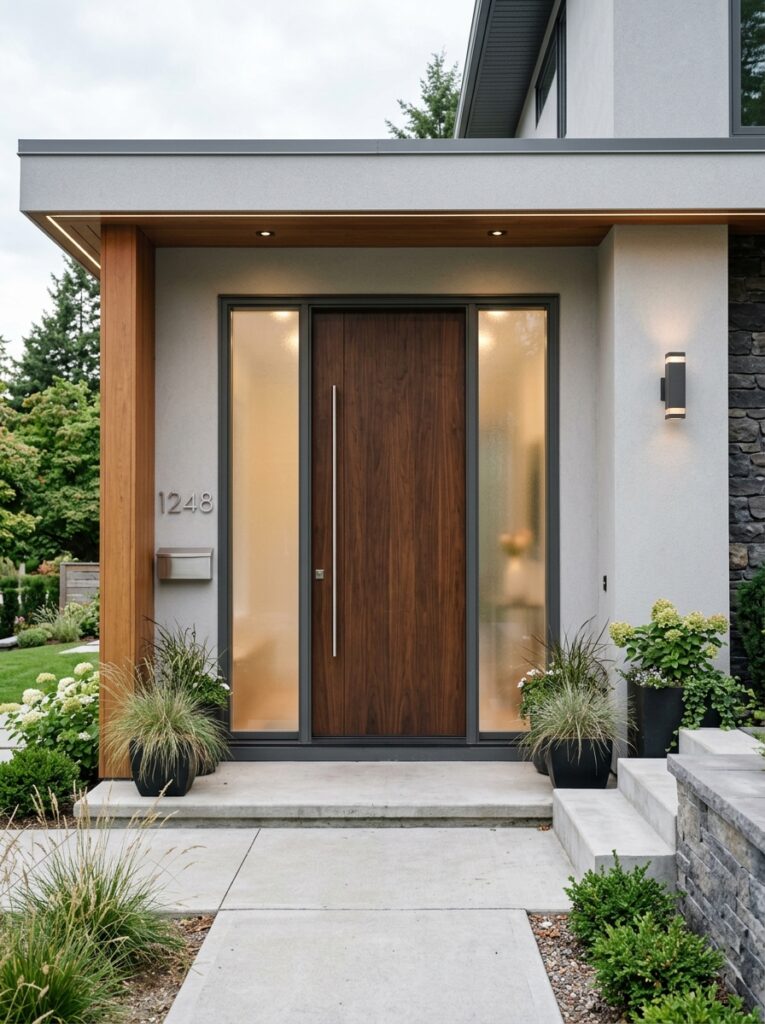
Sidelight windows are narrow vertical glass panels placed on one or both sides of the front door. They serve both practical and aesthetic purposes simultaneously, which makes them one of the most efficient entrance upgrades available.
From the inside, sidelights allow natural light into the foyer and make the entrance space feel noticeably brighter and more open throughout the day. From the outside, they expand the visual width of the entrance and make the doorway appear more balanced and architecturally significant. The glass can be clear for maximum light transmission, frosted for privacy, or textured for a decorative quality, depending on the specific situation and personal preference. Sidelights suit most door styles and materials without creating any visual conflict.
Pergola or Canopy Over the Entrance: Architectural Arrival Experience
View this post on Instagram
A pergola or canopy above the entrance creates a meaningful transition between the outdoors and the home’s interior while adding genuine architectural character to the facade. It signals arrival in a way that a flat roofline cannot, giving the entrance a defined and intentional identity within the overall facade composition.
Minimal concrete or steel canopies suit modern homes with their clean lines and sharp profiles. Wooden pergolas introduce warmth and natural texture that suits transitional or nature-inspired exterior aesthetics. Both options provide shade and protection from weather while making the entrance feel more designed and more welcoming simultaneously. The covered threshold also allows for better evening lighting integration because fixtures mounted beneath the canopy illuminate the entrance from above without being exposed to direct rainfall.
Small Entrance Garden: Greenery That Transforms the Entire Approach
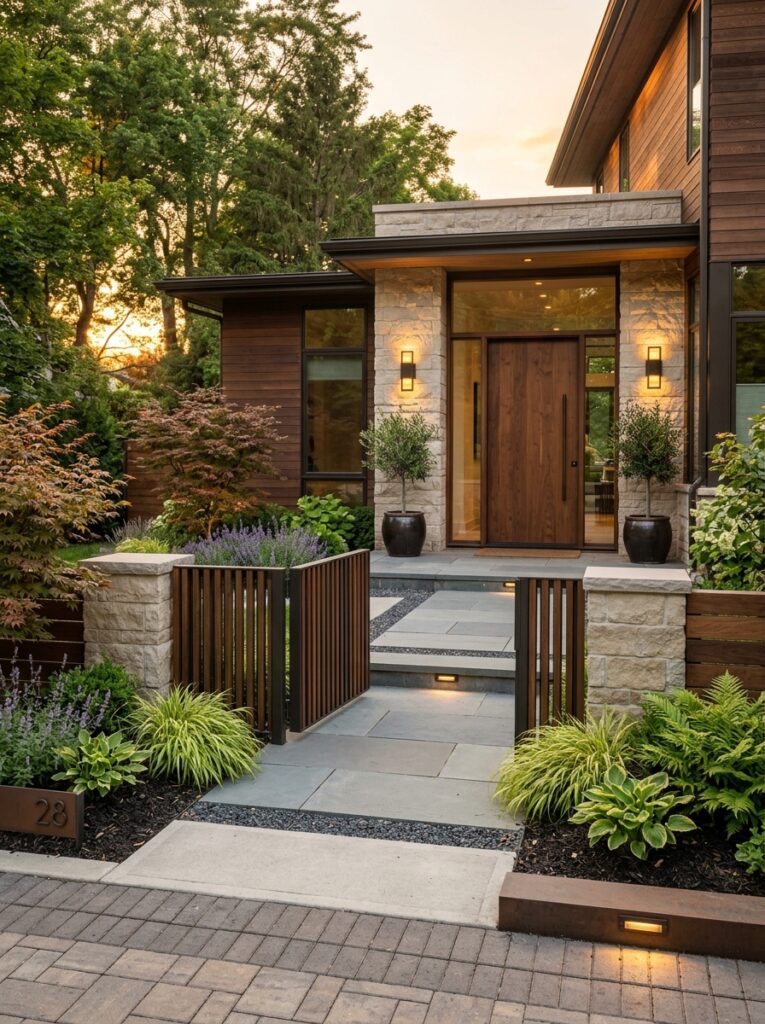
A small entrance garden can dramatically improve the exterior appearance of any home by adding organic texture, natural color, and genuine living quality to surfaces that are otherwise entirely architectural. A compact planting bed along the pathway, a pair of raised garden boxes near the gate, or decorative planters beside the door each bring life and warmth that concrete, stone, and metal alone cannot provide.
Green plants contrast beautifully with harder materials and make architectural elements stand out with greater clarity and visual significance. Seasonal flowering plants add changing color throughout the year. Structural evergreen shrubs maintain form and presence when flowering plants are dormant. Even a very modest entrance garden makes the entire home feel more welcoming and better cared for, which is a quality that has a meaningful positive effect on the overall impression the property creates.
Bringing the Whole Entrance Together
The most successful modern home entrances share one quality: every element was chosen in relation to the others rather than independently. The door material relates to the gate hardware. The lighting tone relates to the paving color. The planting scale relates to the architectural proportions. That sense of intentional coherence across every element is what separates a genuinely impressive entrance from one that is simply well-decorated.
Before investing in any single change, assess the entrance as a whole composition and identify where the visual hierarchy currently breaks down. Often it is not the most expensive element that needs attention but the smallest overlooked one. A mismatched mailbox, a poorly lit threshold, or an overgrown planting bed can undermine the quality of a much more expensive door or gate installation. Addressing the weakest element in the composition typically delivers a stronger overall result than upgrading the strongest one.