Complete Home Decor Ideas for a Stylish Whole House
Complete Home Decor Ideas: Creating Harmony Throughout Every Room
A beautifully decorated home is not about one room looking impressive. It is about every room feeling connected, considered, and genuinely welcoming as part of a whole. When the living room, bedroom, kitchen, hallway, and outdoor space all speak the same visual language, the result is a home that feels deliberately designed rather than accidentally furnished.
This guide covers every main room and area of the house with specific, actionable decor ideas that work together as part of a coherent whole. Whether you are starting from scratch or refining what you already have, these principles apply across any interior style and any budget.
Living Room: The Heart of the Home

The living room is the most used space in most homes and the one that sets the tone for the entire interior. Because it receives more daily attention than any other room, getting the foundational decisions right here makes the biggest overall difference.
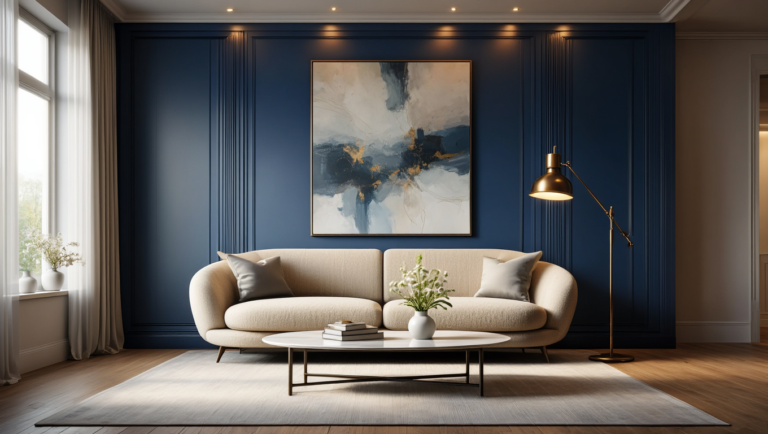
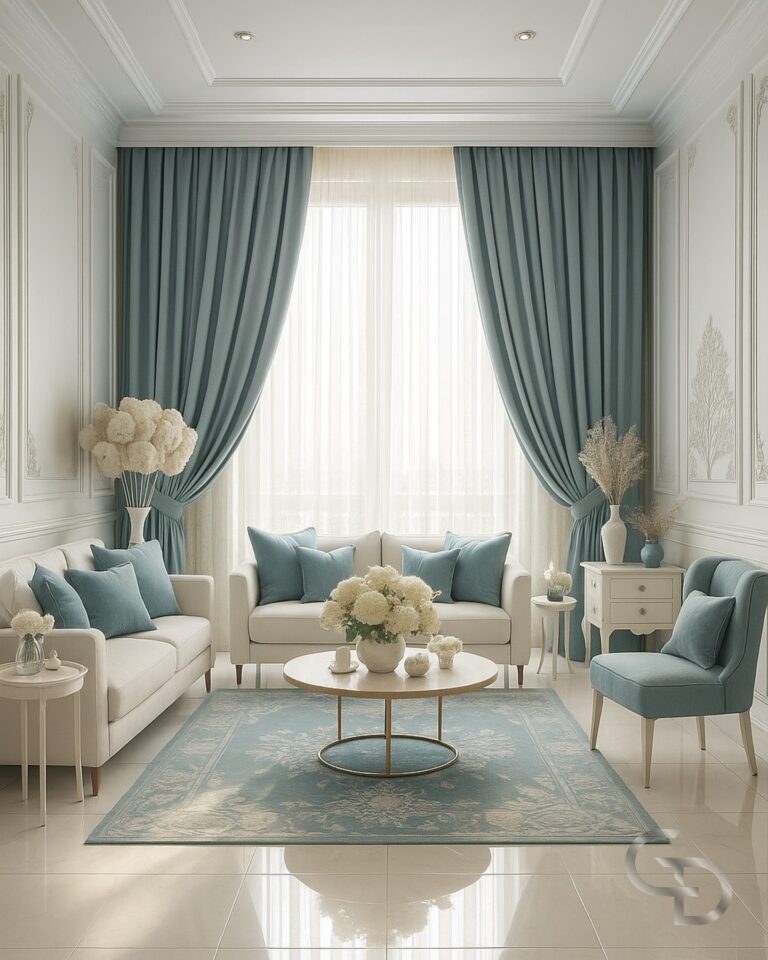
A neutral color palette in beige, warm white, or soft grey creates a calm and flexible base that allows furniture and accessories to stand out clearly. The sofa is typically the room’s primary focal point and its color, scale, and placement should be considered before any other purchase. Layering textures through cushions, throws, and a soft area rug adds warmth and visual depth that a single-material room cannot achieve.
A well-styled coffee table anchors the seating area and adds the final layer of personality. Good lighting matters enormously here. Table lamps and floor lamps positioned at different heights create the layered, welcoming atmosphere that overhead ceiling lights alone can never deliver, particularly in the evenings when the room is used most for relaxation.
Master Bedroom: A Calm Private Retreat
View this post on Instagram
The master bedroom should feel genuinely restful because its primary purpose is recovery and calm. Every decor decision in the bedroom should serve that function rather than compete with it.
Soft bedding in cotton or linen creates real comfort while also adding tactile texture to the room’s visual palette. Matching bedside tables and lamps on both sides of the bed create symmetry that contributes to the settled, balanced quality that restful rooms consistently have. Floor-length curtains in a fabric that blocks morning light improve sleep quality while adding an elegant visual weight to the window wall.
Keeping the bedroom free from clutter is the single most impactful ongoing decor decision in this room because accumulated objects actively undermine the calm atmosphere that all the other elements are working to create. Clear surfaces and organized storage maintain the room’s restful quality daily without requiring any additional investment.
Kitchen: Beautiful and Genuinely Functional
A well-decorated kitchen successfully combines visual style with practical daily function. These two requirements are not in conflict when the design decisions are made in the right order.
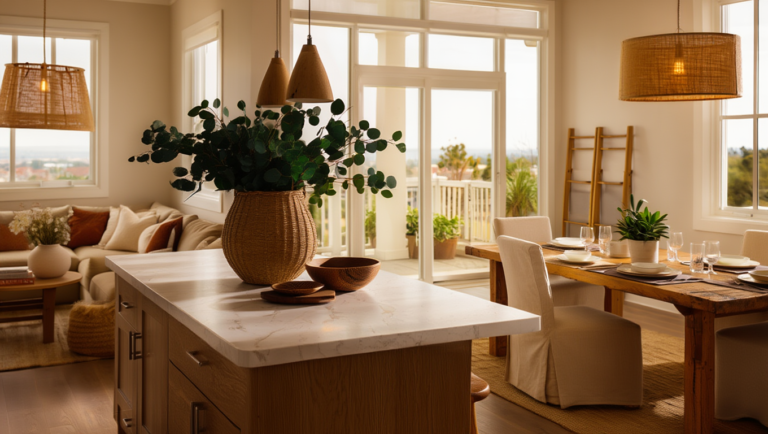
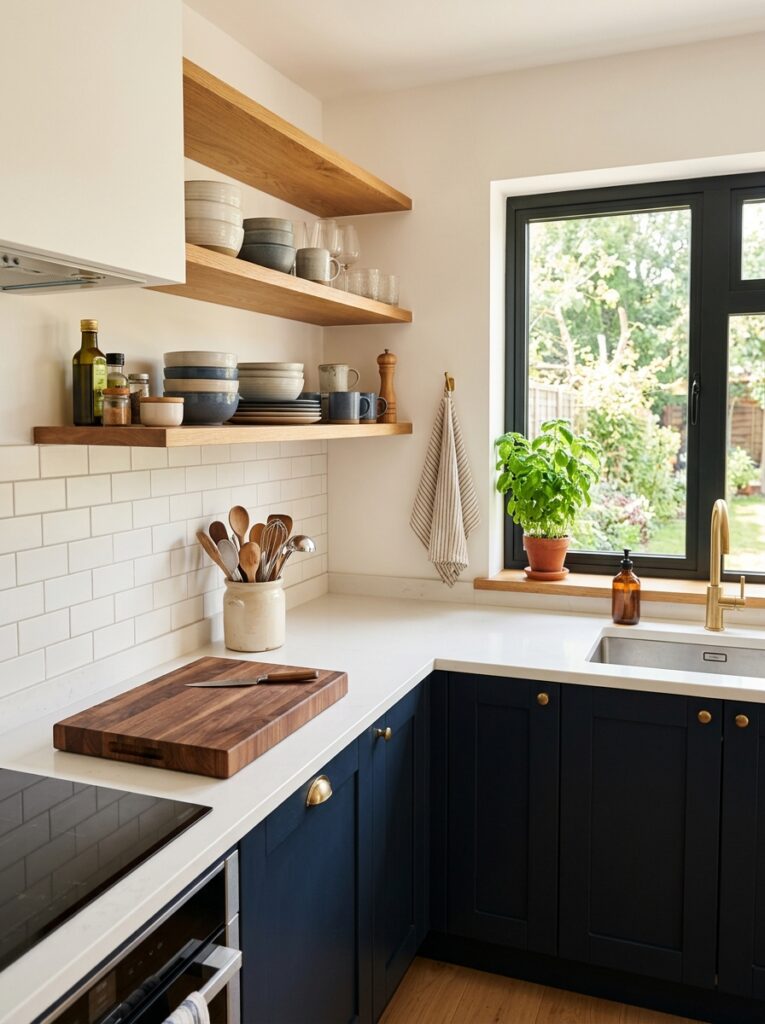
Clean countertops and organized storage make the kitchen easier to use and simultaneously better-looking. Clutter on kitchen surfaces creates visual stress that affects how the entire room feels even when the individual clutter items are neutral in appearance. Small decorative details add personality without disrupting function. Wooden cutting boards, ceramic utensil holders, and a potted herb or plant near the window each contribute warmth and character naturally.
Open shelving creates a significant visual opportunity when it displays genuinely attractive pieces. Coordinated dishware, quality glassware, and a small selection of beautiful everyday objects on open shelves look considerably better than disorganized or mismatched items hidden behind closed doors. Keep the palette consistent across displayed items and the kitchen gains a cohesive, styled quality that closed cabinetry never quite matches.
Dining Room: A Space for Gathering
View this post on Instagram
The dining room or dining area is where shared meals and genuine conversation happen, which means it should feel warm and inviting rather than formal or uncomfortable. The atmosphere here affects how people feel during the hours spent in it.
A dining table that fits the room size without cramping the surrounding circulation space is the foundational decision. Too large a table in a small space creates a functional and visual problem that no amount of styling can fully overcome. Comfortable chairs in a material that suits the room’s palette create the physical invitation to spend time at the table.
A pendant light positioned above the centre of the table is both the room’s most practical lighting decision and its strongest single decorative element. The right pendant defines the dining zone in an open-plan space, creates a focused pool of warm light above the table, and anchors the entire room composition. A simple centerpiece in flowers, candles, or a decorative bowl completes the table styling without cluttering the surface that meals need to occupy.
Bathroom: Small Details That Create Significant Luxury

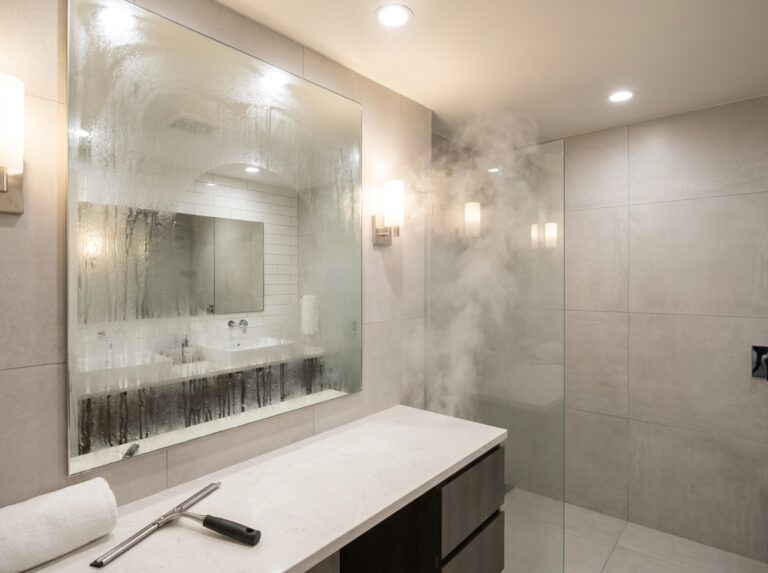
Bathrooms are the room where attention to small details delivers the most disproportionate visual return because the scale of the space means every element is consistently visible from close range.
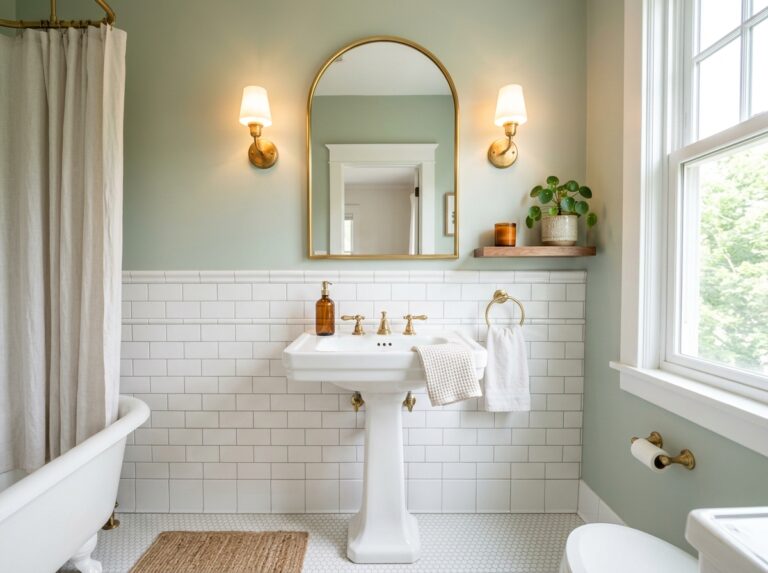
Matching hardware creates a cohesive and deliberately considered result instantly. When towel holders, faucet finishes, mirror frame, and accessory tones all belong to the same metal family, the bathroom reads as professionally designed rather than individually purchased. Soft, quality towels folded neatly and a small plant or fresh flowers on the counter create a genuine spa quality that most bathroom visitors notice and respond to positively.
Keeping the countertop organized with a coordinating tray for personal care items prevents the gradual accumulation of bottles and containers that makes even an attractive bathroom look disorganized. A quality soap dispenser and hand lotion in matching ceramic or glass containers replace plastic bottles with a detail that costs very little but makes an immediate visible difference to the overall quality of the room.
Home Office: Productive and Genuinely Inviting
View this post on Instagram
A home office needs to support focus and sustained concentration while also feeling like a space a person genuinely wants to enter and remain in. These two qualities reinforce rather than conflict with each other when the design decisions are right.
Positioning the desk to capture natural light from a window improves visual comfort significantly and creates a more energizing working environment than artificial light alone. A quality ergonomic chair is the most important single purchase in any home office because physical comfort directly affects concentration, duration of work, and overall daily wellbeing in a way that no decorative addition compensates for.
Adding a small plant, a framed print, and a stylish lamp gives the room genuine personality without creating visual distraction. Cable management is one of the most overlooked home office improvements. Cables routed cleanly out of sight behind the desk or through a cable management box immediately make the space look more professional and more considered. Clear desk surfaces with only the current day’s necessary items visible maintain the focused quality that a productive workspace requires.
Hallway: The First Interior Impression That Sets Every Expectation
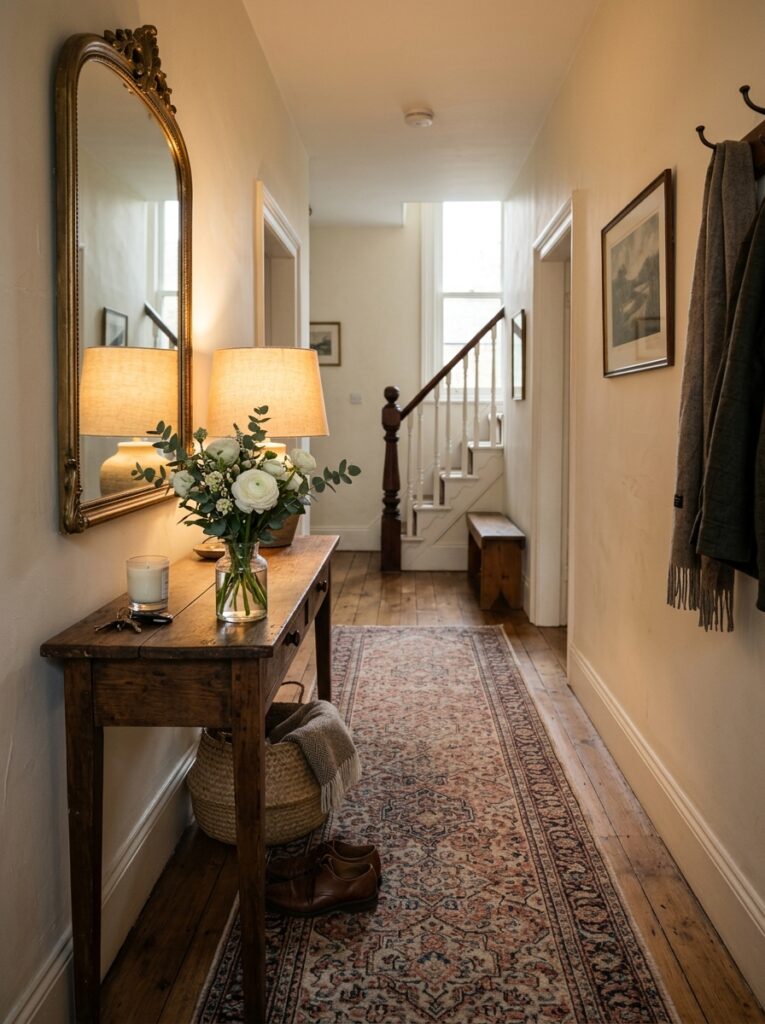
The hallway is the space that sets every visitor’s first interior expectation of the home and the space that residents experience at the start and end of every day. Despite this, it is the room that most people decorate least deliberately.
A console table with a mirror positioned above it immediately solves two hallway challenges simultaneously. The table provides a surface for keys, mail, and daily essentials. The mirror reflects light and creates a sense of depth that makes narrow hallways feel more open. A runner rug adds warmth underfoot, visual definition to the floor plane, and practical floor protection in a single piece.
A single lamp on the console table transforms the hallway’s evening atmosphere from functional to genuinely welcoming. Adding one plant or a small vase of fresh flowers completes the display and makes the hallway feel like a designed space rather than a transitional one. That shift in perception is the difference between a home that impresses from the front door and one that only becomes attractive further inside.
Kids Bedroom: Playful and Genuinely Organized
View this post on Instagram
A children’s bedroom needs to balance the two qualities that most challenge each other in interior design: expressing the child’s personality visually while remaining organized enough to function practically day to day.
A neutral wall color as the base allows the room to adapt as the child’s preferences evolve over years without requiring a full repaint each time. Colorful bedding, wall art, and specific personality-driven accessories can change seasonally or annually at minimal cost while the neutral wall backdrop remains appropriate throughout. This approach is significantly more practical and more economical than painting themed rooms that require redecoration within a few years.
Storage that is genuinely accessible to the child encourages independent tidying because children are far more likely to use storage that requires no adult assistance. Open bins, low shelves, and clearly labeled baskets at child height create a system that actually functions in daily life. When the storage works practically, the room stays organized with far less ongoing parental intervention.
Outdoor Patio: Extending the Living Space Outdoors
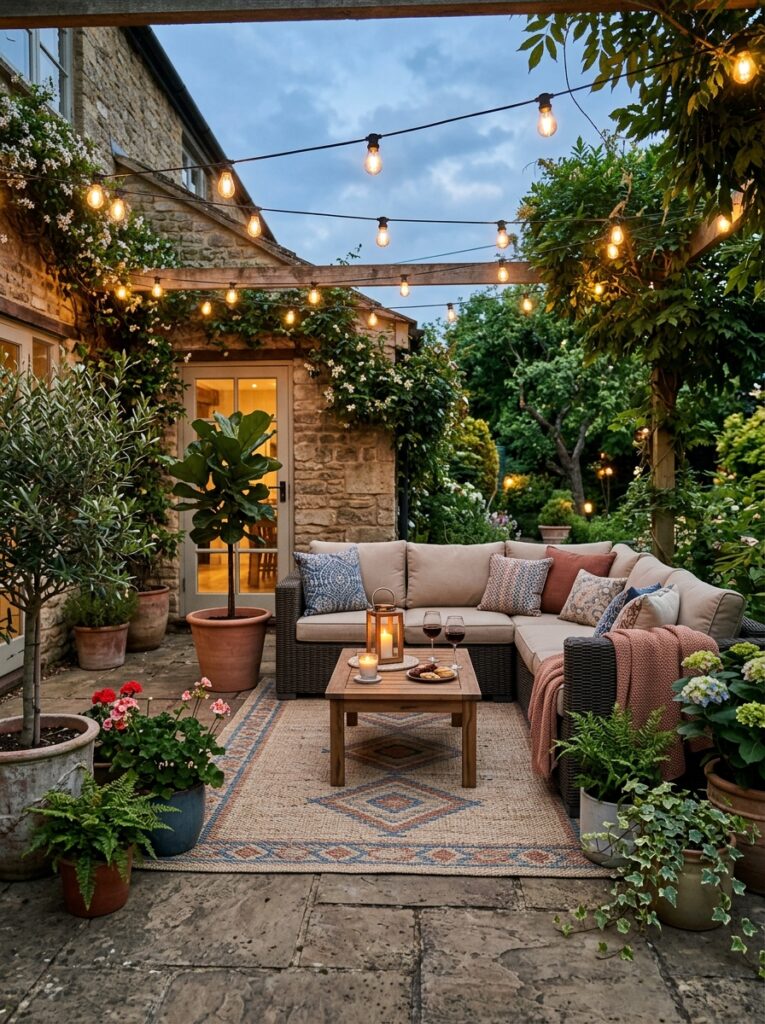
An outdoor patio that is properly furnished and styled extends the home’s usable living space significantly without any structural work. Even a small patio or balcony becomes a genuinely valuable daily asset when the furniture and accessories make it comfortable and welcoming.
Comfortable outdoor seating in weather-resistant materials creates the physical invitation to use the space. A small sofa or two chairs with a low table provide the basic functional arrangement that works for both relaxed individual use and casual social gatherings. Outdoor cushions in durable fabric add comfort and visual color. String lights overhead create a warm, inviting atmosphere in the evening that transforms how the space feels and how often it is actually used.
A defined rug beneath the seating area grounds the arrangement and creates the sense of an outdoor room rather than merely furniture placed outside. Potted plants at varying heights add organic texture and seasonal interest that manufactured materials cannot provide. An outdoor patio styled with these elements consistently becomes one of the most valued and most frequently used spaces in the home through the warmer months.
Open Plan Living and Dining: Creating Balance Across Shared Space
View this post on Instagram
Open-plan spaces that combine living and dining areas present a specific design challenge. Without physical walls to separate the zones, visual design tools must do the dividing work instead.
Area rugs are the most effective zone-defining tool in an open plan because they create clearly bounded areas that read as distinct rooms from every position within the larger space. A rug beneath the sofa and coffee table defines the living zone. A separate rug beneath the dining table and chairs defines the dining zone. Each zone feels complete and bounded without any physical separation between them.
A consistent color palette used across both zones maintains the visual coherence that makes open-plan spaces feel harmonious rather than chaotic. Using the same or closely related tones in the cushions, table linens, and decorative accessories across both areas creates a thread that connects them without making either feel like a repetition of the other. Matching lighting styles across both zones reinforces the connection, while different fixture types, a pendant above the dining table and floor lamps in the living area, acknowledge each zone’s distinct purpose.
Reading Nook: A Cozy Personal Corner That Earns Its Space
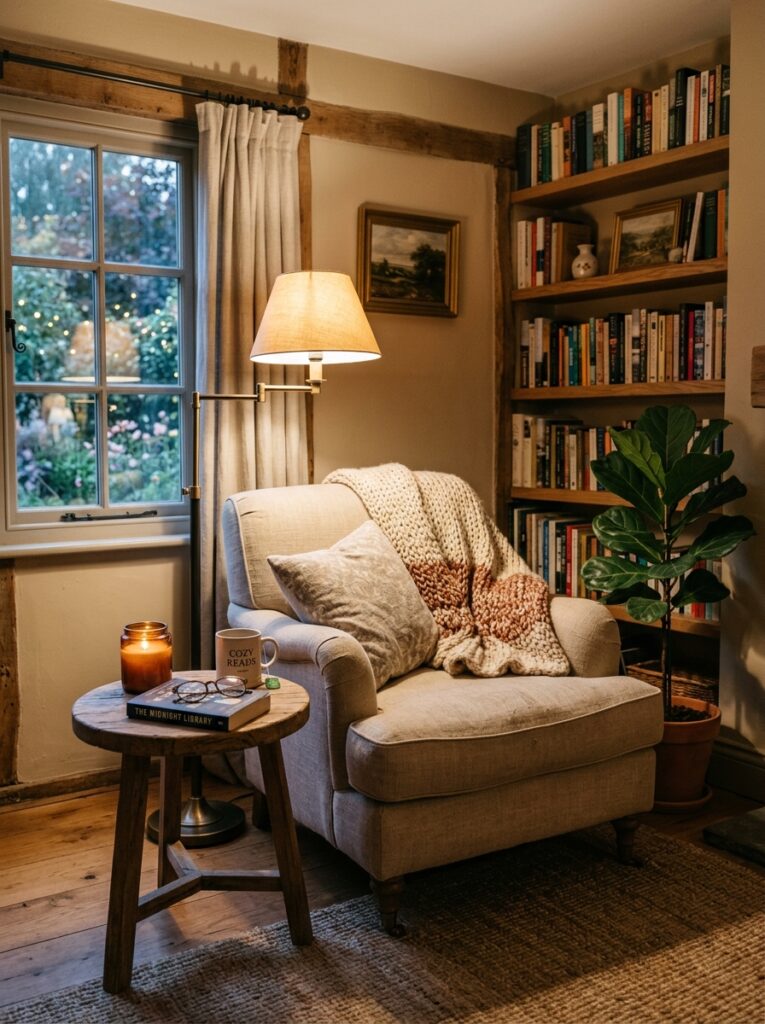
A reading nook is one of the most personally rewarding small-space decor projects available because it transforms an unused corner into a specific, purposeful retreat that becomes genuinely valued in daily life.
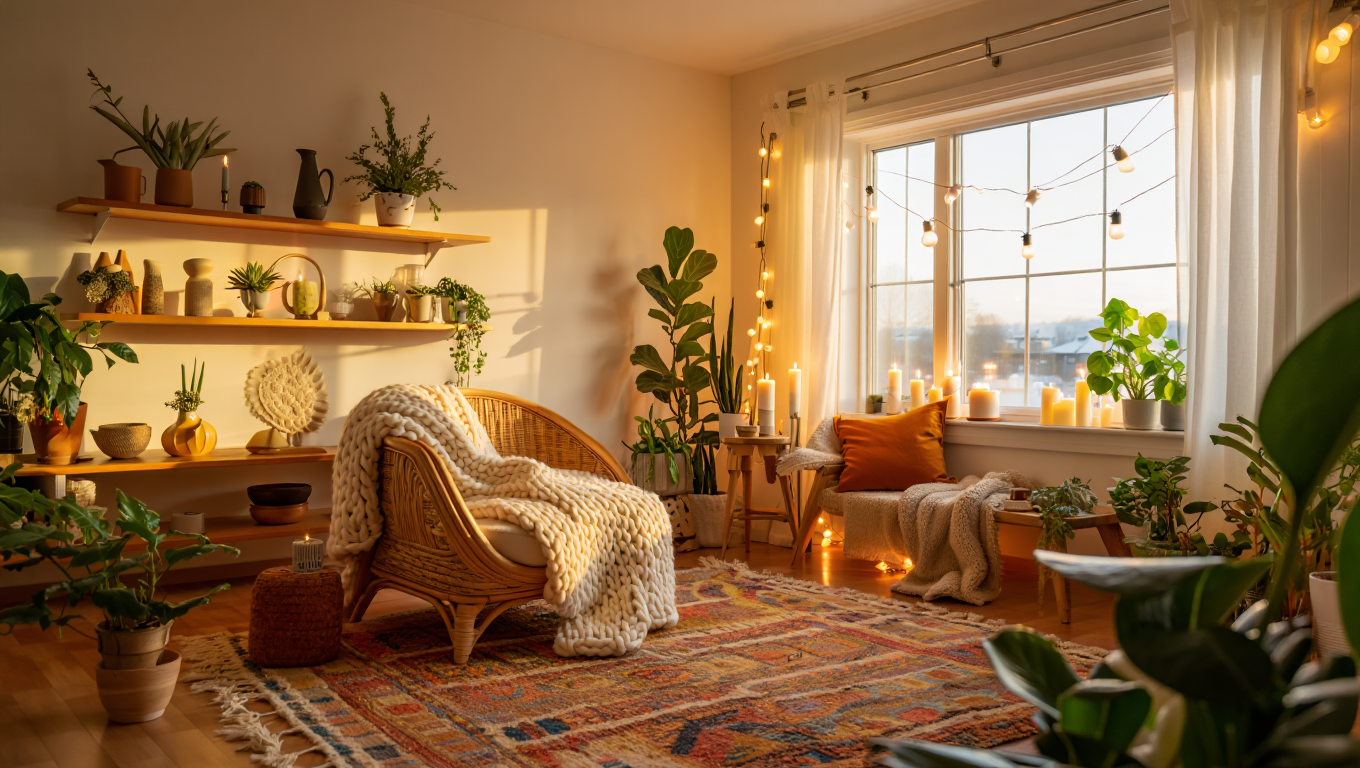
A comfortable armchair or small two-seater that fits the corner’s dimensions provides the physical foundation. A side table at seat height gives a place for a drink, a book, and a candle without requiring a reach. A dedicated reading lamp positioned at the right angle eliminates the eye strain that overhead lighting creates during extended reading.
The reading nook does not need to be large to be effective. Even a corner of a bedroom or a space beside a window becomes a defined personal retreat when the furniture is chosen for the specific dimensions and the lighting is positioned correctly. Adding a small bookshelf, a plant, and a soft throw beside the chair completes a space that consistently becomes more used and more appreciated than its small footprint initially suggests it will be.
Laundry Room: Organized, Clean, and Genuinely Considered
View this post on Instagram
The laundry room is a purely functional space in most homes and the one that receives the least decorative consideration as a result. That oversight is worth correcting because a well-organized and thoughtfully designed laundry room significantly improves the experience of a task that happens multiple times every week.
Shelving with clearly organized baskets for different laundry categories makes the sorting process faster and keeps the room visually tidy between uses. A deep utility sink, a folding surface at comfortable height, and proper ventilation are the functional essentials that no amount of decorative styling compensates for when they are absent.
A soft wall color makes the space feel more pleasant than a stark white that reinforces the room’s purely utilitarian character. A small framed print, a scented candle, and a potted plant add personal warmth that transforms the room’s atmosphere with minimal investment. When a laundry room feels considered and organized, the chore that happens within it feels noticeably less like a chore.
Guest Bedroom: Making Visitors Feel Genuinely Welcome
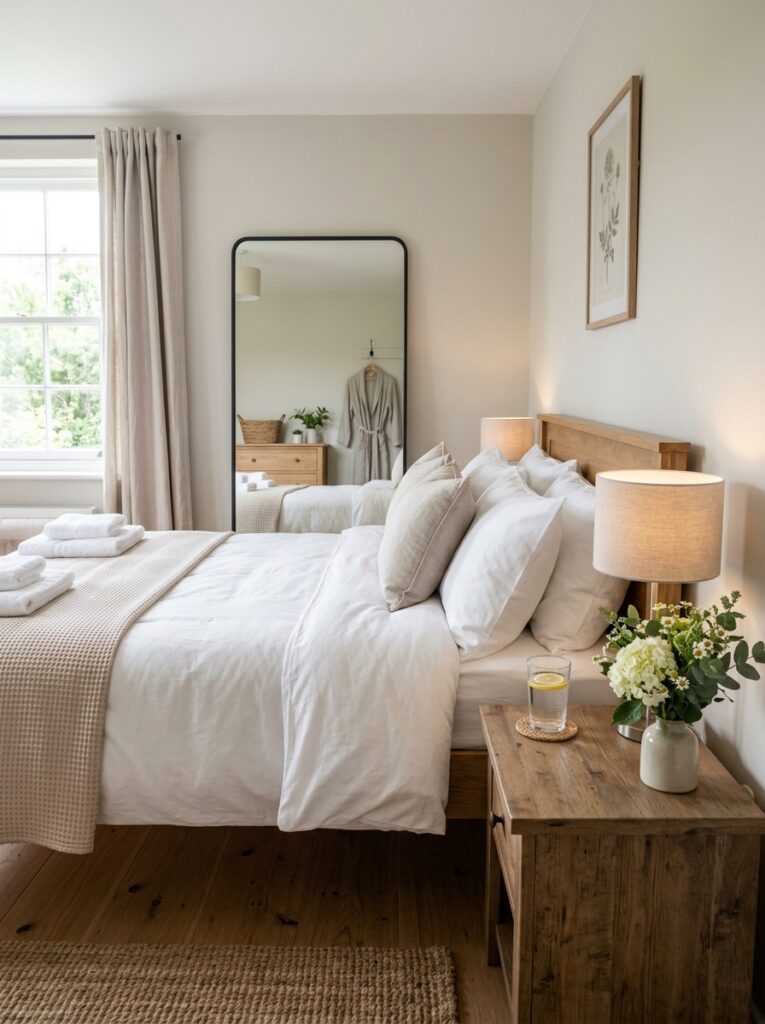
A guest bedroom communicates something specific about the host: that a visitor’s comfort was considered and prepared for in advance. Getting the guest bedroom right is one of the most personally meaningful home decor investments available because its value is experienced by the people you care most about having in your home.
Comfortable bedding in quality cotton or linen creates the physical foundation of a good guest experience. A bedside lamp, a glass of water, and a small place to set personal items beside the bed cover the practical needs that guests appreciate most. A full-length mirror and adequate wardrobe or drawer space make a stay of more than one night significantly more comfortable.
Simple, neutral decor creates a relaxing environment that suits a wide range of guests rather than a specific aesthetic preference. A small vase of fresh flowers or a scented candle adds a welcoming personal touch that communicates genuine hospitality in a way that entirely functional arrangements do not.
Staircase Wall: A Gallery That Grows with the Home
View this post on Instagram
The staircase wall is one of the most underutilized display opportunities in any house with more than one floor. Its natural diagonal follows the angle of the stairs in a direction that no other wall in the house replicates, which makes it specifically suited to gallery arrangements that follow the same line.
A gallery wall of framed photographs and artwork arranged along the staircase angle creates a visual journey that changes from every vantage point as someone moves up or down the stairs. Using frames in a consistent color family, whether all black, all white, or all natural wood, maintains visual cohesion across a varied collection of images and artwork sizes.
Arranging the frames before hanging by laying them on the floor in the intended composition prevents unwanted nail holes and makes the final arrangement more considered and more balanced. The staircase gallery grows naturally over time as new images are added, which makes it one of the most genuinely personal and most continuously evolving decor elements in the whole house.
Whole House Cohesion: The Principle That Makes Everything Work Together

The difference between a house that looks well-decorated room by room and one that looks genuinely designed as a whole is cohesion. Cohesion does not mean every room looks the same. It means every room speaks the same underlying visual language through shared colors, materials, and design decisions that connect each space to the others.
Choosing two or three base colors and repeating them in different proportions across different rooms creates the visual thread that connects the house without making it monotonous. A warm grey used in the living room cushions appears again in the bedroom wall, the hallway rug, and the bathroom accessories. Each room looks distinct while the shared element creates a sense of intention that travels through the whole house.
Repeating materials works the same way. Natural wood appearing in the living room flooring, the kitchen open shelving, the bedroom furniture, and the hallway console creates a warm, organic continuity. Metal finishes consistent across door handles, lighting fixtures, and bathroom fittings communicate deliberate coordination rather than accumulated choices made independently over time. When every room reflects the same underlying decisions, the whole house feels like the work of one coherent design vision rather than many separate decorating projects.