Men’s Footwear Guide: Stylish Shoes That Elevate Every Outfit 2026
Most men spend a significant amount of time choosing clothes and very little time thinking about shoes. Yet the shoe is the finishing detail that either validates or completely undermines everything chosen above it. A well-assembled outfit with the wrong shoe looks like a mistake; a simple outfit with the right shoe looks deliberate.
Shoes communicate personal style and attention to detail before a single word is spoken. In 2026, men’s footwear sits at an interesting intersection of timeless classics and modern innovation, with sustainable materials and refined minimal designs gaining serious ground. Whether building a collection from scratch or filling gaps in an existing one, understanding which shoes to prioritise, how to wear them, and how to keep them in good condition is one of the more impactful improvements any man can make to his style. This guide covers everything worth knowing.
Oxford Shoes: The Most Formal Essential
Oxford shoes are the most important formal piece in any man’s footwear collection. Their closed-lacing system creates a sleek silhouette that has remained the benchmark of dress shoe elegance for centuries. Black leather Oxfords are non-negotiable for weddings, black-tie events, and boardroom settings, communicating authority in a way no other shoe quite matches.
Brown suede Oxfords offer a more relaxed interpretation that works brilliantly with navy suits and smart casual chinos. Cap-toe and plain-toe styles suit the widest range of outfits without the extra detailing that can feel mismatched in stricter settings. Polish them regularly with quality shoe cream to protect the leather from cracking, and pair with well-fitted dress trousers or elevated chinos. Every man should own at least one exceptional pair of black leather Oxfords before any other formal purchase.
Loafers: The Most Versatile Shoe Available
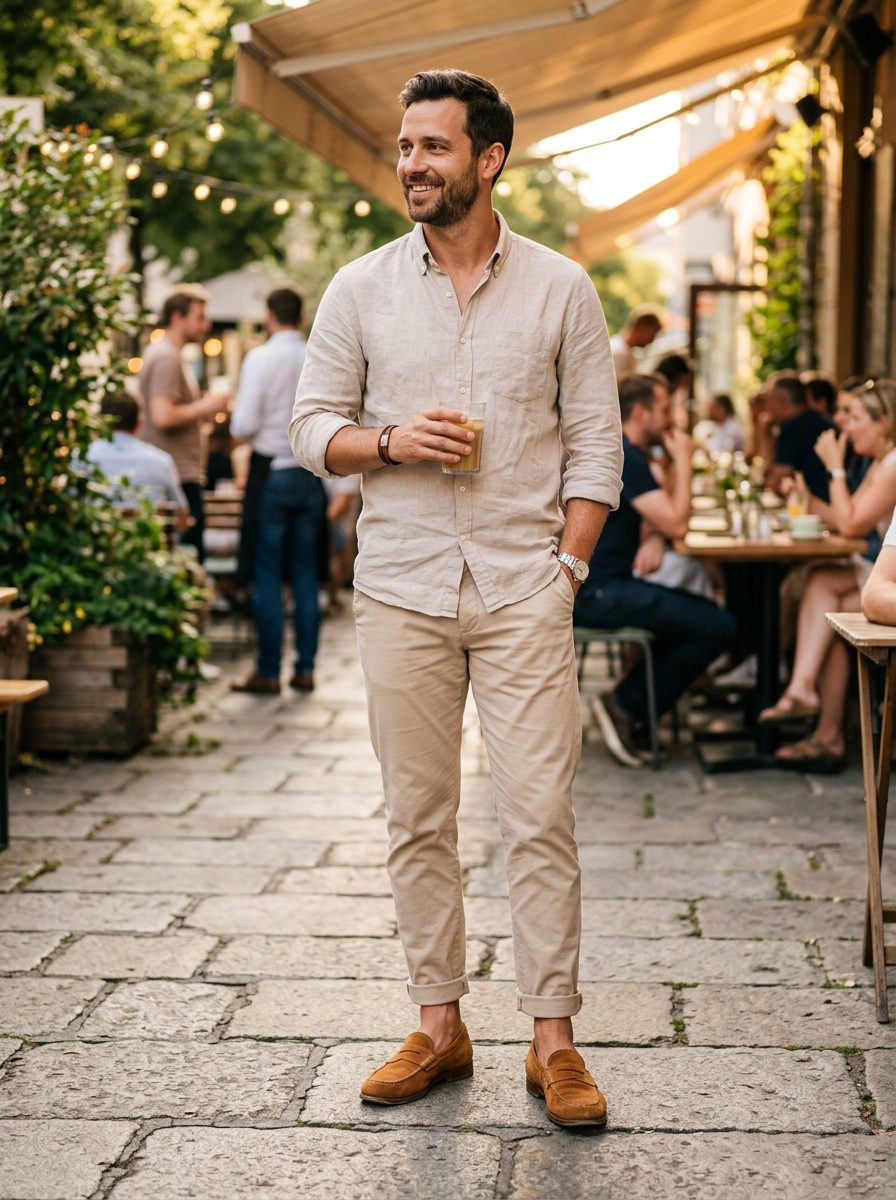
Loafers are the single most versatile shoe category in men’s footwear and consistently deliver the highest return on investment of any piece in the collection. They bridge casual comfort and smart sophistication in one slip-on design that needs no lacing and no particular styling expertise — a natural partner to the blazer combinations in our smart casual blazer guide.
Penny loafers and tassel loafers are the most widely worn styles in 2026, suiting boardrooms, brunches, and casual evenings with equal naturalness. Leather loafers in tan, cognac, or black suit the widest range of combinations; suede loafers in sand or olive add texture without feeling overdressed. Wearing them without socks creates a breezy summer quality nothing else replicates. If a man owns only one dress-adjacent shoe, the loafer is the most rewarding single investment.
White Sneakers: The Non-Negotiable Everyday Essential
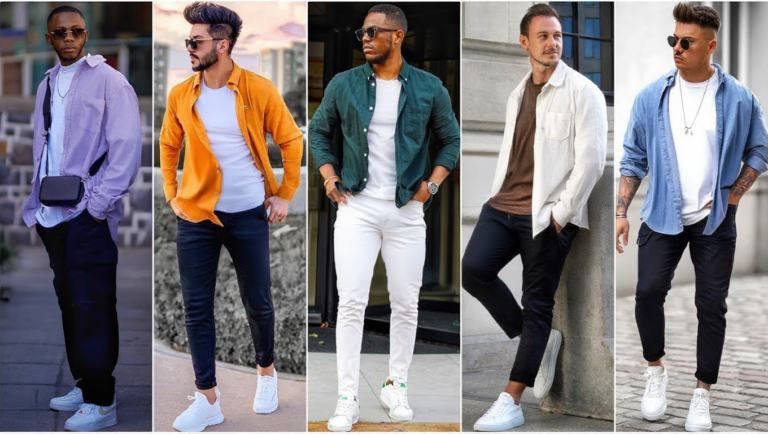
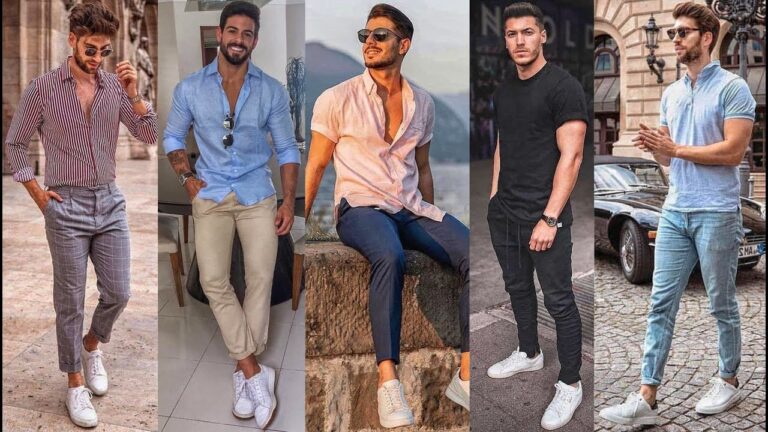
White sneakers are the most universally applicable casual shoe any man can own. They work with jeans, chinos, joggers, and shorts without any coordination effort, and a clean pair communicates relaxed confidence even under the simplest everyday outfit.
Minimal branding and clean silhouettes suit the widest range of personal styles and ages, and brands across different budget levels now offer excellent options without compromising that understated look. The single most important maintenance discipline is keeping them clean — dirty or yellowed sneakers undermine the whole outfit around them. A dedicated cleaner and a protective spray on the leather keeps that fresh appearance intact; a clean pair always looks more expensive than it is.
Chelsea Boots: Smart, Versatile, and Always Appropriate
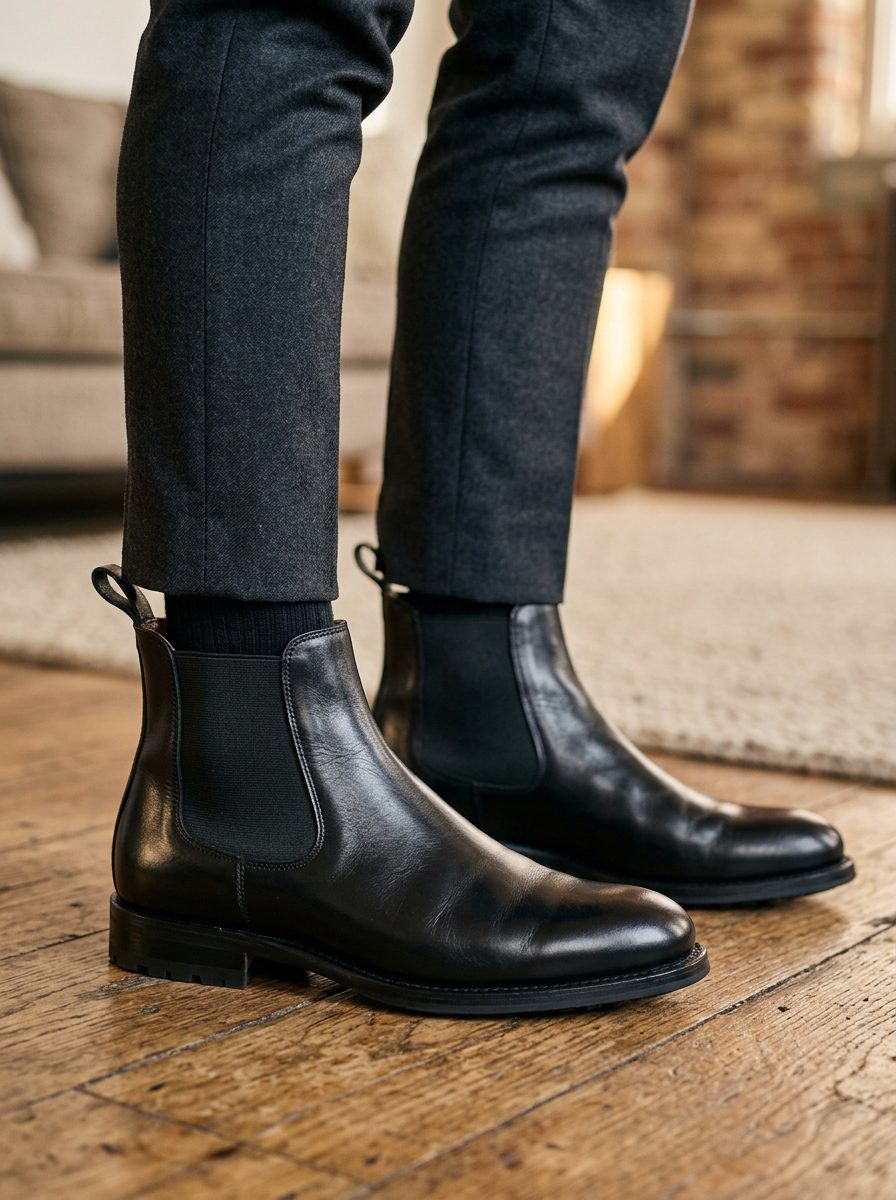
Chelsea boots sit so naturally between casual and formal that almost no occasion clearly excludes them. The sleek ankle-height design with elastic side panels makes them easy to wear daily while reading as considered across a genuinely wide range of settings.
Leather Chelsea boots in black or dark brown work with slim-fit trousers, dark denim, and tailored chinos without awkward formality gaps between them. Suede versions in tan or grey add a more relaxed, textured appeal for weekend wear. They also make excellent travel companions — easy to remove at airports and consistently sharp by the time you arrive. For one boot that carries a man from Monday to Sunday, Chelsea boots are the definitive answer.
Brogues: Classic Detailing That Adds Real Character
Brogues are the most characterful entry in the formal footwear category. Their perforated detailing and wingtip design add visual interest that plain-toe styles can’t match, and they originated as functional outdoor footwear in rural Scotland and Ireland before evolving into one of the most beloved dress shoe styles in menswear — that heritage reads in the finished product.
Brown and tan leather brogues are the most versatile, pairing naturally with navy, grey, and olive outfits, while black brogues suit more formal settings alongside charcoal and black suits. Full brogues with complete wingtip detailing make the strongest statement; semi-brogues with toe-cap detailing offer a subtler finish for stricter professional environments.
Derby Shoes: The Relaxed Alternative to the Oxford

Derby shoes feature an open-lacing system that makes them more forgiving in fit than the closed Oxford, particularly for wider feet or anyone who finds Oxfords uncomfortably restrictive. That structural difference gives them a more relaxed character while still looking genuinely polished for smart and business casual settings.
Suede or textured leather Derbies work well with chinos, slim jeans, and casual trousers where a strict Oxford would look overly formal. Brown, tan, and grey are the most versatile colours, and quality leather develops a beautiful patina over years of regular wear rather than showing deterioration. For a dress shoe with a more accommodating fit and slightly less formal character, the Derby is consistently rewarding.
Monk Strap Shoes: Bold Sophistication for Confident Men
Monk strap shoes replace traditional laces with one or two decorative buckle straps across the instep, immediately separating them from every other dress shoe in the formal category. They suit men who want classic tailoring with a distinctive edge rather than defaulting to the standard Oxford or Derby.
Double monk straps are particularly popular in 2026 for their visual complexity, while single monk straps offer a cleaner, more conservative interpretation for stricter professional environments. Brown and cognac leather pair beautifully with navy, grey, and earth-toned suits; black suits formal occasions and sophisticated evening outfits.
Chukka Boots: Casual Elegance for Everyday Wear

Chukka boots are one of the more underrated options in men’s footwear. The low ankle height with two or three eyelets and an open lacing system creates a relaxed profile that occupies a genuinely useful middle ground between weekend casual and smart casual.
Suede chukkas are the most popular, adding texture and warmth without visual stiffness, and tan or sand suede pairs beautifully with dark jeans and chinos across earthy palettes. Leather versions in brown or dark chocolate offer a slightly more structured take on the same silhouette, and they work particularly well through autumn and transitional weather, when a full dress boot feels excessive but a plain sneaker feels insufficient.
Dress Boots: Statement Footwear for Elevated Style
Dress boots extend the elegance of a formal shoe up to the ankle or slightly beyond, adding a distinctly sophisticated edge that standard dress shoes can’t quite reach. That extra thought registers consistently across formal and creative professional settings.
Chestnut leather dress boots pair beautifully with dark wash jeans for an elevated casual result, while black leather dress boots with a polished blazer and tailored trousers create a formal-adjacent look with real personality. In 2026, hybrid dress boots with sleeker, more minimal silhouettes are trending strongly because they move between formal and smart casual more naturally than traditional versions allowed — always coordinate belt colour with the boot for maximum cohesion.
Sneakers: Performance Style That Works Everywhere

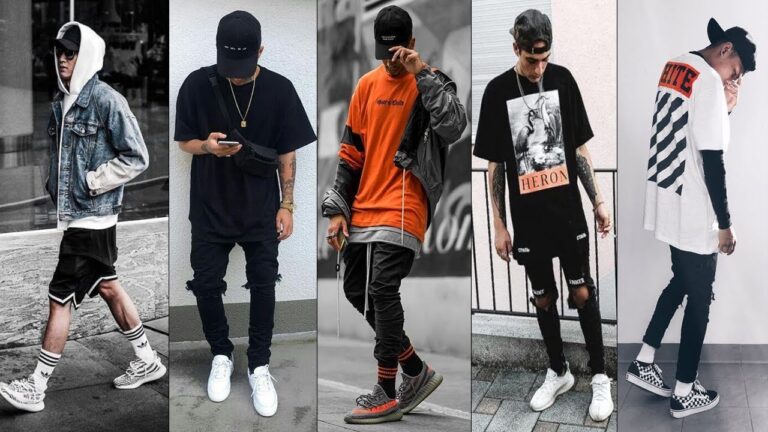
Sneakers remain the dominant footwear category in men’s style globally, and the strongest trend within it is a clear shift toward minimal luxury sneakers in neutral tones and sustainable materials — quality over branding and logomania, reflected across the wider street looks in our street style guide.
Clean, understated designs suit casual, smart casual, and some creative professional settings without conflict, while chunky-soled sneakers with cleaner profiles continue evolving as a popular street-ready option. Retro running sneakers carry both style credibility and heritage appeal that purely modern designs can’t replicate. Owning two or three quality pairs across different style categories covers every casual occasion without a footwear gap.
Sandals: Summer Footwear Done with Real Confidence
Men’s sandals have evolved well beyond basic flip-flops into genuinely stylish summer footwear. Leather sandals with minimal strapping add a relaxed, Mediterranean elegance that suits summer smart casual outfits in a way no other warm-weather shoe quite matches — a natural pairing with the lighter looks in our summer outfit ideas guide.
They work comfortably with linen trousers and shorts across holiday and urban settings, while chunky-soled sandals bring a more fashion-forward, streetwear-influenced feel. Suede-strap sandals in tan and cognac are particularly strong in 2026. Keep them clean and well-maintained — cracked soles or dirty straps undermine the outfit around them regardless of how well everything else is assembled.
How to Care for Men’s Shoes and Make Them Last

Well-maintained shoes consistently look more expensive than neglected ones, and the gap in longevity between a properly cared-for pair and a casually worn one is measured in years, not months.
Rotating shoes daily is the single most impactful longevity habit available, and it isn’t purely cosmetic — Healthline’s rundown of the podiatric case for shoe rotation notes that feet sweat throughout the day regardless of season, and shoes worn again before that moisture fully dries become a better environment for the bacteria and fungus behind odour and athlete’s foot. Letting each pair rest lets both the shoe and the moisture inside it recover. Quality shoe trees between wears maintain the shape of the last, and conditioning leather every four to six weeks with a quality conditioner prevents cracking.
Apply suede protector spray before the first wear on any suede shoe for water and stain resistance, and polish leather regularly to maintain shine and protect against scuffs. Clean sneakers consistently with a dedicated cleaner. None of this takes much time, and it protects a genuinely significant investment.
How to Match Shoes with Every Outfit
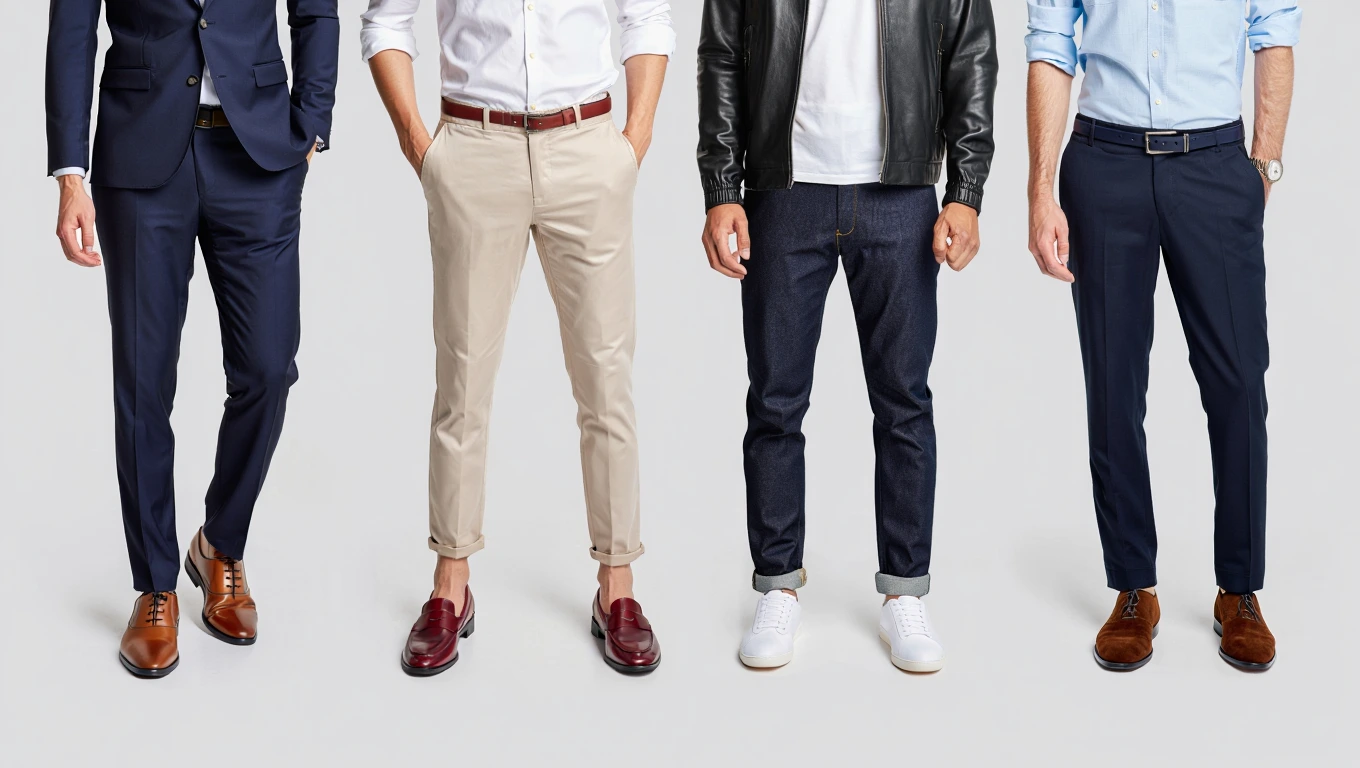
The single most reliable matching rule is coordinating shoe colour with belt colour without exception — black belt with black shoes, brown belt with brown or tan shoes. This creates a cohesive quality that registers as careful grooming rather than accidental coordination.
For casual outfits, white sneakers work with virtually every colour combination without any coordination thinking. For smart casual, loafers and Chelsea boots in tan or brown complement navy, grey, and earth-tone outfits most naturally, and formal settings call for Oxfords or brogues in black or dark brown depending on suit colour — dark suits pair best with black shoes, mid-toned suits in navy and grey with brown or tan. Building a collection that covers white, tan, and black gives complete coverage across every occasion with zero daily coordination decisions.
Building a Men’s Shoe Collection from Scratch
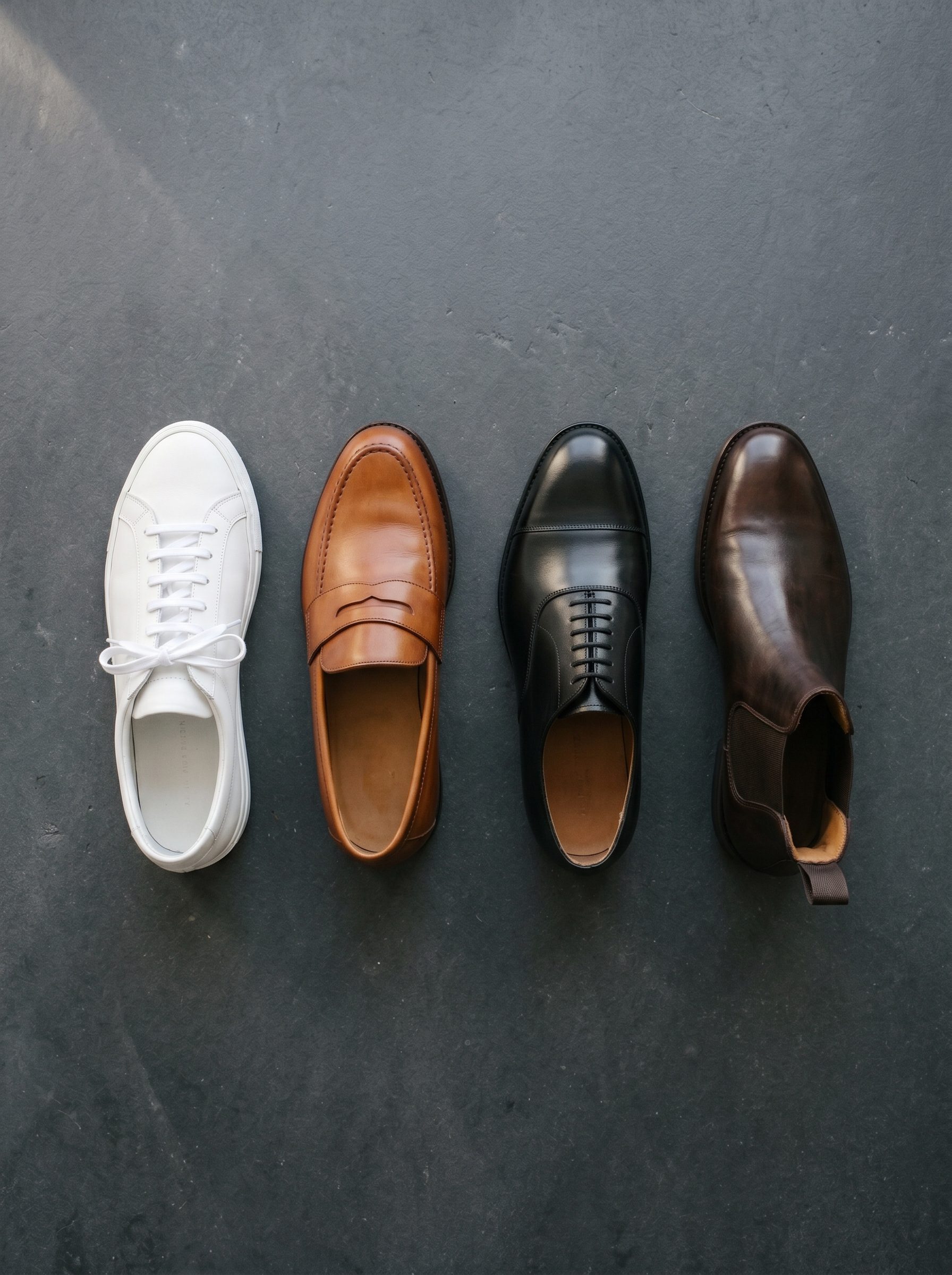
A deliberate, strategic approach to building a shoe collection delivers far better results than accumulating pairs reactively, in the same spirit our capsule wardrobe guide takes toward clothing generally.
Start with four foundational pairs covering every daily scenario without redundancy: white sneakers for casual everyday wear, leather loafers to bridge casual and smart casual, a black Oxford for every formal occasion, and a Chelsea boot in leather or suede for smart casual and semi-formal settings across seasons. Once those four are established, expand with a brogue for character, a suede chukka for relaxed weekends, and a dress boot for evenings that need more presence than a standard shoe provides.
Invest in quality leather and construction from the first purchase. A small collection of four to seven quality pairs delivers more daily styling power and lasts significantly longer than a larger collection of cheaper pairs that wear quickly and undermine the outfits around them.
Common Footwear Mistakes and How to Fix Them
Wearing dirty or unpolished shoes is the most common and most damaging mistake. A carefully assembled outfit loses credibility at the feet when shoes are scuffed or visibly worn down — and it’s also the easiest to fix, since a regular cleaning and polishing routine takes minutes.
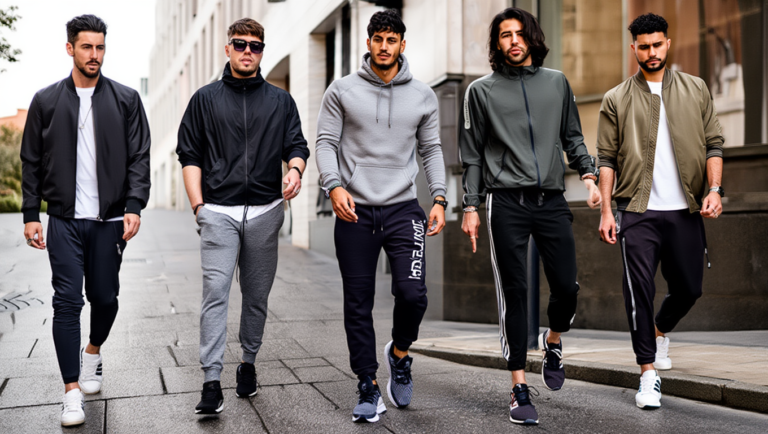
Mismatching shoe formality with outfit formality is the second most frequent error — trainers with a formal suit or dress Oxfords with joggers both look genuinely wrong in ways observers register immediately even if they can’t say why. Buying shoes that fit poorly creates visible discomfort that shows in how a man walks and carries himself, mixing belt and shoe colours inconsistently reads as a lack of attention to detail, and neglecting care and rotation dramatically shortens even quality footwear’s lifespan. Fixing these costs nothing and immediately improves how every pair in the collection performs.