Renter friendly home decor: what changes a room without risking your deposit
A rental can feel like yours without a single nail hole. The catch is that every removable product has limits. Adhesive strips fail on textured walls. A tall mirror still needs to be secured. A lease can ban things that look harmless. The safest approach is simple. Read the lease first. Match each decor goal to the lowest risk method. Keep everything reversible. This guide covers walls, lighting, windows, floors and furniture. It also shows where each method fails and how to leave with your deposit intact.
Read the lease before you buy anything
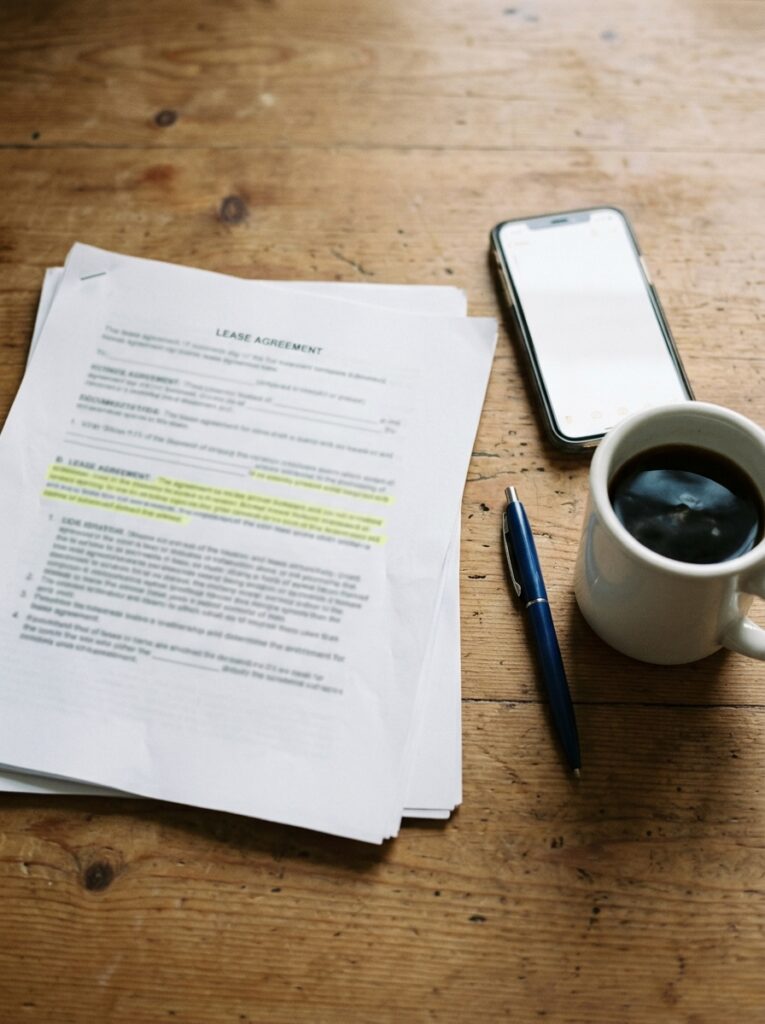
Start with the lease and not a shopping list. Leases differ. Some allow small nail holes. Some ban painting. A few ban even removable adhesive.
Look for four things. Check the rules on nails or wall fasteners. Check the rules on paint, and window coverings. Then read any clause about alterations and security deposit deductions.
If the wording is unclear, ask the landlord or property manager by email. A written reply protects you later. Keep the questions direct. Can I use adhesive hooks? May I hang curtains on the existing brackets? Are a few small nail holes acceptable? Either answer helps you before you spend money.
State rules matter too. Idaho Legal Aid reproduces a table from the Idaho Office of the Attorney General. It lists nail holes, pin holes and small wall cracks as normal wear and tear, and a landlord cannot keep deposit money for normal wear and tear. Idaho Legal Aid guide. That is one state’s guidance. Your state may draw the line differently, so check local tenant resources. idaholegalaididaholegalaid
Document the condition before you decorate
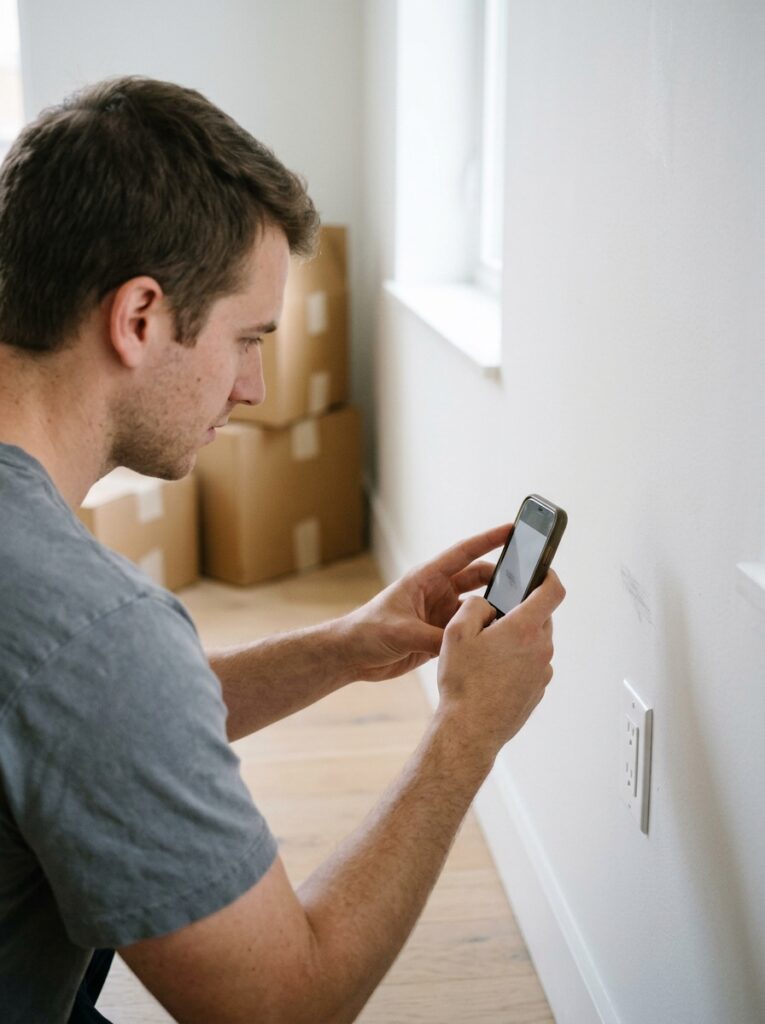
Take dated photos of every wall, floor, window and fixture on move in day. Shoot existing marks, scuffs and holes up close. Email the set to yourself. Send it to the landlord too if your lease has a move in checklist.
This record separates damage that was already there from anything you cause. It also shows which surfaces to avoid. Wallpaper, heavily textured plaster and freshly painted walls all limit your options. Keep the files until the deposit comes back.
Walls: what works and where it fails
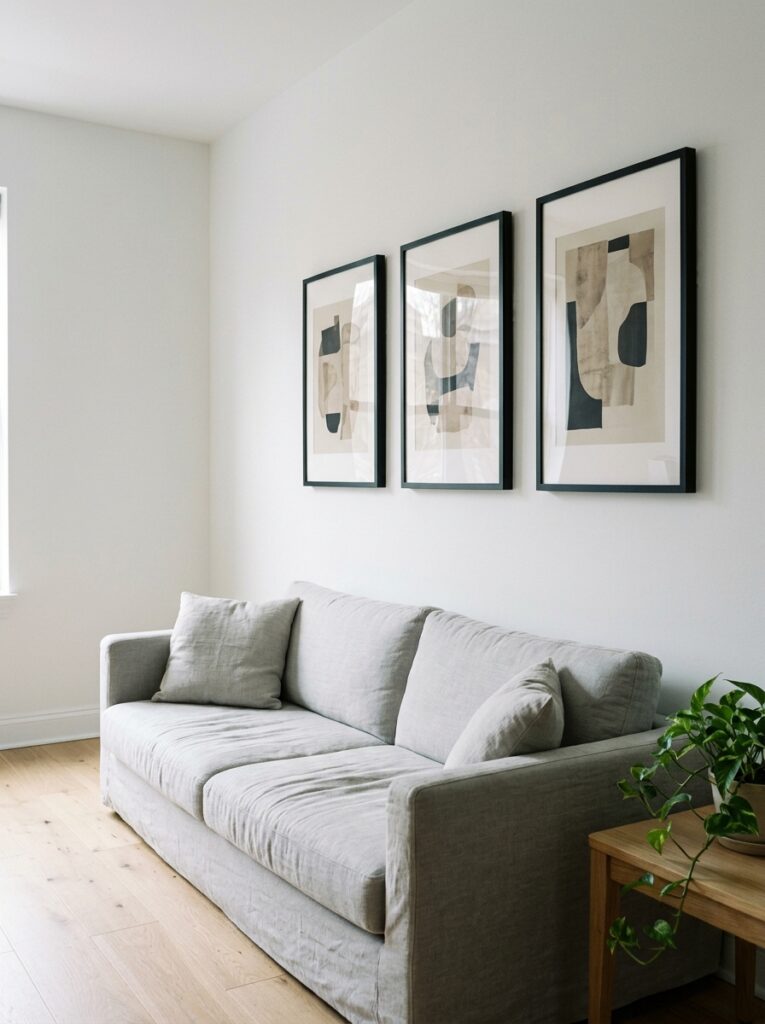
Walls are where most renters get stuck. Three methods cover nearly every case. Each one has a surface it dislikes.
Adhesive strips and hooks
Adhesive strips work best on smooth, clean, painted walls. Command’s own guidance lists painted walls, tile, metal, glass, laminates and smooth solid surfaces as approved. The same page says to wait 7 days after painting and not to hang items over beds or on wallpaper. It also advises against valuable or irreplaceable items. See the Command picture hanging guide. How to Use Command™ Strips for Hanging Pictures|Command™ Brand +2
Texture is the usual failure point. The company says its products are not recommended for heavily textured surfaces because the adhesive may not make full contact. Many rentals have an orange peel finish. If the wall feels bumpy under your hand, test one strip in a closet first.
Preparation matters. Wipe the spot with rubbing alcohol. Press each strip firmly for 30 seconds. Respect the weight rating on the package. A medium pack lists four pairs for frames up to 10 pounds and about 18 by 24 inches. Heavier frames need a larger pack or another method.
To remove a strip, pull the tab straight down. Slow pulling helps. Pulling toward you can tear paint. The Command FAQ page explains this.
Leaning art and shelves that stand on the floor
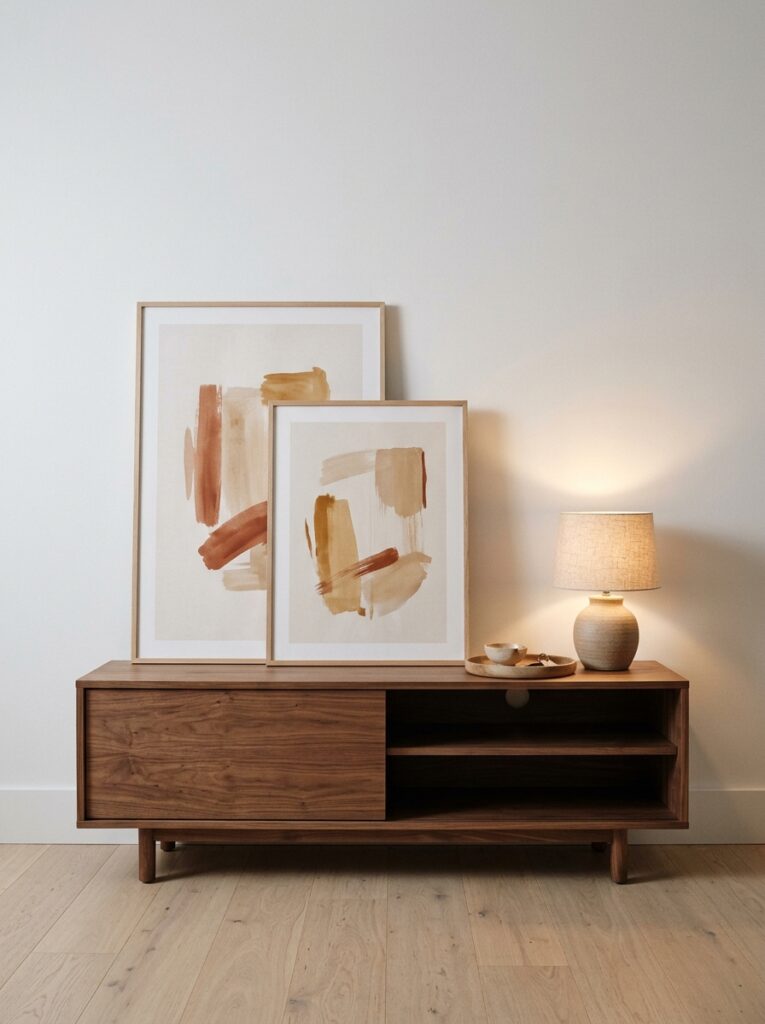
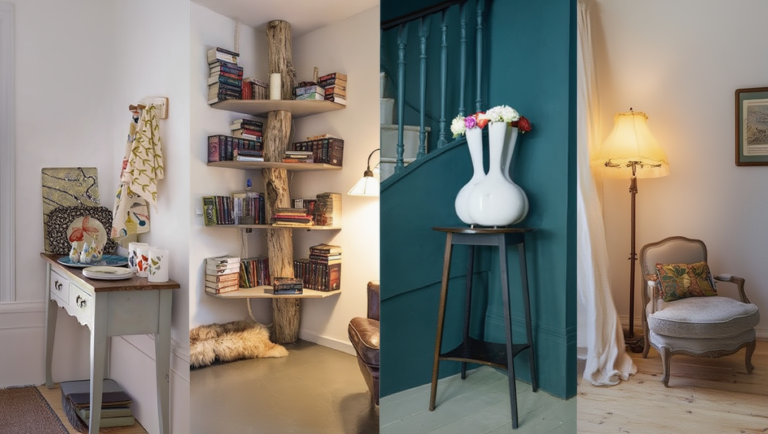
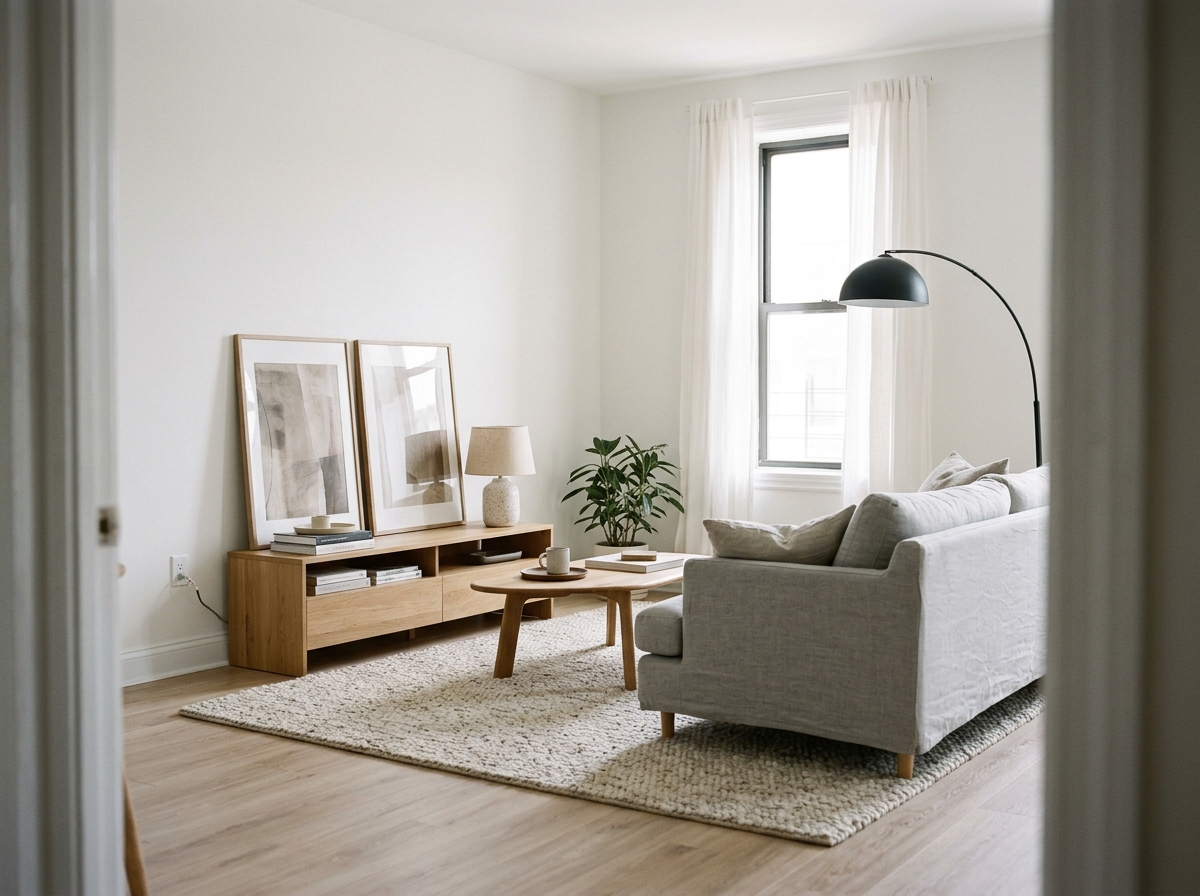
A large frame leaned on a console, dresser or floor shelf needs no hardware. Layer two or three at different heights for a gallery look. Keep the frames lightweight. Keep them out of walkways and away from door swings. Leaning also suits pieces that are too heavy for adhesive.
A freestanding bookcase gives the same benefit. It holds objects, books and plants without touching the wall. Section six covers tall furniture safety.
Peel and stick wallpaper and paint
Peel and stick wallpaper and removable decals change a wall quickly. They also carry more risk than strips. On some paints they can lift the finish at removal. On textured walls they may not stay up.
Test a small hidden patch first. Leave it for a few days. Then peel it back and look at the paint. Ask permission before covering a large area.
Painting is a lease question before it is a product question. Many leases ban it without written consent. If the landlord agrees, ask whether you must repaint to the original color at move out.
Lighting without touching the wiring
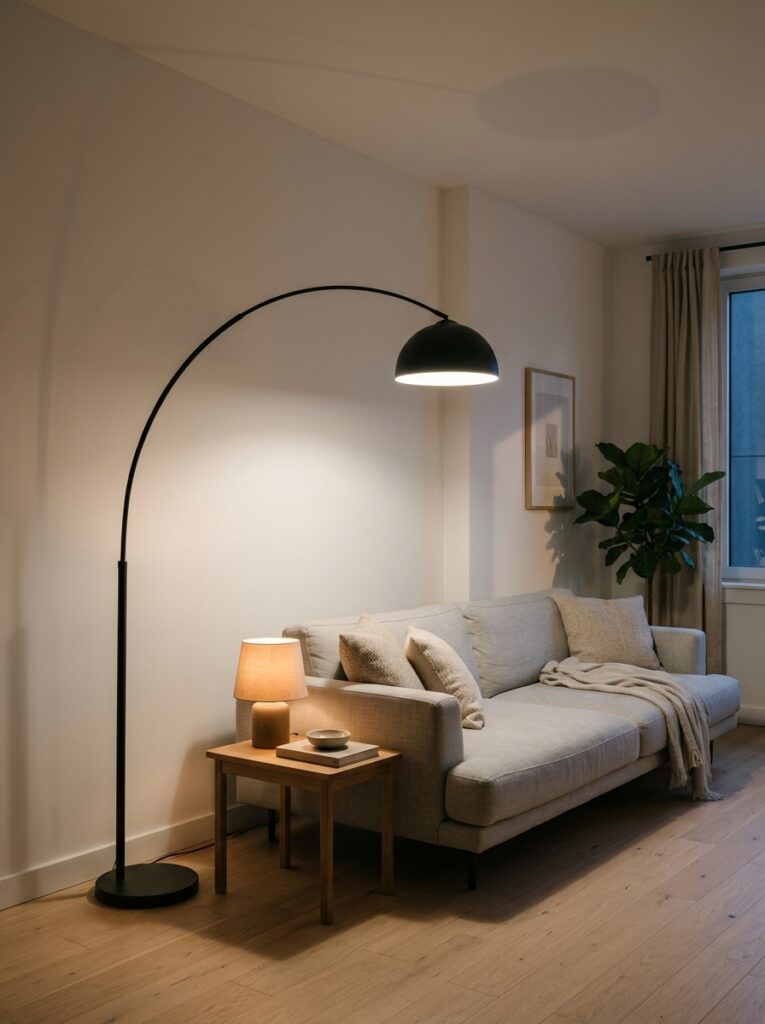
Rental lighting is often one harsh ceiling fixture. You can fix the mood without replacing it. Add lamps. A floor lamp in a dark corner and a table lamp near the sofa give you low light at eye level. Fivaan’s guide to lighting decor ideas explains how ambient, task and accent light work together.
Check the color temperature on the bulb box. Warmer numbers feel softer in living rooms and bedrooms. Never exceed the maximum wattage printed on a lamp.
Plug in wall sconces can replace bedside lamps and free up table space. Most are heavy. Compare the fixture weight with the strip rating, and choose a lighter model if the numbers are close.
Do not replace a hardwired ceiling fixture unless the lease allows it. A licensed electrician should do that work. Keep the original fixture so it can go back up. Never cover or move a smoke detector.
Windows: curtains, film and blinds
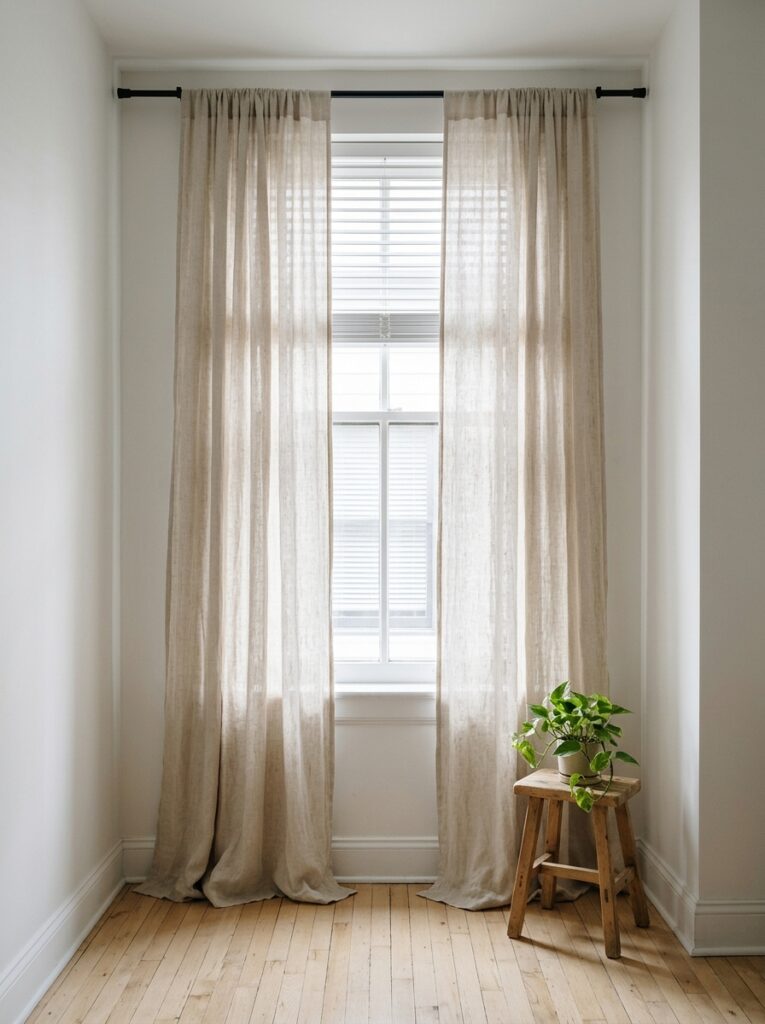
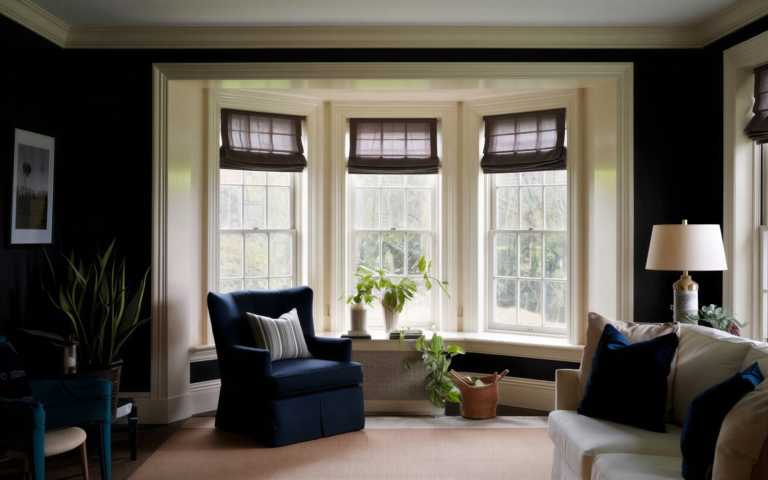
Curtains change a rental more than almost anything else. Use existing brackets if there are any. Use a tension rod for light panels in small windows. Tension rods have weight limits, so skip heavy lined curtains on them.
Hang the rod closer to the ceiling than the window frame. The window then looks taller. Choose panels long enough to reach near the floor.
Leave the landlord’s blinds up. Hang curtains in front of them. This hides the blinds and keeps the original window treatment intact. Frosted window film adds privacy without a curtain. Test a corner first, because some films are harder to remove than others.
Floors: rugs that stay put without marking
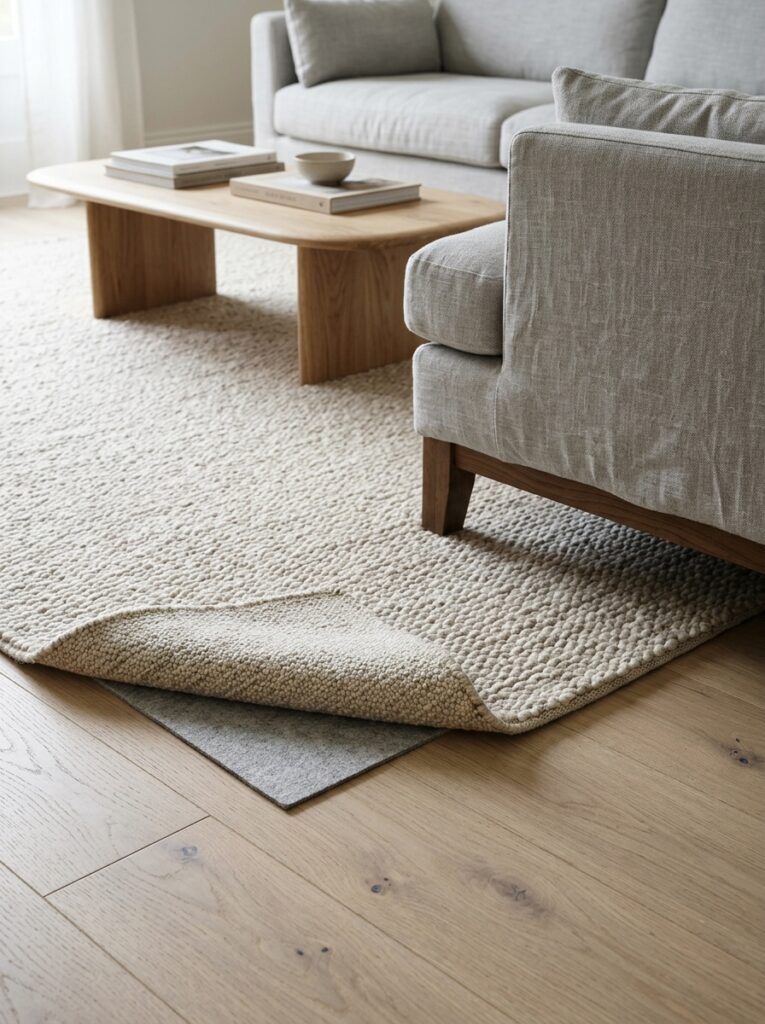
A rug covers worn carpet or dull flooring. It also absorbs sound. Choose size first. The rug should be large enough that the front legs of the sofa and chairs sit on it. A small rug looks like an afterthought.
Use a pad made for your floor type. Some rubber or latex backings can stain or stick to certain floors. Read the rug maker’s care notes and the flooring guidance before you buy.
Keep edges flat. A curling corner is a trip hazard. Put felt pads under furniture legs and lift pieces instead of dragging them. These small steps protect the floor and the deposit.
Storage and furniture that carry the room
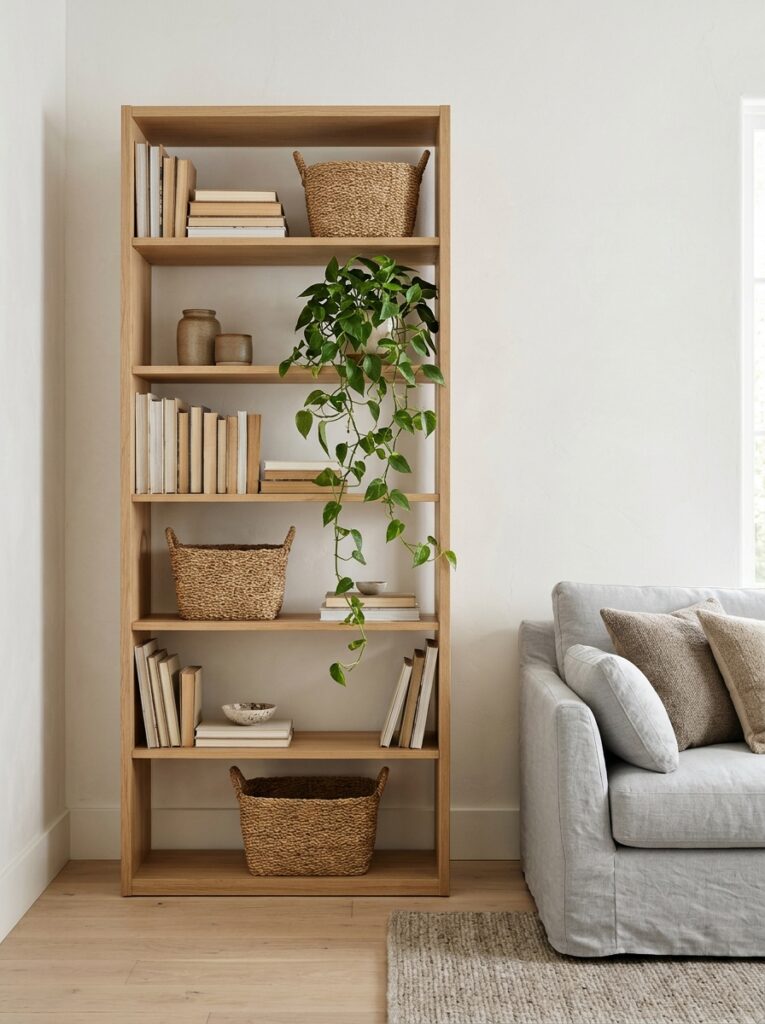
In a rental, furniture does the work that walls cannot. A tall open bookcase gives you display space without drilling. A console table with a lamp and a tray becomes the landing spot for keys and mail.
Choose pieces that move with you. Closed storage and baskets hide visible clutter. A mirror can sit on a console or lean on a dresser while you wait for a safer plan. Fivaan’s guide to mirror decor ideas shows where mirrors work best.
Plants add life without hardware. If you have pets, check each plant against a trusted toxicity list before buying.
Heavy items, mirrors and tall furniture
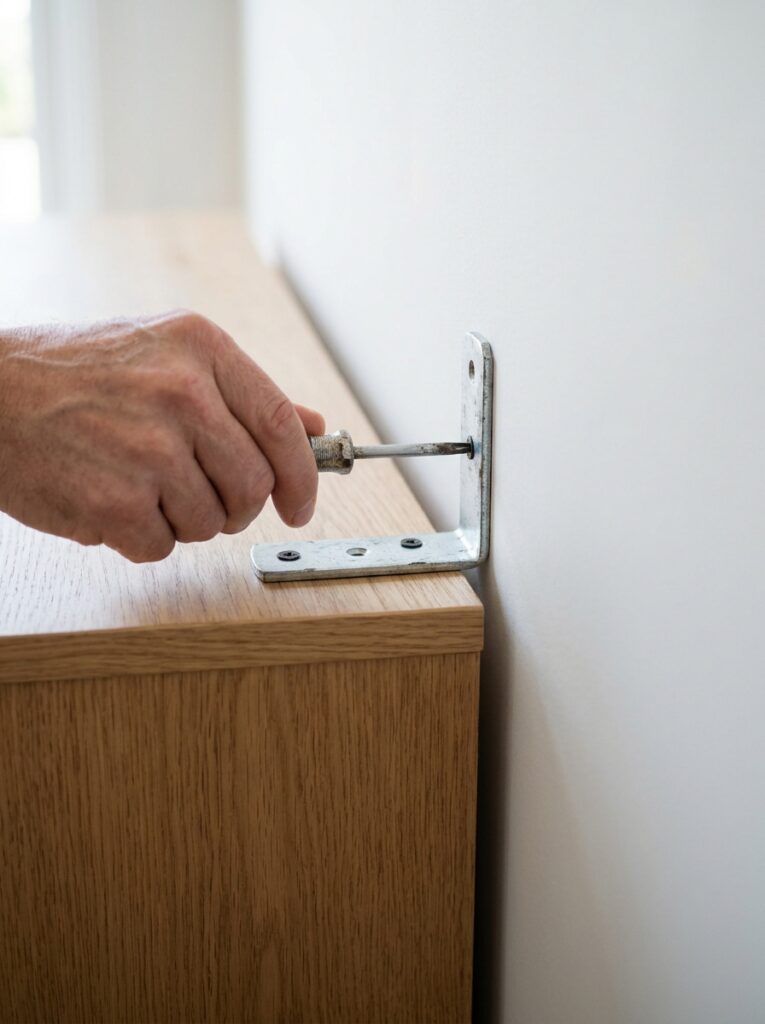
Adhesive and leaning methods suit light pieces. Heavy mirrors and tall furniture are different. The American Academy of Pediatrics advises that you secure all furniture and mirrors with anti tip devices. It says this may require relocating the furniture so the wall anchors can be placed in a stud. It also suggests metal anchors such as L brackets, because plastic can become brittle over time. Read the AAP guidance on furniture and TV tip overs. Preventing Furniture and TV Tip Overs.aspx +2
Anchors need screw holes. In a rental, ask the landlord in writing. Some accept a small number of anchor holes. Others do not.
If anchoring is not allowed, reduce the risk another way. Choose lower and wider furniture. Keep heavy items on the lowest shelves. Do not place a television on top of a dresser. Keep tall pieces away from beds and doorways. A mirror that weighs more than any strip rating needs proper hardware. Do not rely on adhesive for it.
Move out plan: reverse it in one afternoon
Reversal should take an afternoon. Keep a labeled box for the original hardware. That includes any fixture, bracket or blind you took down. Put it all back before you leave.
Remove strips slowly by pulling each tab straight down. Take curtains and rods down. Peel wallpaper slowly and stop if paint starts to lift. Compare each wall with your move in photos.
If you made small holes, ask the landlord whether to leave them or fill them. Do not improvise repairs the lease does not allow. Take a final set of dated photos before you hand back the keys.
Start this week with three steps. Read the lease. Photograph the unit. Buy one lamp. That alone changes a rental room, and it costs the deposit nothing.