Simple Home Decor Ideas

Simple Home Decor Ideas That Instantly Upgrade Your Space

Simple Home Decor Ideas: Small Changes That Create Big Results

The most common mistake in home decorating is assuming that improvement requires large purchases or significant renovation work. It rarely does. The rooms that look genuinely polished and inviting almost always got there through small, deliberate changes applied consistently rather than through expensive single purchases made without a clear plan.

The fifteen ideas on this list are specifically chosen because they work immediately, cost very little or nothing, and create visual results that most people attribute to professional design work rather than simple everyday decisions. Every idea here can be started today with what most homes already contain or can source very affordably.

Add Throw Pillows in Neutral Tones: Instant Texture and Warmth


Throw pillows are one of the fastest and most reliable sofa or bed upgrades available because they change the surface’s visual character immediately without requiring any furniture change or significant budget. The right pillow arrangement communicates warmth, personality, and deliberate styling in a way that plain seating simply cannot.

Choose neutral tones in beige, cream, white, or soft grey because these colors blend naturally with most interior styles and create a calm, cohesive result without requiring any specific color coordination effort. Mixing two or three different textures across the same color family, cotton alongside linen, a linen pillow beside a velvet one, creates the layered, considered quality that professional stylists consistently use. Three or five pillows typically work better than two or four because odd numbers create more natural-looking arrangements. Replace faded or worn covers rather than the entire cushion and the improvement costs very little.

Hang a Large Mirror: Light, Depth, and Visual Space


View this post on Instagram


A post shared by About Space (@aboutspace_india)


A large mirror does three things simultaneously that no other affordable home decor purchase replicates. It reflects natural light and brightens the room. It creates a sense of depth and makes the space feel larger. And it adds a strong architectural element to the wall that contributes genuine visual interest from every position in the room.

Placement matters considerably. A mirror positioned opposite a window reflects natural light back across the room and effectively doubles the perceived brightness of the space throughout the day. A full-length mirror leaned against a wall in a bedroom adds glamour and practical daily function simultaneously. Choose a frame that complements the room’s existing materials. A thin black metal frame reads as contemporary. A natural wood frame reads as warm and organic. Either choice transforms the wall it occupies into a genuine focal point.

Bring in Indoor Plants: Natural Life That Cannot Be Faked


Indoor plants add something that no manufactured object can replicate: genuine living energy. A room with plants always feels more alive, warmer, and more personally inhabited than the same room without them. That quality registers immediately without any conscious analysis from anyone who enters the space.

Even a single plant placed thoughtfully creates more atmospheric impact than several decorative objects positioned without the same consideration. Snake plants suit low-light corners and require minimal watering. Pothos trail beautifully from shelves and cascade naturally over edges. Monstera creates dramatic architectural presence in larger spaces. Ceramic, terracotta, or woven basket planters in neutral tones keep the visual focus on the plant rather than the container. High-quality faux plants achieve the same visual result in rooms where natural light is genuinely insufficient for live plants.

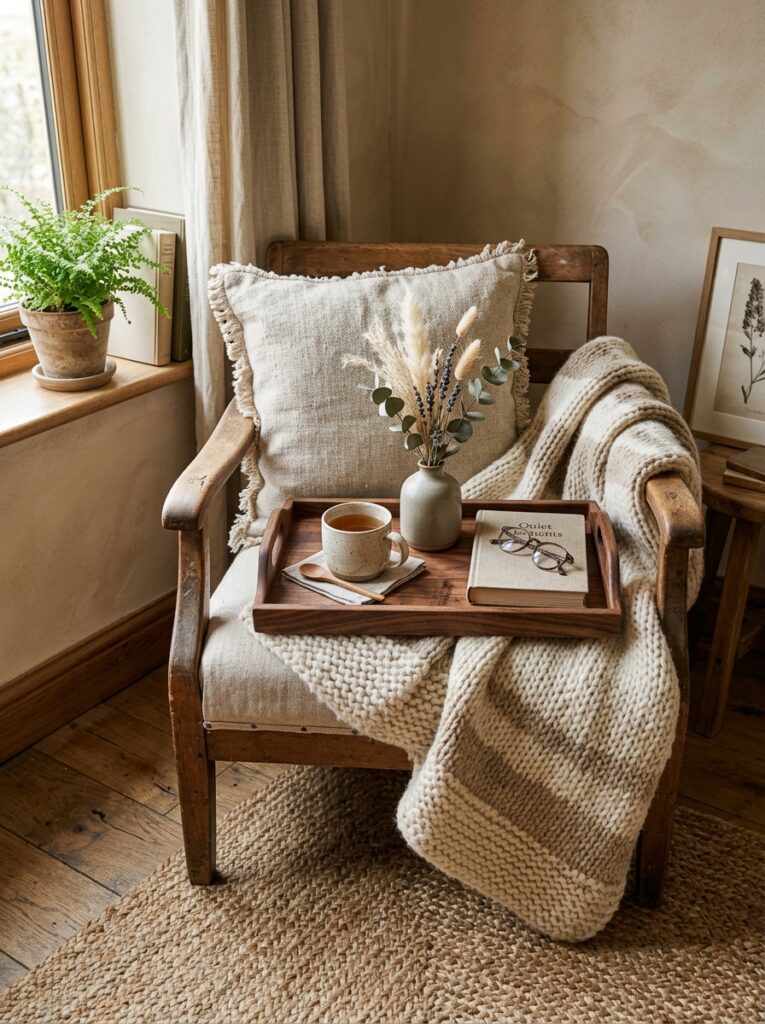
Drape a Textured Throw Blanket: Immediate Comfort and Warmth


View this post on Instagram


A post shared by Crane Home (@cranehome_usa)

A throw blanket draped over the arm or back of a sofa or laid across the foot of a bed adds immediate visual warmth and tactile softness to spaces that can feel cold or hard without soft materials present. It also communicates lived-in comfort in a way that purely decorative objects cannot, because it is an invitation to actually use the furniture rather than simply look at it.

Knitted, woven, and waffle-texture throws all create the material richness that genuinely luxurious interiors share. Neutral colors in oatmeal, cream, charcoal, and warm grey suit the widest range of furniture colors and interior styles without requiring any specific coordination. A single quality throw draped casually rather than folded perfectly looks more natural and more genuinely inviting than one arranged with excessive precision. The casual quality communicates real home life rather than a staged display.

Style Your Coffee Table: Transform the Room’s Centre


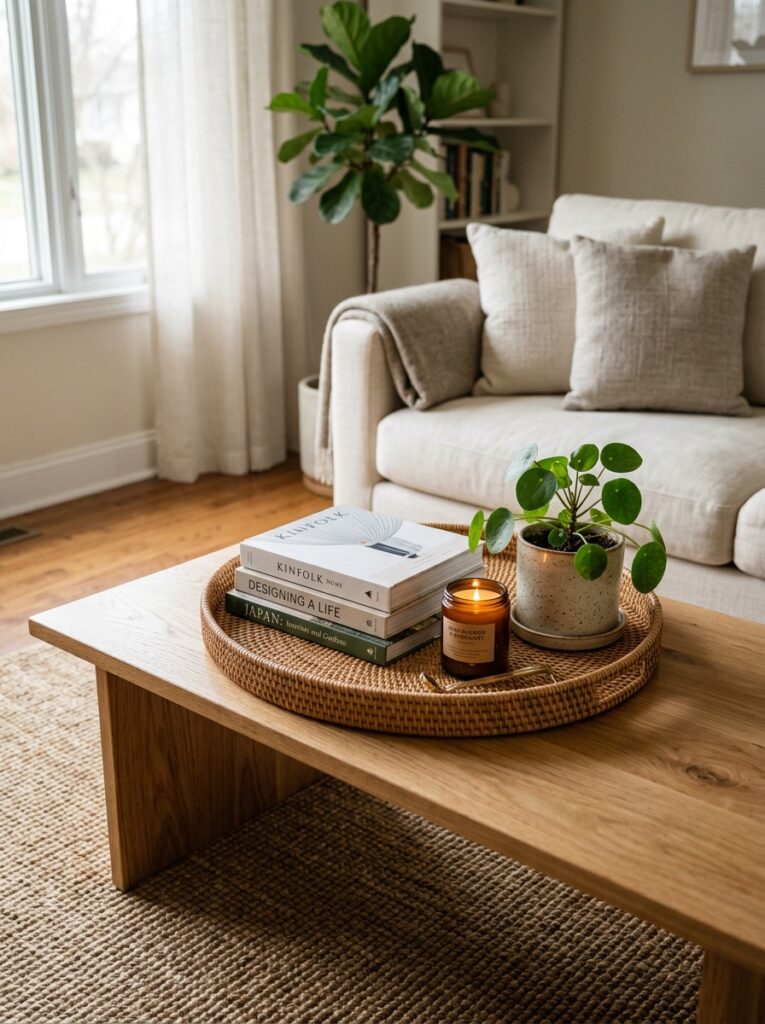
The coffee table sits in the visual centre of any living room arrangement and is seen from every seat in the space. Leaving it bare or cluttered with functional everyday items consistently makes the whole room read as unfinished regardless of how carefully everything else has been considered.

A styled coffee table arrangement typically uses four elements together. A tray to contain and organize everything on top of it. One or two coffee table books stacked horizontally to add height and color. A small plant or vase to add organic material. A candle or small sculptural object to complete the composition. The tray is the most important of these elements because it creates a visual boundary that makes everything within it read as a deliberate display rather than a collection of unrelated objects. Leaving some surface space outside the tray keeps the table functional for daily use while the tray arrangement always looks intentional.

Create a Gallery Wall: A Personal Display That Talks About Who Lives There


View this post on Instagram


A post shared by Arhaus (@arhaus)


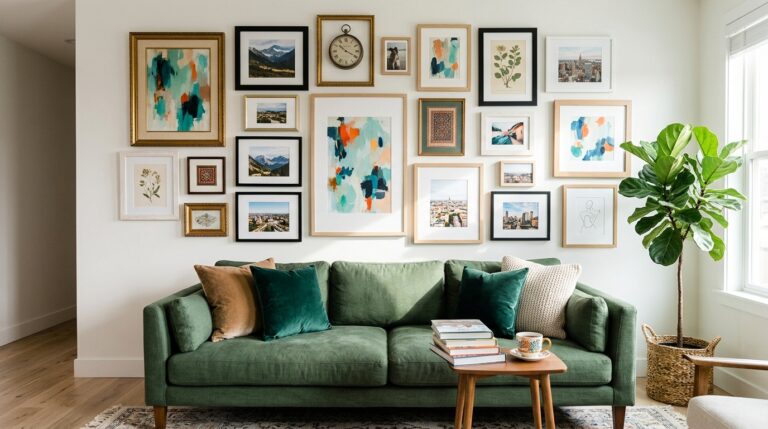
A gallery wall transforms a plain vertical surface into the room’s most personal and visually engaging element. Unlike purchased art or decoration, a gallery wall reflects the specific personality, interests, and visual preferences of the person who made it. That personal dimension is what makes gallery walls consistently more interesting than single-piece art selections.

Frame consistency is the single most important principle behind a gallery wall that reads as curated rather than collected. Choosing frames in the same finish across different sizes creates visual unity that allows the artwork or photographs within them to vary freely without the whole arrangement looking chaotic. Black frames create a clean, editorial result. White frames feel lighter and more contemporary. Natural wood creates a warm, organic quality. Laying the complete arrangement on the floor before committing to wall holes consistently produces a better result than hanging pieces individually and adjusting afterward.

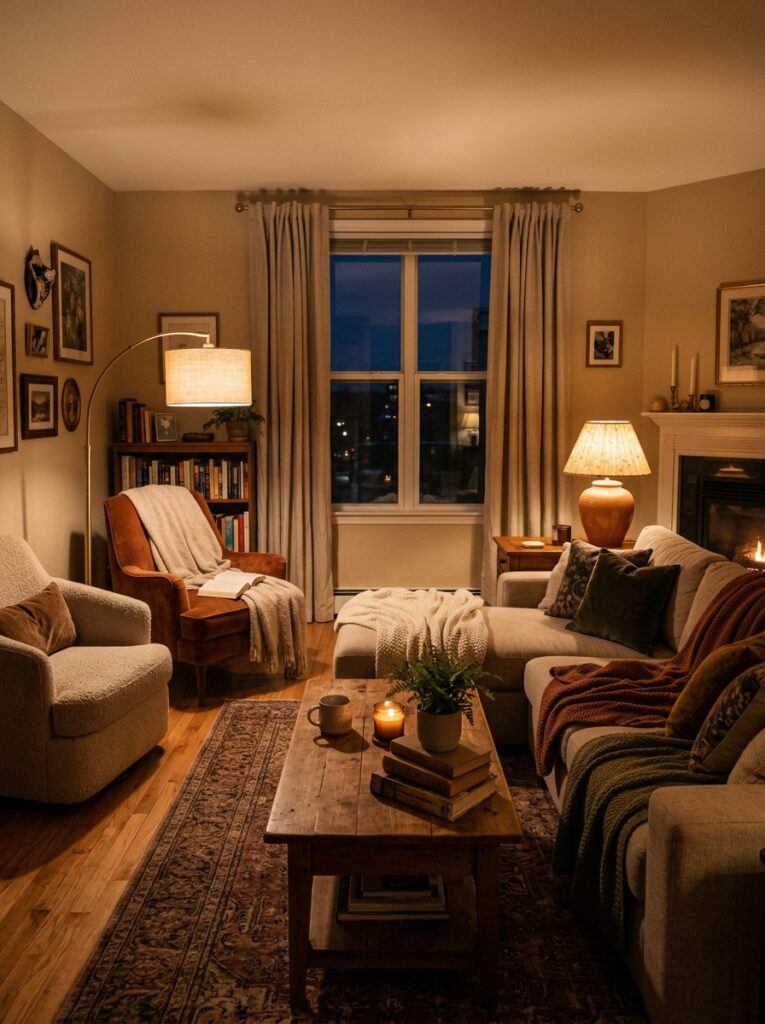
Upgrade Your Lighting: The Change With the Most Immediate Atmospheric Impact


Lighting has a greater impact on how a room feels than almost any other single decorating decision, and most homes significantly underinvest in it. A ceiling light as the only source in a room creates flat, clinical illumination that drains warmth and atmosphere regardless of how carefully everything else has been decorated.

Adding even one floor lamp or table lamp changes the room’s evening atmosphere immediately and dramatically. The difference between overhead-only lighting and layered lighting, ambient overhead plus at least one lower-positioned warm lamp, is the difference between a room that looks functional and one that feels genuinely welcoming. Warm white bulbs rated at 2700 to 3000 Kelvin create the most flattering and comfortable residential lighting atmosphere. A dimmer switch on the main ceiling light, combined with lamps, gives complete daily flexibility from bright morning functionality to warm evening atmosphere from a single room.

Lay Down a Statement Rug: Anchor the Room and Define the Space


View this post on Instagram


A post shared by Room & Board Modern Furniture (@roomandboard)


A rug does something that no wall decor or surface styling can achieve alone. It anchors the furniture arrangement, defines the seating area as a contained visual zone, and adds material warmth at floor level where rooms often feel cold and unfinished. Without a rug, even a well-furnished room can look like the final step was overlooked.

Size is the most important decision. A rug that is too small for the space looks like it was placed without consideration of the room’s proportions and makes the furniture around it appear to float without relationship to the floor beneath them. The front legs of sofas and chairs should sit on the rug for the arrangement to look grounded. Neutral flatweave, natural jute, and simple geometric rugs work well in the widest range of interiors without requiring any specific color coordination. A well-sized rug in the right position is one of the highest-return single purchases available for any living room or bedroom.

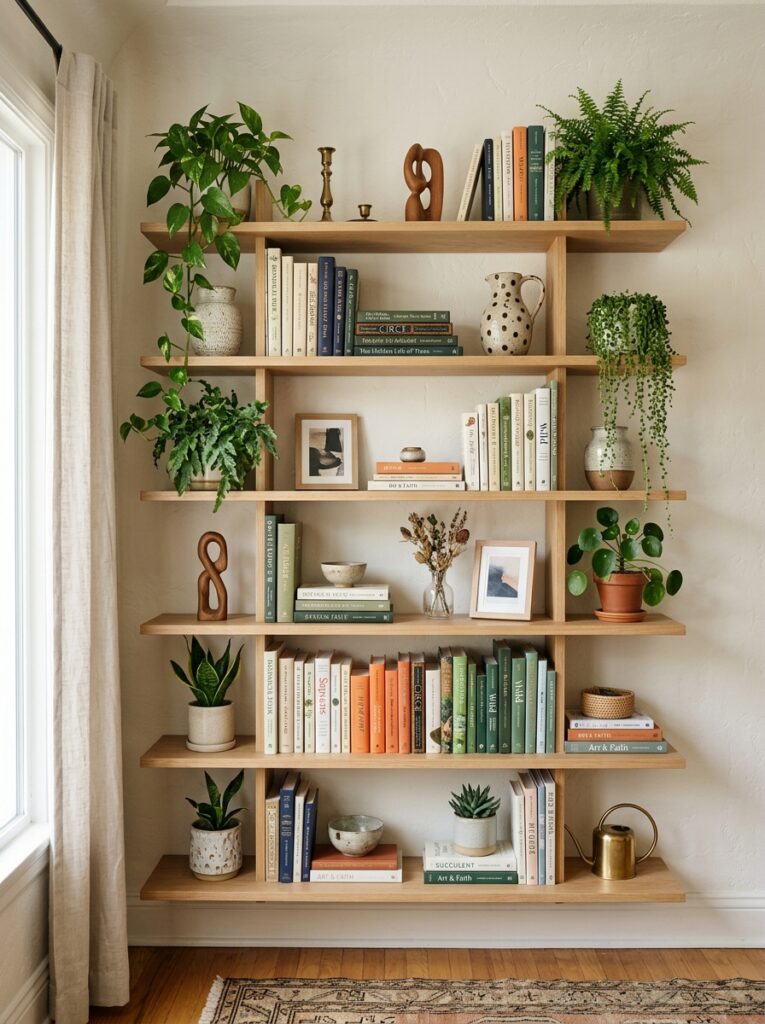
Style Your Shelves Properly: Balance, Breathing Room, and Genuine Character


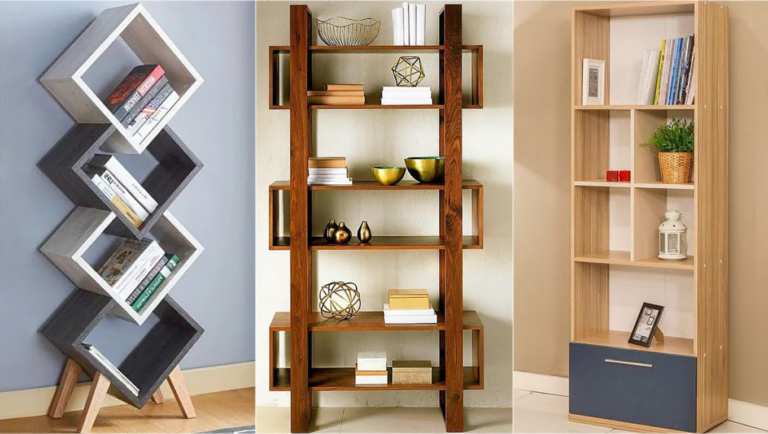
Most shelves in most homes are either overcrowded with too many competing objects or too sparse to create any visual interest. The right shelf styling occupies the space between these two extremes through deliberate balance and the discipline of leaving negative space intentionally rather than filling every available inch.

The most reliable approach mixes objects by type across each shelf. At least one book or stack of books, at least one plant or organic element, and at least one decorative object per shelf section, with visible negative space between the groups. Varying object heights creates vertical rhythm that prevents the shelf from reading as a flat wall of objects at uniform height. Books arranged both vertically and horizontally on different sections add structural variety. Keeping the overall color palette consistent across all displayed objects creates cohesion that allows the mix of different types to coexist without looking chaotic.

Put Fresh Flowers in a Simple Vase: Seasonal Life and Color


View this post on Instagram


A post shared by Pottery Barn Australia (@potterybarnaus)


Fresh flowers are the most immediately impactful and most perishable home decor element available, which is precisely what makes them so effective. They change the room’s character in a way that no permanent object can replicate because their presence is temporary and their freshness communicates active, ongoing care for the home.

A simple vase in ceramic, glass, or terracotta keeps the visual focus on the flowers rather than the container. Placing flowers on a dining table, kitchen counter, or entryway console immediately makes that surface feel considered and welcoming. Seasonal flowers that are locally available tend to look most appropriate and most natural in residential settings because they belong to the current moment rather than referencing a specific aesthetic or trend. Even a single stem in a small bud vase contributes genuine living warmth that clusters of artificial flowers at ten times the size cannot replicate.

Add Candles to Surfaces: Atmosphere and Visual Texture


Candles perform two functions simultaneously in a styled home. When lit, they create the warm, flickering ambiance that no electric light can fully replicate. When unlit, they serve as sculptural decorative objects that add material texture and height variation to any surface they occupy.

Grouping candles together creates a significantly stronger visual effect than placing individual candles separately across the room. Three candles of different heights grouped on a tray, or in a cluster on a mantel or shelf, creates a styled vignette that reads as intentionally composed. The tray underneath contains the arrangement and prevents it from looking like candles placed without relationship to each other. Scented candles add a sensory dimension that contributes to the overall atmosphere of the room beyond what is visible. Even the best interior design benefits from appealing to multiple senses simultaneously.

Hang Floor-Length Curtains: Make Rooms Feel Taller and More Elegant


View this post on Instagram


A post shared by Shafiq Sons Clifton (@shafiq_sons_clifton_)


The single most impactful and most commonly mishandled curtain decision is rod placement. Hanging the rod directly above the window frame, which is the default in most homes, keeps the window’s actual dimensions fully visible and makes the ceiling feel lower than it is. Hanging it as close to the ceiling as possible creates a completely different spatial impression.

Floor-length curtains hung from ceiling height make rooms feel taller, windows appear larger, and the overall aesthetic noticeably more refined regardless of the curtain fabric or price. Even very affordable cotton or linen curtains in neutral tones create an elegant visual presence when hung correctly. Extending the rod beyond the window frame on both sides allows the curtains to stack fully off the glass when open, maximizing natural light and reinforcing the impression of a wider window. This single adjustment, which costs nothing beyond a longer curtain rod, is the most consistently underused free room improvement available.

Declutter One Surface at a Time: The Simplest Upgrade That Costs Nothing


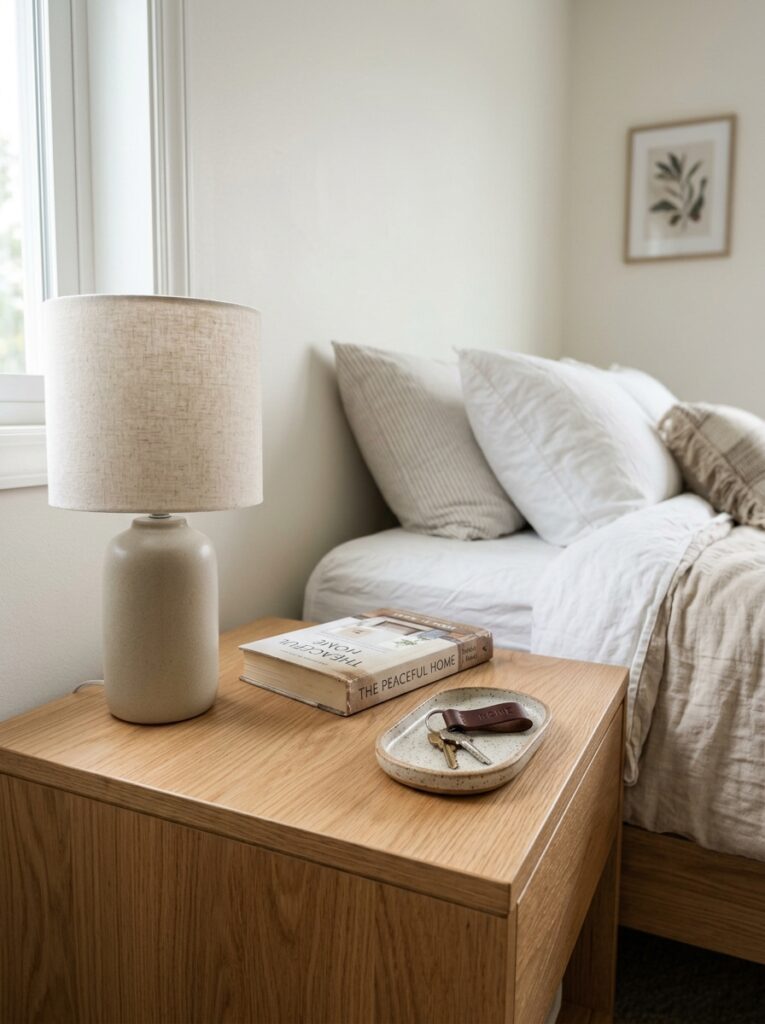
Decluttering a single surface is the most immediately effective home decor improvement available because it has no cost, requires no skill, and produces a visible result in minutes. A clear countertop, tidy coffee table, or organized bedside surface instantly changes how the whole room feels from every position within it.

The reason surfaces accumulate clutter is that convenient placement creates the path of least resistance for objects that need a temporary home. Creating a specific place for the objects that consistently land on surfaces, a tray for keys, a basket for mail, a drawer for everyday small items, removes the accumulation problem at its source rather than simply clearing it repeatedly. Starting with one surface and clearing it completely before moving to the next creates a momentum that makes the process feel manageable rather than overwhelming.

Paint One Wall a Deeper Neutral: A Focal Point That Changes the Whole Room


View this post on Instagram


A post shared by Supriya Hiremath Vora Interiors (@supriyahiremathvora)

Painting a single wall in a deeper or more saturated neutral transforms the room’s atmosphere more significantly than the small amount of paint and time involved suggests it should. The deeper tone creates an immediate sense of depth and architectural intentionality that flat all-over neutrals simply cannot achieve.

Warm grey, sage green, dusty teal, deep terracotta, and rich navy all work well as single-wall accent colors because they create a strong focal point without competing with the lighter surrounding walls. The accent wall should be the one that naturally draws the most attention in the room, typically the wall behind the main sofa or bed. Choosing a tone that references one of the colors already present in the room’s soft furnishings, echoing the sofa color in the wall behind it or the rug tone in the wall behind the bed, creates the most cohesive and considered result.

Layer Textures Throughout the Room: The Finish That Professionals Always Use


Texture variation is the quality that most distinguishes genuinely luxurious interior spaces from ordinary ones. Expensive rooms feel rich because multiple different surface qualities coexist across the same visual field simultaneously. That tactile and visual layering communicates completeness and care in a way that rooms furnished in a single material family can never achieve regardless of how expensive their individual pieces are.

Reproducing this quality requires no specific budget. A wooden tray, a soft wool throw, a linen cushion, a ceramic vase, and a jute rug together cost very little while creating exactly the textural combination that professional stylists achieve in high-end projects. The discipline is keeping the color palette consistent across the different textures. Warm neutrals throughout, or cool neutrals throughout, allow all the textural variety to coexist harmoniously without the room feeling visually chaotic or over-decorated.

Why Simple Always Works Better Than Complex

Every idea on this list is effective for the same underlying reason. Simple decisions applied with intention consistently produce better-looking results than complex decisions applied without it. A room with fifteen carefully chosen objects in a consistent palette always looks more sophisticated than the same room filled with forty objects without a clear organizing principle.

Improving a room does not require spending more or adding more. It often requires the opposite. Clearing surfaces, selecting fewer objects with more deliberate placement, and applying the foundational principles of light, texture, and color consistently across the space produces the kind of result that most people assume requires professional design input. It does not. It requires the willingness to make fewer, more considered decisions and to live with the results confidently.

Similar Posts