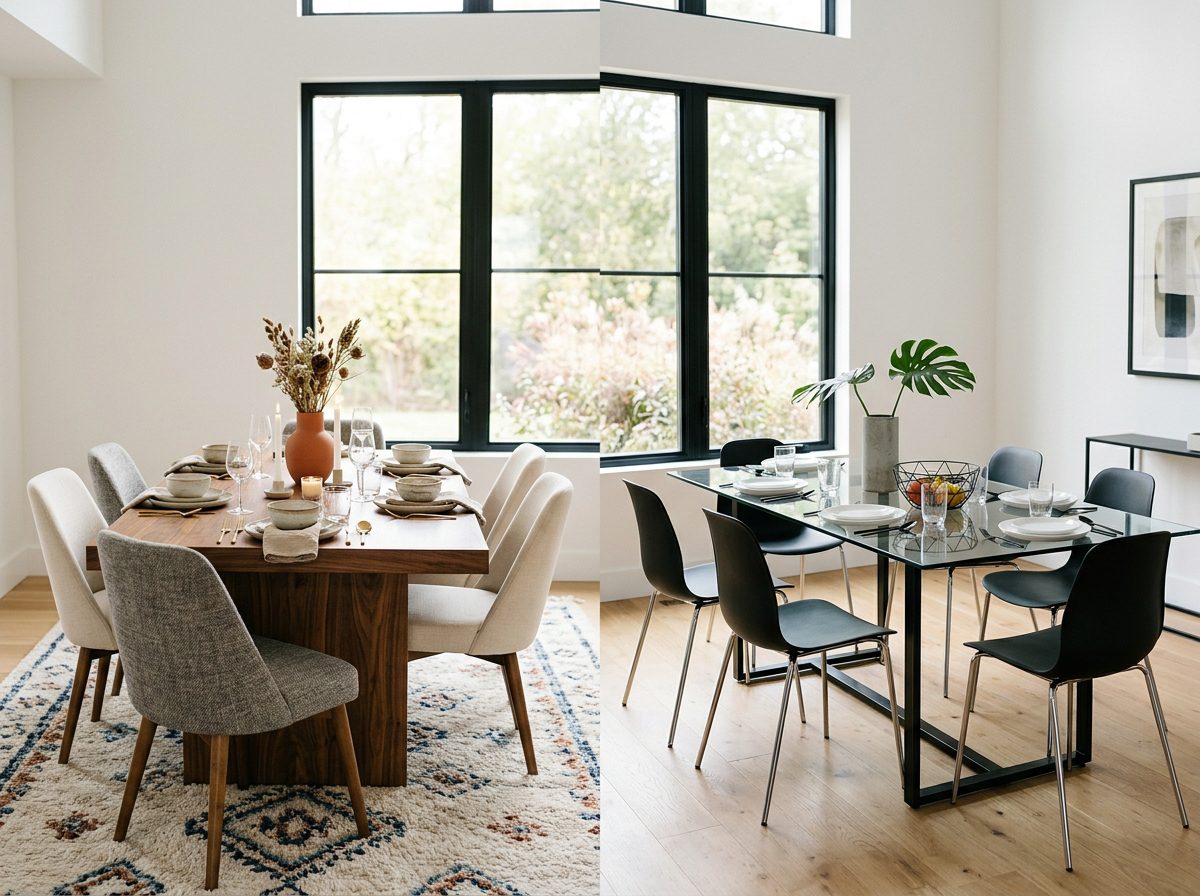
Wood vs. Glass Dining Tables: Which One Suits Your Lifestyle?
Choosing a dining table sounds simple until you actually start shopping.Wood vs glass dining tables. Within minutes, most people find themselves stuck between two very different directions: the warmth and solidity of wood, or the sleek, open feel of glass. Both options show up constantly in furniture stores and design catalogs, and both have loyal fans for good reason.
The truth is, there isn’t a universal right answer here. What works beautifully in one household might be a daily headache in another. A table that looks stunning in a showroom can behave very differently once real life, spilled juice, dragging chairs, homework sessions, and the occasional dropped fork, gets involved. This guide breaks down how wood and glass dining tables actually perform in everyday situations, so the decision comes down to your lifestyle rather than a photo you saved online.
Understanding the Basic Differences Between Wood and Glass Tables
Before comparing pros and cons, it helps to understand what actually separates these two materials beyond the obvious visual difference.
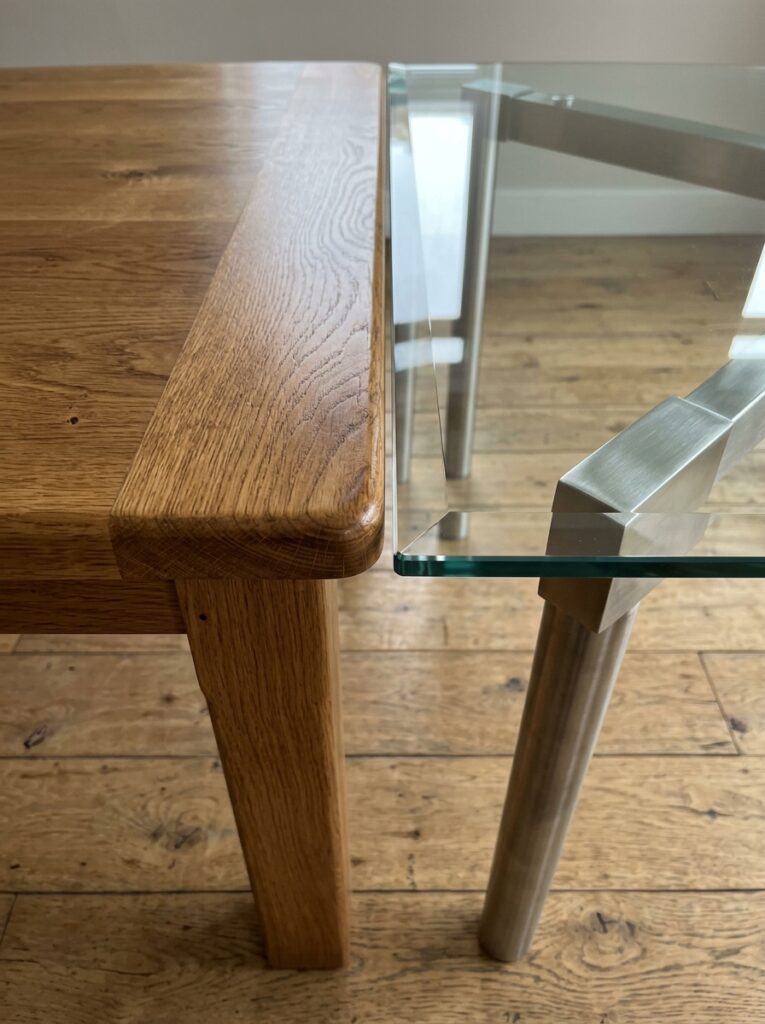
Wood dining tables are typically made from either solid wood or engineered wood with a veneer finish. Solid wood options include oak, walnut, maple, and pine, each with different hardness levels, grain patterns, and price points. Engineered wood tables use a composite core topped with a real wood veneer, which lowers the cost while still giving a wood-like appearance.
Glass dining tables almost always use tempered glass, which is heat-treated to be significantly stronger and safer than regular glass. If tempered glass ever breaks, it shatters into small, blunt pieces rather than sharp shards, which is why reputable furniture makers rarely use anything else for tabletops.
Knowing this distinction matters because a cheap, non-tempered glass table is a genuine safety risk, while a well-made tempered glass table is actually quite durable in ways people don’t expect.
The Case for Wood Dining Tables
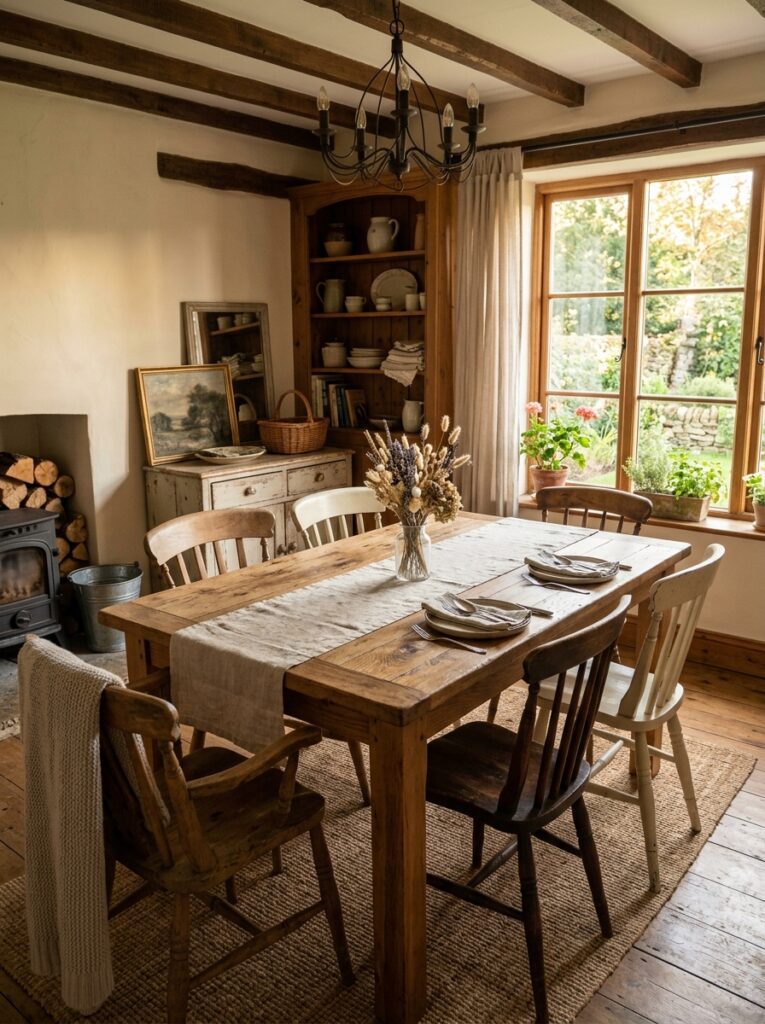
Wood remains one of the most popular dining table materials for a reason. It brings warmth to a room, pairs easily with almost any design style, and tends to age in a way that feels intentional rather than worn out.
Timeless visual appeal. Wood grain adds texture and character that glass simply can’t replicate. Whether the finish is rustic farmhouse, mid-century modern, or classic traditional, wood tends to fit the room instead of fighting against it.
Sturdiness and weight. A solid wood table feels grounded. It doesn’t wobble easily, and it can handle heavier use, think holiday dinners, craft projects, or kids climbing up to reach something, without feeling fragile.
Repairable surface. Scratches, dents, and water rings can often be sanded out or treated with the right products. This gives wood tables a longer practical lifespan, since minor damage doesn’t necessarily mean the table looks ruined.
Better sound absorption. Wood naturally dampens noise better than glass. If your dining area doubles as a workspace or gathering spot, this can make the room feel calmer.
The tradeoff is that wood requires a bit more care to keep looking its best, and solid wood options can be a bigger investment upfront.
The Case for Glass Dining Tables
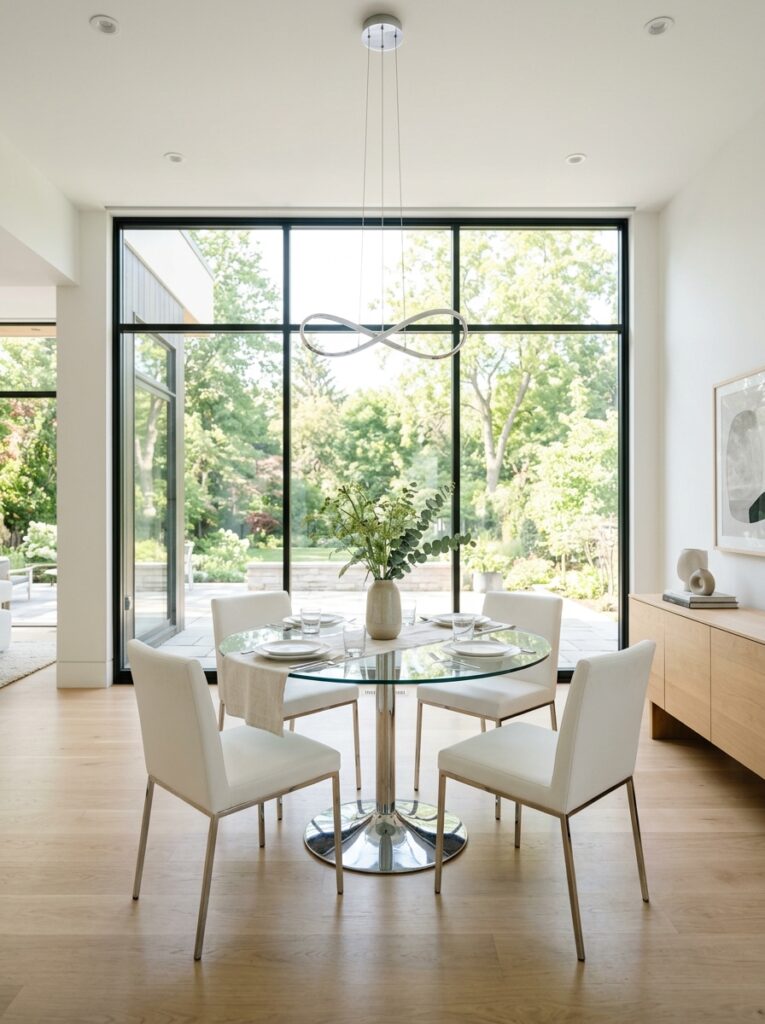
Glass tables tend to get chosen for very specific reasons, and those reasons matter a lot depending on your space and lifestyle.
Visual lightness. Glass tables don’t visually “fill” a room the way wood does. The see-through surface makes small dining areas feel more open, which is a major advantage in apartments or compact homes.
Modern, clean aesthetic. Glass pairs naturally with contemporary and minimalist interiors. It creates a sleek look that wood, even light-colored wood, can’t quite match.
Easy to wipe clean. Spills wipe up instantly, and there’s no concern about liquid soaking into the surface or leaving a stain, which wood can be prone to if not sealed properly.
Pairs well with mixed materials. A glass tabletop with a wood or metal base gives you the best of both worlds, combining the practicality of a sturdy frame with the light, airy look glass provides.
The downside is that glass shows fingerprints, smudges, and dust far more visibly than wood, and it requires a bit more consistent upkeep to stay looking sharp.
Durability and Long-Term Value
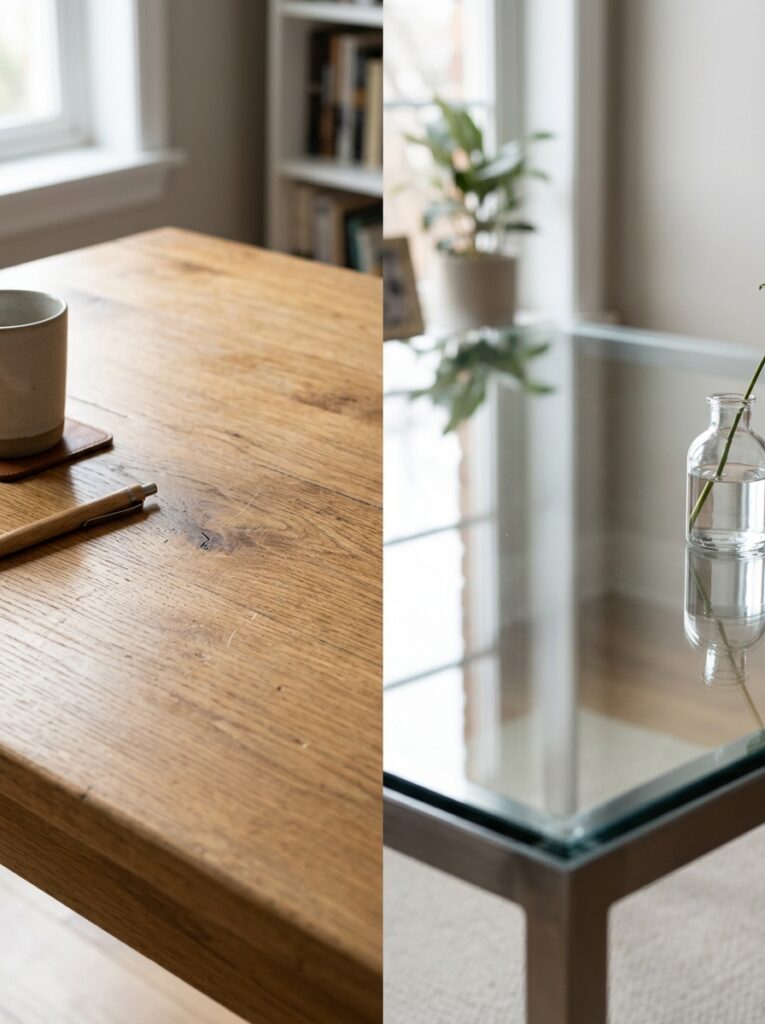
Durability is one of the biggest deciding factors, and it’s also one of the most misunderstood.
Wood is generally seen as the more durable option, but that’s not the full picture. Solid wood is genuinely tough and can last for decades, sometimes even generations, with proper care. Engineered wood, however, is more vulnerable to damage from moisture and heat, and its veneer can chip or peel over time.
Tempered glass, on the other hand, is more resistant to scratches than people assume. It won’t dent, warp, or develop water rings the way wood can. Its main vulnerability is impact from a sharp or heavy object, and while tempered glass is designed to resist this, it’s not indestructible.
For long-term value, solid wood tends to win because it can be refinished and restored. A glass table, once damaged, usually needs to be replaced entirely rather than repaired.
Maintenance and Cleaning Differences

Daily maintenance is where lifestyle really comes into play, since this is the part you’ll be dealing with constantly, not just once during setup.
Wood tables need occasional conditioning or resealing, especially if the finish starts looking dull or dry. Spills should be wiped up promptly to avoid staining, and hot dishes should always be placed on trivets or mats to prevent heat damage to the finish.
Glass tables need frequent wiping to stay smudge-free, especially with kids or pets in the house. Streak marks show up easily, so a good glass cleaner and microfiber cloth become part of the regular routine. On the plus side, glass never needs refinishing, sealing, or polishing the way wood does.
If low, simple maintenance is a top priority, glass wins on the cleaning front. If you don’t mind occasional upkeep in exchange for a surface that can be restored over time, wood is the more forgiving long-term choice.
Style and Interior Design Considerations
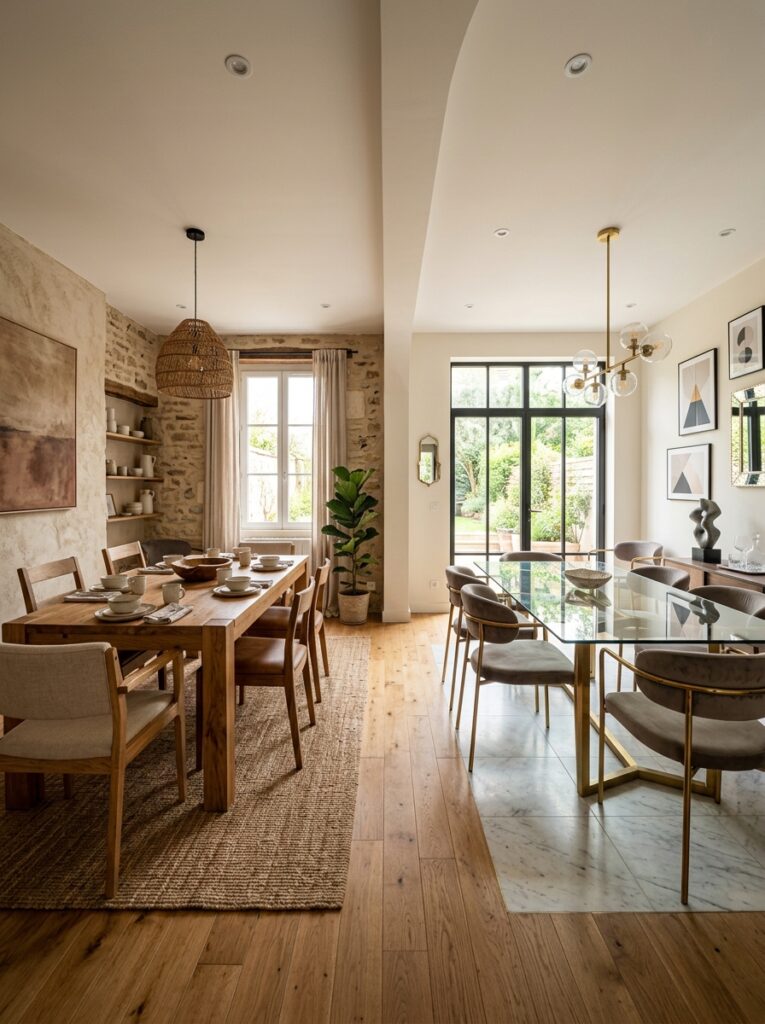
The material you choose will shape the entire feel of your dining space, sometimes more than any other single furniture piece in the room.
Wood tables tend to make a room feel warmer, cozier, and more traditional, even when paired with modern chairs or decor. They work particularly well in farmhouse, industrial, Scandinavian, and transitional design styles.
Glass tables lean toward a more modern, airy, and sometimes formal look. They’re especially effective in small or dark rooms, since the transparency allows light to pass through rather than being blocked by a solid surface.
A useful rule of thumb: if your dining room already has a lot of wood elements, like flooring, cabinetry, or a wood accent wall, a glass table can add helpful visual balance instead of piling on more of the same material. If your space feels stark or overly modern, a wood table can soften it.
Family Life, Pets, and Everyday Practicality
This is often the deciding factor for households with kids, pets, or a high-traffic dining area.
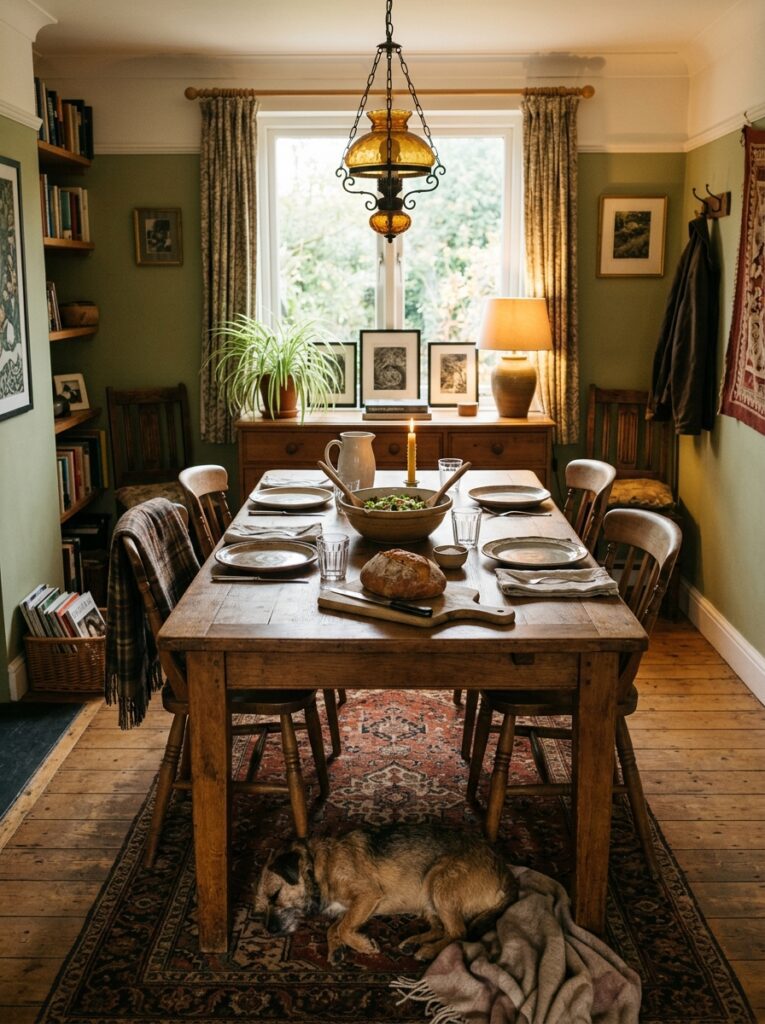
For families with young children, wood tables tend to be the more forgiving choice. Minor scratches and dings blend into the natural grain, and there’s no concern about a child accidentally causing a dangerous break. Wood also tends to feel warmer and safer for little hands and elbows.
For pet owners, wood can absorb scratches from claws more gracefully than glass, which can show scuff marks or scratches more visibly against its smooth surface.
Frequent entertainers, glass tables often shine, since they clean up quickly after gatherings and don’t require careful coaster placement the way wood does.
Minimalist or design-focused households, glass tables support a clean, uncluttered aesthetic that’s harder to achieve with the visual texture of wood grain.
There’s no universally “safer” or “better” option here. It really depends on how your household actually uses the dining table on a daily basis, not just how it looks when it’s empty and freshly cleaned.
Cost Comparison and Budget Considerations
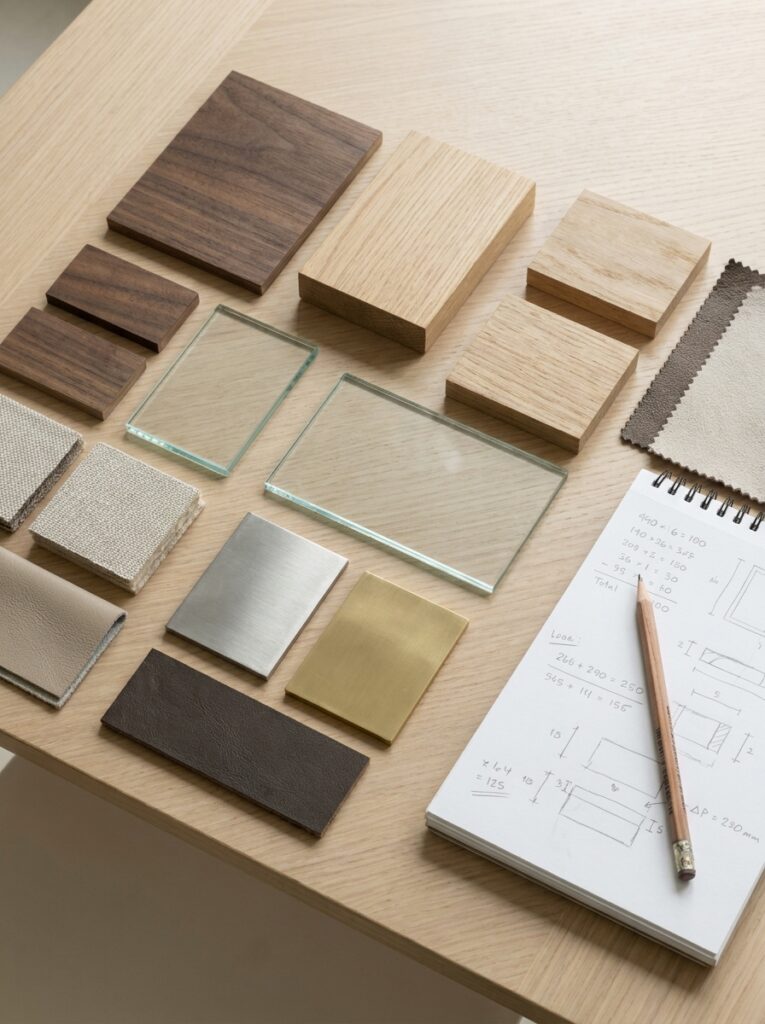
Price varies widely within both categories, but there are some general patterns worth knowing.
Solid wood tables, especially those made from hardwoods like oak or walnut, tend to sit at the higher end of the price range due to the cost of raw materials and craftsmanship. Engineered wood tables offer a more budget-friendly alternative while still giving a similar visual effect.
Glass tables can range from very affordable to quite expensive, depending on the base material, glass thickness, and any decorative edge detailing. A glass top paired with a simple metal base is often one of the more affordable dining table options available.
When comparing cost, it’s worth factoring in longevity as well. A higher upfront cost for solid wood may pay off over time if it lasts significantly longer or can be refinished instead of replaced.
Common Mistakes to Avoid When Choosing
A few missteps tend to show up again and again when people are shopping for a new dining table.
Choosing based on trends alone. A style that looks fresh in a showroom or on social media might not suit your space or daily habits five years down the line.
Ignoring the base material. Many buyers focus entirely on the tabletop and forget that the base plays a huge role in stability, style, and even how easy the table is to clean underneath.
Ordering non-tempered glass. Always confirm that a glass tabletop is tempered. This is a safety issue, not just a durability one.
Underestimating table size needs. Both wood and glass tables come in a range of sizes, and choosing one that’s too small for regular use is a common regret, especially for growing families.
Overlooking maintenance realities. It’s easy to fall in love with a look and forget to consider whether you’ll actually keep up with the required care long term.
Expert Insights for Making the Right Decision
Interior designers often point out that the best dining table choice comes down to matching material to daily habits, not just decor style. A few insights worth keeping in mind:
Homes with heavy daily use tend to do better with solid wood, since it tolerates wear and tear more gracefully over time.
Smaller spaces benefit visually from glass, since the transparency helps a room feel less cramped, even when the table itself is a similar size to a wood alternative.
Mixed-material tables, such as a wood base with a glass top, or a glass table with wood chairs, are increasingly popular because they let you enjoy the benefits of both materials without fully committing to one.
Neither material is inherently “better.” The right choice is the one that matches how a household actually lives, not just how the dining room looks in a single photo.
Matching the Table to Your Lifestyle
Entertaining often and want that clean, modern look? A glass table with a sturdy base is likely to serve you well.
Households with young children, pets, or heavy daily use tend to do better with a solid wood table, since it offers more forgiveness and long-term durability.
Smaller spaces benefit from glass, since it helps the room feel larger and airier when light-filled openness matters.
For those who value warmth, texture, and a cozy atmosphere over trend-driven design, wood remains the more comforting and adaptable option.
And some households find that neither material alone checks every box, which is exactly why hybrid designs combining both have become such a popular middle ground.
Some households even find that neither option alone is ideal, which is exactly why hybrid designs combining both materials have become such a popular middle ground.
Frequently Asked Questions
Is a wood or glass dining table better for a family with kids?
>>>>Wood tends to be more forgiving for families with young children, since minor scratches blend into the grain and there’s less concern about breakage compared to glass.
Do glass dining tables scratch easily?
>>>>Tempered glass is more scratch-resistant than most people expect, though it can still show fine surface scratches over time, especially from abrasive materials or dragging heavy objects across it.
Which option is easier to clean, wood or glass?
>>>>Glass is generally easier to wipe clean since spills sit on the surface rather than soaking in, but it shows fingerprints and smudges more visibly than wood.
Are glass dining tables safe?
Yes, as long as the glass is tempered. Tempered glass is designed to break into small, blunt pieces rather than sharp shards, making it a safe choice for home use.
Can a wood dining table be repaired if it gets damaged?
In most cases, yes. Scratches, dents, and even some water damage can often be sanded out and refinished, which is one of wood’s biggest long-term advantages over glass.
Which material lasts longer, wood or glass?
Solid wood generally lasts longer overall, since it can be refinished and repaired multiple times. Glass tables can last just as long structurally, but any significant damage usually means full replacement.
Making the Right Choice for Your Home
Wood and glass dining tables both bring real strengths to the table, quite literally. Wood offers warmth, durability, and a sense of permanence that suits busy households and traditional interiors. Glass offers a light, modern feel that works especially well in smaller spaces or design-focused homes.
Rather than asking which material is objectively better, it helps to ask which one fits how your home actually functions day to day. Think about who uses the table, how often, and what kind of maintenance you’re genuinely willing to keep up with. Once those questions are answered, the choice between wood and glass tends to become a lot clearer.