
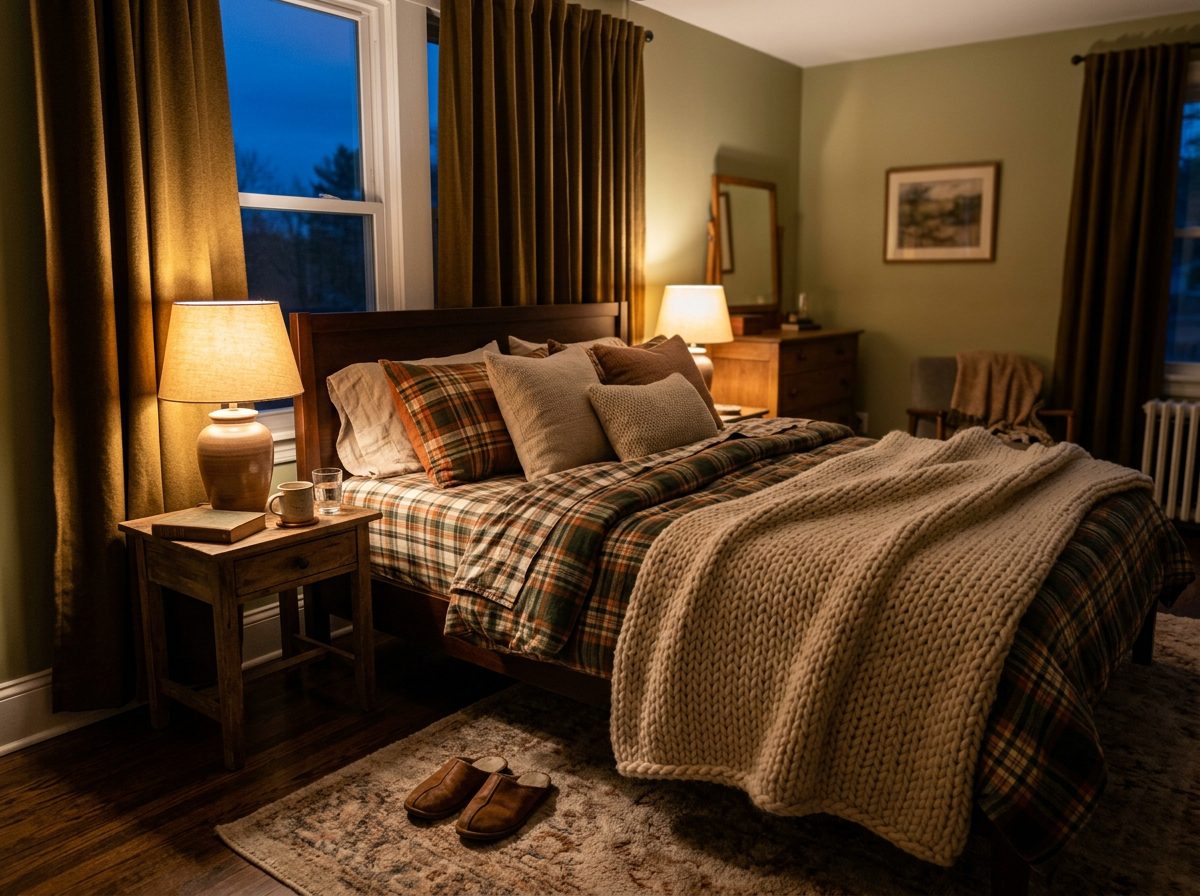
Why Your Bedroom Feels Cold (and How to Warm It Up)
A cold bedroom is one of those problems that quietly ruins sleep without anyone quite realizing why. You crank up the thermostat, pile on another blanket, and still wake up curled into a ball at 3am wondering if something is actually wrong with the room itself. Often, something is.
Bedrooms tend to be the coldest room in a house for a handful of very fixable reasons. Sometimes it’s a drafty window nobody noticed. Sometimes it’s flooring that pulls heat straight out of your feet. Sometimes the room just isn’t set up to hold warmth the way the rest of the house does.
This guide walks through why bedrooms end up feeling cold even when the heating is working fine, and what actually helps, without needing a full renovation or a bigger heating bill than necessary.
Why Bedrooms Get Colder Than the Rest of the House
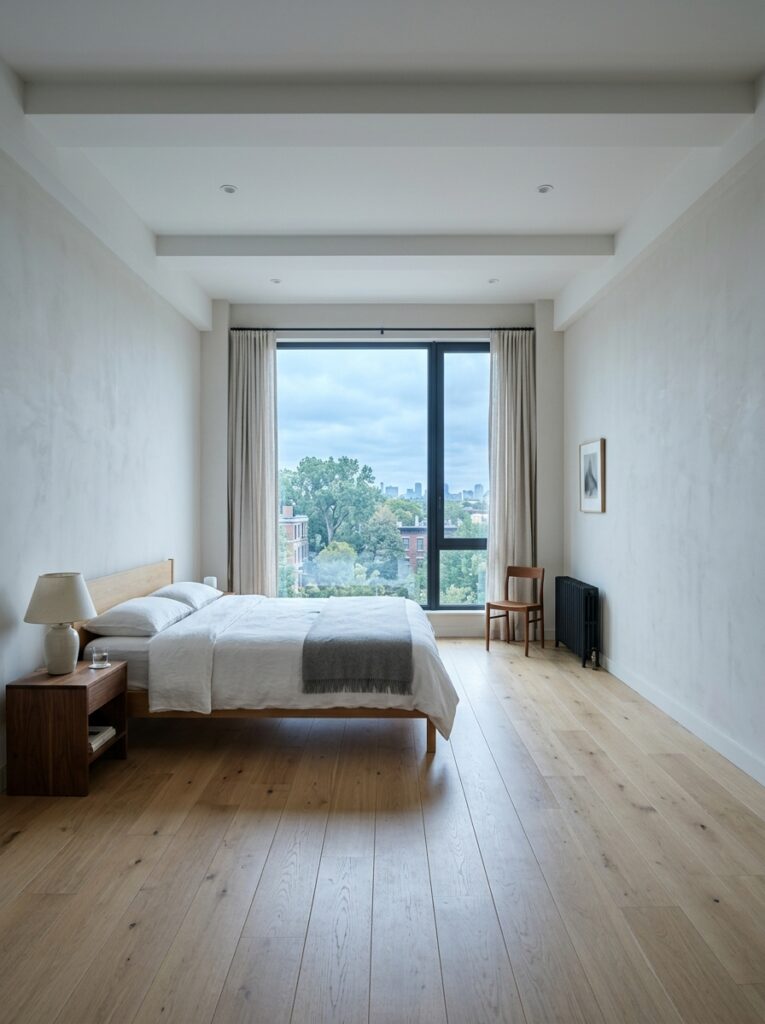
Bedrooms are often located at the end of a heating system’s path, which means they’re usually the last room to warm up and the first to cool down. If your bedroom is above a garage, next to an exterior wall, or on a corner of the house, it’s dealing with more exposed surface area than rooms tucked into the middle of the floor plan.
Airflow plays a role too. Closed doors block warm air from circulating in the same way it does in open living spaces. A bedroom that’s shut off most of the day simply doesn’t get the same heat exchange as a kitchen or living room.
Then there’s the human factor. Bedrooms are used at night, when outdoor temperatures drop and most heating systems are programmed to ease off. You’re asking a room to feel warm during the exact hours when the house is naturally cooling down the most.
Understanding this helps explain why simply raising the thermostat doesn’t always fix things. The issue often isn’t a lack of heat in the house, it’s a lack of heat retention in that specific room.
Check for Drafts Before You Blame the Heating System
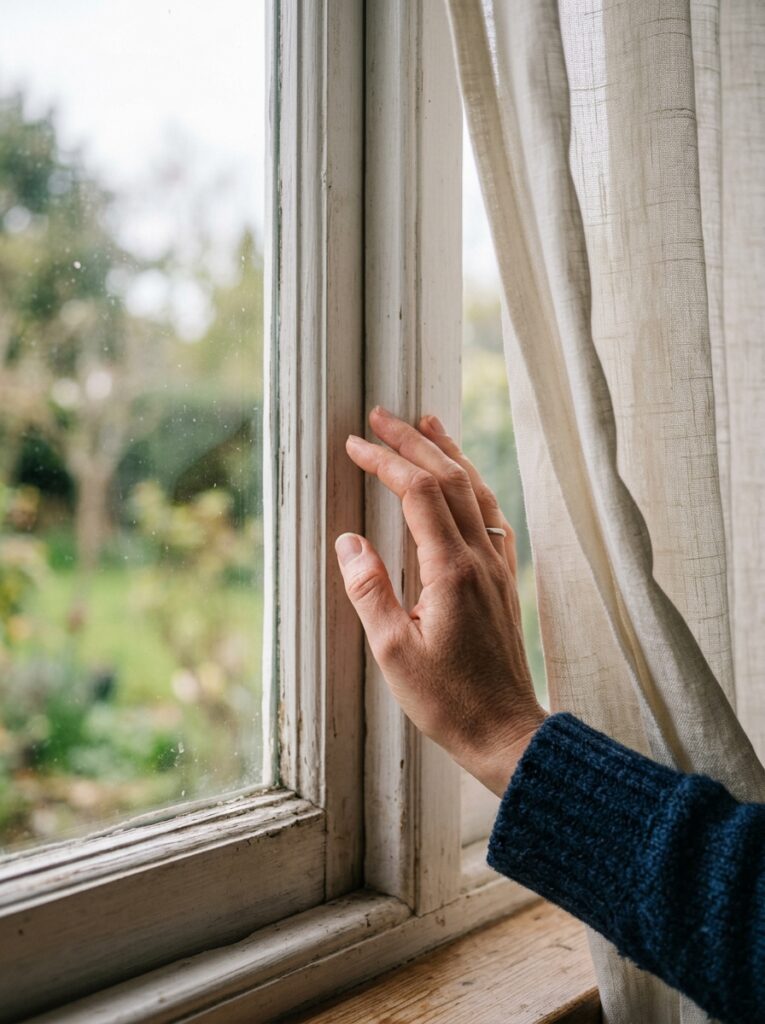
Before assuming your heating system is underperforming, it’s worth spending ten minutes checking for drafts. A drafty room can lose heat faster than any thermostat setting can keep up with.
Run your hand slowly around window frames, door edges, and electrical outlets on exterior walls. A noticeable temperature drop or a faint breeze usually means air is leaking in from outside.
Older windows are common culprits, especially single-pane ones or windows with worn weatherstripping. Even newer windows can develop gaps over time as frames settle or seals wear down.
Door gaps at the bottom are another sneaky source of cold air, particularly on doors leading to unheated hallways, garages, or staircases. A simple draft stopper placed along the bottom of the door can make a surprisingly noticeable difference within the same night.
Deal With Windows, the Biggest Heat Loss Culprit
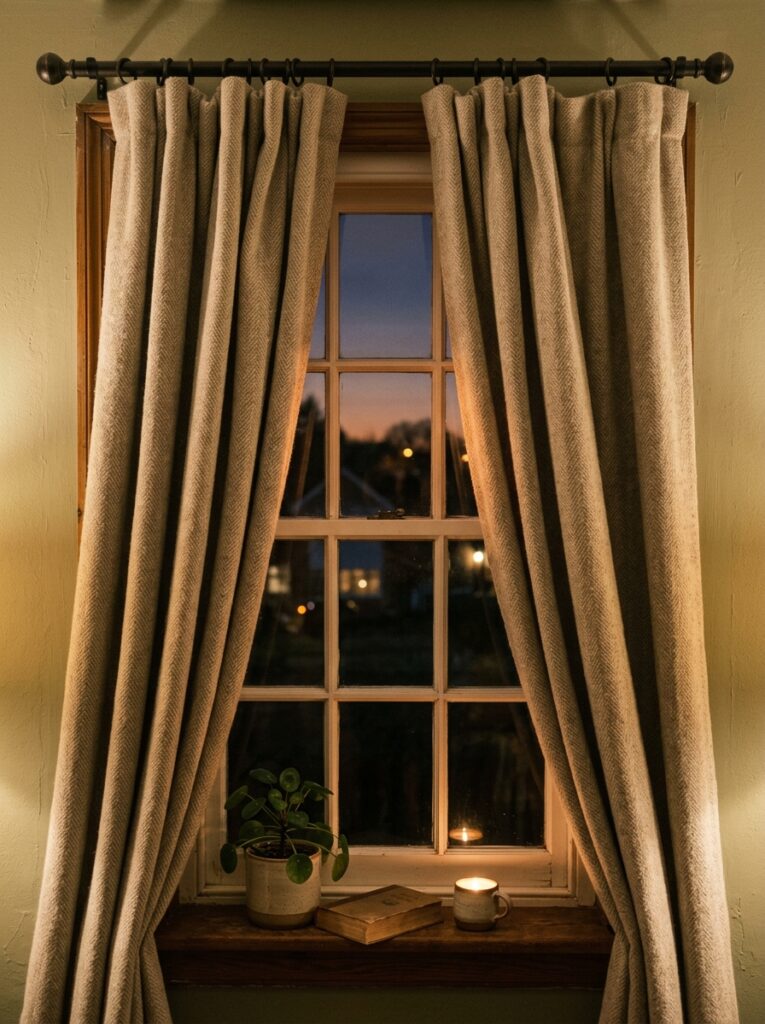
Windows are usually responsible for more heat loss than any other part of a bedroom. Glass simply doesn’t insulate the way walls do, and even a well-built window loses more warmth than the drywall surrounding it.
Heavy, lined curtains make one of the biggest differences here. Thermal curtains are designed specifically to trap a layer of air between the fabric and the window, which slows heat loss significantly. Closing them as soon as it gets dark, rather than waiting until bedtime, gives them more time to work.
Window insulation film is another budget-friendly option. It’s a clear plastic film applied directly to the window frame and shrunk with a hairdryer to create an extra insulating layer. It’s inexpensive, removable, and barely noticeable once installed.
For drafty gaps around the frame itself, a simple removable caulk or draft sealant designed for winter use can close up small leaks without damaging the window when it’s time to remove it in warmer months.
Rethink What’s Happening at Floor Level
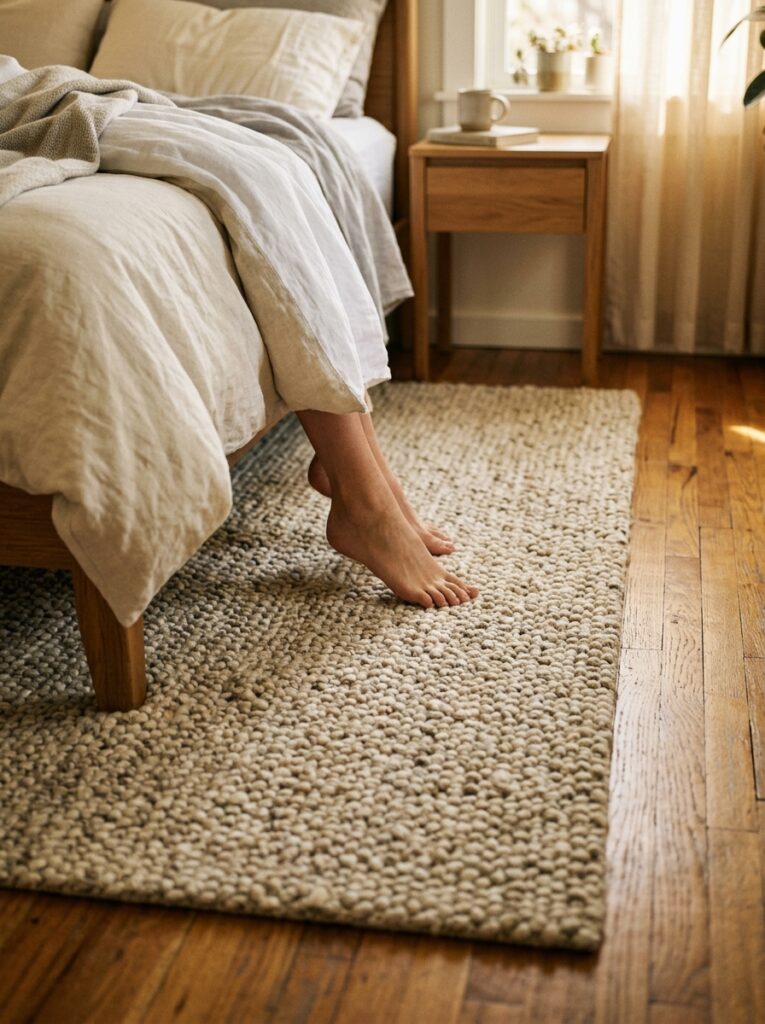
Cold floors are one of the most underrated reasons a bedroom feels chilly, especially in homes with hardwood, tile, or laminate flooring and no basement or heated space directly underneath.
Rugs are the simplest fix here, and a thick one makes more of a difference than people expect. A rug placed on the side of the bed where your feet land first thing in the morning changes the entire feel of the room, both physically and psychologically.
If the whole floor feels cold rather than just one spot, a larger area rug with a proper rug pad underneath adds an extra layer of insulation between the flooring and the room above it. The pad matters almost as much as the rug itself, since it traps air and prevents cold from transferring straight through.
For anyone dealing with a genuinely icy floor, a small space heater with a timer, used safely and never left unattended, can take the edge off during the coldest part of the evening without needing to run the whole house’s heating higher than necessary.
Look at Your Bedding Setup, Not Just Your Blankets
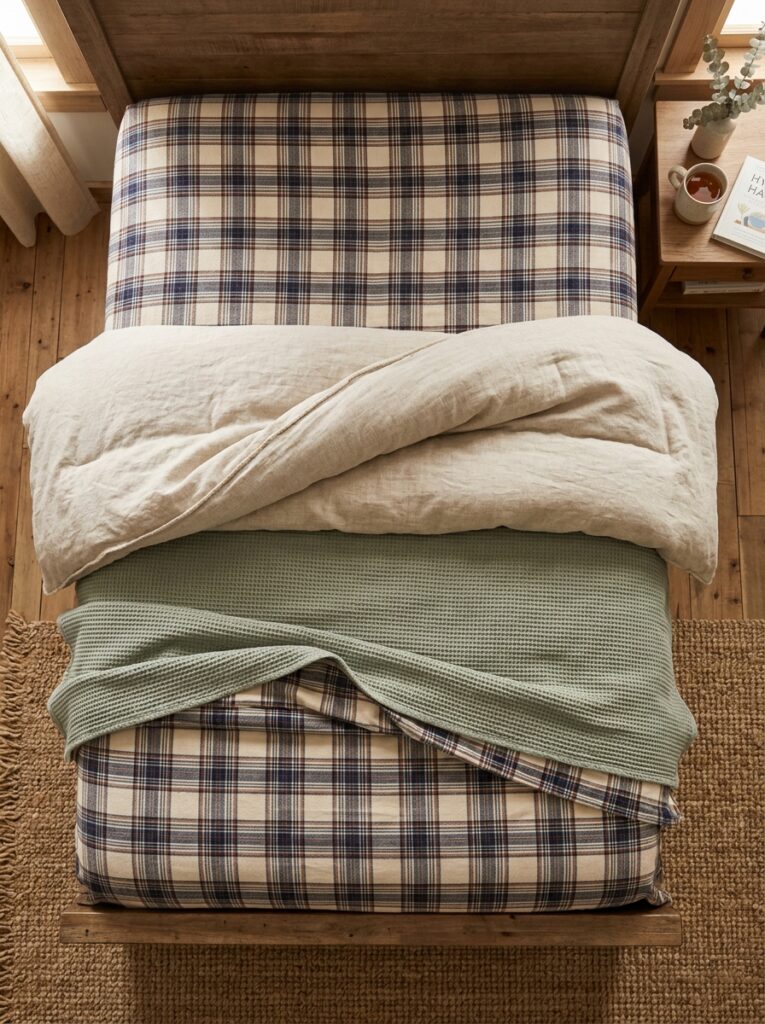
It’s easy to assume more blankets automatically means more warmth, but bedding works better as a system than as a pile.
A good base layer matters more than people realize. A flannel or brushed cotton fitted sheet holds warmth far better than a lightweight cotton or synthetic one, especially against skin that’s already cool from the room temperature.
Layering blankets with different weights, rather than one single heavy comforter, traps warm air between each layer the same way clothing layers do. A lighter blanket directly against the body followed by a heavier one on top usually performs better than one thick blanket alone.
Down or down-alternative comforters trap heat exceptionally well because of the air pockets between the fibers. If your current comforter feels flat or thin after a few years, it’s likely lost much of its loft and, along with it, much of its warmth.
Electric blankets or heated mattress pads are worth considering for anyone who struggles specifically with cold sheets at bedtime, since warming the bed before you get in solves a very specific and very common complaint.
Pay Attention to Where Your Bed Is Positioned
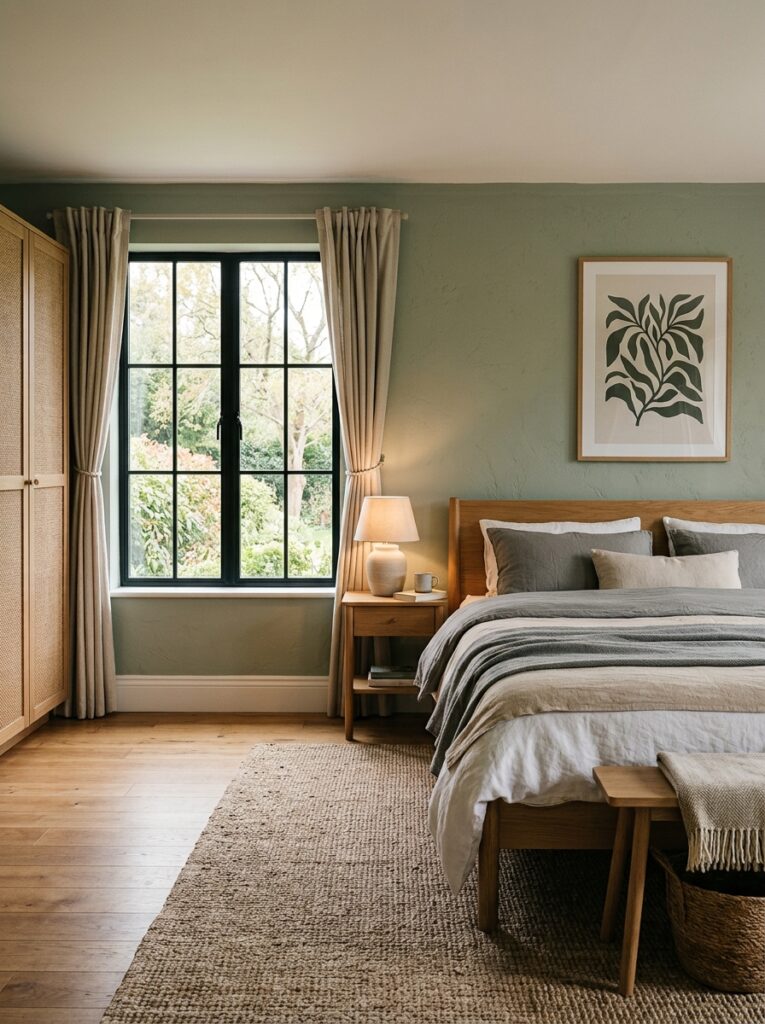
Bed placement affects temperature more than most people consider when arranging a room. A bed pushed directly against an exterior wall is closer to the coldest surface in the room, and that chill radiates outward even through a headboard.
Where possible, position the bed a few inches away from exterior walls rather than flush against them. Even a small gap allows a bit of air circulation and reduces the direct cold transfer through the wall.
Beds placed directly under a window are especially prone to catching drafts, particularly with older window frames. If rearranging the whole room isn’t practical, a headboard or a folded blanket used as a temporary buffer between the mattress and the wall can help in the meantime.
Ceiling height and airflow patterns matter too. Warm air rises, so a bed positioned somewhere that catches more of the room’s natural air movement, rather than tucked into a stagnant corner, often feels slightly warmer over the course of the night.
Small Heating Adjustments That Make a Real Difference
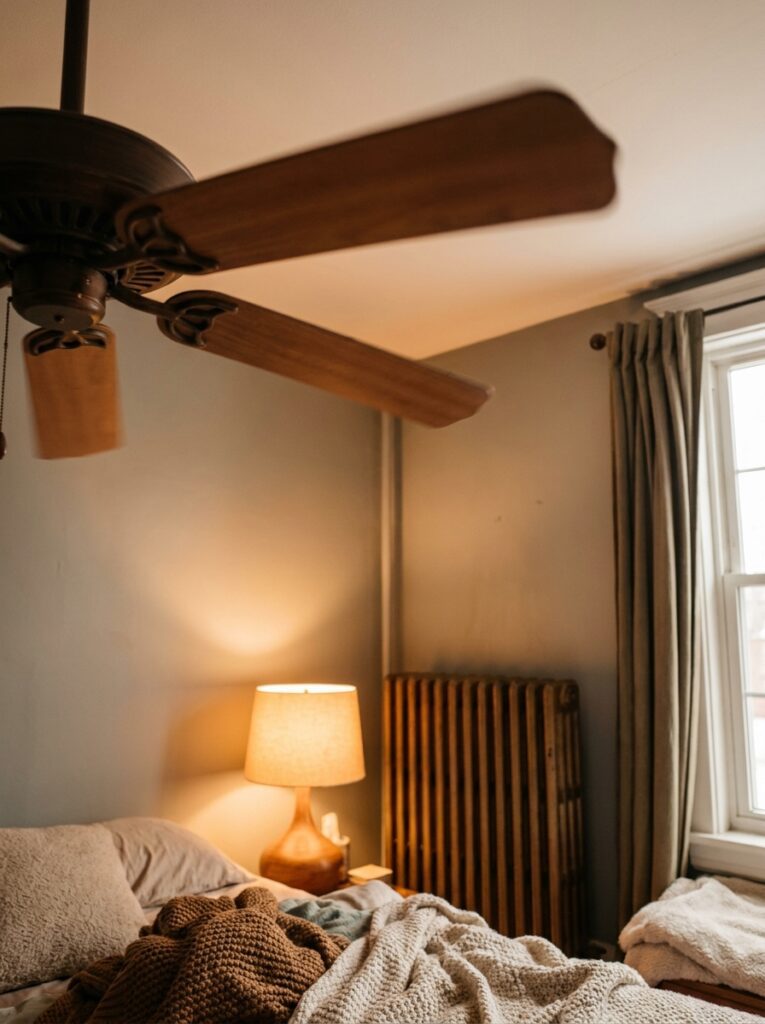
A few simple changes to how heat moves through the room can noticeably improve how warm a bedroom feels, often without touching the thermostat at all.
- Keep the bedroom door open during the day so warm air from the rest of the house can circulate in, then close it at night to trap that warmth once the room has had a chance to heat up
- Check that furniture isn’t blocking radiators, vents, or baseboard heaters, since blocked airflow is one of the most common and easiest to fix heating issues
- Use a ceiling fan on its winter setting, which reverses the blade direction and gently pushes warm air that’s collected near the ceiling back down into the room
- Bleed radiators if the room uses one and it feels cooler than others in the house, since trapped air inside a radiator reduces how much heat it can put out
- Consider a smart thermostat schedule that starts warming the bedroom zone slightly earlier in the evening, rather than relying on a single house-wide temperature setting
None of these require major work, but together they add up to a noticeably warmer room within just a few nights of adjusting.
Common Mistakes People Make When Trying to Warm Up a Bedroom
A few habits tend to work against people without them realizing it, and fixing these often solves more of the problem than adding new heat sources ever could.
- Relying only on raising the thermostat, which increases the whole house’s energy use without addressing the specific reason one room stays cold
- Leaving curtains open during the day in winter, which lets in some light but also allows heat to escape faster once the sun goes down
- Using a space heater without a timer or safety shutoff, which is both a fire risk and an easy way to overheat a small room unevenly
- Ignoring small drafts because they seem too minor to matter, when in reality several small gaps combined can equal one large heat leak
- Choosing bedding based on appearance rather than warmth, especially thin decorative throws that look cozy but add very little actual insulation
- Skipping rugs because hardwood floors look nice bare, without accounting for how much heat uninsulated flooring pulls from the room
Most of these come down to treating symptoms instead of the actual cause. A space heater might mask a drafty window for a night, but it won’t fix the window itself.
Expert Insights on Long-Term Bedroom Warmth
Fixing a cold bedroom once is straightforward. Keeping it comfortable through an entire winter, without a constantly climbing energy bill, takes a slightly longer view.
Insulation upgrades, while a bigger investment, offer the most lasting results. If a bedroom consistently runs cold year after year, it may be worth having someone check attic insulation directly above the room or wall insulation if the home is older, since this is often the true source of a persistently cold room rather than anything fixable with curtains or rugs alone.
Humidity plays a bigger role in perceived warmth than most people expect. Air that’s too dry feels colder than it actually is, so a small humidifier in the bedroom during winter months can make the same thermostat setting feel noticeably more comfortable.
Seasonal maintenance matters more than a one-time fix. Weatherstripping wears down, rugs shift, and window film can peel at the edges over time. A quick check each fall, before the coldest months set in, keeps small issues from turning into a genuinely cold room by January.
Finally, comfort is personal. Some people run warmer or colder than others sharing the same room, and layering solutions, extra throw blankets, adjustable bedding, a bedside space heater for one side of the bed, tend to work better than trying to find one single temperature that satisfies everyone.
Frequently Asked Questions About a Cold Bedroom
Why is my bedroom colder than the rest of my house?
It’s usually a combination of exterior wall exposure, drafts around windows or doors, and reduced airflow from a closed door, rather than a problem with the heating system itself.
Do thick curtains actually help keep a room warm?
Yes, especially lined or thermal curtains, since they trap a layer of insulating air between the fabric and the cold glass, which significantly slows heat loss through the window.
Is it better to leave the bedroom door open or closed for warmth?
Open during the day allows warm air to circulate in from the rest of the house, while closing it at night helps trap that warmth once the room has heated up.
Can a rug really make a bedroom feel warmer?
Yes, particularly on hardwood, tile, or laminate floors, since bare flooring pulls heat away from the room and a rug with a proper pad adds a real layer of insulation.
What temperature should a bedroom be for comfortable sleep?
Most sleep experts suggest somewhere between 60 and 67 degrees Fahrenheit, though personal comfort varies, and the right bedding setup matters as much as the exact number on the thermostat.
Final Thoughts
A cold bedroom is rarely a mystery once you actually look for the cause. Drafty windows, uninsulated floors, poor airflow, and thin bedding all quietly work together to make a room feel colder than the rest of the house, even when the heating system is doing its job just fine.
Start with the easy wins. Check for drafts, add a rug where your feet land first, and layer your bedding instead of relying on one heavy blanket. From there, small adjustments like curtain timing, radiator checks, and bed placement add up faster than most people expect.
A warmer bedroom doesn’t usually require a big renovation. It just requires figuring out where the room is actually losing heat, and fixing that instead of fighting it every night with a higher thermostat setting.