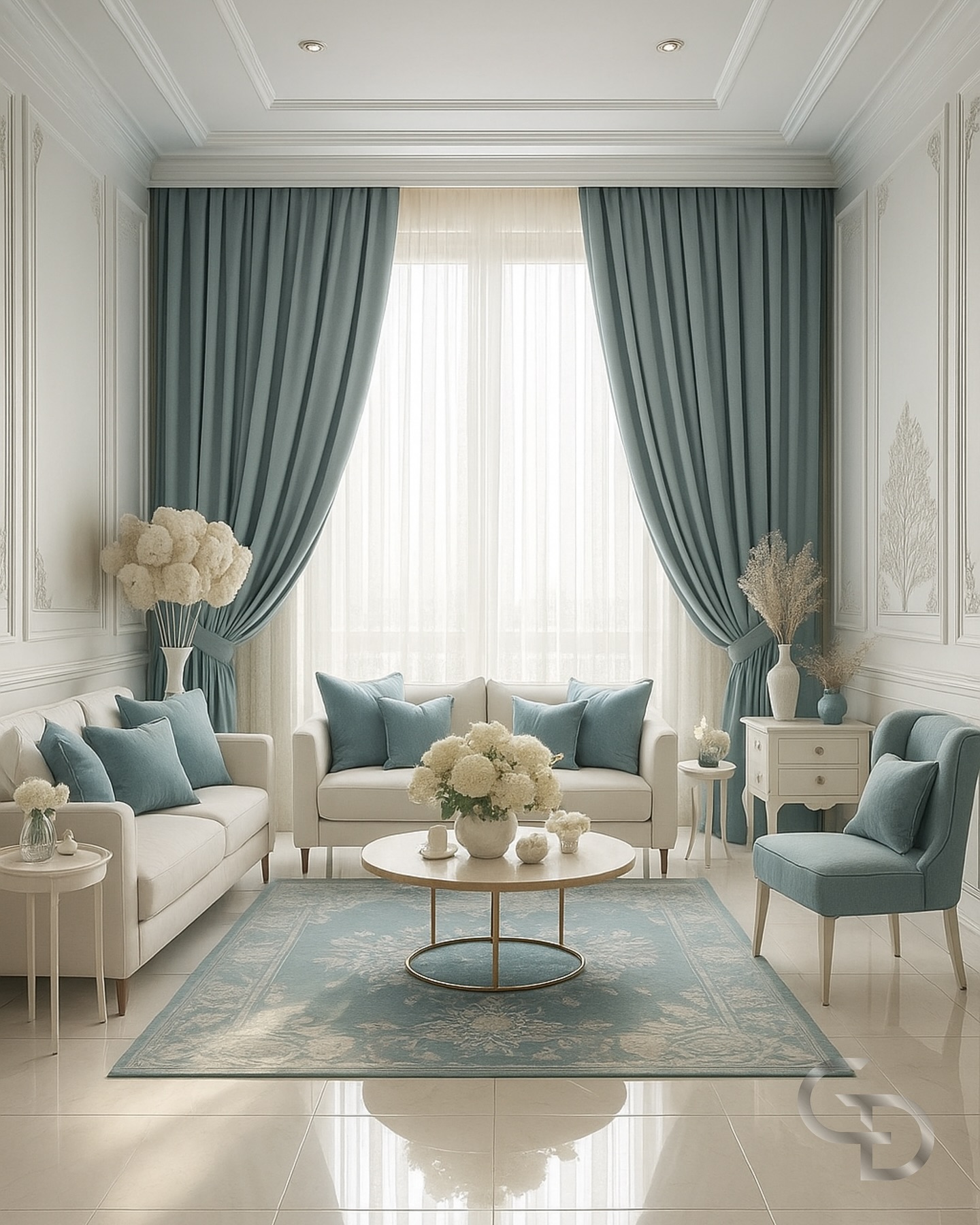
Best Cozy Living Room Ideas That Make Any Space Feel Like Home
Cozy Living Room Ideas: What Makes a Room Feel Genuinely Warm
Cozy is one of those qualities that people recognize immediately when they walk into a room but struggle to manufacture deliberately. The rooms that consistently feel warm and genuinely inviting are almost never the result of one expensive purchase. They are the result of consistent decisions about color, texture, lighting, and scale that work together toward the same atmospheric outcome.
The fifteen living room ideas in this guide cover every major style direction from minimal and Scandinavian to rustic, moody, and bohemian. Each one offers a distinct interpretation of what cozy can mean and how to achieve it. Some require very little change to a room that already exists. Others represent a more complete aesthetic direction. Every one of them delivers the quality that makes people genuinely want to settle in rather than simply pass through.
Warm Neutral Living Room: The Foundation That Works for Everyone
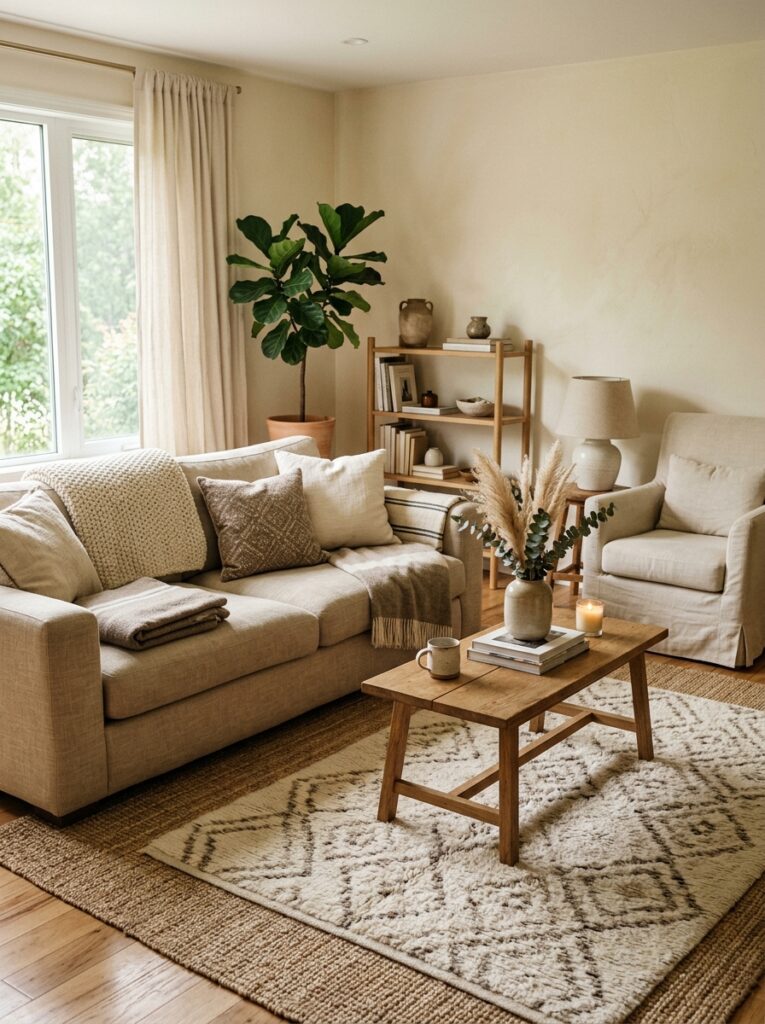
A warm neutral living room built around shades of beige, cream, taupe, and soft brown creates a welcoming atmosphere that works across every type of living space because the palette is inherently flexible, forgiving, and always visually comfortable to spend time in. These colors reflect light beautifully at every time of day and in every light condition without creating the harsh contrasts that bolder palettes introduce.
Layering different warm neutrals rather than matching them exactly creates the visual depth that makes the palette feel rich rather than flat. A warm beige wall behind a cream sofa with a taupe rug and oatmeal cushions creates gentle tonal variation that the eye reads as complete and settled. Wooden accents in light or warm-toned timber add the natural material quality that prevents warm neutrals from feeling clinical. This palette is the most forgiving starting point for any cozy living room because it improves consistently with every textile and accessory added to it.
Soft Minimal Cozy Living Room: Less Furniture, More Warmth
View this post on Instagram
The soft minimal living room proves that cozy and minimal are not contradictions. Clean furniture lines and an uncluttered spatial quality are made genuinely warm through deliberate choices in fabric, lighting, and the selective placement of soft textural elements. The restraint in the number of objects is what allows each remaining element to contribute its full atmospheric weight.
Neutral furniture in understated shapes sits alongside plush textiles, a thick rug, oversized cushions, and a weighted throw that communicates genuine physical invitation to sit and stay. Soft lighting from floor lamps and table lamps at lower positions avoids the flat brightness that overhead-only lighting creates. The room feels open and uncluttered while simultaneously feeling genuinely comfortable and welcoming. Achieving this balance requires removing more than adding, and the most common improvement is taking things out rather than putting more in.
Layered Textures Living Room: Depth Without Decoration
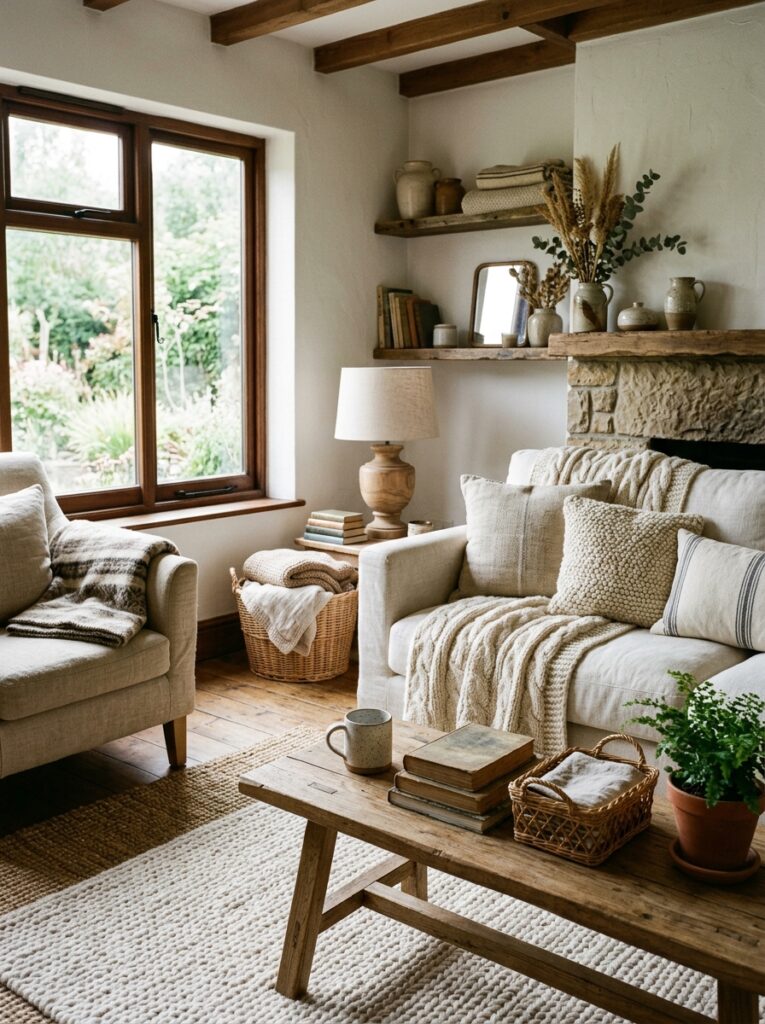
Layered textures create cozy living room depth more effectively than any amount of decorative objects because texture is what the eye and the body both respond to simultaneously. A room with visual texture variation across its surfaces communicates warmth at a sensory level that a uniform, single-material room simply cannot achieve regardless of how carefully the individual pieces have been chosen.
Combining knitted throws, linen cushions, wool rugs, wooden furniture, and woven baskets within a single room creates a richly varied material palette that feels genuinely lived-in and warm. Neutral colors across the different textures allow all the material variation to coexist harmoniously without visual conflict. The practical approach is to start with one texture, typically a rug, and build the remaining textile choices in coordination with what the rug introduces. Each new texture should offer something different from what is already present rather than repeating what exists.
Earth Tone Cozy Living Space: Natural Colors That Ground Every Room
View this post on Instagram
Earth tones in terracotta, olive green, warm brown, and clay bring a natural warmth and genuine grounded quality to a living room that cooler neutrals like grey and white cannot replicate. These colors belong to the natural world in a way that manufactured or artificially derived colors do not, which gives rooms decorated with them a quality of honest, unhurried warmth.
Pairing earth tones with natural materials like unfinished wood, woven rattan, terracotta ceramics, and jute rugs reinforces the organic palette with equally organic materials. The combination creates a room that feels connected to the natural world rather than insulated from it. Soft and directional lighting rather than bright overhead illumination brings out the richness of these tones most effectively, particularly during the evening hours when warm amber lamp light makes terracotta and warm brown literally glow.
Scandinavian Cozy Living Room: Hygge Through Simplicity
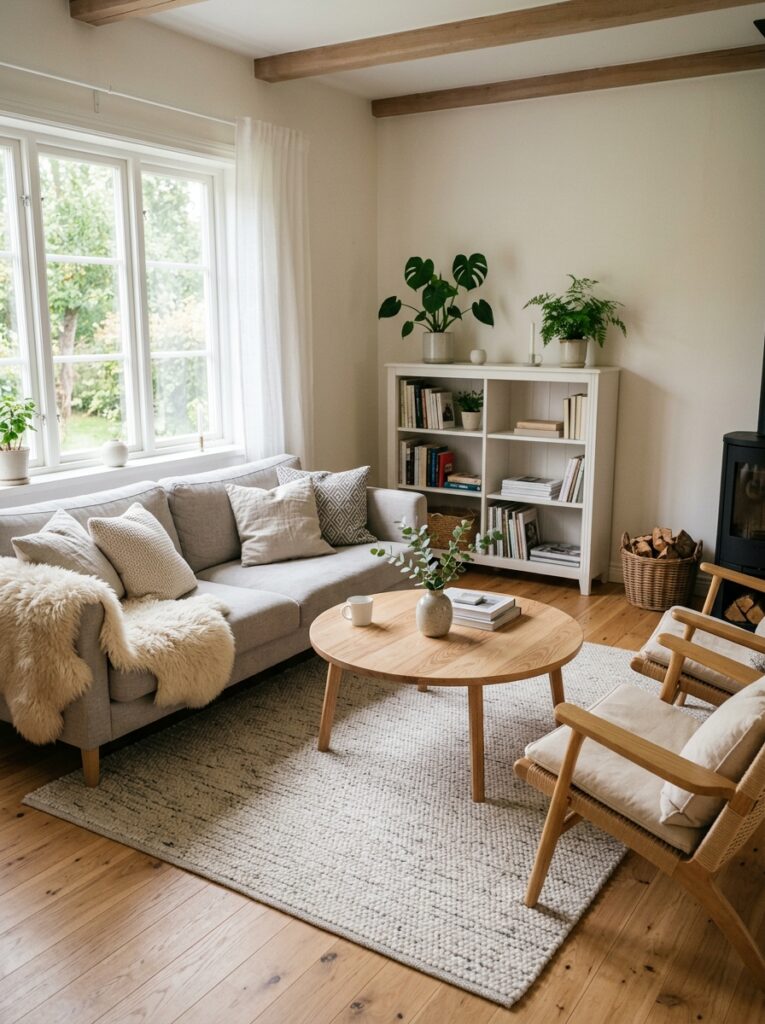
The Scandinavian living room achieves cozy through simplicity in a way that most other approaches attempt and fail to replicate. Light colors, natural wood, and functional furniture create the room’s underlying character. Soft textiles added deliberately in specific positions bring warmth without disrupting the clean, calm quality that defines the aesthetic.
Faux fur throws across a simple sofa, a plush rug underfoot, and a small collection of candles on a low wooden table are enough to shift the atmosphere from merely clean to genuinely inviting. The difference between a Scandinavian room that feels warm and one that feels sterile is entirely in the softness of the textiles and the warmth of the lighting. Bright cool overhead lights read as institutional. Warm lamp light and candlelight read as exactly the kind of hygge comfort that makes Scandinavian interiors feel so universally appealing.
Modern Cozy Living Room: Clean Lines That Do Not Feel Cold
View this post on Instagram
A modern cozy living room solves the most common problem with contemporary interior design. Clean lines and minimal decoration can read as cold and uninviting when the only material is hard and smooth. Softening the hard-lined furniture with genuinely plush textiles, warm-toned lighting, and carefully chosen natural materials creates a room that reads as modern without sacrificing warmth.
Soft cushions in varying sizes across a structured sofa, a textured rug that grounds the seating area visually, and table lamps with warm-toned bulbs replace the clinical quality of overhead-lit minimal spaces with something that feels genuinely welcoming. Neutral colors prevent the space from feeling cold while the furniture’s clean proportions maintain the contemporary character. This is the balance that makes modern living rooms feel like genuine homes rather than showrooms.
Rustic Cozy Living Room: Character and Warmth Through Natural Materials
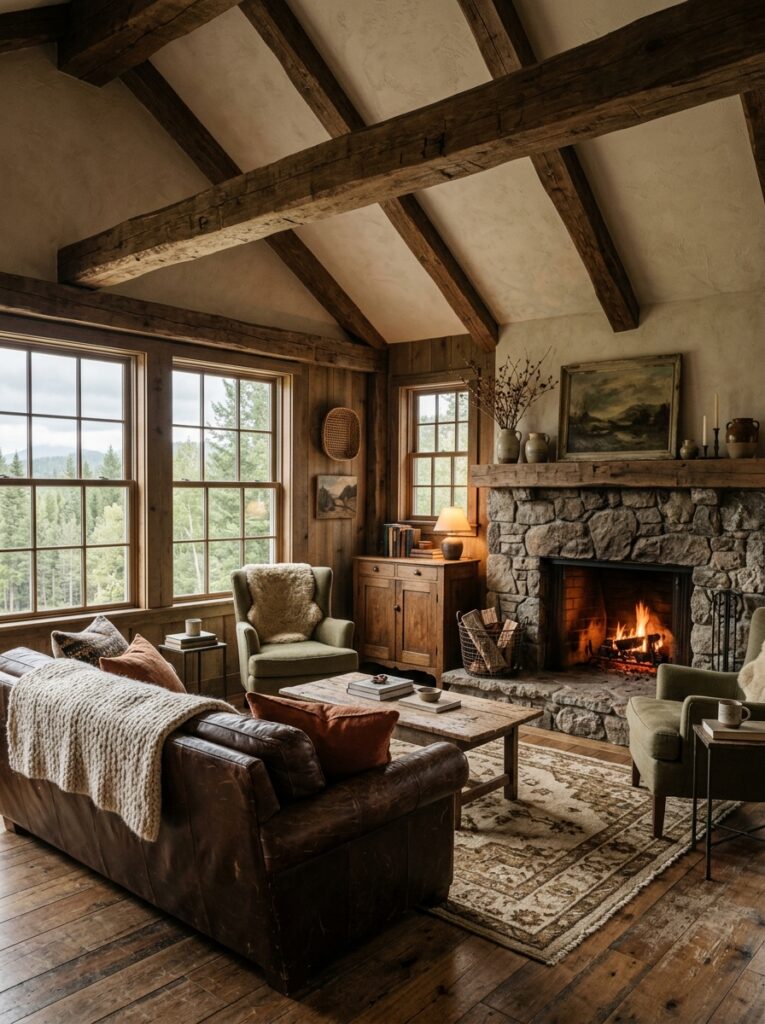
A rustic living room earns its warmth through the inherent character of natural materials used honestly rather than polished to remove their original quality. Exposed wood beams, distressed or reclaimed wooden furniture, and earthy woolen fabrics each contribute a warmth and authenticity that manufactured materials at any price point cannot replicate.
The aged quality of rustic materials is precisely what communicates the sense of accumulated history and genuine use that makes a room feel like it has been genuinely inhabited over time rather than freshly staged. Neutral tones mixed with darker natural accents create visual depth that flat, uniformly light rooms lack. A stone or brick fireplace surround, where possible, is the single most impactful rustic living room element because it combines genuine warmth with the visual centrepiece quality that modern electric alternatives cannot fully replicate.
Neutral Boho Living Room: Relaxed Character Without Visual Chaos
View this post on Instagram
Neutral boho is the living room approach that takes bohemian layering and personalisation and applies it through a calm, earthy palette rather than saturated colors and heavy pattern. The result captures the relaxed, personal character of bohemian design without the visual busyness that some people find incompatible with genuine daily relaxation.
Woven wall hangings, layered rugs in natural fiber, macramé details, trailing plants, and a collection of individually chosen objects in warm neutral tones create a room that feels genuinely personal and warmly inhabited. Keeping the overall palette within the earthy neutral family, sand, cream, warm white, natural wood, and warm brown, prevents the layering from becoming overwhelming. The deliberate restraint in color is what separates this from traditional bohemian design and what makes it liveable across the full range of moods a living room needs to accommodate.
Small Cozy Living Room Setup: Making Compact Spaces Feel Complete
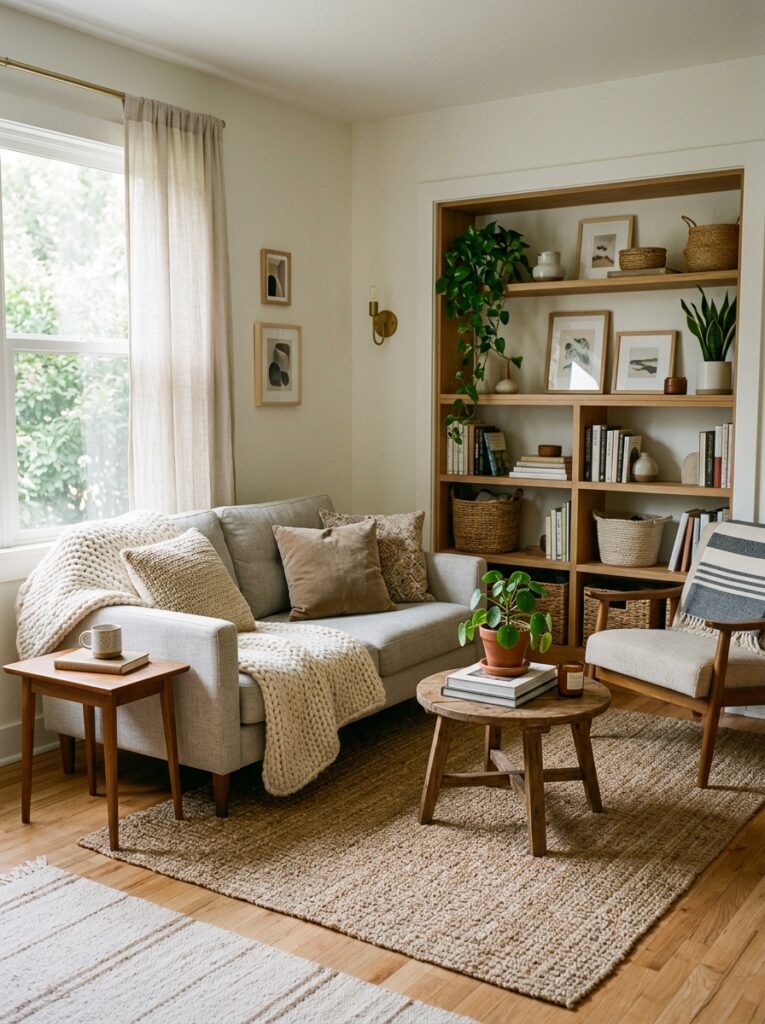
Small living rooms can feel genuinely cozy rather than cramped when the design decisions prioritize warmth and spatial completeness over the impression of size. The key is treating the small scale as a design opportunity rather than a constraint to be compensated for.
Compact furniture chosen specifically for the room’s dimensions rather than scaled down from larger alternatives creates a room that feels appropriately complete rather than undersized. Light colors on walls and larger surfaces reflect available light and prevent the space from feeling enclosed. A single well-placed floor lamp adds warm ambient light that overhead fixtures cannot provide in the same way. Layered textiles, a rug sized correctly to the seating arrangement, and a few deliberately chosen accessories create the cozy quality that makes small rooms feel like genuinely considered spaces rather than storage-efficient compromises.
Hygge-Inspired Living Room: The Danish Art of Comfort
View this post on Instagram
Hygge is a Danish concept that describes a quality of cosiness, warmth, and genuine wellbeing that comes from creating comfortable environments and enjoying them with the people you care about. A living room designed around hygge principles places physical comfort and sensory warmth above visual style, which is precisely what makes rooms designed this way feel so genuinely good to be in.
Plush seating that invites genuine settling in, weighted blankets and soft throws positioned for easy use rather than decorative display, an abundance of candles creating warm flickering light at multiple heights, and natural materials throughout all contribute to the hygge atmosphere. The overall palette stays warm and neutral because cool colors and hard surfaces work against the physical comfort quality that hygge requires. A hygge living room should feel better at the end of the evening than it did at the start.
Calm Beige Living Room: The Most Liveable Palette Available
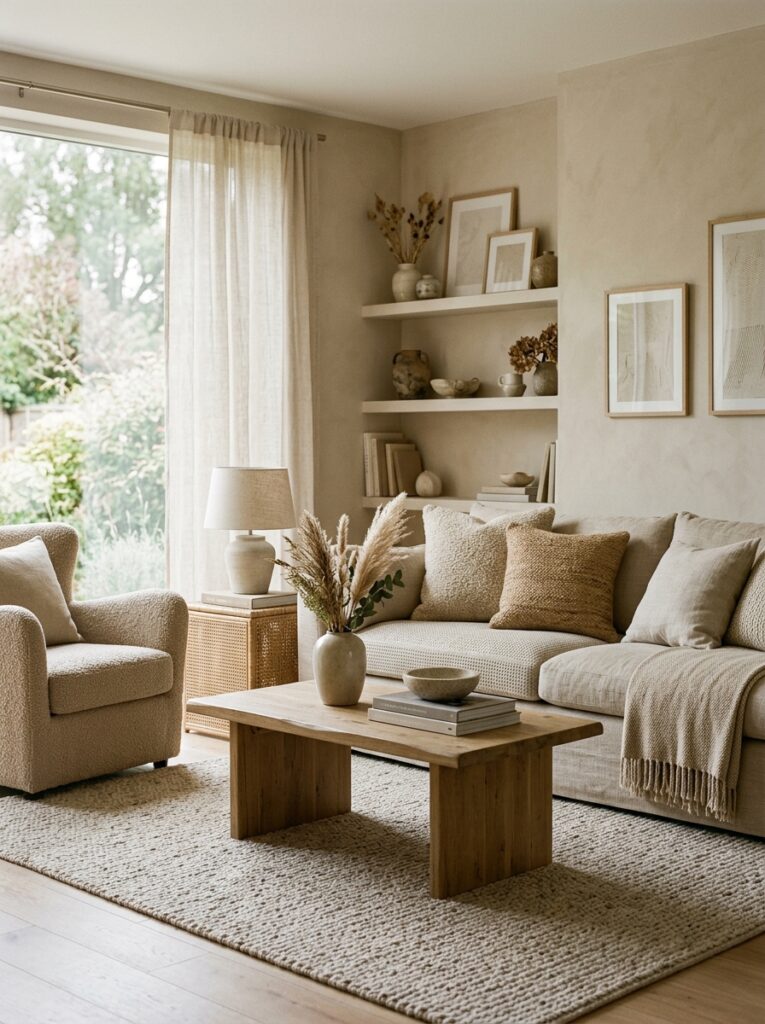
Beige is the most consistently liveable living room palette because it creates a soothing and timeless base that improves with every textile and accessory added to it rather than becoming more difficult to coordinate as the room develops. It is a color that most people stop noticing after a while, and that invisibility is its greatest quality. The room simply always feels right.
Layering different beige tones rather than matching them exactly prevents the flatness that a single uniform beige creates. A light beige wall, a slightly deeper cream sofa, a warm tan rug, and sand-toned cushions create tonal variation that reads as richly cohesive. Textured fabrics add the depth that prevents the palette from feeling characterless. The discipline is ensuring enough textural variety exists within the palette so the eye has somewhere to rest without anything demanding attention.
Moody Cozy Living Room: Intimacy Through Depth and Darkness
View this post on Instagram
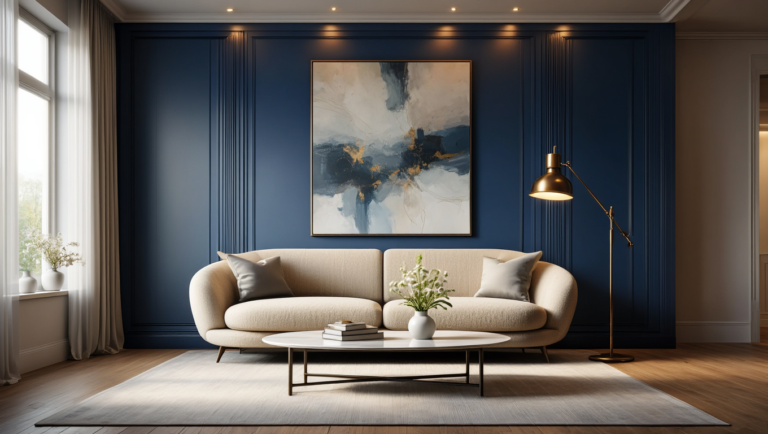
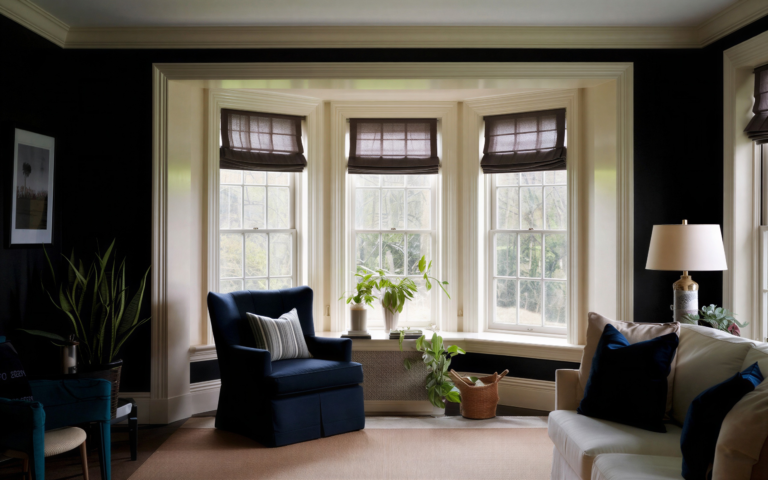
A moody living room uses darker wall colors and richer fabric tones to create an intimate, enveloping atmosphere that lighter rooms simply cannot achieve. The depth of color makes the space feel contained and protective rather than open, which is precisely the quality that creates genuine evening coziness in a way that bright neutral rooms do not.
Deep charcoal, muted forest green, warm dark brown, and dusty slate all create the moody atmosphere without the coldness that pure black introduces. Soft lighting is essential because it balances the darker palette with enough warmth to prevent the room from feeling oppressive. Plush furniture in compatible deep tones, heavy curtains, and layered soft textiles complete the atmosphere. A moody living room is at its best in the evening hours when the lighting is entirely ambient and the dark palette absorbs and softens everything around it.
Natural Wood Cozy Living Room: Organic Character That Cannot Be Replicated
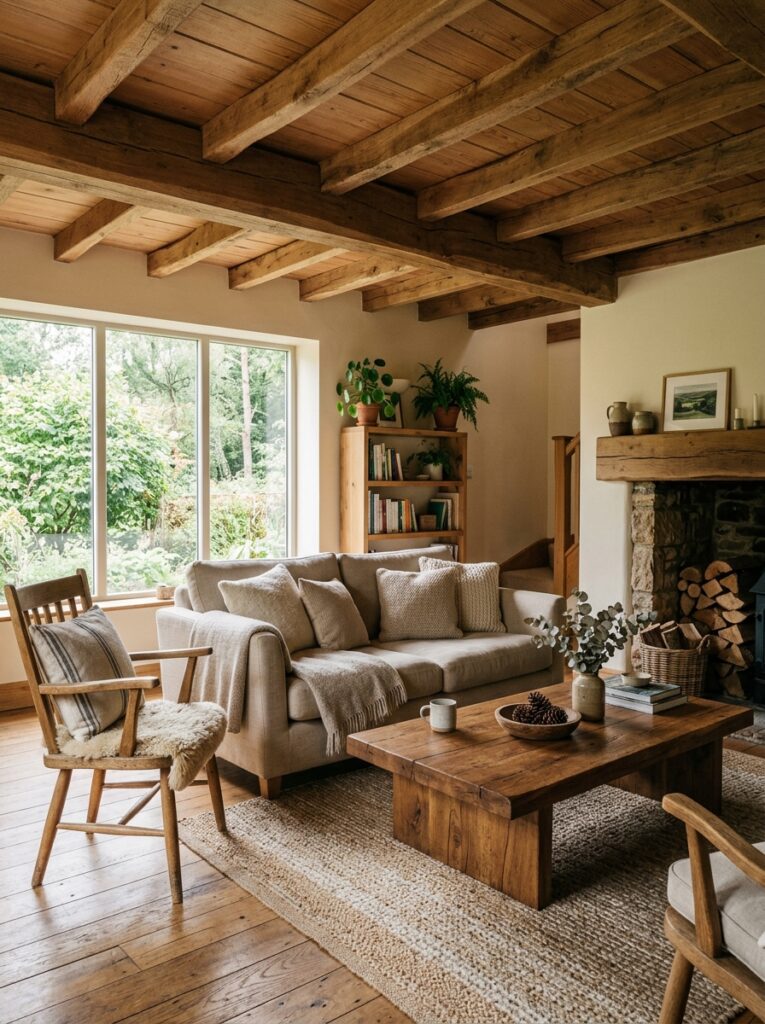
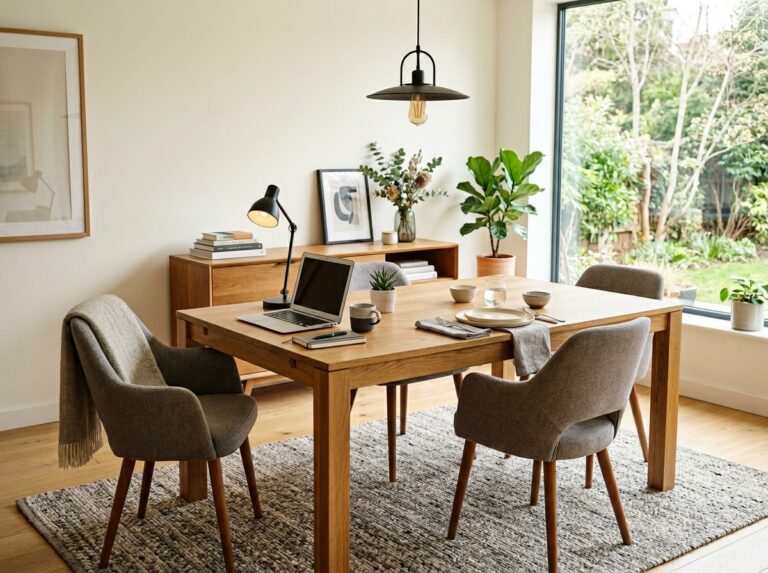
Natural wood brings something to a living room that no other single material achieves. It adds warmth, grain pattern variation, an organic character, and a sense of genuine material quality that immediately communicates care for the design of the space. Even a small amount of natural wood, a coffee table, a side table, a shelf, shifts the character of a room from manufactured to genuine.
Wooden furniture in warm honey, rich walnut, or pale natural oak tones pairs naturally with neutral and earthy textile palettes without requiring any deliberate coordination because natural wood belongs next to almost every color in the warm and natural range. The grain and surface variation in real wood also means no two pieces look identical, which contributes a subtle uniqueness and handmade quality to any room it appears in. Natural wood cozy living rooms age beautifully because the wood develops character rather than showing deterioration over time.
Minimal Warm Living Room: Warmth Through Quality Rather Than Quantity
View this post on Instagram
The minimal warm living room proves that warmth in a living space is not about how many soft objects are present but about the quality and temperature of each element chosen. A room with a few genuinely excellent pieces in warm materials and appropriate lighting can feel warmer and more inviting than a room filled with many mediocre alternatives.
Clean furniture silhouettes in warm neutral tones are softened by genuinely thick and comfortable textiles rather than decorative thin versions that read as warm but do not perform warmly. The lighting must be warm in color temperature, avoiding cool white bulbs entirely in favor of warm amber alternatives. A single excellent rug, two quality cushions in complementary textures, and a floor lamp with a warm shade are enough to transform a minimal room into something that feels genuinely hospitable rather than simply clean.
Inviting Lounge-Style Living Room: Deep Comfort as the Design Goal
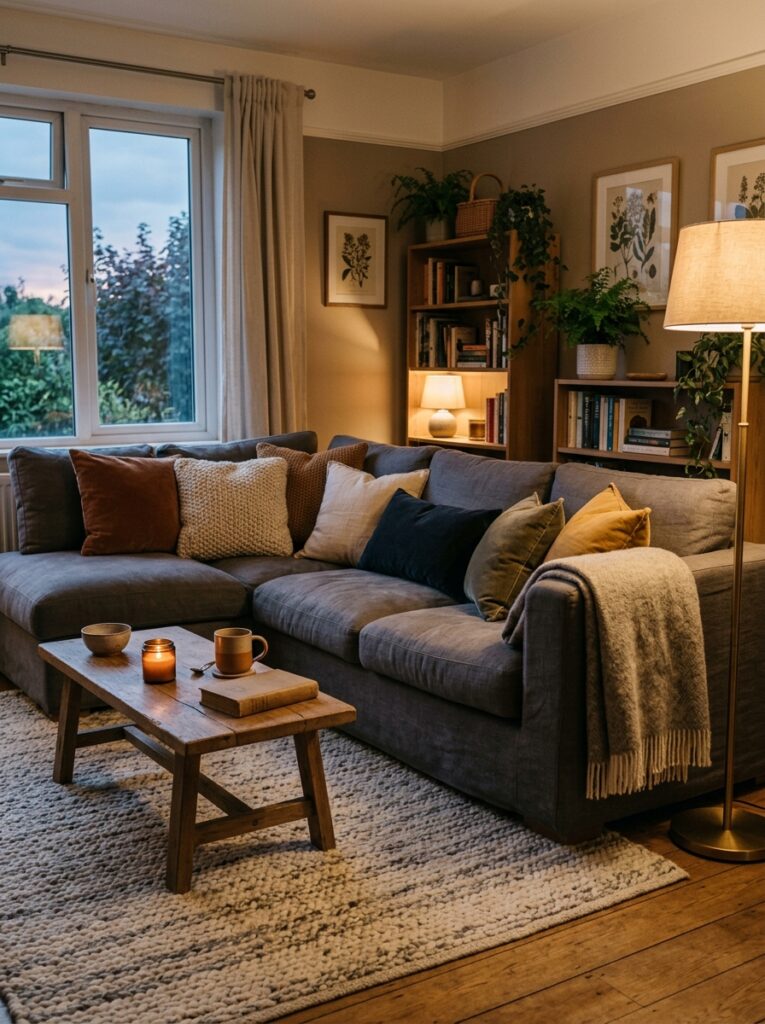
The lounge-style living room places deep physical comfort at the centre of every design decision rather than treating it as an outcome of visual style choices. Deep sofas with genuine seat depth, large floor cushions, oversized ottoman options, and soft rugs underfoot all communicate that the room was designed specifically for the experience of being in it rather than the experience of looking at it.
Warm lighting from multiple low-positioned sources, heavy curtains that block outside light effectively, and a coffee table positioned close enough to the seating to be genuinely practical all contribute to the complete lounge atmosphere. This style works best for households where the living room is genuinely used for extended relaxation, entertainment, and social gathering rather than mainly for passing through or brief daily use. The depth of comfort it provides is in direct proportion to how much it is actually used and appreciated.
Why Every Cozy Living Room Comes Down to the Same Three Decisions
Every living room on this list achieves its warmth through three consistent decisions applied thoughtfully rather than three specific products purchased correctly.
The lighting decision is always the most important. Warm-toned lamp light at human height transforms the atmosphere of any room more completely than any furniture or textile change because it changes how every other surface in the room reads simultaneously.
The texture decision comes second. At least three different material qualities in the room’s soft furnishings create the visual and tactile richness that makes a room feel genuinely warm rather than simply decorated.
The palette decision comes third. Warm tones, whether neutral, earthy, or deep and moody, belong together in a way that cooler palettes never quite achieve at the same level of physical comfort. Getting these three decisions right creates the cozy living room that every homeowner is working toward regardless of which of the fifteen styles above they feel most drawn to.