
Window Decor Ideas for Home: Stylish Curtains and Blinds Guide 2026
The window is the most architecturally significant surface in any room. It controls light, connects the interior to the world outside, and defines the visual weight of the wall it occupies. Yet most people treat their windows as an afterthought, choosing whatever is cheapest without considering what the treatment does to the room’s atmosphere and scale.
In 2026, window treatments are receiving the design attention they’ve long deserved. Curtains are making a powerful comeback after years of minimal blind dominance, with layered fabrics, natural textures, and rich jewel tones making windows the visual focal point of a room rather than its most overlooked surface. Whether it’s part of a bigger refresh — our whole-house decor guide covers how the individual rooms tie together — or a single-window project, the right treatment transforms a space in ways paint alone can’t. This guide covers every option worth knowing.
Sheer Curtains: Airy, Romantic, and Universally Flattering
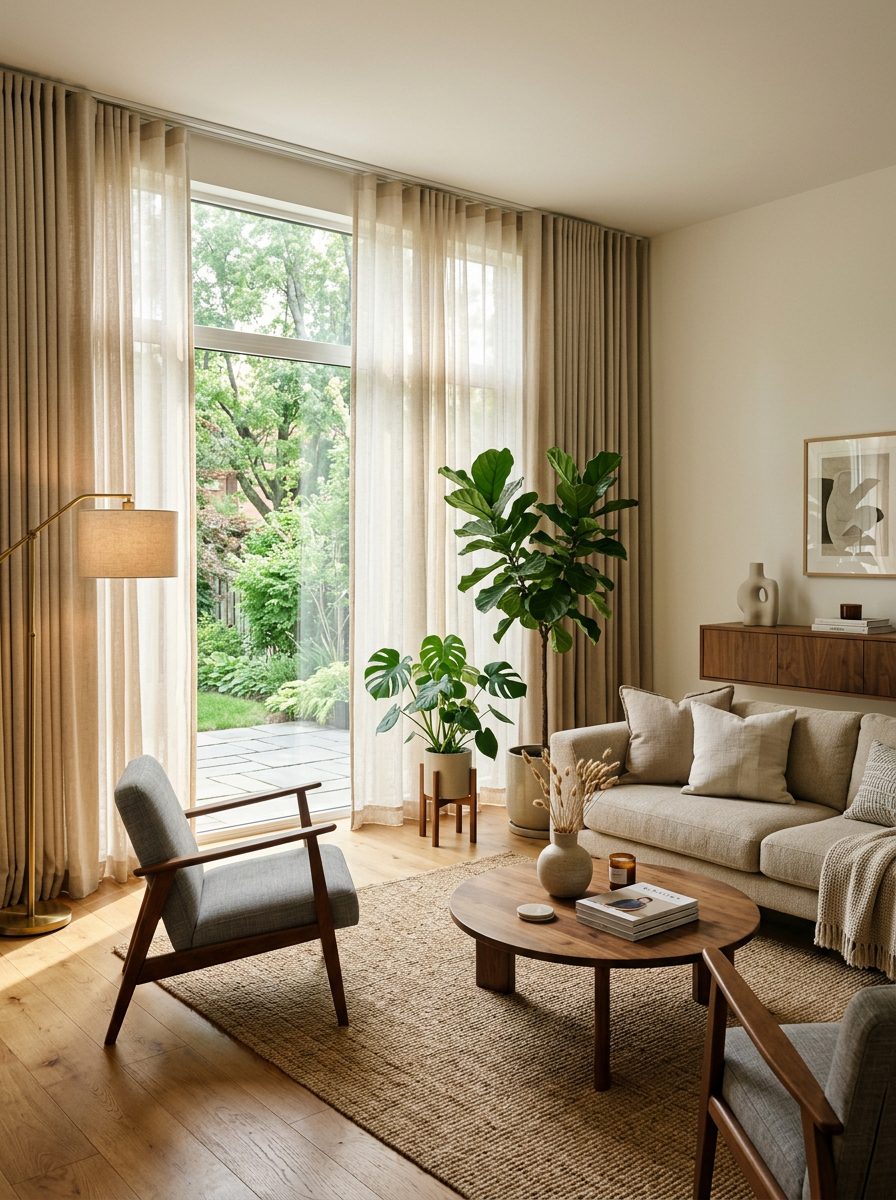
Sheer curtains do something no heavier treatment can replicate: diffuse natural light into a soft glow that makes a room feel simultaneously brighter and more intimate, while keeping the view and the sense of openness intact.
They work brilliantly as a layering base beneath heavier drapes or blackout blinds, giving full flexibility — sheer alone for daytime softness, blackout behind for nighttime privacy. Worth knowing, though: sheers filter light, not UV. WebMD’s coverage of indoor UV exposure notes that UVA passes through most standard window glass largely unaffected by thin fabric, and exposure actually increases in early morning or late afternoon when the sun sits low enough to shine directly through — worth a thought for a reading chair or desk parked right against a sunny window.
Velvet Curtains: Luxury Texture and Rich Color
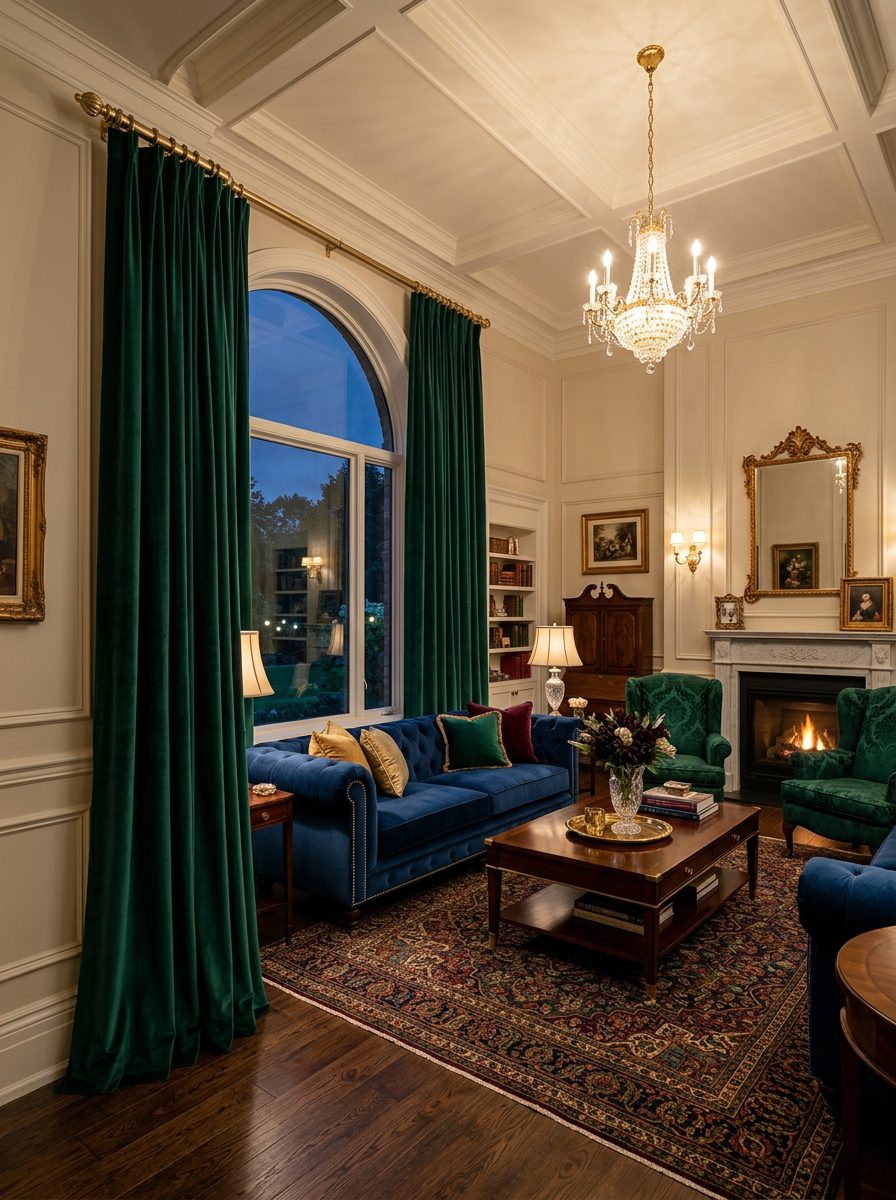
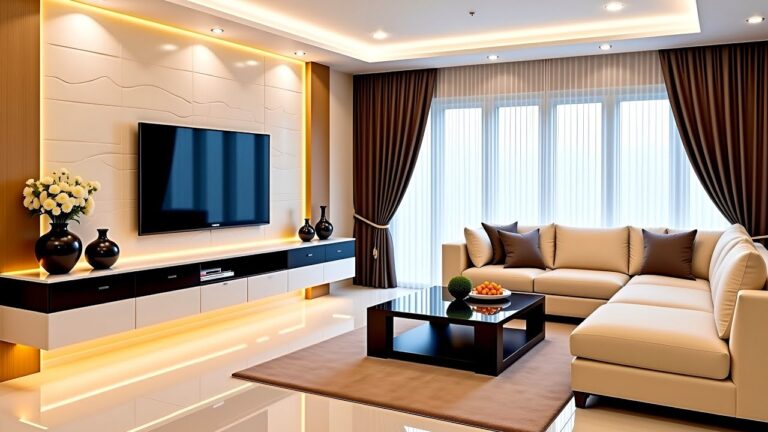
Velvet curtains are the most luxurious, visually impactful window treatment available in 2026. After years of minimal interiors, the appetite for genuine texture at the window has returned, and velvet sits at the centre of that shift.
Jewel tones in emerald green, deep navy, and burnt orange are the strongest choices this year, creating a commanding backdrop for dining rooms and formal spaces without overwhelming the surrounding decor. Velvet’s thick pile blocks light and absorbs sound, making it both aesthetically and functionally superior to thinner alternatives at the same price. Pair with minimal accessories and neutral walls to let the texture and colour do the work.
Linen Curtains: Natural, Relaxed, and Timeless
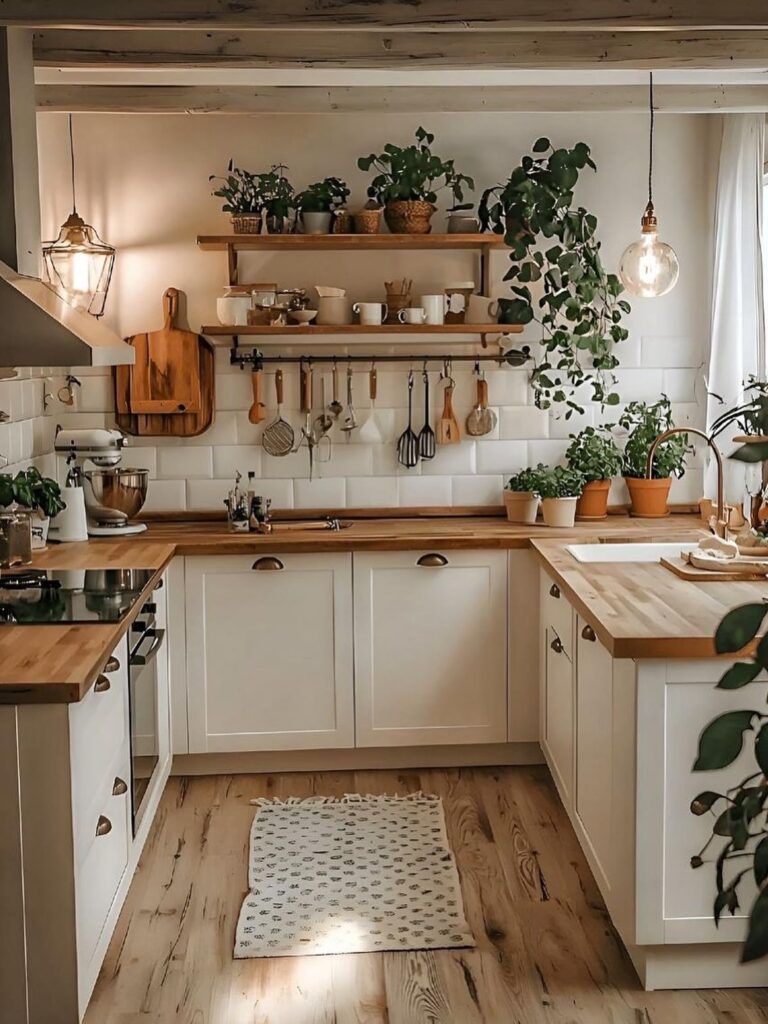
Linen curtains suit spaces that want a relaxed, organic aesthetic. Natural fabrics are having a real moment in 2026, and linen leads the category — its soft, earthy texture suits Scandinavian, farmhouse, bohemian, and modern minimalist interiors equally well.
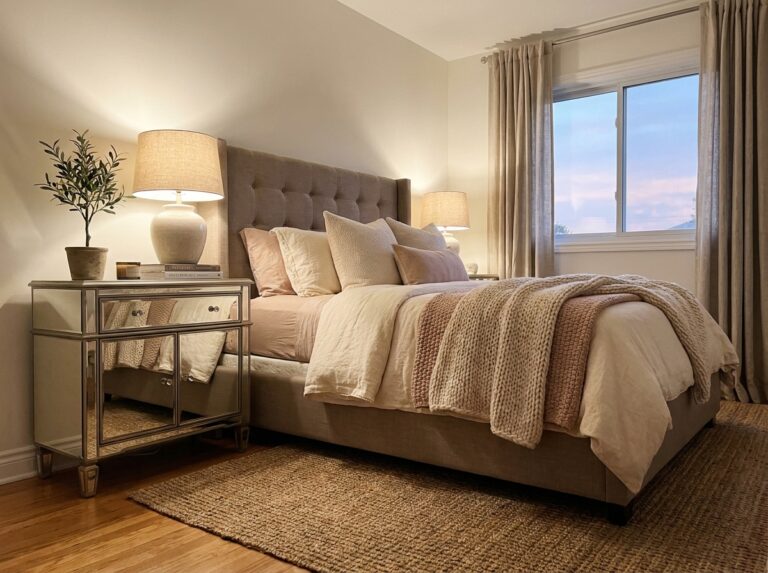
Linen in warm white, cream, sand, and sage works with virtually every furniture and wall colour without complex coordination. Fine-woven cotton-linen blends are particularly popular for their natural movement and light-filtering quality, and pairing linen curtains with leather or wooden blinds creates a warm, mixed-material treatment that feels deliberately designed.
Blackout Curtains: Practical Elegance for Bedrooms and Beyond
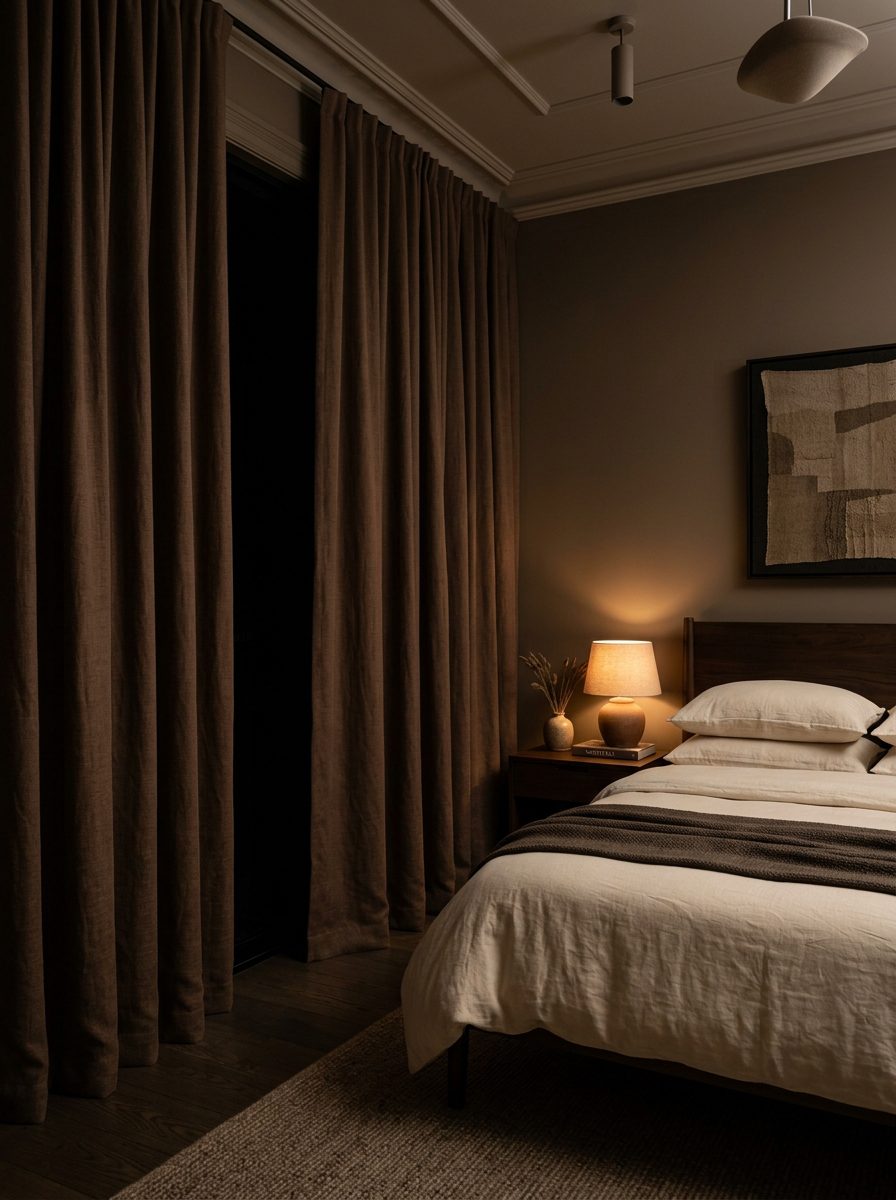
Blackout curtains have evolved considerably from the heavy, unattractive versions that dominated bedroom windows in previous decades. Today’s options come in beautiful fabric finishes and rich colours that suit sophisticated interiors while still blocking nearly all incoming light — part of what makes a well-planned small bedroom feel genuinely restful rather than just nicely decorated.
Blackout curtains in muted earthy tones like Mocha Mousse add warmth while providing complete light control. A popular layering technique places blackout roller blinds behind sheer curtains — soft privacy and light diffusion by day, total darkness by night. Worth the investment for bedrooms, nurseries, home cinemas, and anywhere light control directly affects rest or concentration.
Roman Blinds: Clean Lines and Elegant Structured Finish
Roman blinds suit interiors that need clean, tailored lines without the fullness of curtains. They stack into horizontal fabric folds when raised and lie completely flat when lowered, creating a finish that sits closer to custom cabinetry in precision than to standard soft furnishings.
They suit dining rooms, studies, and formal living spaces particularly well, and rich textiles like raw silk and patterned woven fabrics all work beautifully in Roman blind form. In 2026, relaxed Roman blinds in pastel raw silk are trending for a softer quality while keeping the same clean structure. Pairing one with a fabric pelmet above adds a further layer of polish.
Bamboo and Wood Blinds: Natural Warmth and Sustainable Beauty
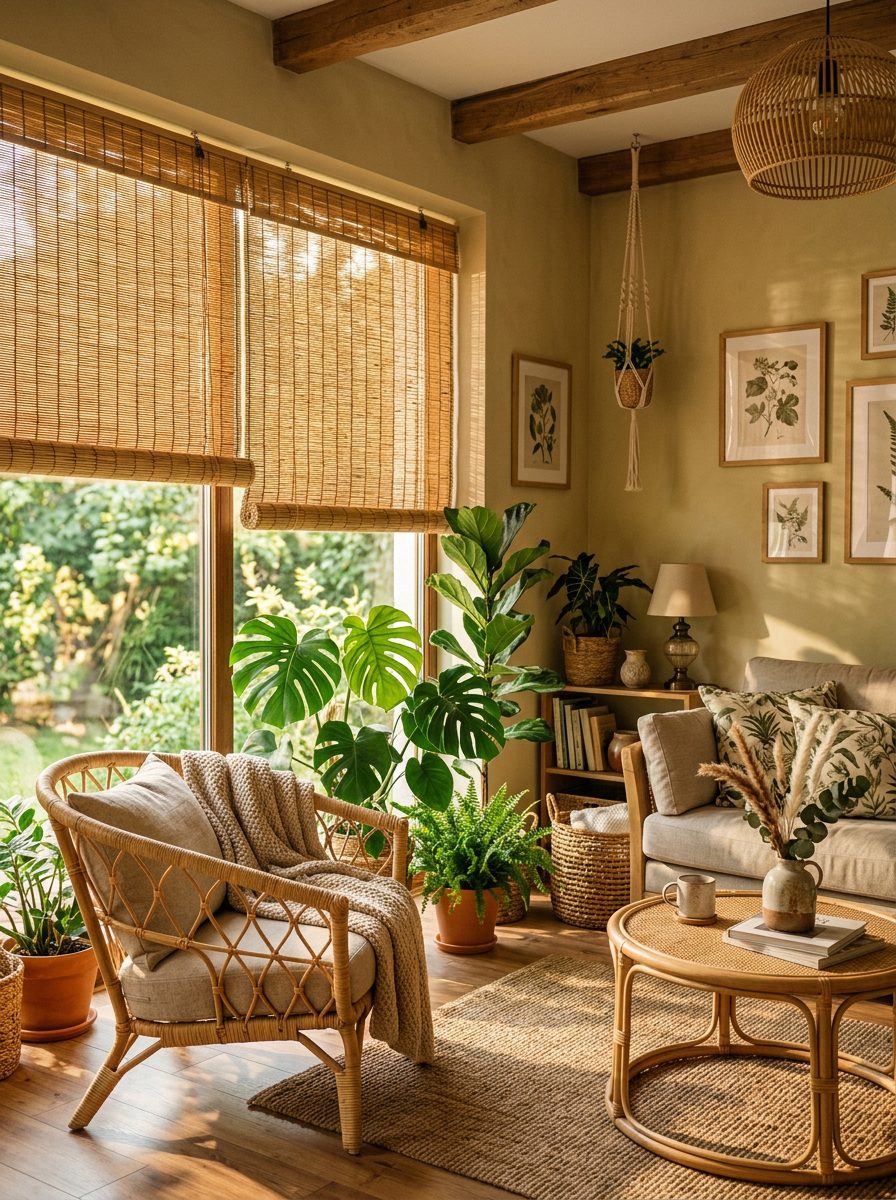
Bamboo and wood blinds are the dominant trend in sustainable window decor in 2026, reflecting a broader shift toward natural materials across the home. Bamboo, hemp, and woven wood blinds create a calming aesthetic that suits biophilic design and adds warmth synthetic blinds can’t replicate.
These work beautifully in living rooms, bedrooms, and dining spaces where a warm, grounded atmosphere is the priority. Responsibly sourced wood blinds add the same rich grain and natural colour variation that makes real wood one of the most consistently beautiful materials available, combining visual warmth with genuine environmental responsibility.
Motorized and Smart Blinds: Technology That Improves Daily Life
Smart motorized blinds — opening and closing via home automation, an app, or a voice command — are becoming a mainstream feature rather than a luxury novelty, and the daily convenience is genuinely hard to overstate once experienced.
They’re particularly useful in kitchens where hygiene and ease of use matter, and in home offices where managing light quickly without leaving a desk affects focus. Most integrate seamlessly with major home automation ecosystems and voice assistants, and programming them to open and close with the sun’s position can meaningfully reduce heating and cooling costs across the seasons.
Striped Curtains: Versatile Pattern That Suits Every Style
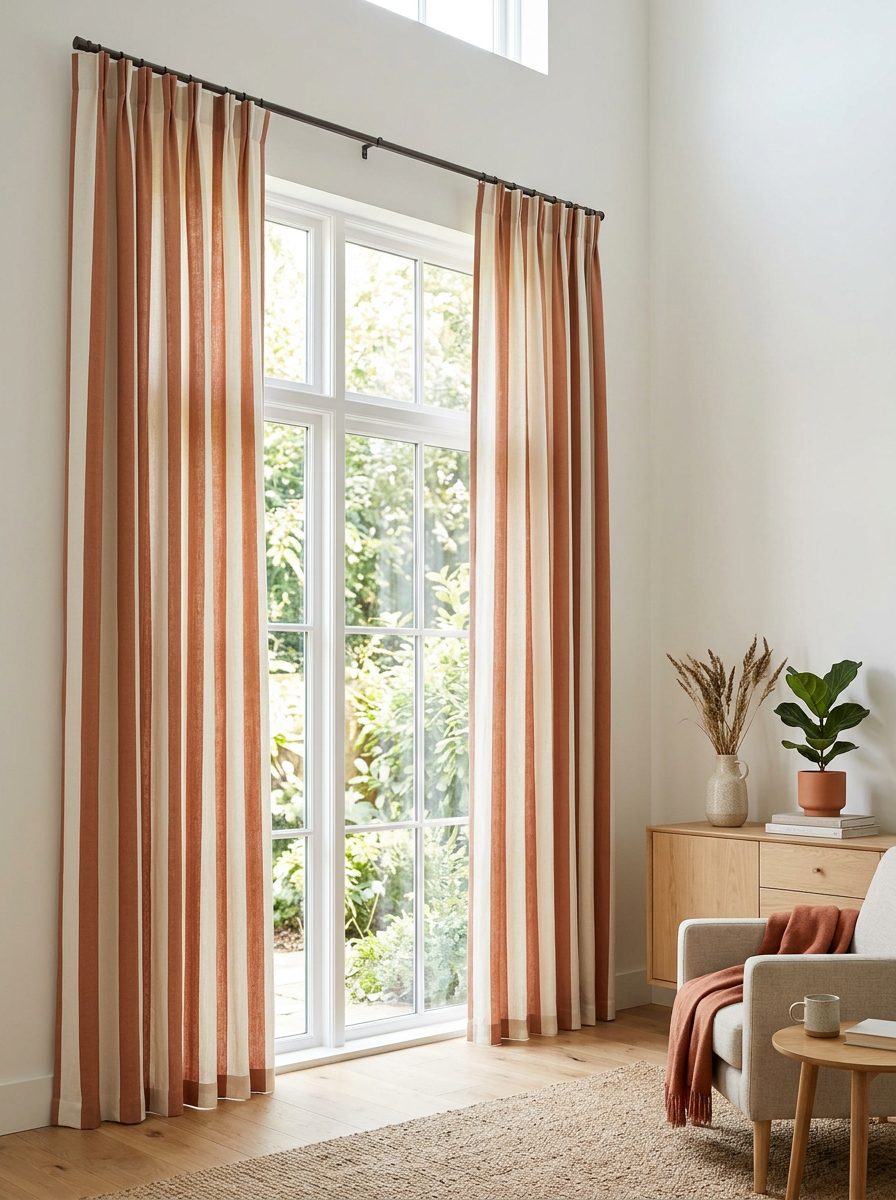
Striped curtains adapt naturally across interior styles without requiring a full redecorate. Bold, wide stripes make the window the visual anchor of a room; subtle tone-on-tone stripes add interest without overwhelming the surrounding decor.
Hanging striped curtains vertically draws the eye upward and creates a ceiling-height illusion that makes rooms feel taller — particularly useful in rooms with lower ceilings. They work beautifully in kitchens, living rooms, and children’s bedrooms where pattern and personality are welcome.
Layered Curtains and Blinds: Depth, Flexibility, and Visual Richness
Layering curtains and blinds together combines the functional precision of blinds with the decorative warmth of curtains in one treatment that performs better than either element alone.
The most popular combination places functional roller blinds or cellular shades directly behind flowing curtain panels, giving full light control without sacrificing beauty at either end of the spectrum. Linen curtains combined with wooden blinds create a particularly warm, mixed-material arrangement, and cellular shades beneath curtain panels also improve energy efficiency by reducing heat transfer through the window. It’s the kind of decision that reads as more considered than it actually took to assemble.
Romantic and Ornate Curtains: Vintage Elegance Reimagined
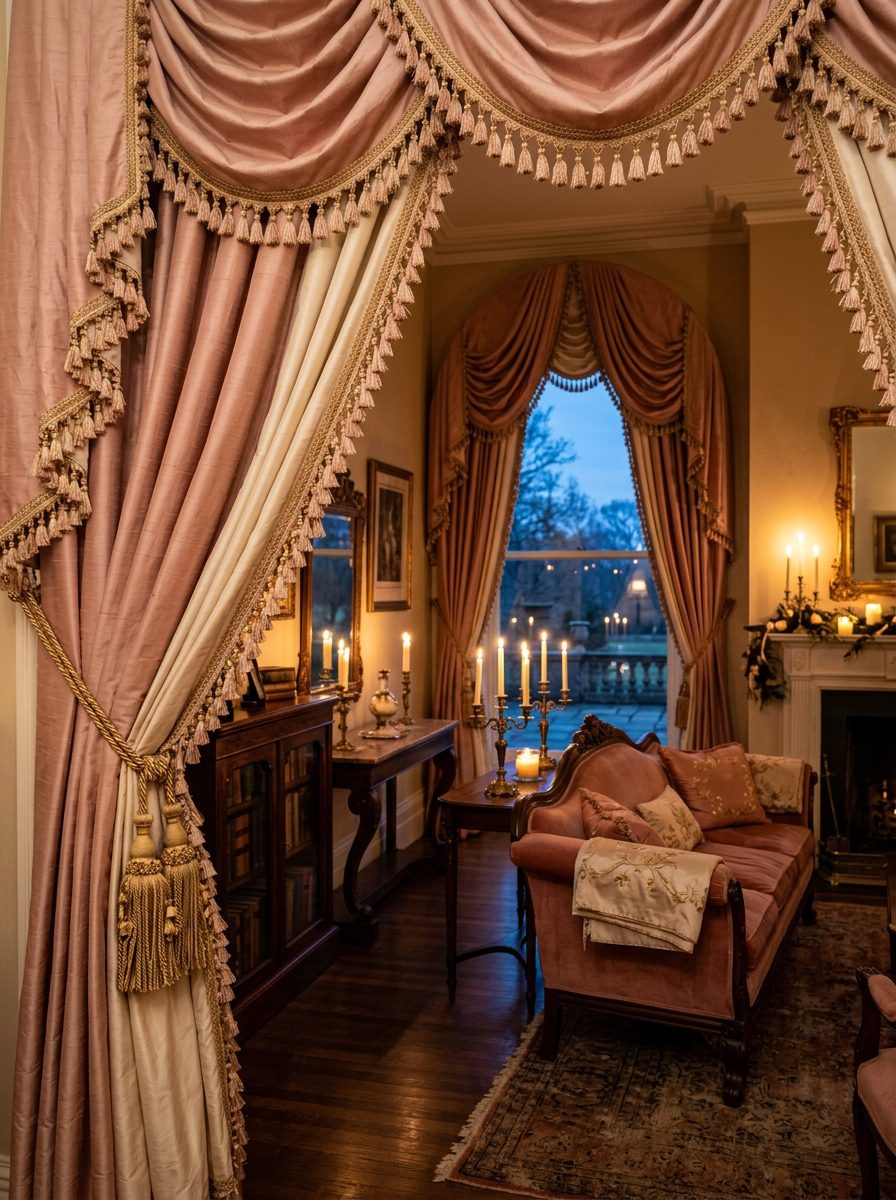
After years of minimal, clean window treatments, designers are embracing a return to ornate, personality-driven dressing in 2026. Swooping swags, decorative tassels, and richly trimmed panels are gaining momentum as homeowners look for windows with genuine character.
Austrian curtains with their traditional billowing structure are having a genuine revival, with modern interpretations using more delicate fabrics for a softer result that reads as considered rather than excessive. Decorative trims and fringing add a customised finish to plain panels that makes them look bespoke regardless of actual price.
Pelmets and Window Valances: Structured and Sophisticated
Pelmets and valances are making a real comeback after years of feeling dated, now used in ways that add an architectural quality curtains and blinds alone can’t provide.
A structured fabric pelmet above a window creates a clean, boxy frame with a finished quality from every angle, and it’s one of the most practical solutions for disguising a functional blackout blind that isn’t visually attractive on its own. Frilly or scalloped pelmets suit transitional and eclectic interiors, while heavier structured versions in thick cotton suit more formal, traditional spaces.
Window Treatments by Room: Matching Function to Aesthetic
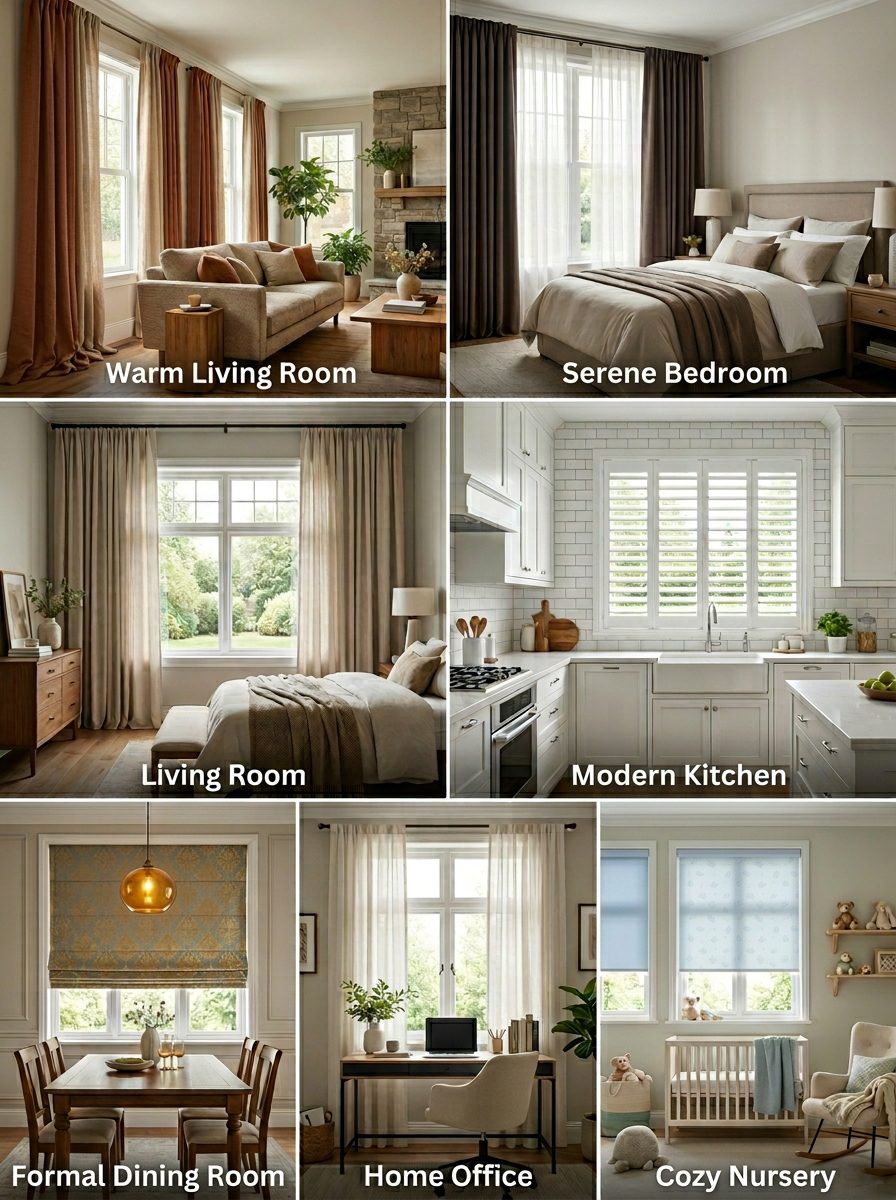
Different rooms demand different priorities, and choosing correctly for each space produces noticeably better results than applying the same approach throughout the house.
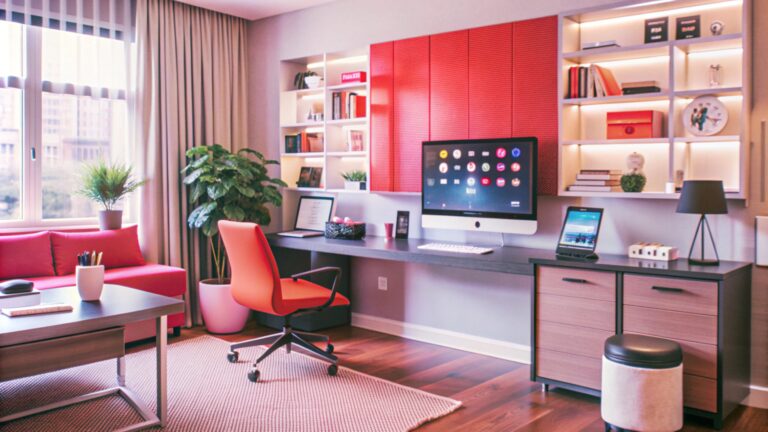
Living rooms benefit most from layered drapes in earthy tones and natural fabrics; tall curtains hung close to the ceiling elongate the room. Bedrooms need blackout or layered blackout-and-sheer combinations that protect sleep quality while still looking good by day. Kitchens need easy-to-clean, moisture-resistant options like composite shutters or aluminium blinds, and dining rooms suit Roman blinds and layered drapes in rich fabrics that add occasion to entertaining. Home offices benefit most from sheers that allow light without screen glare, and bathrooms need moisture-resistant, privacy-focused treatments that don’t make the small space feel enclosed.
How to Hang Curtains for Maximum Visual Impact
How curtains are hung matters as much as which curtains are chosen. Incorrect hanging diminishes even the most beautiful treatment’s visual impact, and the mistakes are remarkably consistent and easy to fix.
Position the curtain rod as close to the ceiling as possible rather than directly above the window frame — this single change makes ceilings feel taller and windows look grander than they actually are. Extend the rod 15 to 30 centimetres past the frame on each side so curtains stack fully off the glass when open, maximising light and creating the illusion of a wider window. Floor-length curtains that just graze the floor cleanly look more considered than those that stop at the sill, and minimal hardware in a finish that matches the room’s other metals keeps the focus on the curtains themselves.
Color Trends for Window Treatments in 2026

Colour choice defines the personality of a window treatment more than almost any other decision, and 2026 has a clear direction — the same warm, earthy shift running through the palette choices in our accent wall guide.
Mocha Mousse, Pantone’s Colour of the Year, is the most influential shade shaping curtain and blind choices globally this year — a rich, chocolate-inspired tone that pairs effortlessly with crisp neutrals and vibrant accents. Terracotta, sage green, warm white, and dusty rose are all performing strongly alongside it, while rich jewel tones like emerald and deep navy make the most powerful statement in living and dining rooms. Earthy, nature-inspired tones are both the most current and the most genuinely timeless strategy, since they connect to the natural world in a way trend-driven brights rarely manage across years of daily living.