Old Money Style Outfits for Men: Elegant Minimal Fashion Guide
Old Money Style Outfits for Men – The Complete Guide
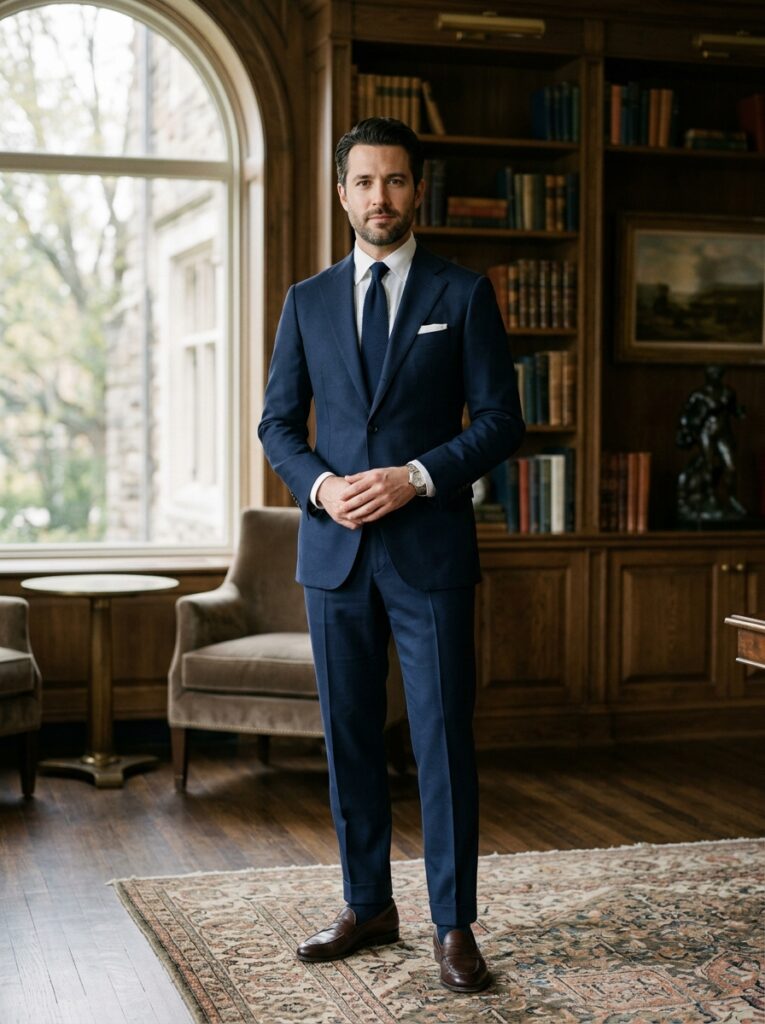
Old money style is the most culturally significant men’s fashion movement of this decade. It goes by several names: quiet luxury, stealth wealth, understated elegance. All of them describe the same fundamental philosophy. Quality over quantity. Substance over surface. Timelessness over trends.
What makes old money style genuinely compelling in 2026 is not its aesthetic exclusivity but its complete rejection of what most modern fashion demands. No logos. No viral drops. No seasonal trend cycles that require constant repurchasing to stay current. Old money dressing communicates confidence through restraint, and that quality, looking expensive without announcing it, is arguably the most sophisticated signal available in men’s personal style today. This guide covers every essential element so any man can build a genuinely timeless wardrobe that grows in value rather than losing relevance with every passing season.
The Core Principles: What Old Money Style Actually Means
View this post on Instagram
Before any specific outfit or piece is considered, three principles govern every decision in the old money aesthetic.
Quality always wins over quantity. Every piece should feel intentional, last for years, and look just as appropriate a decade from now as it does today. Fast fashion has no place here because cheap materials and poor construction reveal themselves instantly and undermine everything around them.
Restraint is non-negotiable. Loud logos, neon colors, oversized accessories, and anything trend-driven or aggressively branded conflicts directly with what old money style communicates. The outfit speaks through craftsmanship and fit rather than through visible price tags or recognizable names.
Fit is the most important technical element. Whether too tight or too baggy, ill-fitting clothes immediately destroy the refined silhouette that this style depends on entirely. A moderately priced garment with excellent fit always outperforms an expensive one worn incorrectly. Building an old money wardrobe requires patience, intentionality, and a consistent willingness to choose pieces that carry genuine permanence rather than seasonal appeal.
The Tailored Suit: The Foundation of Every Old Money Wardrobe
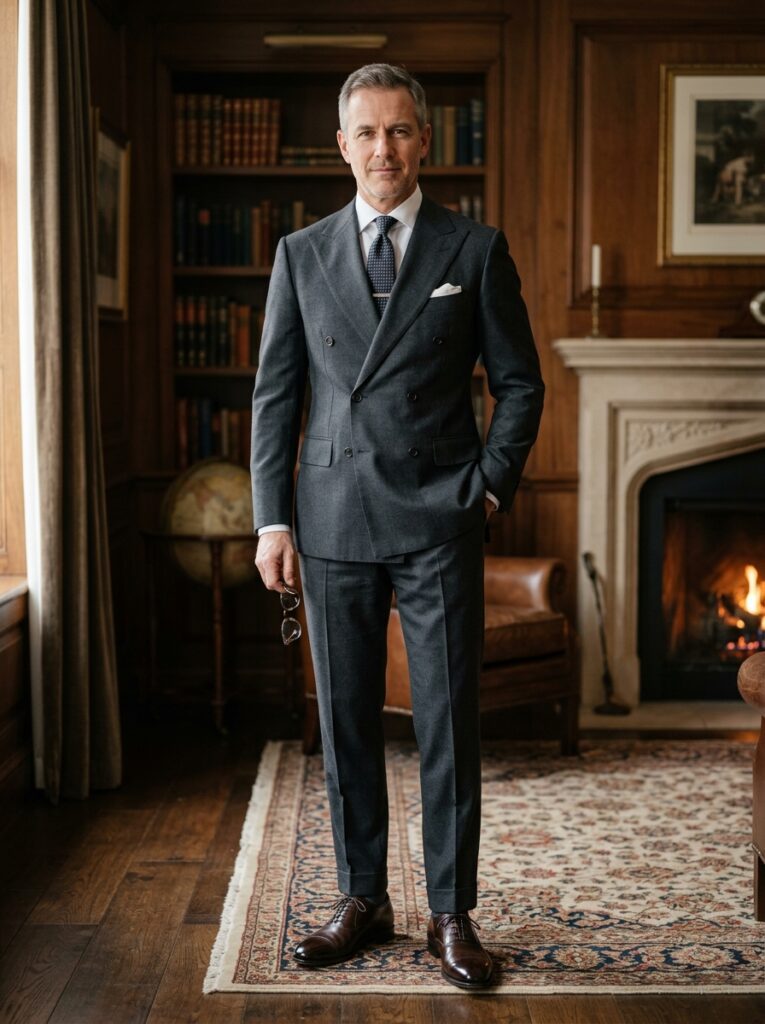
The tailored suit is the single most defining piece in any old money collection. It is not about being overly formal. It is about creating a silhouette that communicates authority and refinement without any flash or visible effort. A well-fitted suit in charcoal grey, navy, or fine-wool check achieves this consistently.
The shoulder must fit precisely with no overhang. The waist should taper subtly inward. The trousers should break just above the shoe with a clean, purposeful line. Double-breasted suits and subtle pinstripe designs add visual authority at a sophisticated level without overpowering the overall composition. Bespoke or made-to-measure tailoring is the gold standard of old money style, but a well-fitted off-the-rack suit in quality fabric, properly adjusted by a tailor, achieves an excellent result at a fraction of the cost. Investing in one or two genuinely excellent suits in classic neutral tones is the single most powerful first step toward building a real old money wardrobe.
Neutral Color Palette: The Silent Language of Quiet Luxury
View this post on Instagram
The color palette communicates old money style before any specific piece is even identified. Old money wardrobes rely almost exclusively on muted, neutral tones. Navy, grey, beige, camel, ivory, olive, cream, and soft white are the core shades. These tones mix naturally together without any coordination effort, which is precisely what makes building a cohesive, sophisticated daily wardrobe significantly easier once the foundation is established.
Patterns exist within old money style but always stay subtle. Pinstripes, small plaids, fine herringbone, and houndstooth all work beautifully within this aesthetic without drawing attention to themselves. Bold graphic prints, bright neon colors, and anything that demands immediate visual attention conflict directly with what this style communicates. Monochromatic outfits in different shades of the same neutral tone read as especially elegant because the outfit’s refinement becomes about texture and proportion rather than color contrast. Discipline in color selection is one of the most powerful and most accessible tools for achieving the old money look effectively regardless of budget.
The Navy Blazer: The Single Most Versatile Old Money Piece
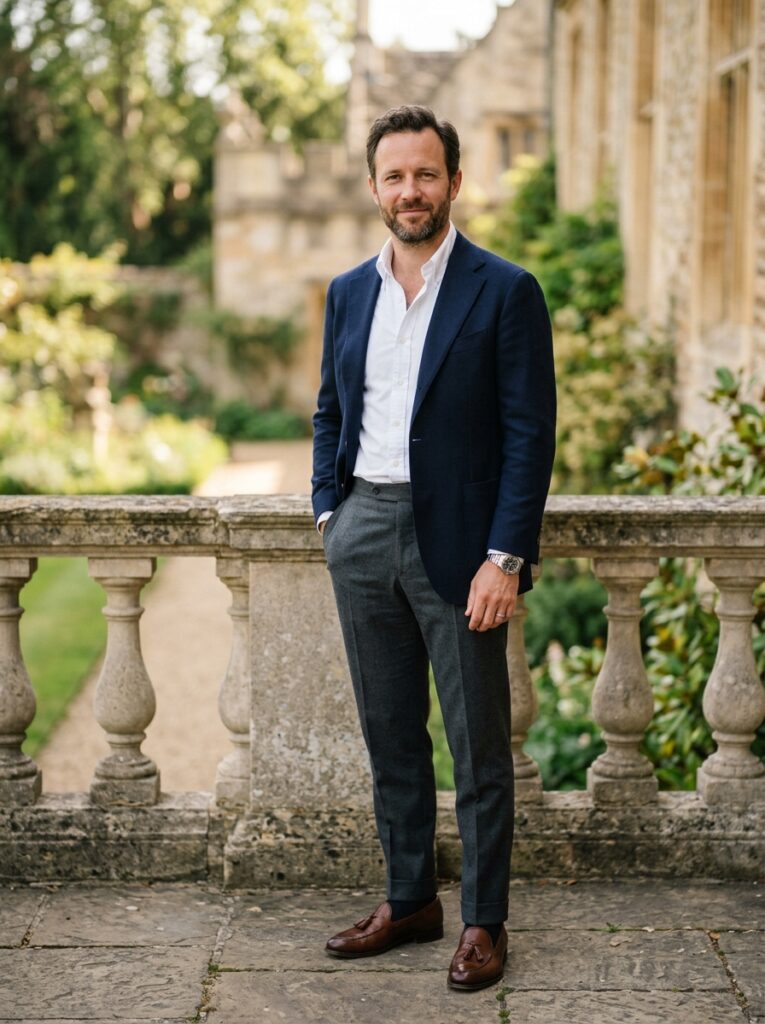
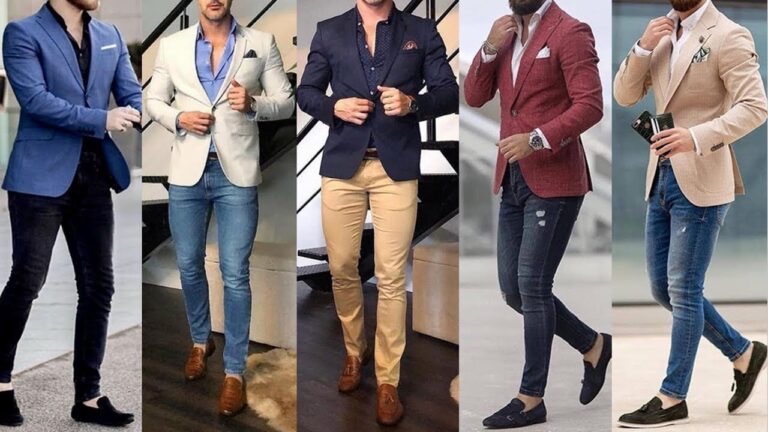
A well-cut navy blazer is the most versatile individual piece available in the entire old money wardrobe. It signals quiet leadership and considered personal style without any flash or ostentation, and it works across more outfit combinations and occasions than virtually any other single garment.
Paired with grey flannel trousers it suits boardrooms and formal events. Worn over a crisp white Oxford shirt with chinos it works equally well for smart casual occasions and weekend brunches. The navy blazer transitions between professional and social settings without requiring any significant outfit adjustment, which is precisely what old money style values most in a single piece. Pair with penny or tassel loafers for the most authentic, heritage-inspired finish. Keep accessories minimal alongside it. A quality watch, simple cufflinks, and a silk pocket square are more than sufficient to complete the combination without adding unnecessary visual noise. One exceptional navy blazer in quality wool or a wool-blend fabric is one of the most immediately rewarding single purchases available for building a refined old money wardrobe.
Oxford Shirts: The Daily Staple That Never Lets You Down
View this post on Instagram
Crisp Oxford and button-down shirts are among the most important daily pieces in the old money wardrobe. White and pale blue are the most classic and widely worn shades within this aesthetic because they pair naturally with virtually every suit, blazer, and chino combination in a neutral palette without ever creating any coordination difficulty.
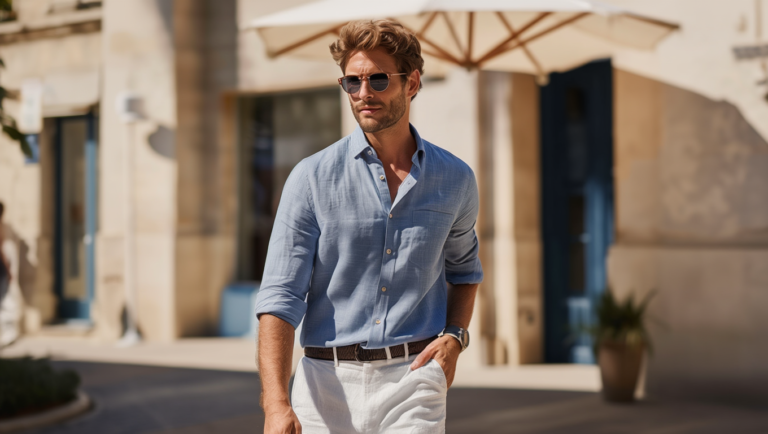
Choose shirts with minimal detailing: no bold patterns, no embroidery, and no graphics. The shirt functions as a clean, refined foundation for whatever layer goes over it, and its neutrality is a quality rather than a limitation. Linen shirts in white or sage tones offer a more relaxed interpretation of old money style for warmer months and casual settings. A heavyweight Oxford shirt holds its shape and collar better than thin fabrics throughout a full day, which matters considerably more than most men expect until they experience the difference. A rotation of well-maintained white and pale blue Oxford shirts ensures genuine preparedness for any setting with consistent old money confidence.
Cashmere and Fine Knit Sweaters: Warmth with Genuine Elegance
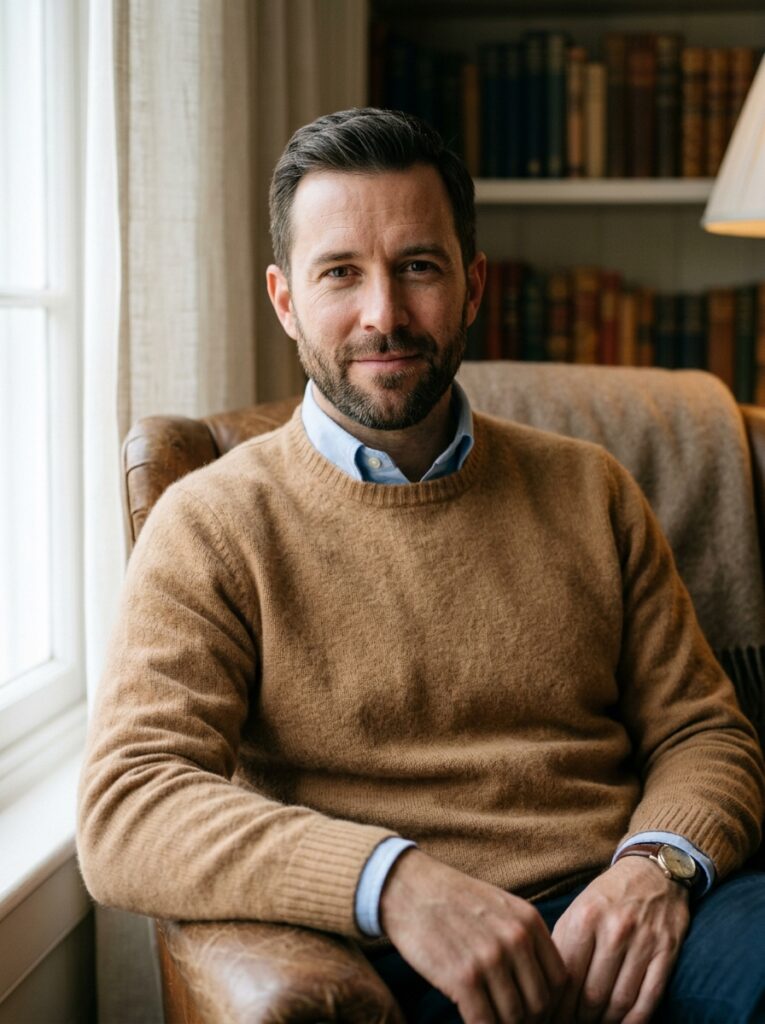
Fine knit sweaters are one of the most essential and most rewarding layering pieces in the old money wardrobe. Cashmere and merino wool in crewneck or V-neck styles add warmth, visible texture, and quiet luxury to any combination they are part of. They layer naturally over Oxford shirts for a smart casual result that reads as effortlessly polished without any visible effort in the assembly.
Camel, navy, ivory, and soft grey are the strongest shades within the old money palette. Cable-knit sweaters in cream or oatmeal add a relaxed, countryside charm that suits casual old money combinations with considerable visual warmth. A lightweight knit vest in a solid neutral tone is another versatile option that layers cleanly over shirts without adding bulk. Natural fibers age gracefully and develop genuine character over years of regular wear that synthetic alternatives cannot replicate. A quality cashmere crewneck is one of the most rewarding long-term investments in any old money wardrobe because it improves with age rather than deteriorating.
Tailored Trousers and Chinos: Correctly Fitted Bottoms
View this post on Instagram
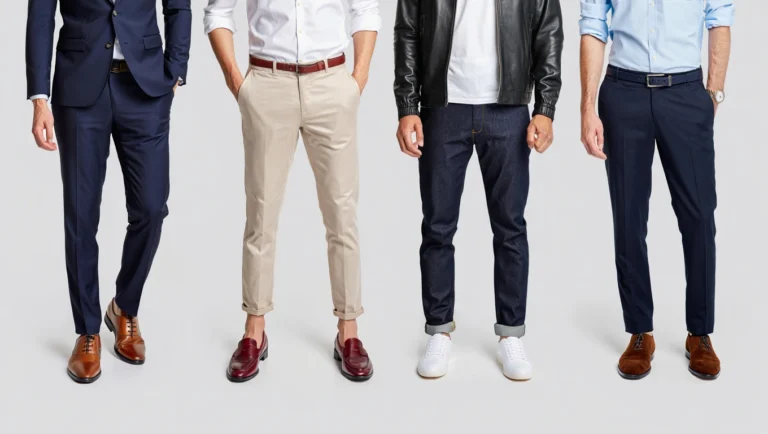
Well-fitting trousers are one of the most critical components in the old money silhouette. Classic dress trousers and chinos in navy, grey, camel, or khaki work naturally across all seasons without any difficulty in coordination. The fit must be clean and tailored, not baggy, not excessively slim. A mid-rise trouser with a slight taper toward the ankle suits the old money proportions most effectively and consistently.
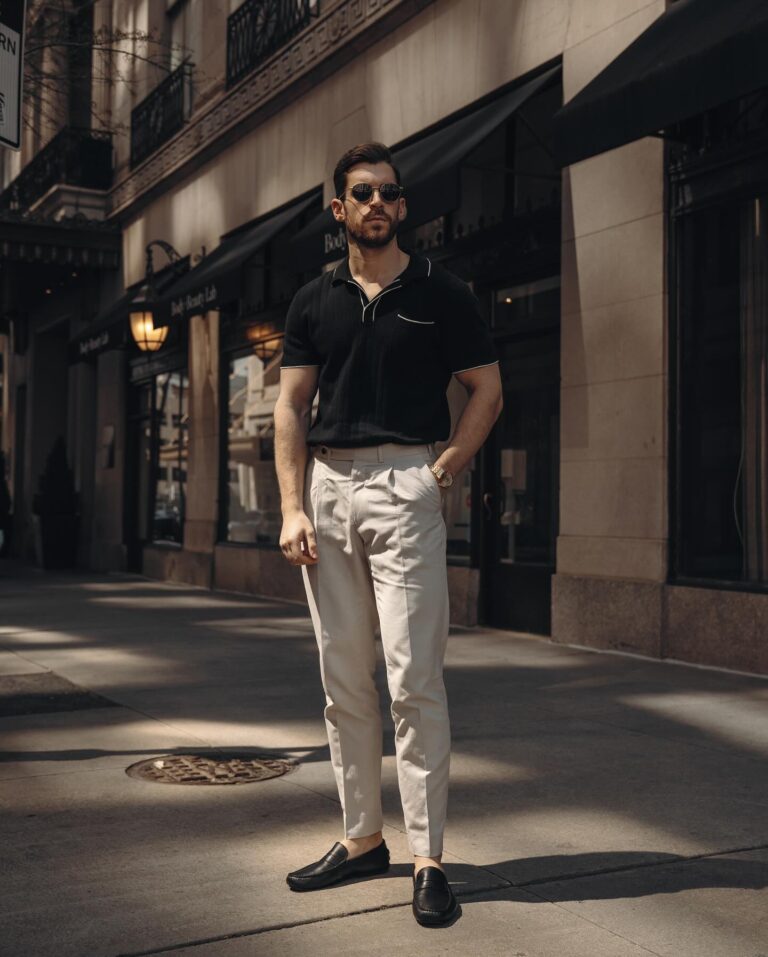
Wool trousers in charcoal or grey suit formal and smart casual settings with equal elegance. Chinos in navy or beige paired with a polo or Oxford shirt deliver a quietly refined casual look for weekends and informal gatherings. Linen trousers in white, cream, or light khaki are ideal for summer and warm weather settings where wool would feel excessive. White pinstripe trousers add a subtle touch of visual sophistication that works well with navy or camel tops in smart casual contexts. Two or three quality trouser options across different fabrics ensures the wardrobe covers every setting from boardrooms to weekend occasions with consistent and genuinely considered elegance.
Polo Shirts: Casual Old Money Done Correctly
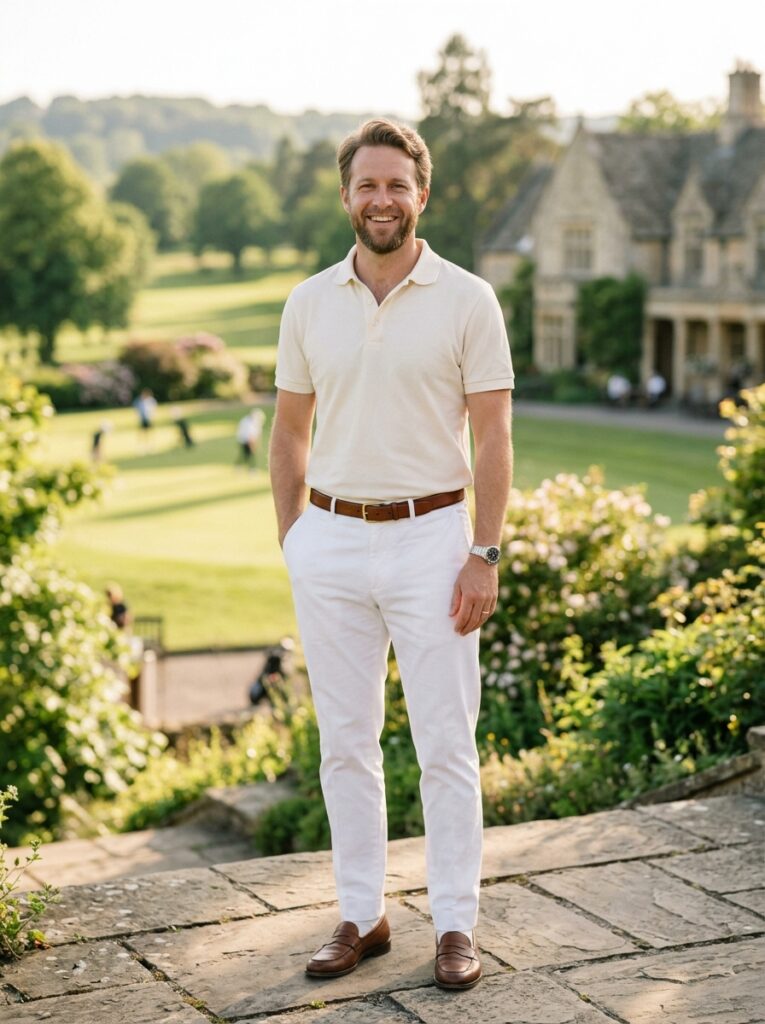
The polo shirt sits naturally between a casual tee and a formal shirt and bridges that gap more effectively than anything else at the casual end of the old money wardrobe. A merino or pique cotton polo in navy, white, cream, or soft pastel tones suits smart casual settings with effortless refinement and very little daily styling effort required.
A cream knit polo with tailored white or grey trousers is a relaxed yet genuinely sophisticated combination that works for social gatherings, casual Fridays, and outdoor occasions. A polo layered under a navy blazer immediately pushes the outfit into smart casual territory without requiring any further changes to the combination. Avoid polo shirts with large brand logos or bold graphic embellishments. Minimal or no visible branding keeps the look firmly within the old money aesthetic and ensures the garment’s quality does the communicating rather than the name on the chest. Two or three quality polo shirts in neutral shades are a genuinely versatile addition to any well-assembled old money wardrobe.
Footwear: Shoes That Communicate Before Anything Else
View this post on Instagram
Footwear is one of the most immediately revealing elements in any old money outfit because the quality, condition, and appropriateness of the shoes registers before most other details are consciously noticed by the people around you. Every footwear choice must align with the quiet, polished tone of the overall aesthetic without exception.
Loafers in penny and tassel styles are the most classic old money shoe. They pair naturally with chinos, tailored trousers, and even careful casual denim. Oxford shoes in cap-toe or plain styles suit formal old money looks with a polished, metropolitan quality. Suede shoes in tan, chocolate, or grey offer a more relaxed version of the same refined elegance. Chelsea boots in leather or suede pair well with slim-fit trousers and tailored jackets across every season. Brogues add intellectual character and genuine craftsmanship heritage to smart casual outfits. Quality leather develops a rich patina over years of regular wear that is one of the most distinctive signatures of genuinely old money dressing. Always prioritize leather over synthetic alternatives regardless of the initial price difference.
Outerwear: Coats That Complete the Entire Composition
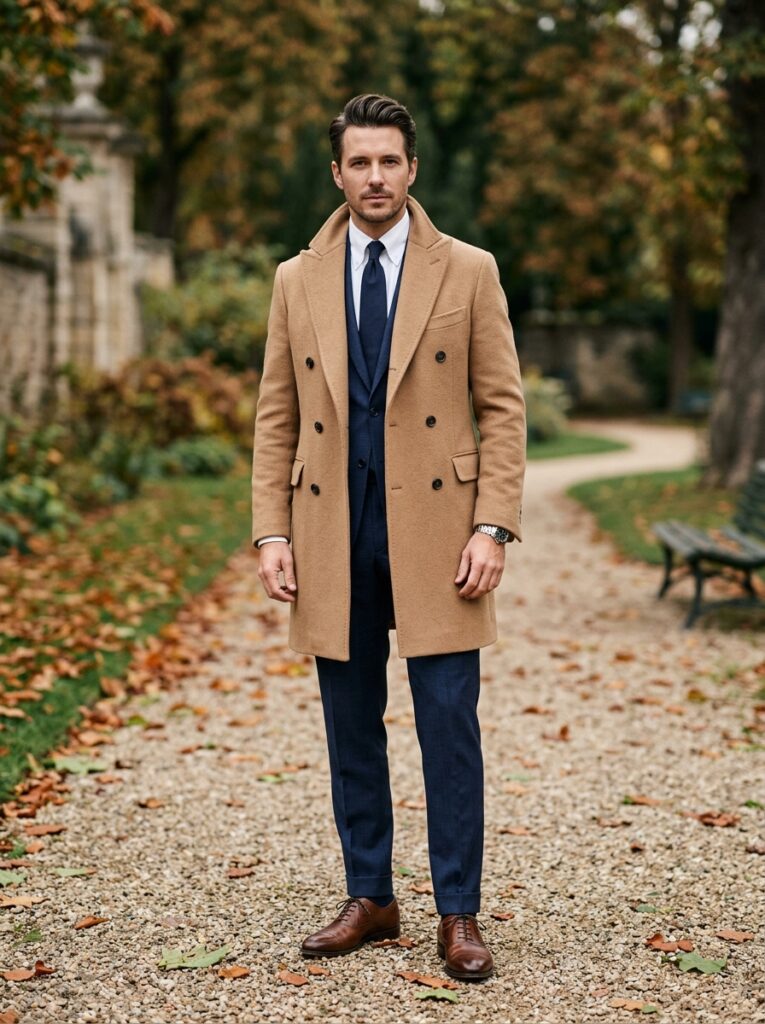
Outerwear makes the entire old money outfit visible to the world for most of the year, which means the coat is the single most publicly impactful piece in the wardrobe across cooler seasons.
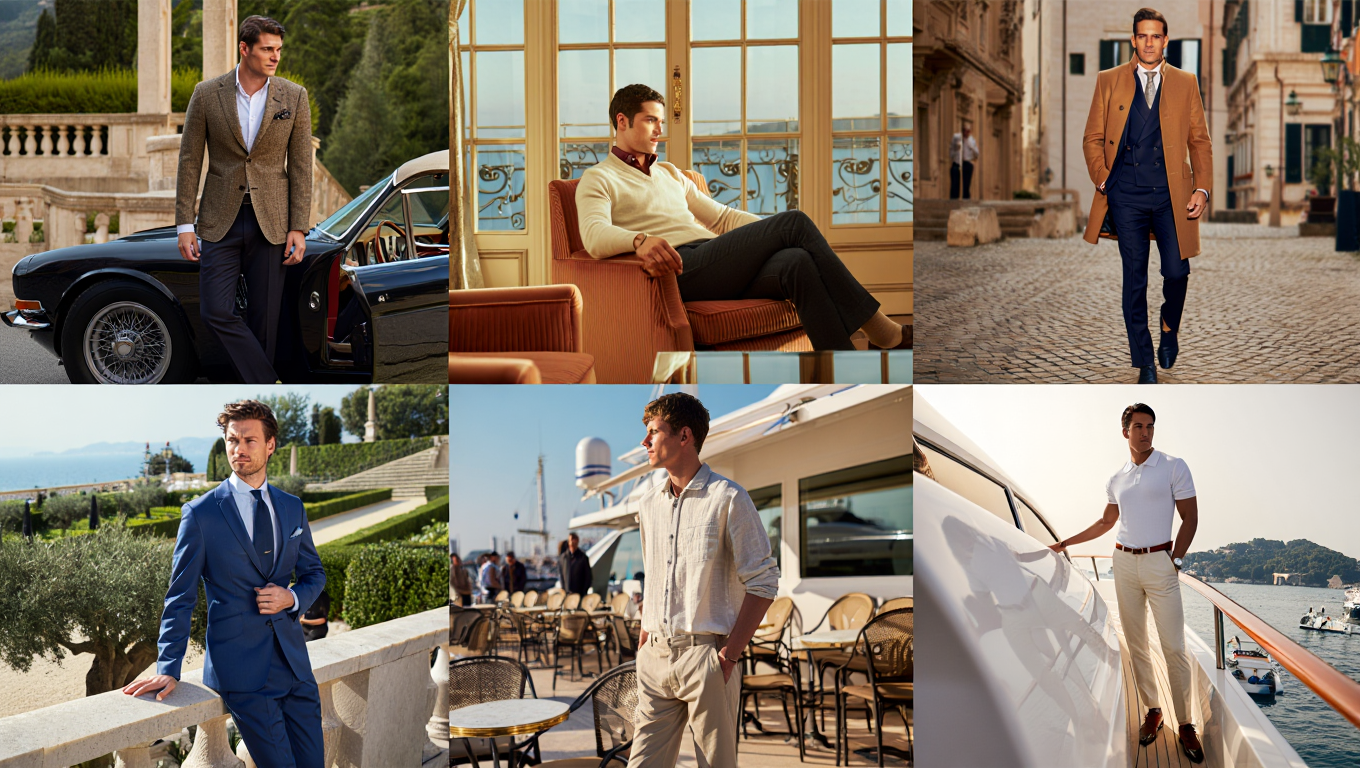
A camel overcoat is one of the most iconic and most consistently powerful old money outerwear choices available. It broadcasts confidence, pairs with every suit color, and suits both formal and smart casual settings with the same authority. A classic wool trench coat in navy or charcoal adds sophisticated metropolitan quality to any old money combination. The duffle coat brings maritime heritage and heavy wool construction that makes it both visually distinctive and genuinely functional. A tweed blazer or sport coat suits countryside-inspired old money dressing specifically and projects intellectual character alongside heritage quality. Investing in one or two genuinely exceptional coats in neutral tones ensures the old money aesthetic remains visually consistent and quietly powerful from the first cold day of autumn through the end of winter.
Accessories: Finishing Touches That Add Polish Without Noise
View this post on Instagram
Accessories complete old money style outfits without ever overpowering them, and the governing principle is simple: choose pieces that add polish and quiet character rather than steal visual attention from the overall composition.
A classic timepiece with a round dial and leather strap is the most universally appropriate old money watch choice. A slim metal-bracelet watch works equally well within the aesthetic. Cufflinks should be understated: plain gold, silver, or simple engraved designs. A smooth leather belt with a minimal buckle anchors any outfit without drawing unnecessary attention. A silk pocket square adds a quiet touch of color and texture to a blazer breast pocket without feeling excessive or theatrical. Eyewear in tortoiseshell, black, or clean metal frames with classic proportions suits the old money aesthetic consistently. A structured leather bag or monogrammed carry piece adds quiet personality and practical purpose. Keep every accessory choice minimal, high-quality, and genuinely purposeful. Each item should earn its place within the overall refined harmony of the combination.
Casual Old Money Outfits: Relaxed Without Losing Refinement
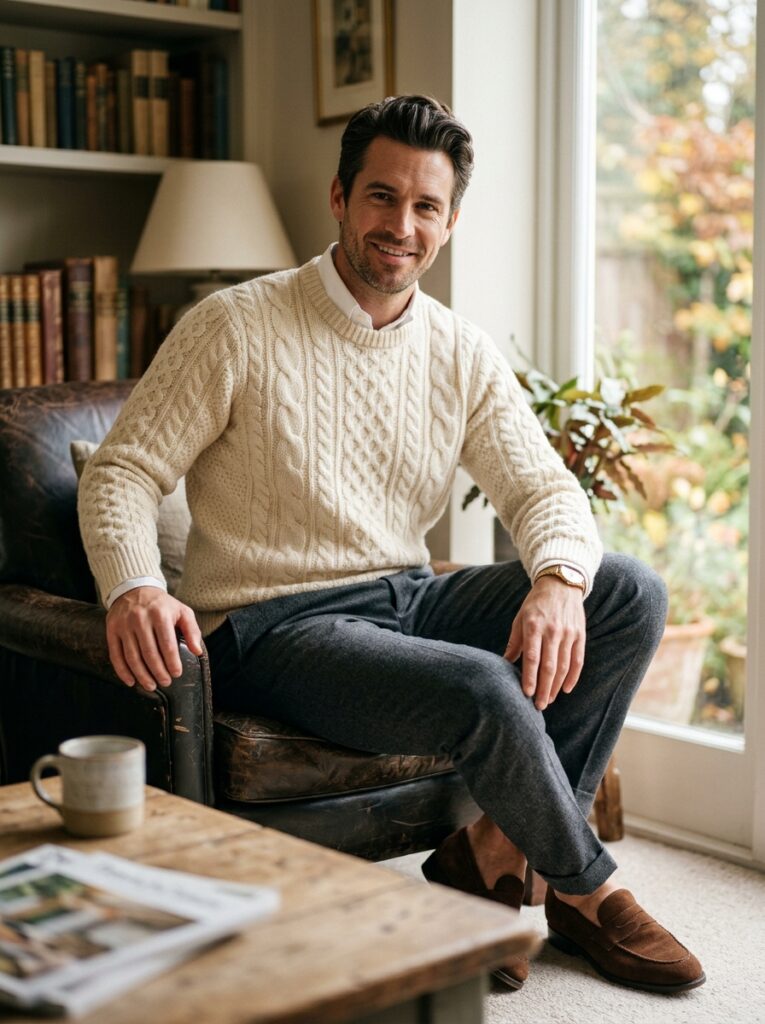
Old money style extends into casual settings without losing its fundamental character when the right pieces are chosen. The key is maintaining the same quality, color discipline, and intention even when the occasion requires less structure.
A cable-knit cream sweater with tailored wool trousers and suede loafers creates a beautifully relaxed old money casual combination. A navy shawl-collar cardigan over a light blue Oxford shirt with white chinos delivers a smart casual result that works for weekends and informal social gatherings without any difficulty. A white polo layered under a varsity-inspired jacket with slim chinos and minimal white sneakers brings a youthful, collegiate energy that still sits firmly within the old money aesthetic at a more casual register.
Joggers, heavily distressed denim, loud graphic tees, and oversized hoodies all conflict directly with the refined, cultivated tone that defines old money style. Even on the most casual day, every piece in an old money wardrobe should feel considered, made from quality materials, and quietly confident in its understatement.
Building an Old Money Wardrobe on a Realistic Budget
View this post on Instagram
Building old money style does not require unlimited spending. It requires a disciplined, strategic approach to every purchase that prioritizes fewer, better pieces over a larger collection of disposable fashion.
Start with four foundational pieces: a white Oxford shirt, navy chinos, grey trousers, and a quality crewneck sweater. These four items alone combine into multiple sophisticated outfits immediately and provide the neutral base from which every other old money combination grows. Quality thrift stores and second-hand luxury platforms regularly carry heritage pieces in wool, cashmere, and quality cotton at significantly lower prices than retail without any sacrifice in material quality or longevity.
Always prioritize fit above price point. A moderately priced suit or jacket that fits correctly always looks more expensive than an expensive garment worn in the wrong size. Allocate a modest budget for professional tailoring adjustments on key purchases. One well-fitted affordable blazer consistently outperforms an ill-fitting expensive one in every environment where the old money aesthetic matters. Old money is ultimately about intention and quality over price tags, every time.
Common Mistakes Men Make with Old Money Style

Wearing visible logos is the most common and most damaging error. Old money style depends entirely on minimal or invisible branding. Large logos immediately undermine the aesthetic at every level regardless of the quality of the garment itself.
Poor fit is the second most frequent mistake. Baggy suits, oversized shirts, and ill-fitting trousers destroy the refined silhouette that old money style depends on entirely. No amount of quality fabric compensates for clothes that do not fit the body wearing them correctly.
Mixing too many bold colors or introducing trend-driven pieces into the palette conflicts with the muted, neutral foundation that the aesthetic depends on. Neglecting grooming is a significant oversight that undermines even the most carefully assembled old money outfit. A neat classic haircut, trimmed facial hair, and polished shoes are as important as any piece of clothing in communicating the overall impression. Cheap synthetic fabrics that pill, stretch, and age poorly betray the aesthetic from the first wear. Genuine quality materials, disciplined style choices, and consistent personal grooming are what separate an authentic old money appearance from a superficial imitation.
Why Old Money Style Is the Most Enduring Men’s Fashion Choice
View this post on Instagram
Old money style is a genuine counter-strategy to disposable, algorithm-driven fashion. While trends come and go rapidly, the old money aesthetic remains permanently relevant because it is built on principles that do not change with seasons or platform algorithms.
A navy blazer and penny loafers outlive every viral drop. Quality cashmere and fine wool outlast dozens of synthetic garment replacements. The old money wardrobe becomes more economical over time despite its higher upfront investment because the pieces simply do not need replacing. The environmental benefit is equally significant: buying intentionally and well reduces manufacturing waste and the constant repurchase cycle that fast fashion creates without end.
Well-maintained old money garments age into genuine assets rather than becoming waste. A quality leather shoe develops rich patina. A cashmere sweater softens and improves with years of regular wear. Old money style is not simply a fashion choice. It is a considered philosophy about how a man chooses to present himself, invest his resources, and engage with the world through genuinely lasting, quietly confident, and elegantly refined personal style.