The Hidden Benefits of Proper Bathroom Ventilation
Most of us never think about bathroom ventilation until something goes wrong. Maybe you notice a patch of mold creeping along the ceiling, or the mirror stays fogged long after your shower, or there is a musty smell that just will not leave. By the time these signs appear, the problem has usually been building quietly for a while.
I learned this the hard way in an old apartment where the bathroom fan barely worked. Within a year, the paint was peeling, the grout had turned dark, and the whole room felt damp no matter what I did. That experience taught me how much a small, overlooked fan actually does for a home. Good ventilation is not just about clearing steam. It protects your health, your house, and your wallet in ways most people never realize.
This article breaks down the real benefits of proper bathroom ventilation, why it matters more than you might think, and how to make sure yours is doing its job.
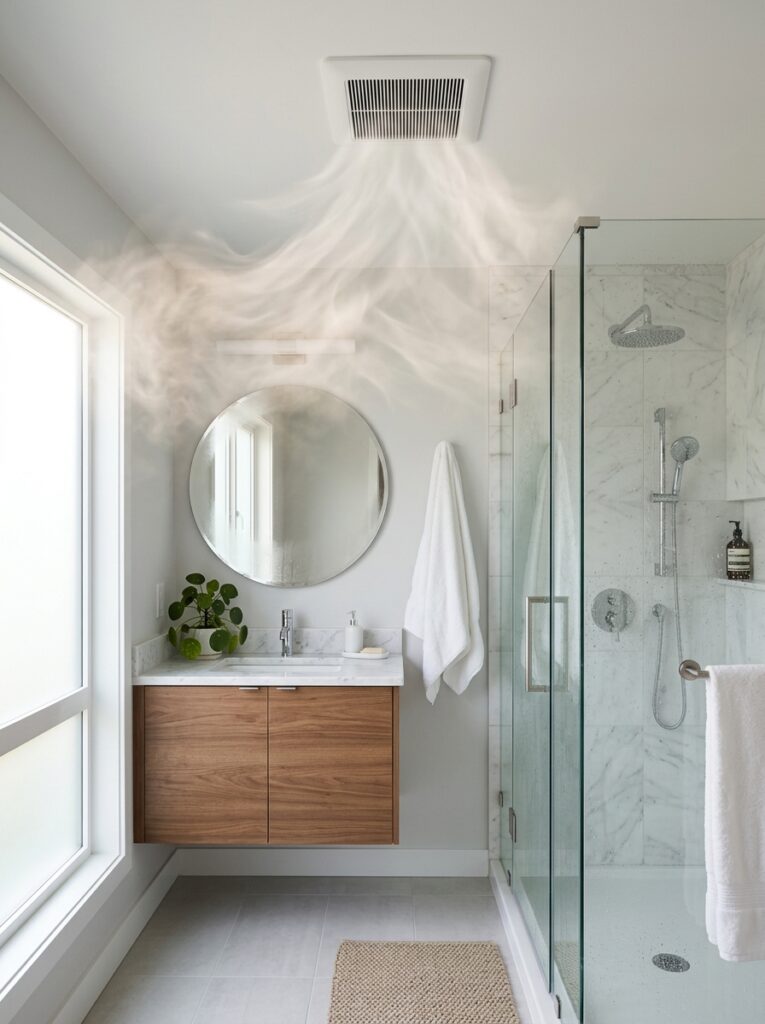
A bathroom is one of the most humid spaces in any home. Every shower, bath, and even running the hot tap releases moisture into the air. Without a way for that moisture to escape, it lingers, settles on surfaces, and soaks into materials that were never meant to stay wet.
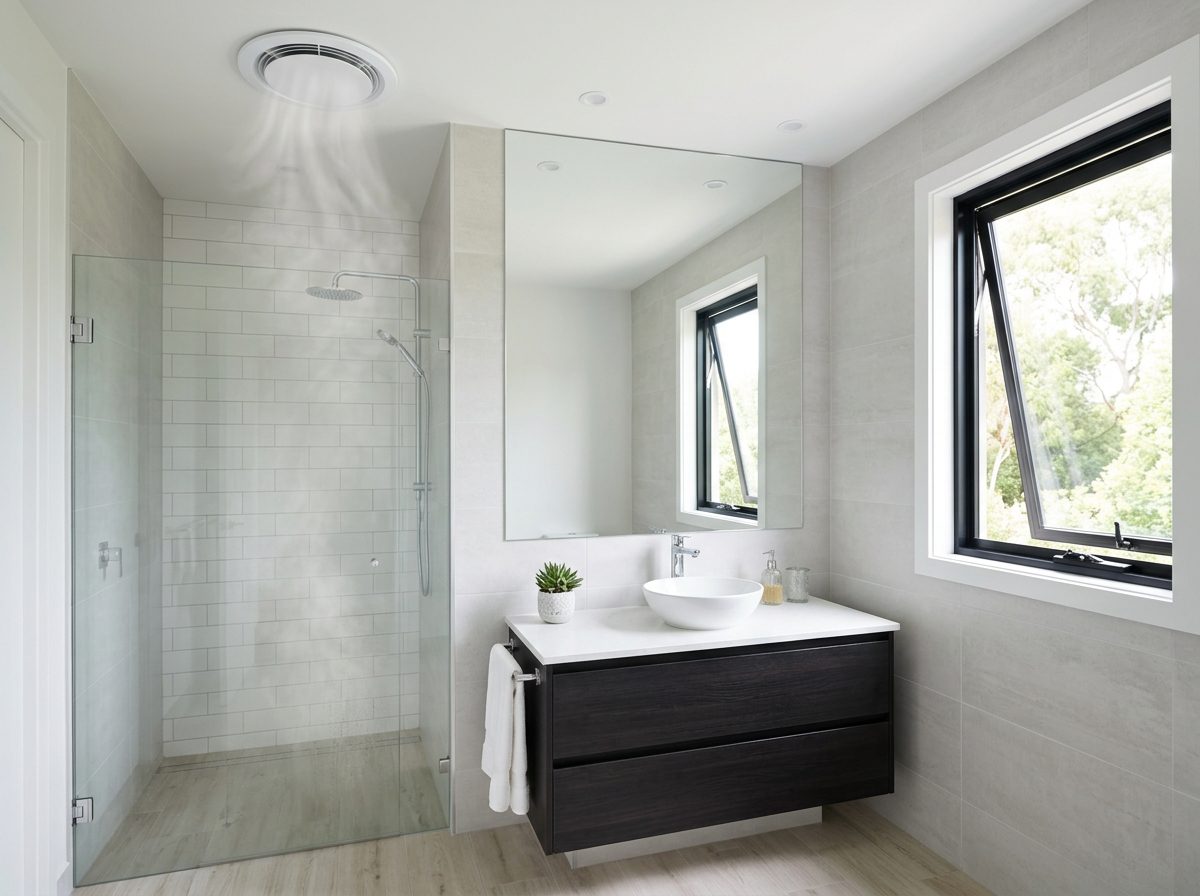
Proper ventilation removes that damp air and replaces it with drier air from the rest of the house or outside. This simple exchange prevents a long list of problems before they ever start. Think of it as the lungs of your bathroom. When it breathes well, everything stays healthier.
The trouble is that ventilation works silently in the background, so it is easy to take for granted. You only notice it once it stops working. That is exactly why understanding its benefits ahead of time can save you a lot of stress and money down the road.
The most obvious benefit of good ventilation is keeping mold and mildew at bay. Mold loves warm, damp, still air, and a poorly ventilated bathroom gives it the perfect home.
Once mold takes hold, it spreads fast. It clings to grout, caulk, ceilings, and even behind walls where you cannot see it. Removing it is a frustrating, repetitive chore, and some types can be genuinely difficult to fully eliminate.
A working exhaust fan pulls the humid air out before mold gets a chance to settle. When you run the fan during and after a shower, you dramatically cut down the moisture that mold depends on. This one habit alone can be the difference between a clean bathroom and a constant battle with black spots in the corners.
Mildew, the lighter cousin of mold, follows the same rules. It thrives in damp conditions and leaves that telltale musty smell. Proper airflow stops it from getting comfortable in the first place.

This benefit does not get talked about enough, but it might be the most important one. The air in a damp, poorly ventilated bathroom can affect your health more than you would expect.
Mold and mildew release spores into the air. Breathing these in regularly can trigger allergies, irritate the respiratory system, and cause problems for people with asthma or sensitive lungs. In a room you use every single day, that exposure adds up.
Excess humidity also creates a friendlier environment for dust mites and certain bacteria. A bathroom that stays damp simply is not as clean as one that dries out properly between uses, no matter how often you scrub it.
Good ventilation keeps the air fresher and reduces these airborne irritants. For families with young children, older adults, or anyone with respiratory concerns, this is a quiet but meaningful health benefit that comes from something as simple as an exhaust fan running a few extra minutes.
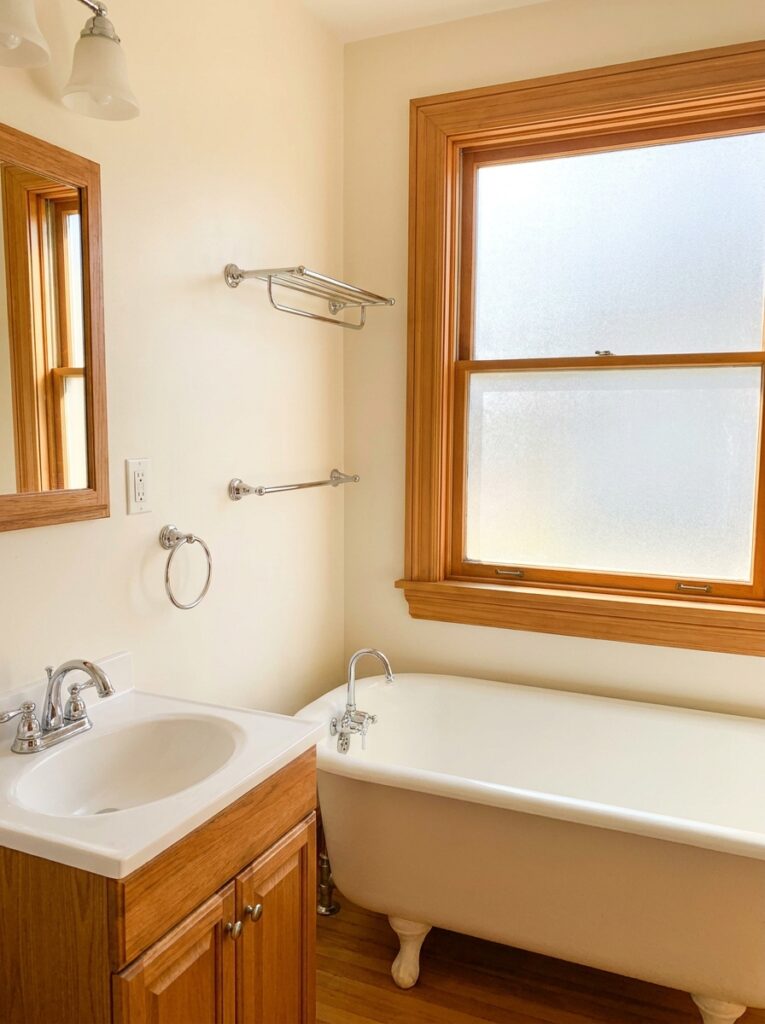
Moisture is one of the most destructive forces in a home, and it does its damage slowly and out of sight. A bathroom without proper ventilation becomes a steady source of that moisture, and over time it works its way into everything.
Paint begins to bubble and peel. Wallpaper loosens at the seams. Wood trim swells and warps. Metal fixtures and hinges start to rust. None of this happens overnight, which is exactly why it sneaks up on people.
The hidden damage is often the worst part. Moisture can seep into drywall, insulation, and the structure behind your walls. Once that happens, repairs get expensive and complicated. What started as a foggy mirror can eventually turn into a costly renovation.
Ventilation interrupts this whole process. By pulling humid air out quickly, it keeps surfaces and structures dry. Your paint lasts longer, your fixtures stay in better shape, and the bones of your home stay protected. In the long run, a working fan is one of the cheapest forms of home insurance you can have.

There is a reason a well-ventilated bathroom simply feels nicer to be in. When air moves freely and moisture clears out, the whole space stays cleaner with less effort.
Surfaces dry faster, so soap scum and water spots have less time to build up. Grout stays lighter. Mirrors and windows are not constantly coated in condensation. That heavy, sticky dampness that hangs in the air after a shower disappears much faster.
Odors are another big one. A poorly ventilated bathroom traps smells and lets them linger. Good airflow clears the air quickly, keeping the room smelling fresh without relying on heavy sprays or plug-in fresheners.
The end result is a bathroom that needs less scrubbing and feels more pleasant day to day. You spend less time cleaning and more time enjoying a space that actually feels clean.
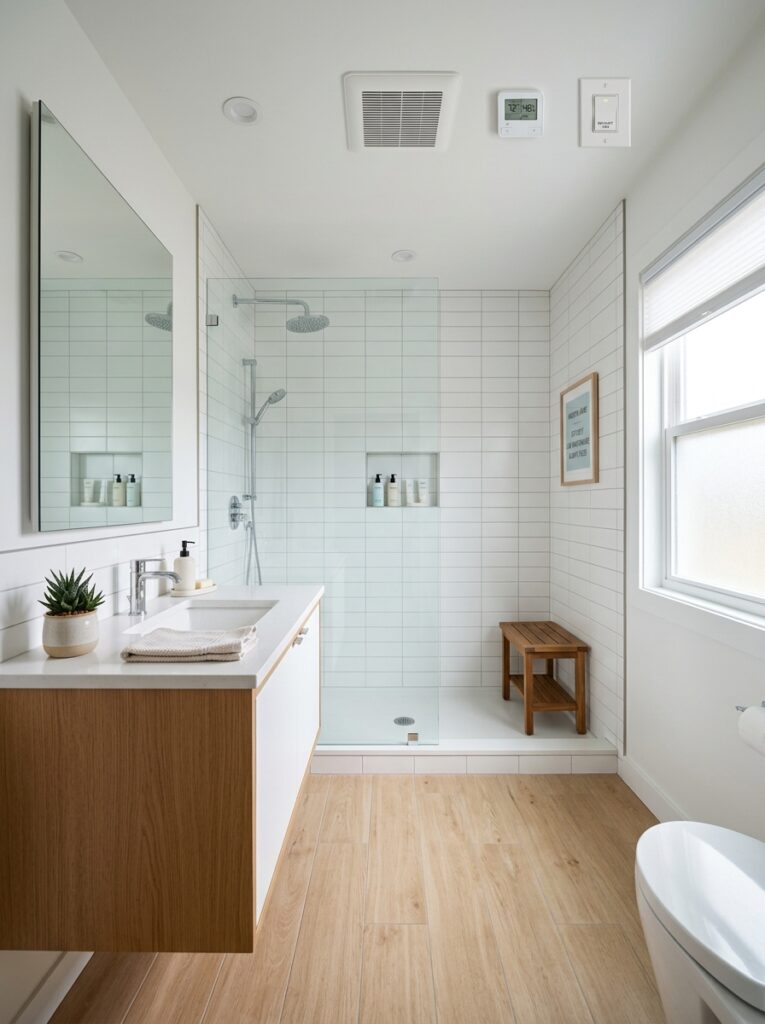
It might seem like running an exhaust fan adds to your energy bill, but the bigger financial picture tells a different story. Proper ventilation can actually save you money over time.
Consider the cost of fighting mold, repainting damaged walls, replacing warped trim, or repairing water-damaged drywall. These expenses add up far beyond the tiny amount of electricity a fan uses. Prevention is almost always cheaper than repair.
There is also a comfort and efficiency angle. Excess humidity can make a home feel warmer and stickier than it actually is, which sometimes leads people to crank up the air conditioning. Removing that moisture helps your home feel more comfortable without overworking your cooling system.
When you weigh the small running cost of a fan against the major costs it prevents, ventilation is one of the smartest low-effort investments in home maintenance.
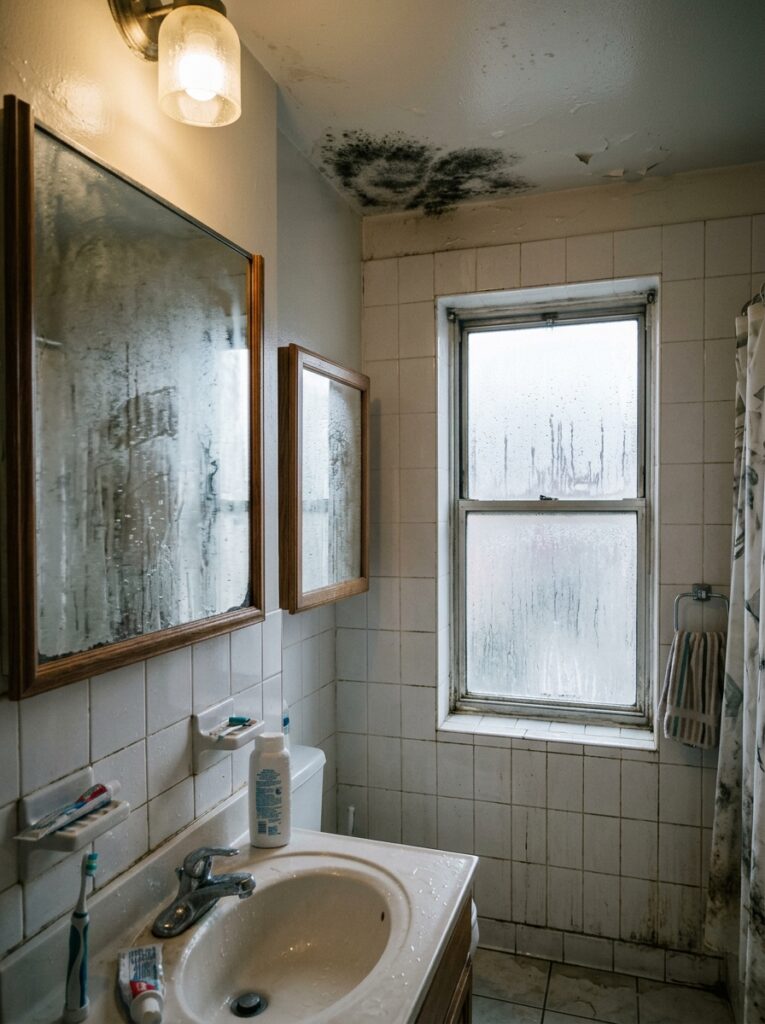
Knowing the warning signs helps you catch problems before they grow. Your bathroom often tells you when ventilation is falling short, if you know what to look for.
- The mirror stays fogged for a long time after a shower.
- There is a persistent musty or damp smell.
- You spot mold or mildew on the ceiling, grout, or caulk.
- Paint is peeling or bubbling, especially near the ceiling.
- Condensation forms on the walls or windows regularly.
- The room feels humid even hours after use.
If you notice several of these, your ventilation likely needs attention. It could be a fan that is too weak for the space, a clogged or dirty fan, ductwork problems, or simply not running the fan long enough.
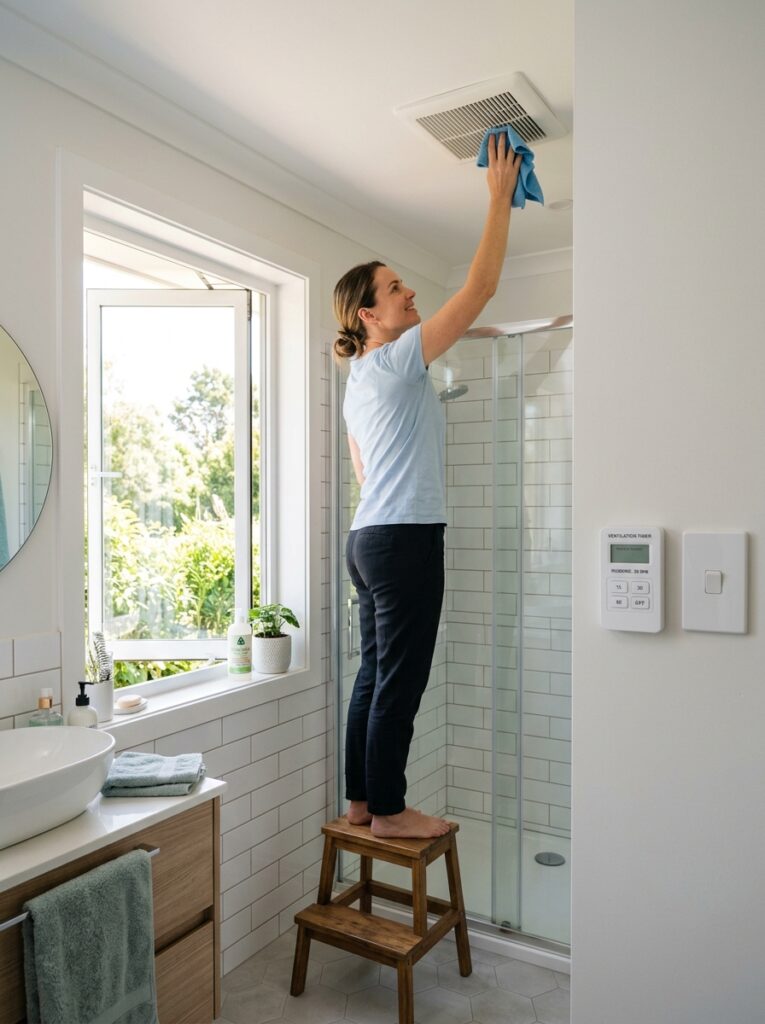
Improving your ventilation does not have to be complicated or expensive. A few simple habits and small upgrades make a real difference.
- Run the exhaust fan during your shower and keep it going for at least fifteen to twenty minutes afterward to clear lingering moisture.
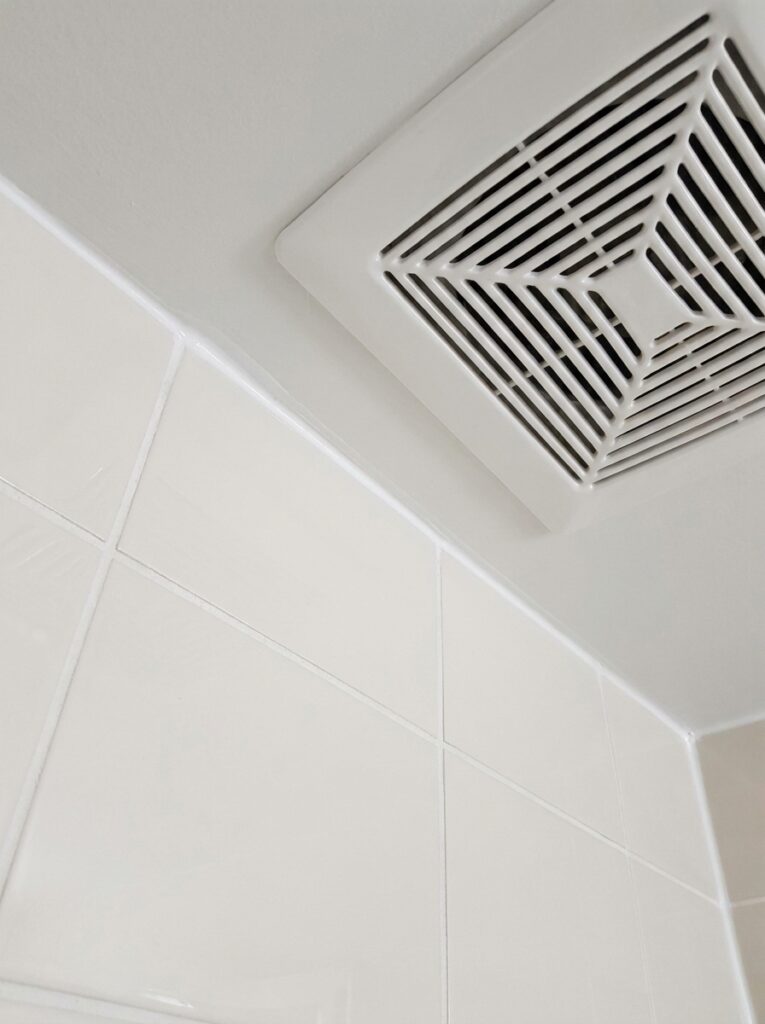
- Clean your fan regularly. Dust buildup reduces its effectiveness, so wipe the cover and vacuum the grille every few months.
- Open a window when the weather allows it. Natural cross ventilation works wonderfully alongside a fan.
- Make sure your fan vents to the outside, not into the attic. Venting into an enclosed space just moves the moisture problem somewhere else.
- Use a timer switch so the fan runs long enough without you having to remember to turn it off.
- Wipe down wet surfaces after a shower to help the room dry faster.
If your fan is old, weak, or noisy, consider upgrading to a properly sized model. A fan that matches your bathroom size will clear moisture far more effectively than an undersized one struggling to keep up.
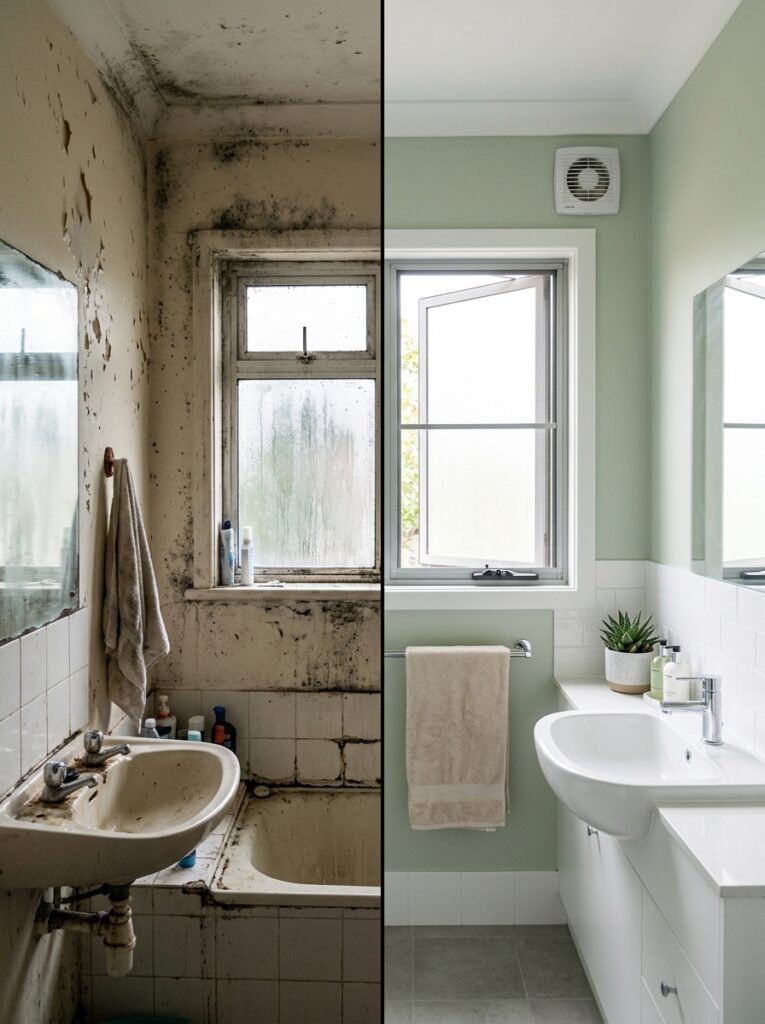
Even people who know ventilation matters often make a few avoidable errors that hold them back.
The most common mistake is turning the fan off the moment the shower ends. Most of the moisture is still hanging in the air at that point. The fan needs those extra minutes afterward to actually do its job.
Another frequent error is ignoring fan maintenance entirely. People assume a fan works forever, but dust, lint, and grime slowly choke its performance. A neglected fan might be running while barely moving any air at all.
Some homeowners also rely on an undersized fan for a large bathroom. If the fan cannot handle the room, it will never keep up with the moisture, no matter how long it runs.
Venting the fan into the attic instead of outside is a serious and surprisingly common problem. This traps moisture inside the home and can lead to attic mold and structural damage, the very issues ventilation is supposed to prevent.
Finally, some people skip ventilation in small or windowless bathrooms, assuming it is not necessary. In reality, those enclosed spaces need it the most, since they have no other way for moisture to escape.
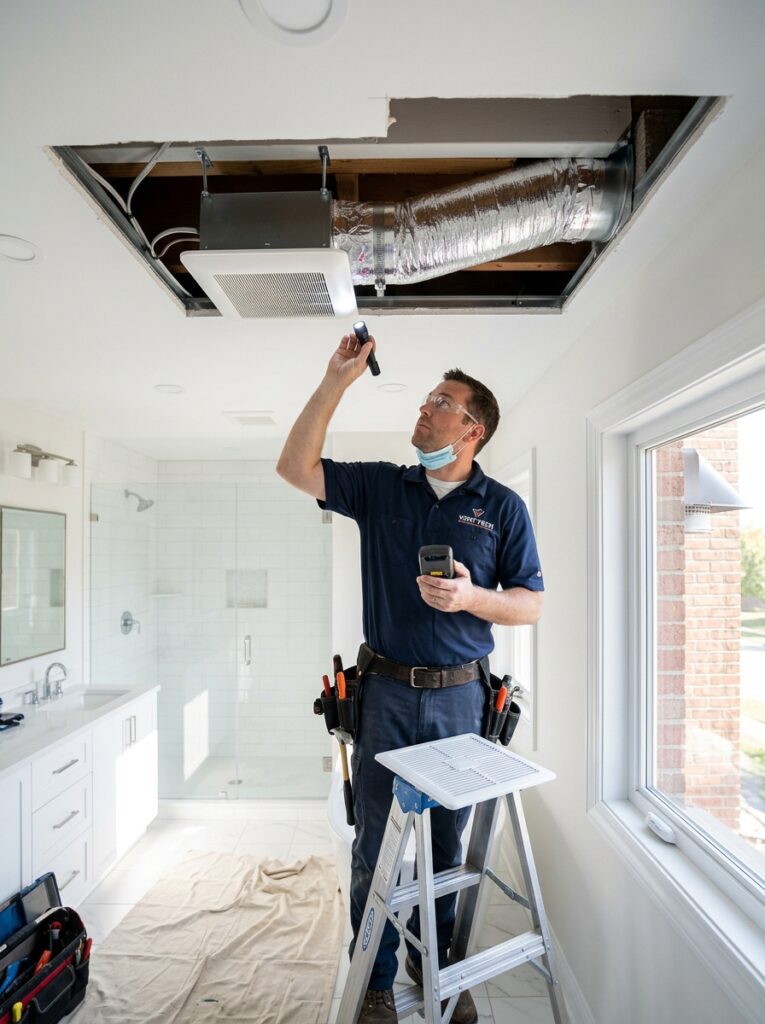
Professionals in home maintenance tend to agree on a few key points worth keeping in mind. The first is that ventilation should be treated as essential infrastructure, not an optional add-on. A bathroom without a real moisture removal plan is asking for trouble eventually.
Experts also stress proper fan sizing. Ventilation fans are rated for how much air they move, and matching that rating to your room size makes all the difference. A correctly sized fan does its job quietly and efficiently, while an undersized one fails no matter how hard it works.
Another point professionals raise is the importance of the ductwork, not just the fan itself. A great fan connected to crushed, leaky, or overly long ducting will still underperform. The whole system has to work together to move moisture all the way outside.
Finally, experienced builders point out that consistency beats intensity. Running your fan reliably with every shower does more good than occasional heavy use. Ventilation is most effective as a steady daily habit rather than an afterthought.
Frequently Asked Questions
How long should I run my bathroom fan after a shower?
Aim for at least fifteen to twenty minutes after you finish. This gives the fan enough time to remove the moisture still lingering in the air, which is when most of the damage prevention happens.
Is bathroom ventilation necessary if I have a window?
A window helps, but it is not always enough on its own, especially in cold or humid weather when you may not want it open. An exhaust fan provides reliable, consistent moisture removal regardless of the weather.
Can poor bathroom ventilation really affect my health?
Yes. Excess moisture encourages mold and mildew, which release spores that can irritate the respiratory system and trigger allergies or asthma. Good ventilation keeps the air cleaner and healthier.
Where should a bathroom fan vent to?
Always to the outside of your home. Venting into the attic or another enclosed space simply traps the moisture indoors and can cause hidden mold and structural damage.
How do I know if my fan is strong enough?
If your mirror stays fogged for a long time, the room feels humid well after use, or moisture lingers despite running the fan, it may be undersized or in need of cleaning. Matching the fan to your bathroom size solves most of these issues.
Conclusion
Bathroom ventilation is one of those things that quietly protects your home and health every single day without asking for any attention. It prevents mold, guards your air quality, shields your walls and fixtures from moisture damage, keeps the space cleaner, and saves you money on repairs over time. For something so simple, the payoff is remarkable.
The best part is that improving your ventilation usually takes very little effort. Run your fan a little longer, keep it clean, make sure it vents outside, and pay attention to the warning signs. These small habits add up to a healthier, fresher, and longer-lasting home. Once you understand everything that proper ventilation does behind the scenes, you will never take that little fan for granted again.