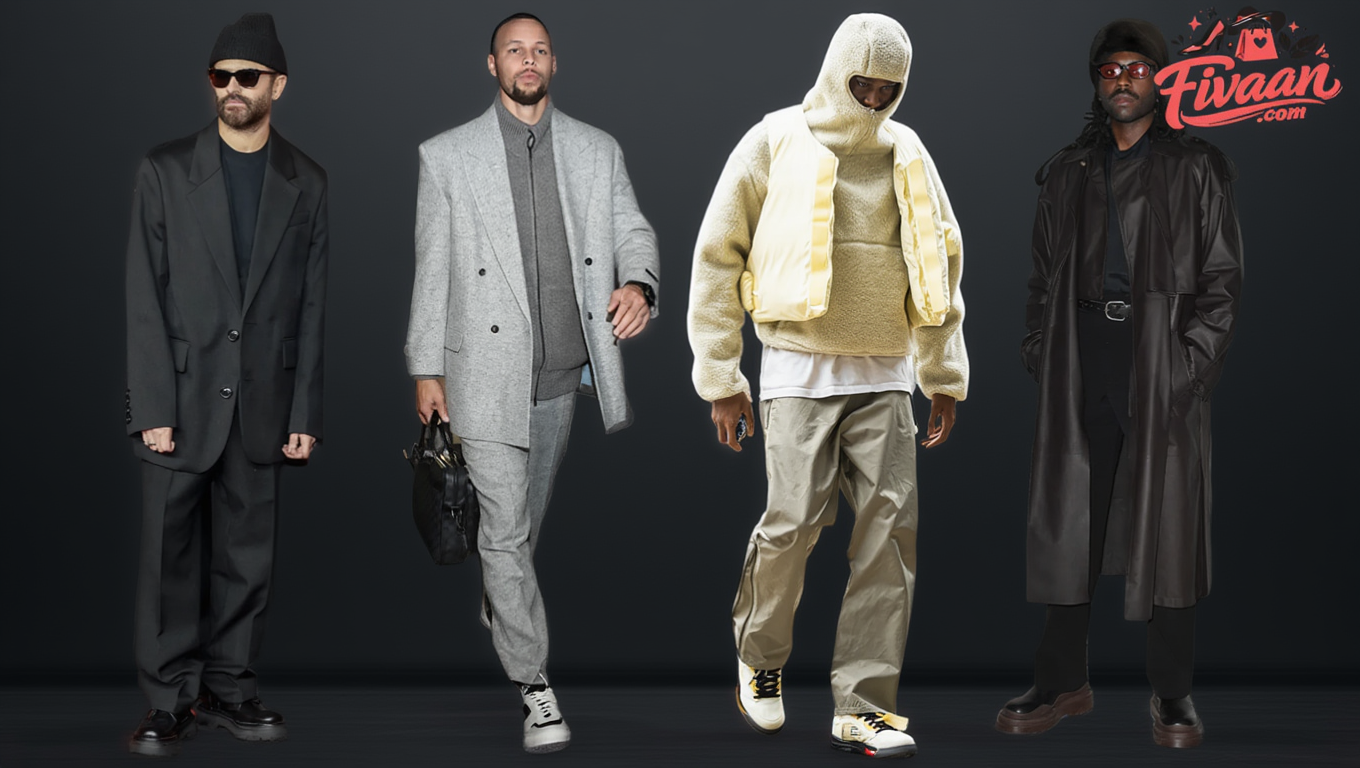
Best Monochrome Outfits for Men: Minimal Fashion That Looks Sharp
Monochrome Outfits for Men: Why One Color Always Wins
Monochrome dressing is one of those style approaches that looks effortless from the outside and takes genuine understanding to execute consistently well. When it works, it looks like the most considered thing a man can wear. When it does not, it looks like he got dressed in the dark.
The principle is simple. Wear a single color, or closely related tones of the same color, across every piece in the outfit. The result is a clean, unified silhouette that communicates intentionality and quiet confidence without any busy coordination effort. The interest comes from fabric variation, tonal depth, and proportion rather than color contrast.
Monochrome outfits also remove the daily decision fatigue of matching colors. When everything is the same family of tone, the only variables worth thinking about are fit, texture, and occasion. This guide covers every color worth building a monochrome outfit around, and the specific principles that make each one work.
All Black: The Most Powerful Single Color in Men’s Fashion
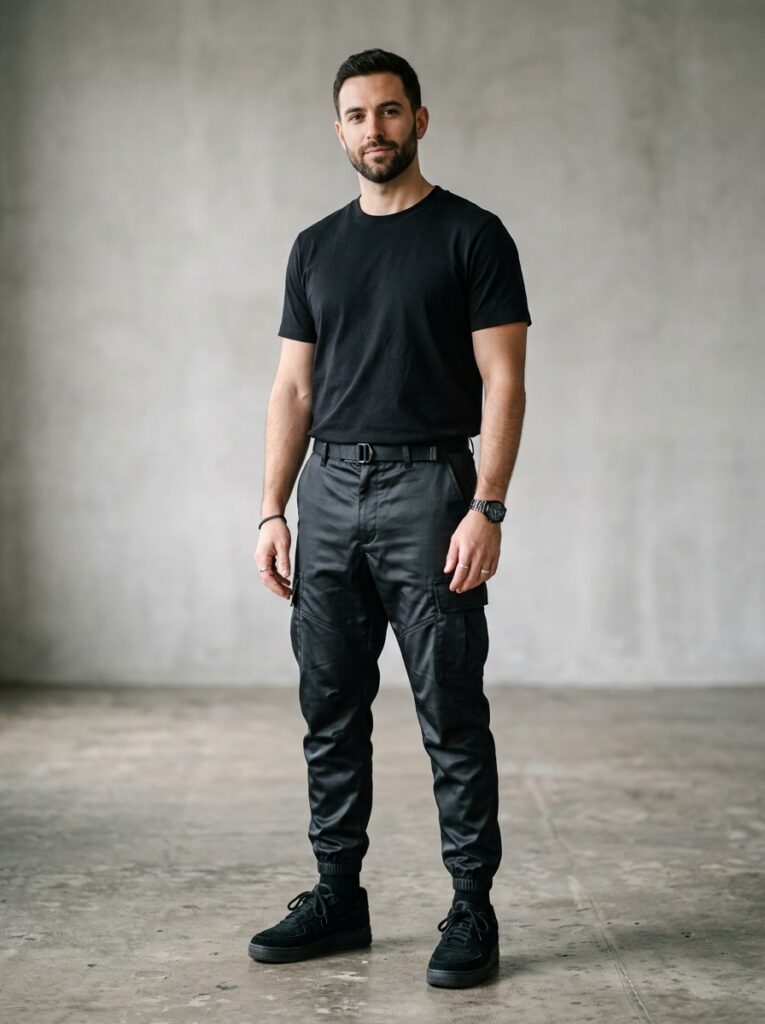
An all-black outfit is the monochrome combination that most men try first and keep returning to. It solves more styling problems simultaneously than any other single color choice.
Black makes every silhouette look more defined. Every fit looks more intentional. Every transition between pieces looks seamless because there is no color contrast to manage between them. The question with an all-black outfit is never whether it works. It always works. The real question is whether it is interesting.
The interest comes from texture and fabric variation across the pieces. A matte jersey tee against a slightly sheen technical trouser against a suede or leather shoe creates the visual variation that keeps an all-black outfit from reading as flat. A structured black blazer over a black turtleneck over slim black trousers reads as editorial and considered. Black denim with a black overshirt reads as effortlessly casual. All-black is not a lazy choice. It is a deliberate one that consistently rewards the man who understands how to layer it correctly.
All White: Clean, Confident, and Impossible to Ignore
View this post on Instagram
An all-white outfit requires a specific kind of confidence, and that requirement is part of what makes it so striking when worn correctly. White communicates openness, cleanliness, and a particular ease with one’s own appearance that darker, more protective color choices do not carry in the same way.
A white linen shirt over white trousers with white leather shoes or sneakers, when every piece sits in the same white family and the fit of each piece is right, reads as deliberately composed rather than accidentally matching. The practical reality of keeping white clean is a genuine consideration. But it is also precisely what makes wearing it confidently feel like a statement.
White reads best in summer and in warm climates where the color reflects light beautifully. In natural fabrics like linen, cotton twill, and clean leather, the all-white monochrome outfit has a depth and a quality that its apparent simplicity does not immediately suggest.
All Grey: The Understated Look That Always Reads as Intelligent
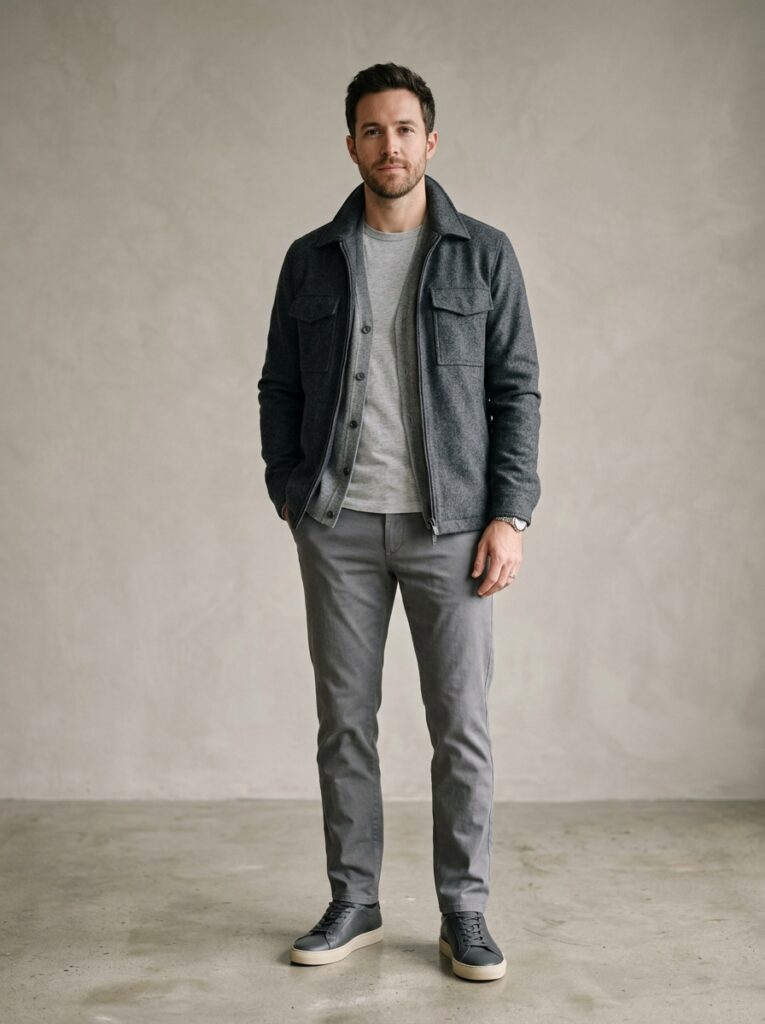
Grey is the monochrome color that most men overlook because it sits quietly between the boldness of black and the confidence of white. It does not announce itself in the way either of those do. That quietness is its strength.
An all-grey outfit built across different depths of tone, like a light grey tee, mid-grey trousers, and a charcoal jacket, creates a tonal range within a single color family that reads as sophisticated and considered. The range within grey is surprisingly wide. A pale dove grey against a deep charcoal within the same outfit creates a tonal contrast that is subtle enough to feel cohesive and distinct enough to be visually interesting.
Grey suits almost every skin tone and works across casual, smart casual, and formal contexts without significant adjustment. It is the monochrome choice for men who dress with real thought rather than for immediate visual impact.
All Navy: The Deep Tonal Look That Photographs Beautifully
View this post on Instagram
Navy works as a true alternative to black for monochrome dressing because it carries the same visual weight and the same ability to make a silhouette look defined and considered. The difference is that navy adds a warmth and depth that pure black does not have.
An all-navy outfit, combining navy tee or shirt, navy trousers or chinos, and navy shoes, creates a tonal look that reads as polished and deliberate. It has a slightly more approachable and warm quality that makes it suit a wider range of occasions and skin tones than all-black. Navy also photographs particularly well, which matters for anyone who cares about how an outfit reads in images.
The tonal variation within navy, from pale chambray to deep midnight, allows the same layering principle that makes all-grey interesting to work equally well within a navy monochrome palette.
All Beige: The Neutral That Looks Expensive Without Trying
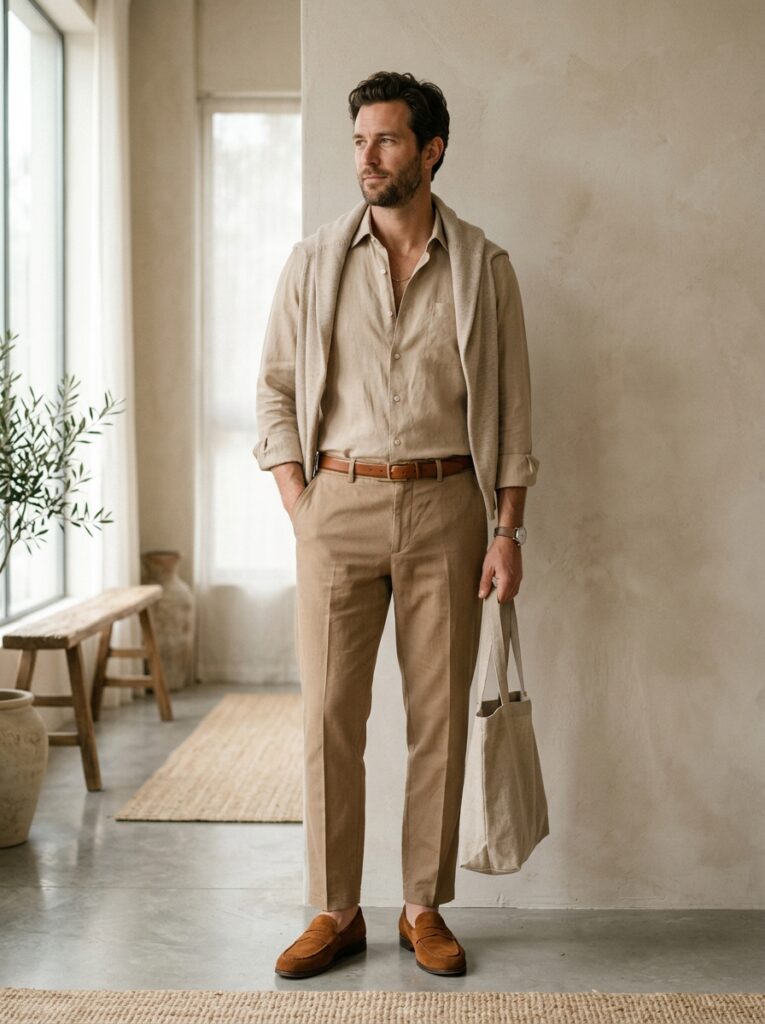
Beige as a monochrome outfit color has had a significant moment in contemporary menswear because it manages to look simultaneously minimal and expensive. That combination takes considerably more effort to achieve with brighter, more saturated colors.
An all-beige outfit in natural fabrics, like a linen shirt in warm sand, tailored trousers in a deeper tan, and suede shoes in cognac, reads as relaxed luxury rather than deliberate minimalism. The warmth of the beige palette suits most skin tones and sits particularly well in natural light.
The key to an all-beige outfit looking deliberate rather than accidental is variation in the depth of tone across the pieces. A lighter top against darker trousers, or a mid-tone throughout with a darker shoe anchoring the outfit at the bottom, both work well. When every piece is exactly the same shade the outfit can read as washed out. When the tones vary within the beige family it reads as intentionally composed.
All Brown: The Earth Tone That Grounds Every Look
View this post on Instagram
Brown as a monochrome outfit choice is underused in men’s fashion and consistently impressive when done correctly. The depth and warmth of brown, from a pale camel through a rich chocolate, creates a palette that reads as natural and grounded in a way that cooler neutrals like grey and navy do not quite match.
An all-brown monochrome outfit built across different depths of the same warm tone, like a cream or light tan tee, mid-brown trousers, and dark brown leather shoes, uses tonal variation to create visual interest while maintaining the clean single-color logic of monochrome dressing. Brown leather accessories, whether belt, watch strap, or bag, integrate naturally into this palette in a way that would read as coincidental in a different color combination.
For men who have not explored brown as a serious wardrobe color, building a monochrome outfit around it is the fastest way to understand what it is capable of.
All Olive Green: The Military-Inspired Tone That Always Looks Sharp
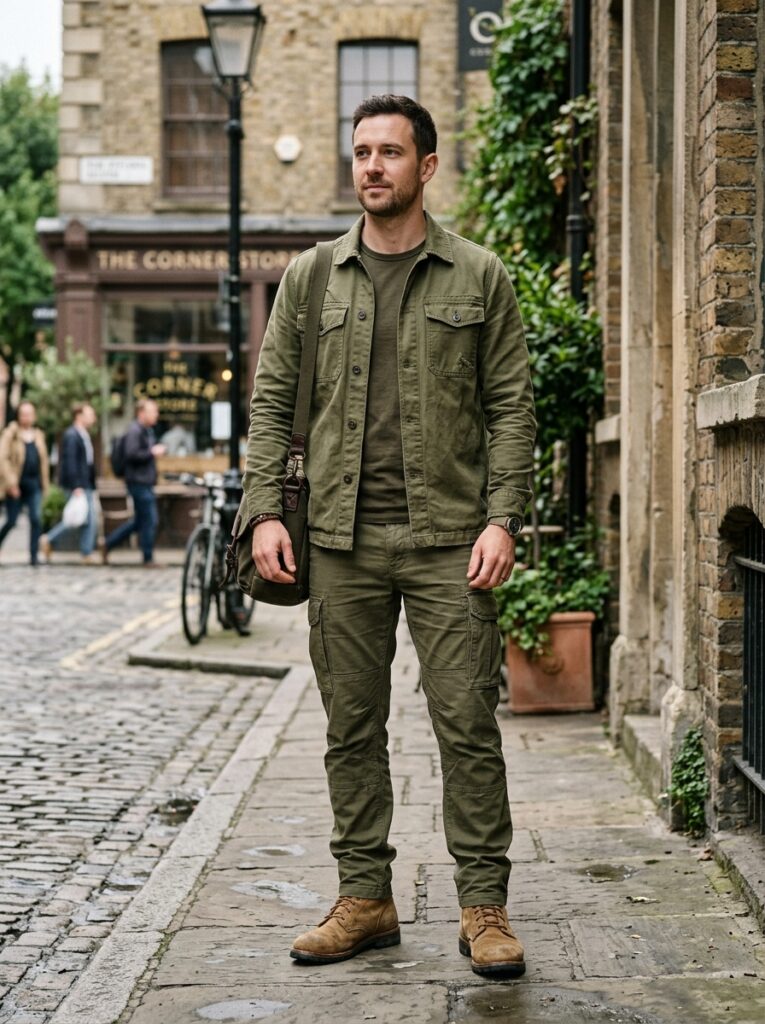
Olive green carries a military heritage and a contemporary streetwear relevance simultaneously. Built into a monochrome outfit, it creates a look with a quiet authority that few other single-color palettes achieve.
An all-olive outfit, combining an olive shirt or overshirt, olive cargo or chino trousers, and olive or tan footwear, reads as deliberate and considered without the severity of all-black or the conspicuousness of all-white. The earthy, muted quality of olive means it sits comfortably in outdoor contexts, urban environments, and any setting that benefits from a relaxed but put-together appearance.
The different textures available in olive, like a ripstop cargo fabric against a soft cotton tee against a suede shoe, provide the visual variation that makes a monochrome outfit genuinely interesting. Small variations toward tan or khaki within the outfit also read as tonal rather than mismatched, which adds depth to the palette without breaking its coherence.
Tonal Grey Suit: The Monochrome Formal Outfit Done at Its Best
View this post on Instagram
A tonal grey suit worn without a contrasting shirt or tie, specifically a mid-grey suit with a lighter grey shirt and no tie, is the monochrome approach to formal dressing that reads as considerably more forward-thinking than the conventional dark suit and white shirt combination.
The tonal grey removes the visual interruption of a contrasting shirt. This allows the suit’s silhouette and fabric to do all the work without being divided at the collar and lapel by a color break. The result is a formal outfit that looks cohesive and architectural in a way that a contrasted suit does not quite achieve.
It photographs exceptionally well for formal occasions because the single tonal range reads clearly and consistently at every distance. A white pocket square is the one accent that works within this combination without breaking the monochrome logic. The white sits close enough to the grey palette to feel continuous rather than contrasting.
All Black Streetwear: Urban Edge in a Single Color
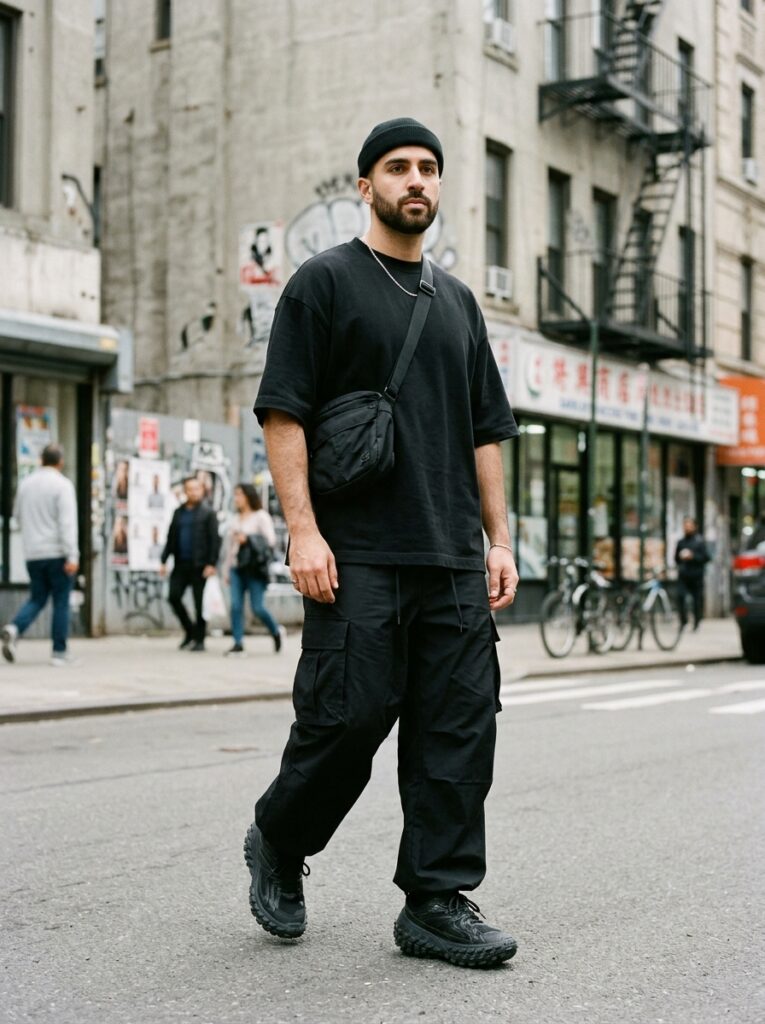
All-black in a streetwear context is a different outfit from all-black in a smart or formal context. The difference is entirely in the pieces and their silhouettes.
An all-black streetwear monochrome outfit, combining an oversized black tee, black joggers or wide-leg trousers, and black chunky sneakers or boots, has a visual weight and an urban authority that the same color in tailored pieces does not carry. The oversized proportions, the technical or casual fabrics, and the streetwear-specific footwear give the all-black palette a different kind of presence. It communicates an awareness of contemporary urban style rather than formal dressing conventions.
The interest within the outfit comes from the contrast between the different silhouettes and textures of each piece. A structured black overshirt against a softer black tee against a matte black technical trouser creates exactly the variation that keeps the monochrome from reading as flat.
All Camel: The Warm Luxury Tone for Autumn and Smart Dressing
View this post on Instagram
Camel is the monochrome color most directly associated with quality and luxury in men’s fashion. The fabrics that carry camel best, like fine wool, cashmere, and quality cotton, are themselves associated with investment dressing. That association reads in the finished outfit.
An all-camel outfit, combining a camel rollneck or fine-knit sweater, camel trousers, and tan leather shoes, creates a look that reads as quietly expensive in a way that few other color combinations achieve without significant wardrobe investment. The warmth of the camel palette suits autumn and winter contexts particularly well because the depth of the color works with the season’s light rather than against it.
Within the camel family, the tonal range from a pale honey through a deep tobacco allows the same layering variation that makes other monochrome palettes interesting. Camel is the monochrome choice that consistently impresses people who notice what they are looking at.
All Cream and Off-White: The Softer Alternative to All White
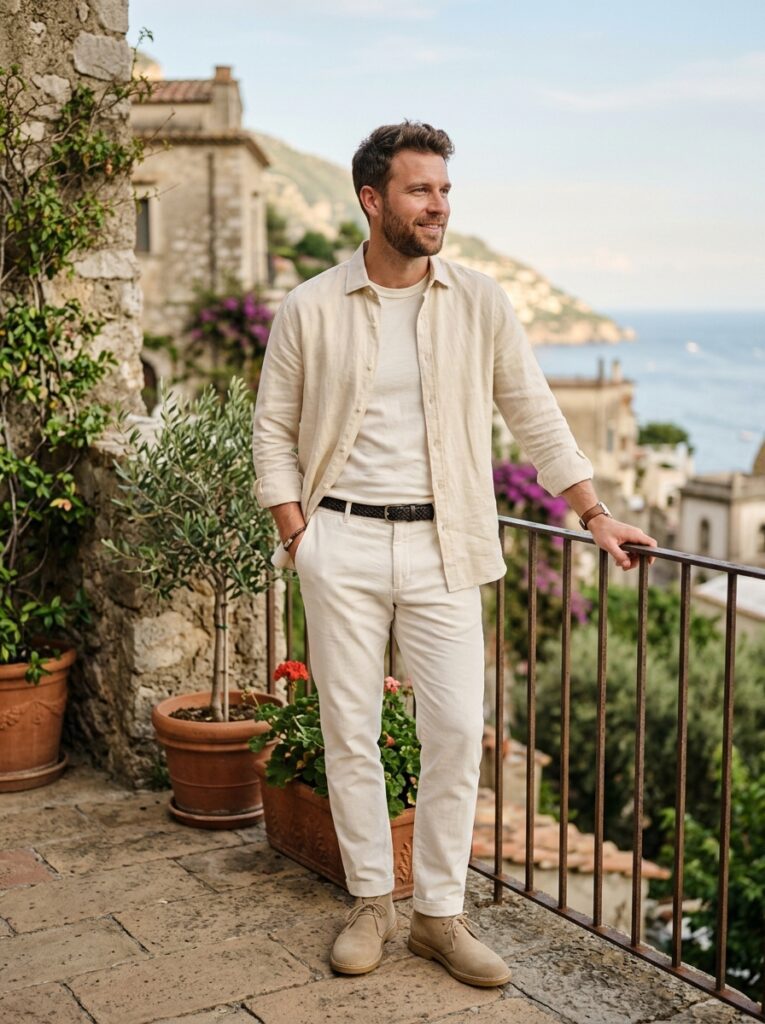
Cream and off-white as a monochrome palette offers all the visual lightness and confidence of an all-white outfit with a softer, warmer quality that is more forgiving in different light conditions and on different skin tones.
Where pure white can read as clinical or harsh in certain lights, cream and off-white always reads as warm and considered. A cream linen shirt with off-white chinos and tan or sand-colored shoes creates a tonal outfit that sits in the warm white family without the precision requirement of matching pure white across every piece.
The slight variations in tone between cream and off-white within the same outfit read as intentional rather than mismatched, which gives the combination more flexibility than pure white monochrome allows. For men who want the openness and ease of a light monochrome without the maintenance commitment of true white, cream and off-white is the more practical and equally elegant alternative.
Charcoal Layered: Dark Tones with Depth and Dimension
View this post on Instagram
Charcoal as a monochrome outfit base allows for a layered approach that creates more visual depth than an all-black outfit. The slight warmth and variation within the charcoal range provides tonal contrast between pieces that pure black does not.
A charcoal turtleneck under a darker charcoal coat over charcoal trousers creates three distinct but related tones within the same single-color outfit. The tonal layering gives the outfit a richness that a flat all-one-shade approach lacks. The depth of charcoal also allows it to work with both warm and cool undertones in different pieces without reading as mismatched, because the mid-dark range bridges between the two.
In fabrics with different surface qualities, like a wool knit, a technical outer layer, and a smooth trouser fabric, the charcoal monochrome layered outfit is the most sophisticated and dimensionally interesting version of dark-tone single-color dressing available.
All Burgundy: The Bold Tonal Choice That Makes a Real Statement
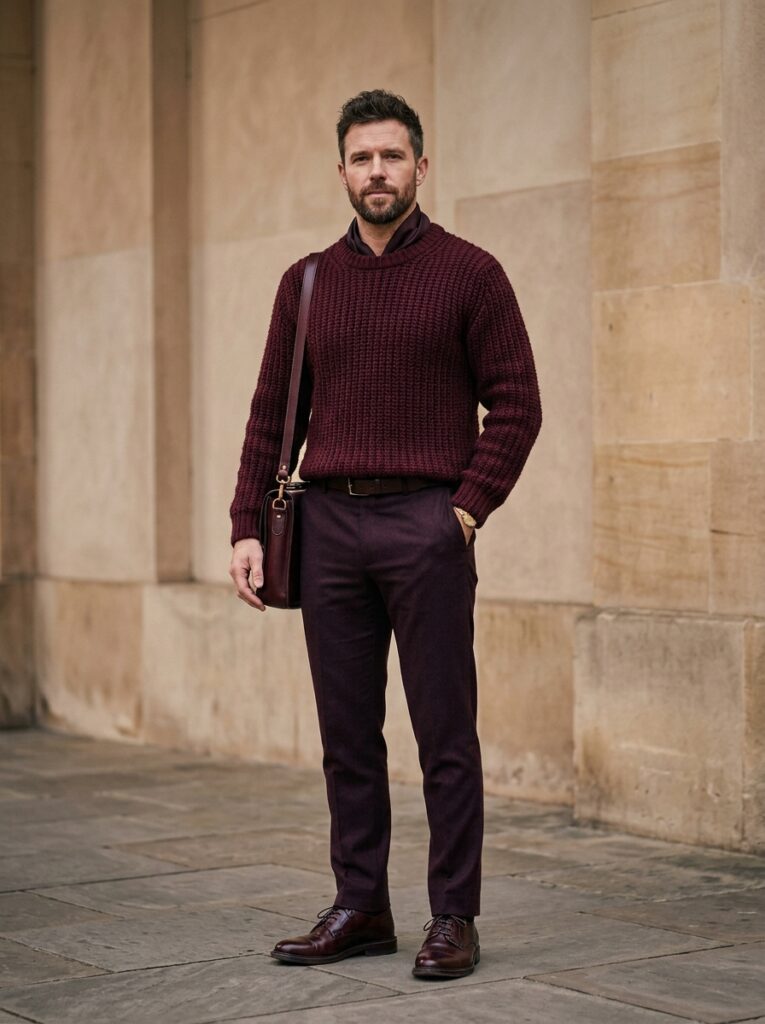
Burgundy is the most adventurous of the monochrome choices on this list. It is a color that men’s fashion does not commonly build full outfits around, which means an all-burgundy look immediately reads as considered and deliberate in a way that more common monochrome colors do not.
A burgundy shirt or knit with burgundy or deep plum trousers and dark wine-colored leather shoes creates a rich, deep tonal outfit that has a warmth and confidence that cooler neutrals like grey and navy never quite achieve. The range within burgundy, from a pale rosewood through to a deep oxblood, provides the tonal variation needed to make the monochrome work as an outfit rather than a uniform.
It suits autumn and winter contexts particularly well where the depth of the color works with the season. It also suits men with olive or darker skin tones especially well because the warmth of the burgundy palette reads naturally against those complexions.
All Black Formal: The Sharpest Dressed Man in the Room
View this post on Instagram
All-black in a formal context, combining a well-cut black suit, a black dress shirt, a black tie, and black leather shoes, is the formal monochrome outfit that communicates a specific kind of considered elegance. The conventional dark suit with a white shirt does not quite match it for intentionality.
It requires real commitment to wear all-black formally because it reads as a deliberate choice rather than a default. That means the man wearing it is making a clear statement about how he thinks about dressing. The fit must be correct because an all-black formal outfit with poor fit reads worse than any other combination. There is nothing else in the outfit to redirect attention from the silhouette.
When the fit is right, the fabric is quality, and the shoes are clean and well-maintained, an all-black formal outfit is the most visually powerful single-color formal choice a man can make. It gets noticed in a room of conventionally dressed men precisely because it took more intention to arrive at.
Slate Blue: The Cool Modern Tone Between Navy and Grey
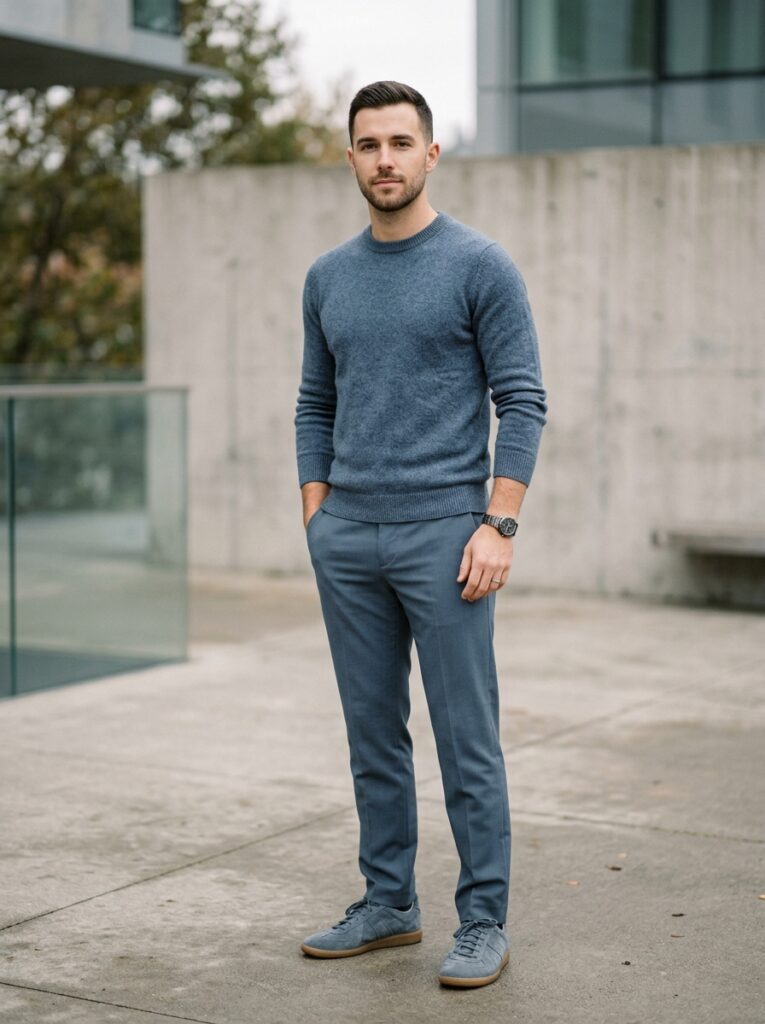
Slate blue sits in the tonal range between navy and grey and carries qualities of both. It has the depth and richness of blue combined with the calm, understated quality of grey. That combination makes it one of the most versatile and contemporary monochrome outfit colors available for men right now.
An all-slate-blue outfit, combining a slate blue shirt or knit, slate trousers, and grey-blue suede shoes, reads as completely modern and quietly distinctive. It is a color that most men’s wardrobes do not contain in the quantity needed to build a monochrome outfit, which means wearing it reads as a genuine style consideration rather than a default choice.
The cool tone of slate blue works particularly well in spring and autumn contexts and suits most skin tones naturally. In a monochrome context it creates a single-color look that feels like a more interesting and thoughtful version of navy monochrome: familiar enough to read comfortably, different enough to read as distinctly chosen.